Hepper is reader-supported. When you buy via links on our site, we may earn an affiliate commission at no cost to you. Learn more.
Can Dogs Eat Honeydew? Vet-Reviewed Facts & Safety Guide



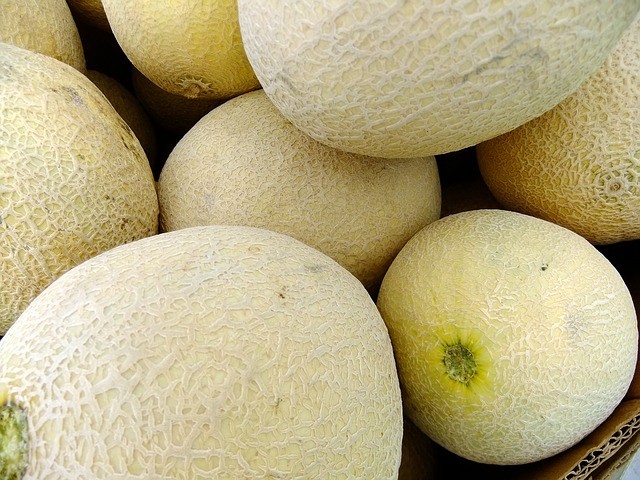
The honeydew melon is a delicious and juicy fruit that's just as nutritious as tasty. But can you share your honeydew bowl with your pup? Yes, you can.
Honeydew melon is safe for dogs as long as you remove the rind and the seeds. It is rich in several nutrients, including potassium, dietary fiber, vitamin C, and vitamin B6.
But how do you serve honeydew to your pet? Which safety tips should you keep in mind? Let us answer your questions below.

Benefits of Honeydew for Dogs
Honeydew melon has a lot of benefits for humans and dogs alike. Here are some ways the fruit benefits your pup:
Improves Bone Health
Several nutrients in honeydew melon, such as vitamin K, magnesium, and folate, help improve bone health. Just a single serving of honey melon can give your dog enough folate for stronger bones. Folate helps break homocysteine in the body.
Since high levels of this compound are linked with lower bone mineral density with age, folate may help prevent the early onset of age-related arthritis in dogs.
Honeydew melon is also rich in magnesium. The cells in your dog's body that break down and build bone tissue require magnesium for proper functioning. Honeydew can provide the necessary magnesium intake for optimal bone health.
Provides Hydration and Electrolytes
If your dog isn't a fan of drinking water, you can help compensate for low water intake by giving them some honeydew melon. The high water content of the fruit can help to keep your pup hydrated.
It is also rich in electrolytes, such as calcium, sodium, magnesium, and potassium. According to VCA hospitals1, calcium has many functions in a dog's body.
Some of them include:
Likewise, the American Kennel Club2 explains that sodium is an important electrolyte for a dog's proper nerve and muscle function. Besides calcium, magnesium helps maintain strong bones. It is the third most common mineral in your pup's bones, second to phosphorus, and third to calcium. The mineral also keeps your dog's heart healthy and assists with muscle function.
Promotes Digestion
A constipated pup is no fun. Thankfully, honeydew melon can improve digestion since it's rich in dietary fiber. If your dog is still young and you've just started introducing fruits into its diet, start with honeydew melon since it's a low-fiber fruit compared to many others.
Your dog will have a much easier time tolerating honeydew melon than other fibrous fruits.


Risks of Honeydew Melon for Dogs
There's no denying that honeydew melons can be a good snack or treat for your pup. But you must be aware of the possible risks and safety concerns of the fruit.
High Sugar Content
With 16 grams of carbs per serving, honeydew has a high sugar content. Giving too much honeydew to your dog may result in a sugar spike, which can be harmful if your dog is susceptible to diabetes or is showing early symptoms.
Choking Hazard
The rinds of honeydew melons can pose a choking hazard to your furry friend. So, remove the rinds properly. Chop the fruit into small pieces so your pup doesn't have trouble eating it.
Digestive Problems
Honeydew melons don't cause digestive problems in dogs if served in moderation. However, a dog that overeats the fruit may experience an upset stomach, vomiting, or diarrhea.

Final Thoughts
Dogs can and should eat honeydew. For one, the fruit is delicious and will keep your dog's palate engaged. It's also a source of vitamins and minerals, which are essential for your pup's overall health.
When feeding honeydew to your dog, remove the seeds and rind. Also, chop the fruit into smaller pieces for easy chewing and digestion. If your dog doesn't like fresh melon, try freezing it to see if that works.
Otherwise, you can try pineapples, apples, blueberries, pears, peaches, raspberries, and a whole lot of other fruits.
See Also:
Sources
https://www.akc.org/expert-advice/nutrition/fruits-vegetables-dogs-can-and-cant-eat/
https://blog.healthypawspetinsurance.com/can-dogs-eat-honeydew-melon
https://www.foodnetwork.com/healthyeats/in-season/2012/08/in-season-honeydew
https://www.healthypawspetinsurance.com/blog/2019/08/19/can-dogs-eat-honeydew-melon
Featured Image By: Shutterbug75, Pixabay
Get Hepper In Your Inbox


Pet care tips from our vets and experts, straight to your inbox.
You may opt-out at any time. View our Privacy Policy for more information.
Jeff is not only a writer but also a tech professional with lots of experience leading teams at various Fortune 100 startups. Jeff's hobby is photography but his real passion are his pets, whom he loved to spend time with.
Join the conversation
Ask a question, share your story, or send private feedback.