Hepper is reader-supported. When you buy via links on our site, we may earn an affiliate commission at no cost to you. Learn more.
Can Dogs Eat Lychee? What The Science Says!



In this article
If you love tropical fruit, you might have tried lychees. Lychees may be yummy to us, but can our four-legged friends enjoy them too? The short answer is yes, but only if they are properly ripened and prepared. This is an exotic and tasty treat for humans—however, the scenario for dogs is a teensy bit more nuanced.
As a responsible pet parent, it is important to only give your pup small servings of this delectable fruit every now and then as an occasional treat. Read on to find out everything you need to know about adding lychee to your dog’s diet.

What Are Lychees?
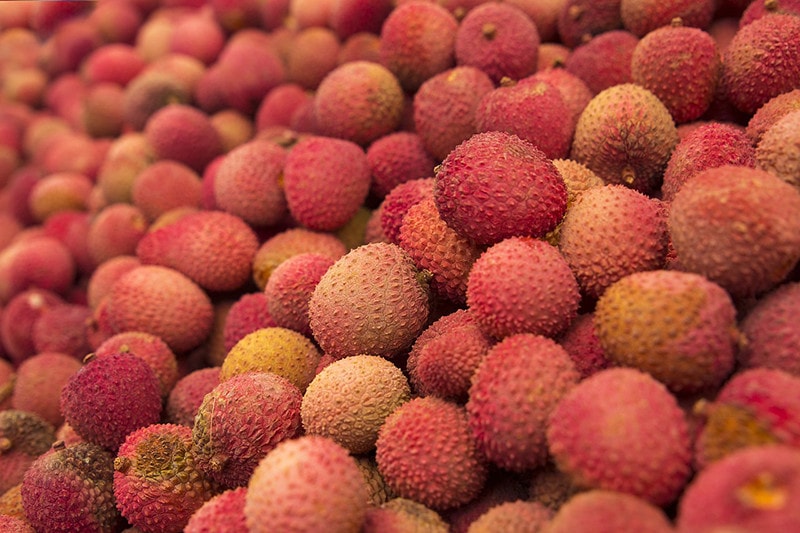
Lychees are a delicious tropical fruit that has recently gained more popularity all over the world. Native to Southeast Asian countries like China and Thailand, their texture is like grapes, but their taste is slightly sweeter. A lychee’s outer skin is a thin and leathery red, while the inner flesh surrounds a dark seed and is juicy, white, and full of tasty goodness.
Can Dogs Eat Lychees?
Lychee flesh is perfectly safe for your dogs to consume if it is ripe, given in moderation, and the peel and seed are removed.
However, while lychees contain some beneficial vitamins and minerals like vitamin C, calcium, phosphorus, and potassium—they are also packed with sugar. This could lead to obesity or diabetes if they are consumed in large amounts. It is also crucial that you only give your bestie the flesh of the fruit.
The Seeds and the Skins: A Choking Hazard
It's no secret that dogs love to eat, and sometimes they can't help but sneak a snack or two from the kitchen counter. But if your pooch gets into your lychees, be careful—lychee seeds and skins can be harmful to dogs.
The first thing to be aware of is the choking hazard that plant roughage can represent. Choking is most common in puppies and small breeds of dogs due to the reduced size of their tracheas—but choking can happen to any breed or size of canine. Don’t take risks! It's important for pet parents to keep an eye on what their little friend has access to—even seemingly innocuous items like fruit pits or skins can become lodged in your pooch’s throat.

How Else Can Lychee Seeds Harm My Dog?
Lychee seeds contain a high concentration of hypoglycin A1, an organic compound known to cause hypoglycemic encephalopathy in severe cases. This medical condition develops when the levels of blood glucose drop below normal levels. Hypoglycin A belongs to the family of compounds called methylene cyclopropyl-glycines (MCPG). It is found in several fruit species, including lychees, and can have severe health consequences if consumed in large quantities. Ingesting lychee seeds can lead to a dangerous build-up of this compound in the body, leading to serious health risks. As such, lychee seeds are best avoided altogether. Humans naturally discard the pits of fruits—but dogs are less discerning, and some will happily swallow whole pieces of produce.
Unripe Lychees Are Also a Problem
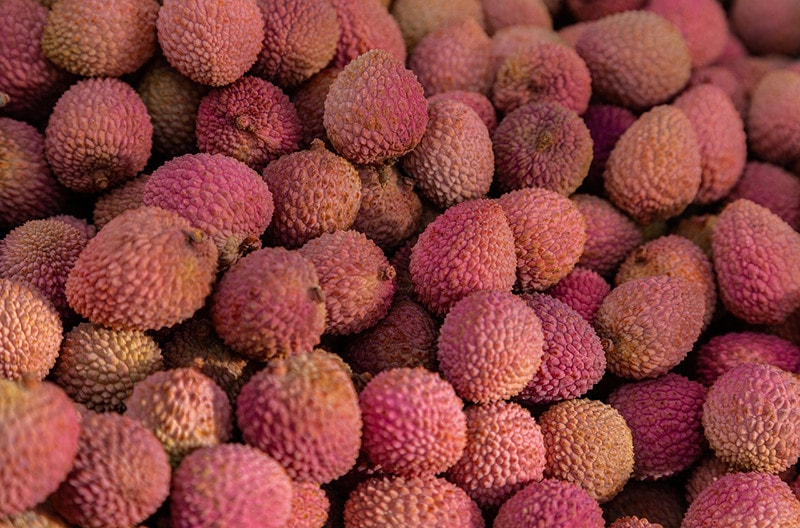
Unripe lychees have also been linked to hypoglycemia. Unripe fruits contain high levels of MCPG, which makes them dangerous if your dog eats them. Your pooch could suffer from excessively low blood sugar if they eat multiple unripe lychees, particularly when their stomachs are empty. Your dog's blood sugar drops quickly when exposed to MCPG, which interferes with their ability to naturally raise their blood sugar by gluconeogenesis. Untreated, it can cause significant nervous system problems in dogs. This includes decreased brain activity and potentially permanent neurological damage.
Knowing the signs of hypoglycemic encephalopathy can help pet owners identify this condition early so that it can be treated quickly and effectively. Again, a human is unlikely to consume several unripe lychees, as they don’t taste that great—but some dogs really will gobble up almost anything in their vicinity.
Signs of Hypoglycemic Encephalopathy in Dogs
Common symptoms of hypoglycemic encephalopathy include listlessness, disorientation, weakness, seizures, collapsing or fainting spells, trembling, and vocalizing excessively. If your dog exhibits any of these signs in combination with low blood sugar readings, it may indicate an underlying issue such as hypoglycemic encephalopathy. Other signs to look out for include behavioral changes such as aggression or fearfulness and poor coordination or intention tremors while walking. If you notice any of these symptoms, or if your dog begins vomiting after eating lychees—you should see your veterinarian immediately.
What About the Sugar Content?
Fruits such as lychees can provide additional vitamins and minerals for your pup, but there may be hidden dangers in this sweet snack. Lychees can have a high sugar content which can cause gastrointestinal issues or lead to obesity if eaten in large quantities. Dogs are obligate carnivores, so they do not need any fruit in their diet. Talk to your vet. They can make recommendations based on your dog’s breed, age, size, and health history.
Remember: the safest option is always to consult your veterinarian before introducing any new food into your dog’s diet.
What Are the Potential Benefits of Feeding Lychee to My Dog?
Feeding lychee to your canine companion may seem like an odd idea to most people, but there are several potential health benefits associated with this exotic fruit. Lychees are a nutrient-rich superfruit that is packed with vitamins and minerals, including vitamin C, folate, potassium, and magnesium.
First off, the high levels of vitamin C in lychees can boost your dog’s immune system, helping protect them from infectious diseases and other health issues. The powerful antioxidants found in lychees may also help reduce inflammation throughout the body while providing essential nutrients to support overall well-being.
Additionally, folate supports healthy cell growth and reproduction by helping with DNA synthesis, which can improve your pet’s overall health. Magnesium helps regulate blood pressure and muscle contractions in dogs, while potassium assists with energy production in the body.

How Much Lychee Can Dogs Safely Eat?
Since ripe lychee flesh can be safely consumed by dogs in small amounts, it's important to determine how much is too much. Generally, you should only give your dog a small piece of ripe, seedless, skinless lychee as an occasional treat. You should also keep in mind that lychee should never constitute a large portion of your dog's diet.
Always introduce new foods slowly. Never go overboard and feed your dog something novel in large quantities. Their bodies aren’t like ours—and stuffing them full of inappropriate foods will not end well.
Summary
In conclusion, dogs can safely enjoy lychees if they are ripe, skinless, and have their seeds removed. However, it is recommended to check with a veterinarian if owners are uncertain about the ripeness or safety of the lychees.
Furthermore, it is important to keep in mind that lychees should only be given as occasional treats rather than regular meals. Owners should also monitor their pup’s reaction after consuming the fruit in case of any allergies or intolerances.
Related Reads:
Get Hepper In Your Inbox


Pet care tips from our vets and experts, straight to your inbox.
You may opt-out at any time. View our Privacy Policy for more information.
Nicole is a lover of animals of all sizes but is especially fascinated with the feline variety. She’s the proud mom of Baby, a Burmese, and works every day so he can relax in the sunshine or by the fire. She’s always had a cat in her home and has spent countless days with others, observing behaviors and softening up even the grouchiest of the lot. Nicole wants to share her kitty expertise with you so you and your cat can live happy, healthy, and care-free.
Join the conversation
Ask a question, share your story, or send private feedback.