Hepper is reader-supported. When you buy via links on our site, we may earn an affiliate commission at no cost to you. Learn more.
Can Dogs Eat Nectarines? Vet-Verified Nutrition & Safety Facts



In this article
Nectarines are a type of fruit that is grown all around the world. These juicy, delicious stone fruits are a tasty treat for humans, and we might wonder whether it is safe to share these sweet fruits with our dogs. Can dogs eat nectarines? It is a fair question. While dogs can partake in a number of different fruits, there are some fruits, like grapes, that can be extremely dangerous for dogs.
But luckily, nectarines are safe for dogs, as long as you remove the pit. This brief guide will cover everything you need to know before you attempt to feed your dog nectarines.

Are Nectarines Safe for Dogs?
Yes. Nectarines are safe for dogs in limited quantities. You do not want to feed your dog too many nectarines, but letting them try a piece every once in a while is perfectly fine. Nectarines are not toxic or poisonous to dogs. Like most fruits, they contain a range of nutrients, including fiber, vitamins, and minerals, but your dog should be getting most of their nutrients from their regular diet, so they don’t need to eat fruit.
Nectarine Health Benefits
Vitamins and Minerals
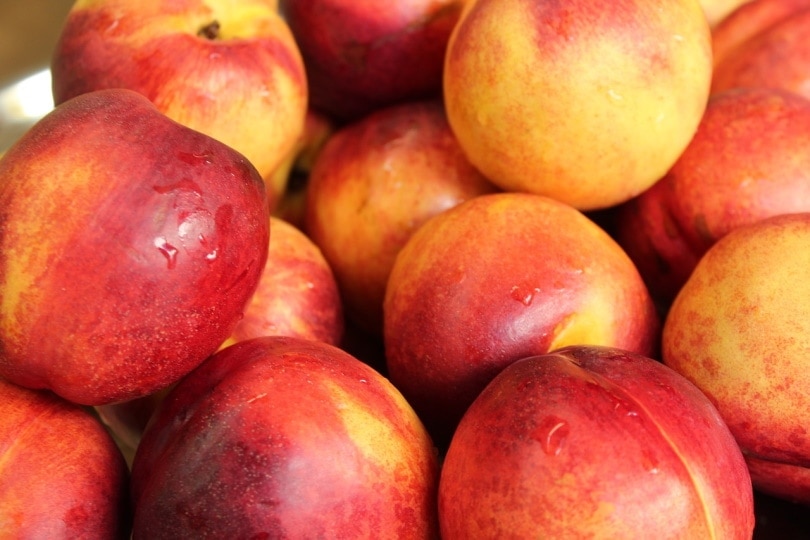
Nectarines are loaded with beneficial vitamins and minerals, such as vitamin A and vitamin C. They also contain things like beta-carotene and phytonutrients. Nectarines also have helpful minerals like magnesium and potassium which promote nerve, joint, bone, and muscle health in your dog.
Boosts Digestive Health
The fiber and minerals found in nectarines can help boost your dog’s colon health, which can be a real benefit if your dog suffers from constipation. On the flipside, however, too much fruit can cause a bit too much motility, leading to diarrhea and discomfort—moderation is key.
Nectarine Risks
Despite the benefits, nectarines are not without risk. Feeding your dog too many nectarines can lead to stomach aches. That is because nectarines are full of sugars, citric acid, and fiber. Too many of these things can be hard on your dog’s stomach, especially if they are not used to eating things like fruit on a regular basis.
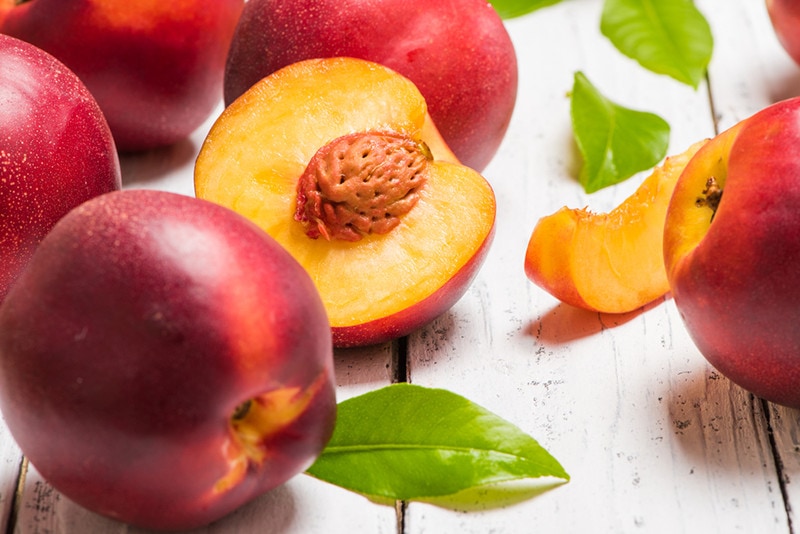
Nectarines are also a type of stone fruit, meaning that they have a pit, which can be dangerous for dogs. Nectarine pits can be a choking hazard, and if your dog swallows one, they can become lodged in the stomach or in the intestines, which may require surgery.
Additionally, feeding your dog any foods that are high in sugar can lead to weight gain and obesity, which is why fruit should be treated as a treat and not a regular part of your dog’s diet.
Things to Avoid When Feeding Your Dog Nectarines
There are three main things you want to avoid when feeding your dog nectarines. First, you want to avoid overfeeding your dog. Do not feed nectarines regularly or in large quantities. If you find that your dog has ingested a large amount of nectarines at once, you should contact your vet. You may need to keep an eye out for signs of gastrointestinal distress, such as nausea, lethargy, diarrhea, and loss of appetite.
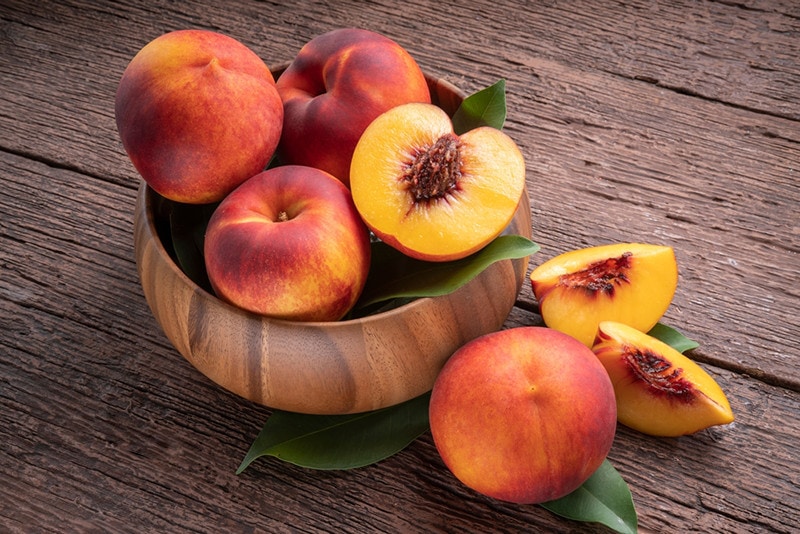
Second, you want to prevent your dog from swallowing the nectarine pit. If you are feeding your dog nectarines, make sure to chop up the fruit and remove the pit; never give your dog a whole nectarine. Feeding whole nectarines will have the risk of pit ingestion, which can lead to intestinal obstruction (foreign body).
Lastly, do not give your dog nectarines out of a fruit cup or from a can. These nectarines often come in syrup or sugared water, which adds things that your dog does not need. Only feed fresh nectarines without the pit, giving your dog a slice or chunk at a time.
If you follow these tips and avoid these pitfalls, your dog should be able to eat nectarines in small quantities without any issues while reaping the health benefits. If your dog has any health conditions, particularly diabetes or a history of pancreatitis, do not offer them nectarines, or other fruit, without discussing it with your vet.

Conclusion
Nectarines can be a safe and healthy treat for your dog if you feed them properly. You need to avoid feeding too many nectarines all at once to avoid an upset stomach. You also need to remove the pit that is located inside each nectarine, as they can be incredibly dangerous to dogs if you are not careful.
However, if you follow these tips, nectarine is a delicious fruit that you can safely share with your dog.
Featured Image Credit: Viktory Panchenko, Shutterstock
Get Hepper In Your Inbox


Pet care tips from our vets and experts, straight to your inbox.
You may opt-out at any time. View our Privacy Policy for more information.
Grant is a freelance writer with years of experience writing about a diverse range of topics. His days are spent writing and caring for eight animals (two horses, two donkeys, two goats, and two dogs). In his free time he enjoys slowly carving out a quaint hobby farm from the Southern scrub. He currently lives in his native Florida with his wife and son.
Join the conversation
Ask a question, share your story, or send private feedback.