Hepper is reader-supported. When you buy via links on our site, we may earn an affiliate commission at no cost to you. Learn more.
Can Dogs Eat Molasses? Vet Approved Benefits & Safety Tips


In this article
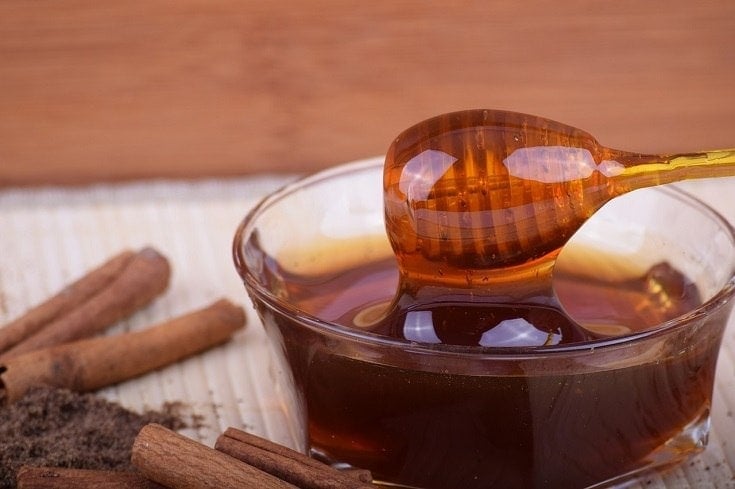
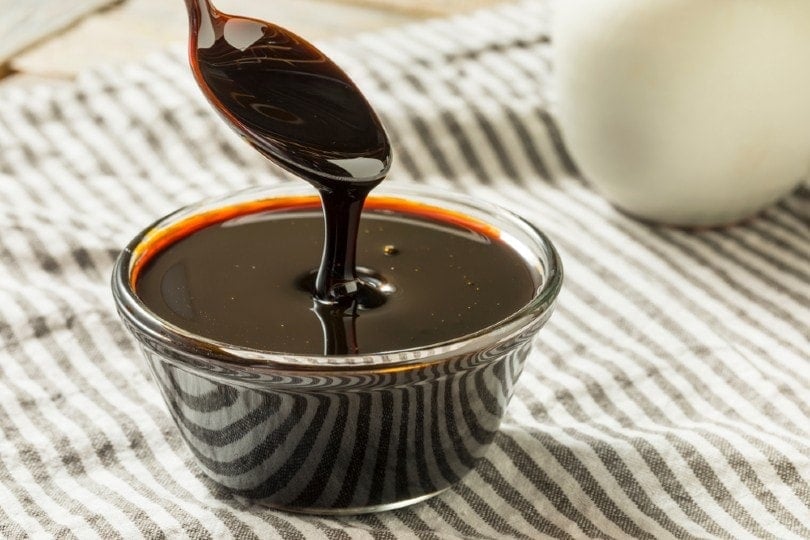
Molasses is a thick, dark syrup derived from the sugar making process, when sugarcane or sugar beets are refined into sugar. It's used in baking and sometimes people add it to their diet for its reported health and nutritional benefits.
So can dogs eat molasses? Small amounts of blackstrap molasses, which have a low amount of sugar, are generally safe to be consumed by our canine companions. However, we would always recommend consulting with your vet before adding it to your dog's diet, as it will not be suitable for all dogs.
In the article below, we’ll look at everything you will need to know about molasses and how to exercise caution and serve it to your dog safely.

What Is Molasses?
Molasses is often used in baking as a natural sweetener. It's a byproduct of making sugar from beet or cane sugar. The thick, black syrup is what is left behind once the sugar has been extracted by boiling the crushed sugarcane or sugar beets. This procedure can be repeated several times, resulting in different varieties of molasses. It’s generally more popular in the UK than in the United States and, unlike refined sugar, molasses contain some vitamins and minerals.
Light Molasses
This is the most common and sweetest type of molasses and is what you’ll generally find in a store. It’s known as “Grandma’s molasses” and is the resulting syrup after boiling sugarcane for the first time. Light molasses has a high sugar content, so it should never be shared with your dog.
Dark Molasses
Boiling light molasses results in dark molasses, which is less sweet than light molasses. Nutritionally, dark molasses is also superior to light, so it’s much more beneficial to humans, which is why it’s used in cooking and baking. Unfortunately, it is still unsafe for your dog because of the high sugar content.
Blackstrap Molasses
Boiling dark molasses will extract even more sugar crystals, resulting in blackstrap molasses. This is the most nutritious molasses with the lowest sugar content. This makes it the best type if you decide to offer it to your dog. However, it might also be less tempting because it isn’t as sweet, so not every dog will enjoy blackstrap molasses.

Benefits of Blackstrap Molasses
Unlike refined sugar, blackstrap molasses has a low sugar content and contains some beneficial nutrients. These include iron, magnesium, calcium, and vitamin B6. However, it's important to remember that your dog should be getting all their essential nutrients from a balanced, high quality dog food.

How to Safely Serve Blackstrap Molasses to Your Dog
It’s crucial that you speak to your veterinarian before adding molasses to your dog’s diet, just to check that it’s a good idea.While blackstrap molasses is low in sugar, it can still cause a spike in blood sugar levels and should always be avoided if your dog has diabetes. It can also cause digestive issues, such as diarrhea, especially if consumed in large amounts. Therefore, it’s important that your dog only ever enjoys blackstrap molasses in moderation.
Once you have the all-clear from your vet, you should serve it to your dog in small amounts. You can use it as a topping on their regular treats, a sweetener in their food, or an ingredient in a snack. Make sure there are no added ingredients such as xylitol which is toxic to dogs.
Overfeeding your dog can result in weight gain and obesity and serious health conditions later on. If you notice any adverse effects, such as bloating, vomiting, or diarrhea after they consume molasses, discontinue its use and contact your vet.

Final Thoughts
Before adding anything new to your dog’s diet, we recommend speaking to your vet. While most dogs can have small amounts of molasses it will not be suitable for all dogs, for example if they suffer from health conditions like diabetes or are on a special diet.
The light and dark variations of molasses are too high in sugar to share with your pup, so it’s safest to stick with blackstrap molasses. These are still a byproduct of sugar extraction and must only ever be offered in small amounts as an occasional nutritious boost to your dog’s treats or regular diet.
Related Reads:
Sources
Featured Image Credit: ffolas, Shutterstock
Get Hepper In Your Inbox


Pet care tips from our vets and experts, straight to your inbox.
You may opt-out at any time. View our Privacy Policy for more information.
Kerry-Ann lives in Scotland and wishes her garden was bigger so she could have her very own Highland cow. But her dogs probably wouldn’t like that very much. She has a La Chon called Harry who was poorly with a liver shunt when he was a puppy. It wasn't likely he would make it into adulthood, which was difficult, but he beat the odds and is a healthy old man now. She also has a Pug called Maddie who is a big foodie. She’s small, sassy, and every day she finds a new way to mess with her brother.
When she isn’t writing you can find Kerry-Ann going for long walks when the weather isn't bad, reading, or watching cartoons when she should be tidying her house. She would one day like to be a tourist in her own country and travel through the Highlands with her family.
Join the conversation
Ask a question, share your story, or send private feedback.