Hepper is reader-supported. When you buy via links on our site, we may earn an affiliate commission at no cost to you. Learn more.
Can Dogs Eat Rice? Vet-Reviewed Nutrition Facts



In this article
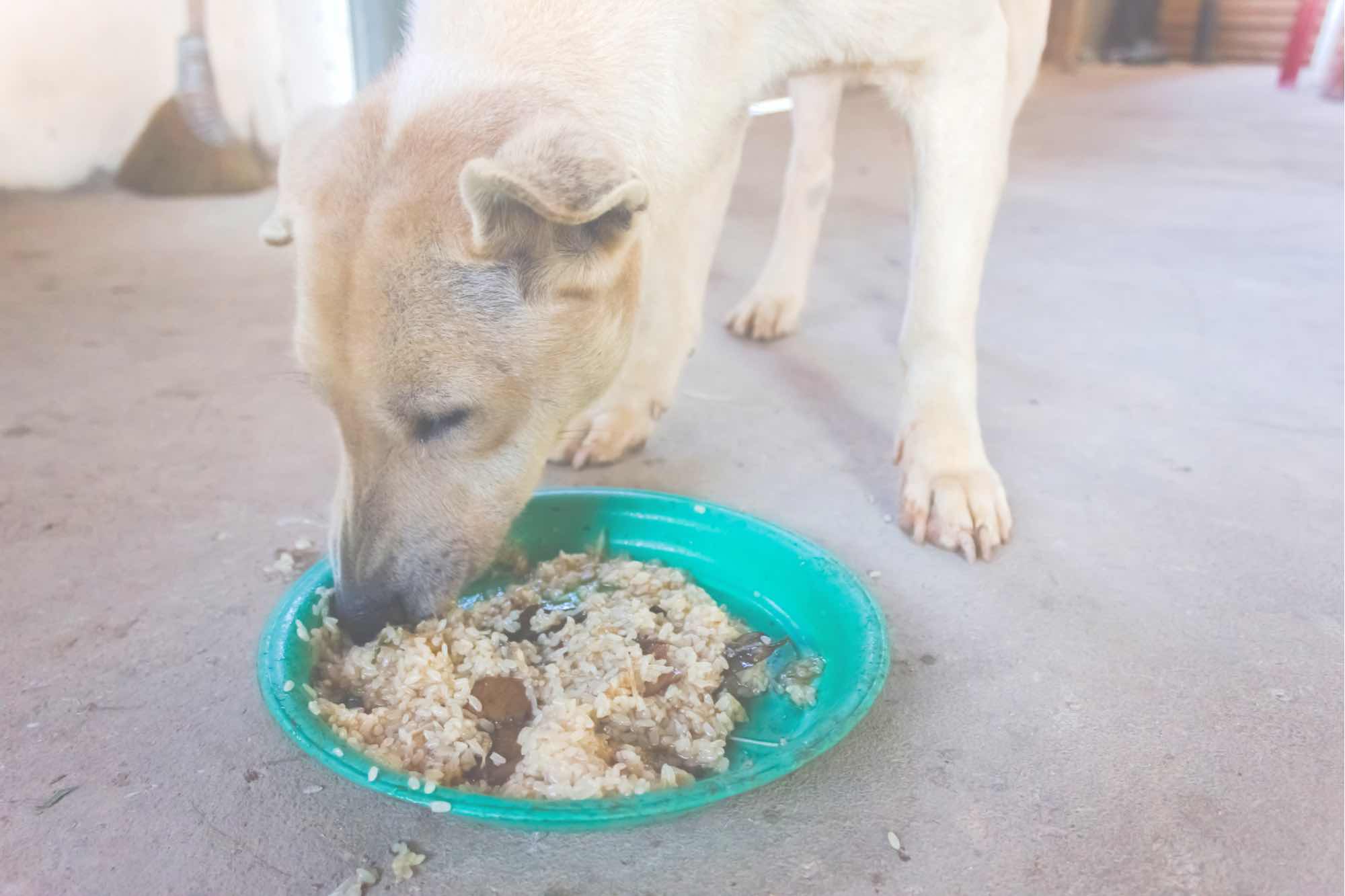
The short answer about whether canines can—or should—eat rice is that yes, dogs can eat rice, but there are a few caveats. If you look at the ingredients in many commercial dog foods, you’ll often find rice or rice flour as a carbohydrate source. It’s also a major component of prescription diets, especially for pets with digestive issues or allergies.

Benefits of Rice
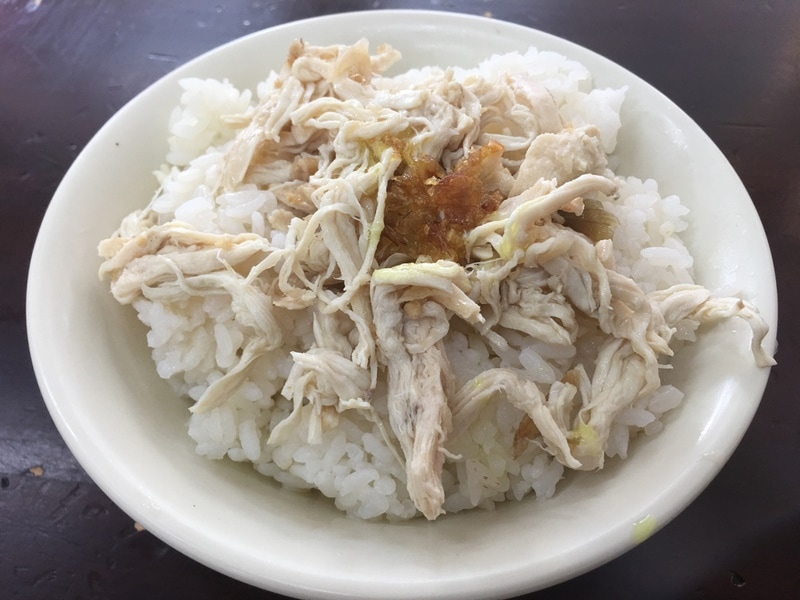
Your veterinarian may suggest giving your pup boiled chicken with rice if they’ve had a bout of digestive upset. It must be bland and prepared with water and nothing else. The food is easily digestible and won’t upset your dog’s sensitive system. It’s an excellent way to transition them back to dog food after withholding it while they recover.
However, when it comes to an upset stomach, you should use white rice instead of brown. That may seem counterintuitive from a nutritional perspective. After all, brown rice has complex carbohydrates and more vitamins and minerals because it has minimal processing. Unfortunately, that’s the problem if you’re giving it to help settle your pup’s stomach, as it’s more difficult to digest.
Think of what you want to eat or drink after getting sick. Foods like bland rice and chicken broth are going to sound good and go down a lot better than a greasy hamburger. It’s the same with your pet.
Nutritional Value of Rice
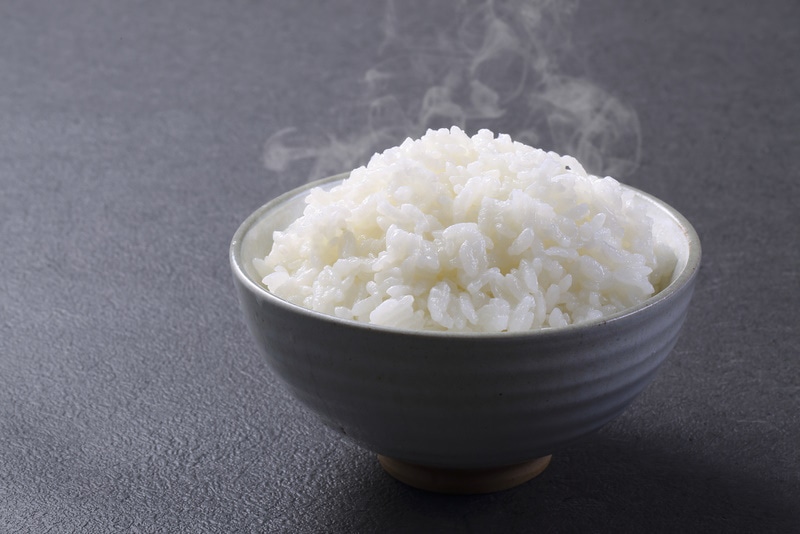
The main component of white rice is its carb content at 50 grams per 1 cup serving. Proteins come in at only 4 grams per cup. For this purpose, a cup contains 186 grams (6.5 ounces). It does have a decent lineup of some of the essential amino acids, the building blocks of proteins. These are the ones that your dog’s diet must supply because their body can’t produce them. It’s the same case with people.
White rice also has a fair amount of other vital nutrients. Overall, it’s not the worst food you can give your dog, especially when they’re recovering from an upset stomach. However, we must also address another critical caveat about it that may determine whether it’s okay to give to your pet regularly.
Glycemic Index and Blood Sugar Response
Glucose is an easily absorbable form of energy for most animals. The pancreas, through its release of insulin and glucagon, regulates the amount of glucose in the bloodstream, while also releasing digestive enzymes. Of course, not all foods generate the same reaction or have the same effect on blood glucose. Think of how you feel after a steak dinner. The first thing you probably want to do is lie on the couch. Your dog shares your feelings.
Some types of food may be more easily digested. Simple carbs can be great if you need a quick pick-me-up, but not so much if you’re a diabetic dog. The way this process of glucose release is measured is through a food or beverage’s glycemic index, which calculates the effects of a certain food on blood glucose using a scale from 1 to 100. The glycemic index of pure glucose or dextrose is considered to be close to 100. Consequently, the higher the figure is for a certain type of food, the more it increases blood glucose level.
White rice is relatively high at around 70. That can spell trouble for a pet with diabetes. A study published in 2021 has shown that rice fed to diabetic dogs may lead to higher glucose readings, making the condition unstable. That’s why it’s imperative to contact your vet before you give your dog white rice or any other foods with a high glycemic index or make it a frequent part of their meals, particularly if they are suffering with underlying health issues or diabetes.
Following a particular diet and its nutritional analysis allows the vet to monitor your dog’s progress and prescribe the correct dose of your pup’s medication. An abrupt change in diet can severely impact your dog’s blood sugar level.

What Else Do You Need to Know About Giving Your Dog White Rice?
As mentioned earlier, it’s best to prepare it bland. Sudden changes in your pup’s diet can upset the stomach and lead to digestive distress. We suggest following the general rule of thumb of introducing only small portions of anything new and doing so over a week. Your dog may also have an easier time handling it if you rinse the rice until the water is clear, which will remove any excess starch.
The other thing you must understand is that white rice is not a complete protein. It doesn’t supply all the essential amino acids your pup needs. That’s why it’s an ingredient in foods and not a replacement for a complete and balanced diet.
Related Read: Can Dogs Eat Mexican Rice?

Final Thoughts
The question of whether you can feed your dog rice comes with some precautions. White rice is preferable as long as your dog doesn’t have diabetes. The effects on their blood sugar make it a risky practice. If in any doubt, ask your veterinarian for advice. For occasional GI distress, it is usually an excellent way to weather the storm.
See Also:
Sources
Featured Image By: ImageParty, Pixabay
Get Hepper In Your Inbox


Pet care tips from our vets and experts, straight to your inbox.
You may opt-out at any time. View our Privacy Policy for more information.
Nicole is a lover of animals of all sizes but is especially fascinated with the feline variety. She’s the proud mom of Baby, a Burmese, and works every day so he can relax in the sunshine or by the fire. She’s always had a cat in her home and has spent countless days with others, observing behaviors and softening up even the grouchiest of the lot. Nicole wants to share her kitty expertise with you so you and your cat can live happy, healthy, and care-free.
Join the conversation
Ask a question, share your story, or send private feedback.