Hepper is reader-supported. When you buy via links on our site, we may earn an affiliate commission at no cost to you. Learn more.
Can Dogs Eat Mexican Rice? Vet-Reviewed Facts & FAQ



In this article
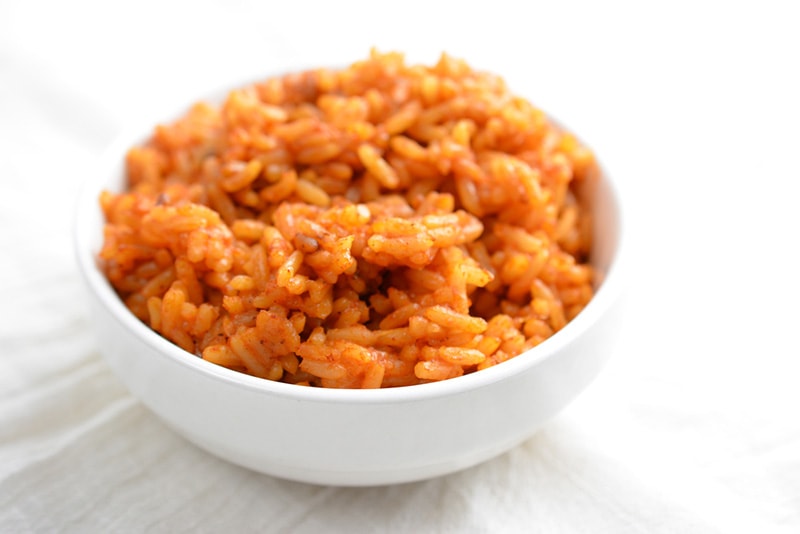
It's dinner time, and your dog is waiting patiently at the table. Begging behavior aside, it is common for owners to share food with their dogs. However, some foods, including Mexican rice, might not be the best for us to share with them. Mexican rice is often cooked with ingredients that are toxic for dogs, so the answer to "Can dogs eat Mexican rice?" is, unfortunately, no. Luckily, dogs can eat the rice used to prepare Mexican rice if no spices or toxic ingredients are added.

What Is Mexican Rice?
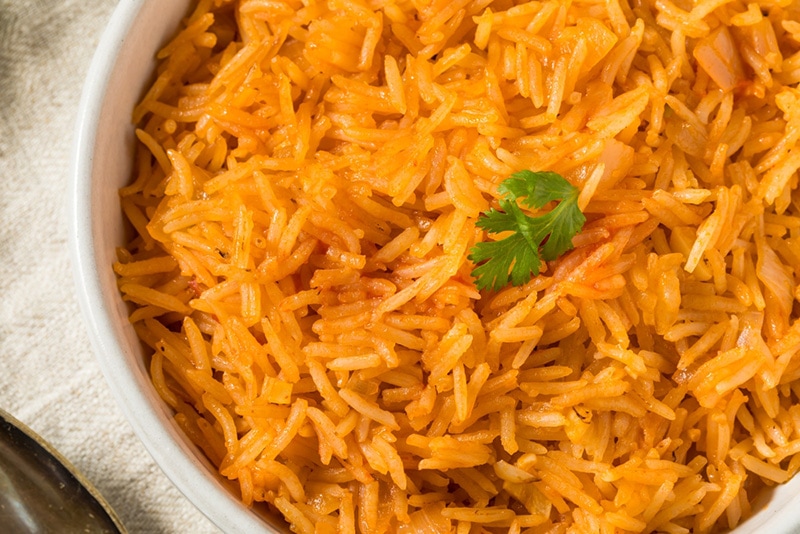
Mexican rice is a popular side dish in Mexico and the US, and it’s also known as red rice or Spanish rice. Mexican rice is very common in Tex-Mex recipes. White rice makes up the base of this meal, and tomatoes, garlic, onions, and spices are traditionally the staple ingredients.
Why Can’t Dogs Eat Mexican Rice?
Dogs can't eat Mexican rice because of the ingredients it contains. Mexican rice is made with garlic and onions, which are toxic to dogs! While white rice is absolutely fine for dogs, garlic and onions are very harmful. Chili powder and too much salt can also cause problems for dogs, which is another reason Mexican rice should stay completely off the menu.
Onions, Garlic, and Alliums
Garlic and onions are members of the allium family, and dogs can get sick from the plants' fresh and powdered forms. Garlic is the most toxic of all members of the allium family, and just one teaspoon of garlic powder is equivalent to around eight whole cloves of fresh garlic!
Garlic and onions have certain substances that cause gastrointestinal problems and hemolysis, or the destruction of red blood cells. Oxidative damage to red blood cells causes them to burst, leading to severe anemia and even death in some cases!
Dogs can show the following signs of illness after eating garlic or onions (or their powders):
- Vomiting
- Inflammation of the gastrointestinal tract
- Drooling
- Mouth irritation
- Pain
- Nausea
- Diarrhea
The severe effects of allium consumption and anemia can take a few days to emerge, and your dog might show the following signs of illness:
- Increased heart and respiratory rate
- Weakness and collapse
- Kidney damage
These effects can lead to death if not treated promptly.
Chili Powder
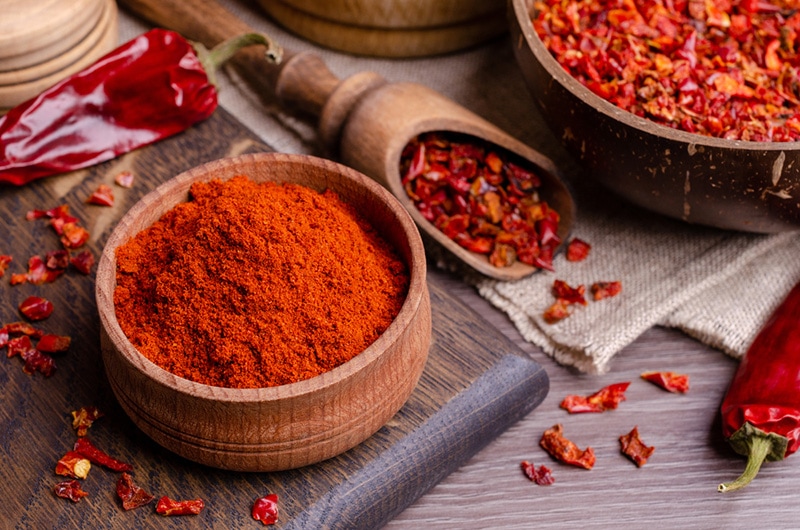
Chili is another common ingredient in Mexican rice; luckily, it's not toxic to dogs. However, chili can cause irritation and gastrointestinal discomfort in dogs, just as in humans! If your dog eats too much chili powder, they can experience abdominal cramps, vomiting, diarrhea, and potentially a burning sensation.
What Should I Do if My Dog Eats Mexican Rice?
If your dog has eaten Mexican rice, the first thing to do is to determine how much they've eaten and which ingredients were included. If you've made the rice yourself, you'll know whether there are any toxic ingredients and how much your dog could've had.
If the rice comes from a packet, you can see if any garlic or onion (or their powders) were included. Take your dog to the veterinarian as soon as possible after you discover they've eaten Mexican rice. The treatment might consist of making your dog vomit to limit the amount of damage the toxic ingredients can do. Your vet will ask you how much rice they ate, how long ago they ate it, and any signs of illness your dog is showing.
Supportive treatment at your vet's office might include fluid therapy, monitoring, or pain relief. Making your dog vomit or giving them activated charcoal can limit how much toxin gets onto your dog's system if given soon after ingestion, but some dogs react more strongly than others to alliums. Your vet may also take some of your dog's blood to look for changes in the red blood cells, which can indicate hemolytic anemia, and treat them accordingly.
Can Dogs Eat Any Rice?
Dogs can happily eat the base ingredient of Mexican rice: white rice. White rice is starchy and easy to digest, so veterinarians often prescribe it for dogs with mild gastrointestinal upset. Brown rice is much harder for dogs to digest, so it is not recommended. Variations of plain white rice are also ok, such as jasmine rice. However, you should never give your dog rice with any seasonings or additional ingredients unless you know no toxic ingredients are included.
Final Thoughts
Mexican rice is a staple food in many homes, but it is unsafe for dogs. The base ingredients of Mexican rice include white rice, garlic, tomatoes, and onions; onions and garlic are toxic to dogs and can cause hemolytic anemia. The chili powder often included in Mexican rice can also cause gastrointestinal discomfort and pain, so it's best not to give your dog any Mexican rice. If your dog gets hold of some, take them to the veterinarian as soon as possible so they can be examined.
Sources
Featured Image Credit: Left (Dog) Pexels, Pixabay; Right (Mexican Rice) Leon Rafael, Shutterstock
Get Hepper In Your Inbox


Pet care tips from our vets and experts, straight to your inbox.
You may opt-out at any time. View our Privacy Policy for more information.
Beth is a mom to two babies: one with four legs, and one with two. Beth has years of practical experience as a veterinary care assistant, working in both the operating room and in consult, expanding her knowledge to gain certification in her favorite subject: feline behavior and well-being! When she's not writing about her favorite topics (cats, dogs, and creature comforts), she's looking after her two-year-old daughter and her energetic eight-year-old Nebelung, Kiba. When she gets a moment's respite, Beth loves to read fiction books. Horror is her number one genre, with fantasy and rich history being her second option.
Join the conversation
Ask a question, share your story, or send private feedback.