Hepper is reader-supported. When you buy via links on our site, we may earn an affiliate commission at no cost to you. Learn more.
Can Dogs Eat Mashed Potatoes? Vet-Reviewed Facts & Considerations


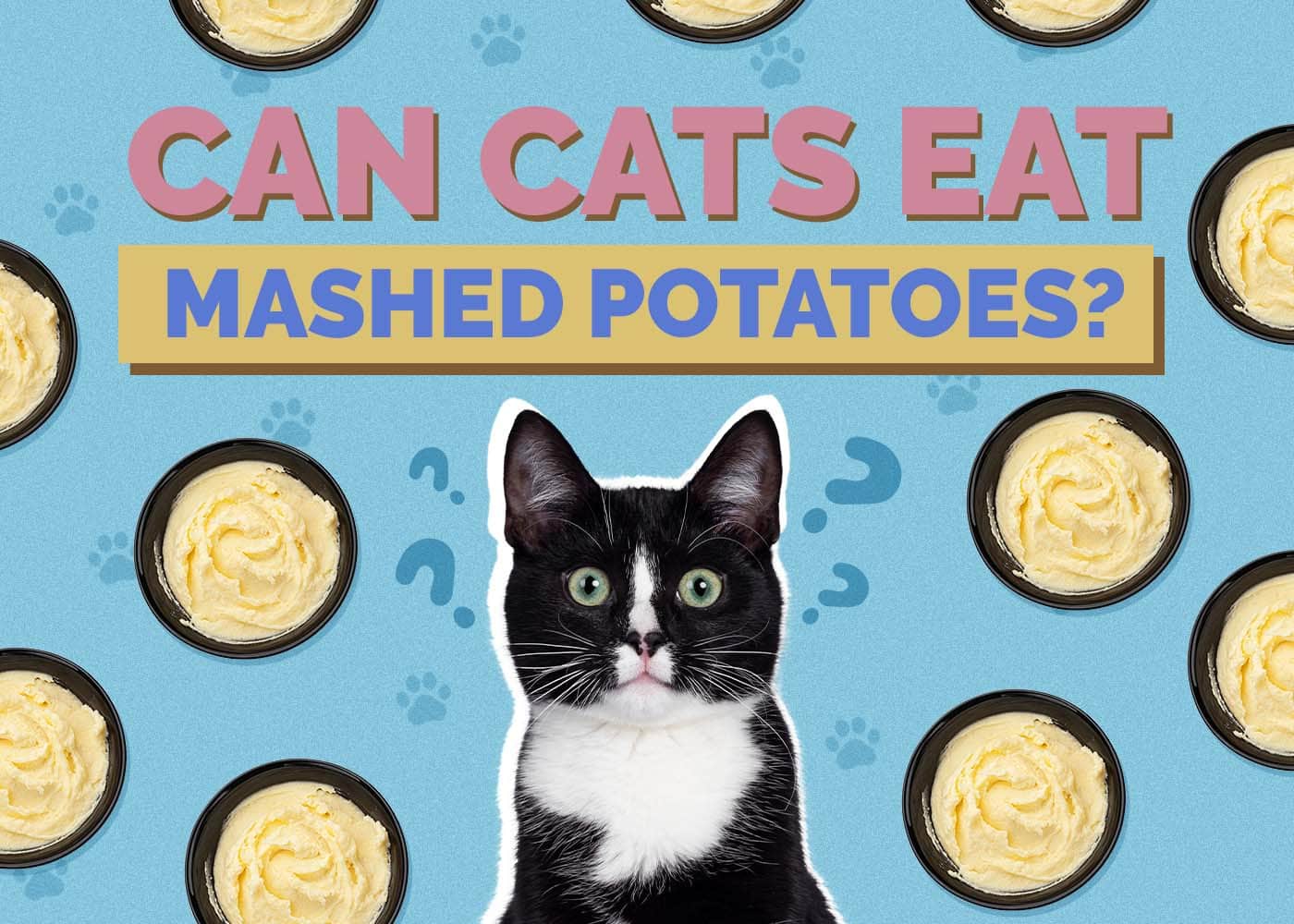
So, you’ve just made dinner, and your dog is staring at you with puppy-dog eyes. Should you give in and let them have some of your mashed potatoes? A small amount of mashed potatoes are usually (but not always) safe for dogs. It depends on what they contain. There’s also the question of whether potatoes are nutritious for canines.
It’s important to check with your veterinarian to make sure that your dog doesn’t have underlying health problems and that feeding human food to them is okay.

Ingredients in Mashed Potatoes
Most people, at a minimum, add salt, pepper, milk, and butter to their mashed potatoes. Gravy, sour cream, garlic, and other spices and herbs may be also eaten with mashed potatoes.
Salt
Salt is acceptable in small amounts, but it can be toxic in large amounts1, 2 to 3 grams of sodium per kilogram of body weight of a dog can be an issue. As a reference, a can of light tuna in water contains about 450 milligrams of sodium. But you need to think of the sodium content in every ingredient, plus the one in your pet’s food, because it adds up. Besides adding salt directly to your mashed potatoes, there is a lot of salt in the gravy often served with mashed potatoes.
Sudden excessive salt intake (especially without access to water) can cause vomiting, nausea, diarrhea, or seizures due to sodium ion poisoning.
Milk, Butter, and Sour Cream
Milk, butter, and sour cream are all dairy products. Like humans, some dogs are lactose intolerant. Others can eat dairy without any problems. Puppies have enough of the enzyme lactase to digest their mother’s milk. But as they grow up, many produce less lactase.
Eating dairy can cause diarrhea, gas, bloating, and other gastrointestinal problems. Dairy is also a common allergen for dogs even if it doesn’t cause digestive distress. It may lead to issues like a dull coat, itchiness, and hair loss.
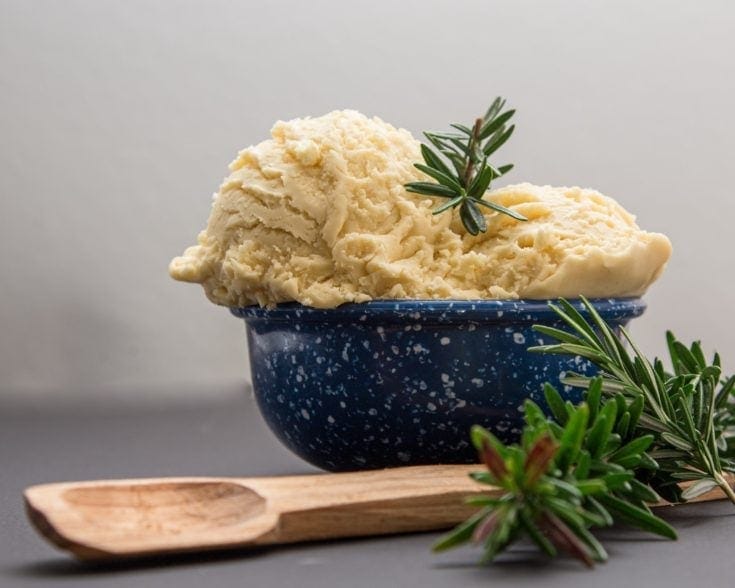
Garlic, Chives, Parsley, and Dill
Garlic is toxic to dogs. Garlic is a member of the same plant family as chives and onions, which also shouldn’t be fed to canines in large amounts.
Ingested garlic can change the shape of the red blood cells in a dog and make the cells more likely to rupture. The ruptured red blood cells lead to less oxygen transportation in the blood. This is known as hemolytic anemia. The signs of garlic poisoning include nausea, panting, drooling, gastrointestinal distress, weakness, and increased respiratory rate.
Parsley is also listed as toxic for dogs by the ASPCA. If consumed in large amounts, it can make dogs susceptible to sunburn dermatitis. However, it is unlikely that mashed potatoes would include large quantities of it, as it is usually only added as a garnish.
Dill is safe for dogs, so you do not have to worry about this aromatic garnish.
Nutritional Value of Potatoes
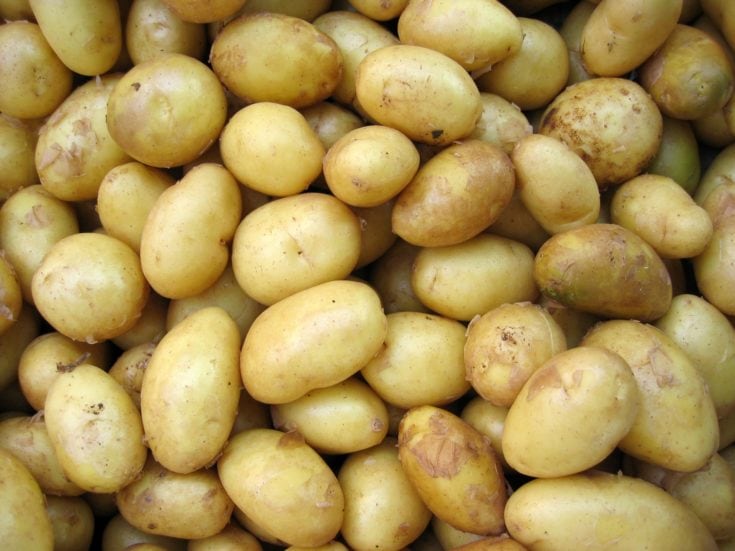
Potatoes are mainly a source of carbohydrates with a few proteins. They contain some fiber, which can help your dog’s digestive system. They can also provide some micronutrients to your dog, and these include potassium and choline.
Too Many Carbohydrates
Dogs are facultative carnivores, which means that they have adapted to ingest and benefit from various ingredients, including carbohydrates, alongside their mainly meat-based diet. However, feeding them too many carbs can lead to problems with obesity and secondary health issues, such as diabetes, arthritis, and a lower life quality.
So, feeding them mashed potatoes only in moderation is key.
A Word of Caution About Raw Potatoes
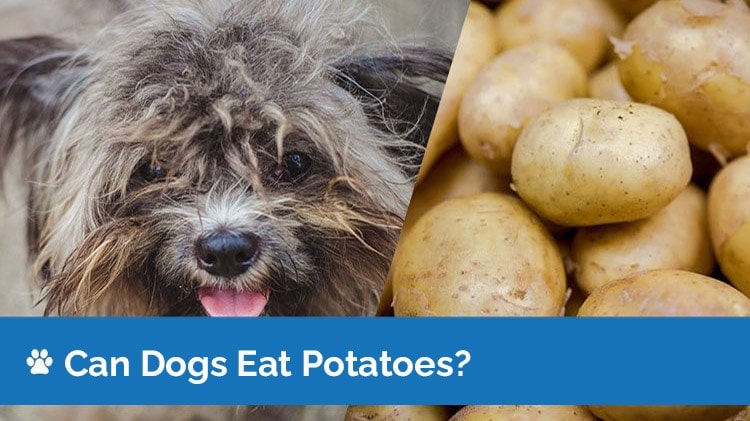
One thing to remember is not to feed your dog raw potatoes. These contain a substance called solanine, which can be toxic to dogs. When ingested, it can make a dog begin to show signs of food poisoning. Signs of solanine poisoning are depression, hypersalivation, and heart problems

Final Thoughts
In short, yes, it’s okay to feed your dog mashed potatoes, but it would be best to offer them as a treat only. The cooking process rids the potatoes of the toxins found in their raw form. Potatoes, in general, are nutritious to dogs, but not in large quantities because of the number of carbs. Just be careful of the extra ingredients that you add to your mashed potatoes.
Avoid garlic, excessive amounts of salt, and dairy products like milk, butter, and sour cream.
See Also:
Get Hepper In Your Inbox


Pet care tips from our vets and experts, straight to your inbox.
You may opt-out at any time. View our Privacy Policy for more information.
Nicole is a lover of animals of all sizes but is especially fascinated with the feline variety. She’s the proud mom of Baby, a Burmese, and works every day so he can relax in the sunshine or by the fire. She’s always had a cat in her home and has spent countless days with others, observing behaviors and softening up even the grouchiest of the lot. Nicole wants to share her kitty expertise with you so you and your cat can live happy, healthy, and care-free.
Join the conversation
Ask a question, share your story, or send private feedback.