Hepper is reader-supported. When you buy via links on our site, we may earn an affiliate commission at no cost to you. Learn more.
Can Dogs Eat Salsa? Vet Reviewed Health & Safety Facts


In this article
It can be a real struggle to keep your food to yourself when you have a dog in your life. Their cute faces are difficult to say no to, and we might think we’re being nice when we share a snack with them. But when it comes to human food, you have to be careful because some are not just unhealthy but also deadly. You should never share salsa with your dog, no matter how large its eyes get or how cute that little face is.
Salsa is low in calories and contains potassium and B vitamins, so understandably, you might think this is something your dog could benefit from. Unfortunately, salsa is the perfect example of how something that is healthy for humans is the opposite for your pet dog. So, whether you like your salsa spicy or mild, please keep it away from your dog.

What Makes Salsa a Bad Choice for Your Dog?
Salsa contains ingredients that are safe for dogs, like cilantro. Even tomatoes are acceptable, but unripe tomatoes are toxic for dogs.1 However, other components included in salsa should always be avoided, like onion and garlic. Even in small quantities, these ingredients can pose a health risk to your dog.
But let’s take a closer look at the individual ingredients to give you a better understanding of why salsa should be avoided.
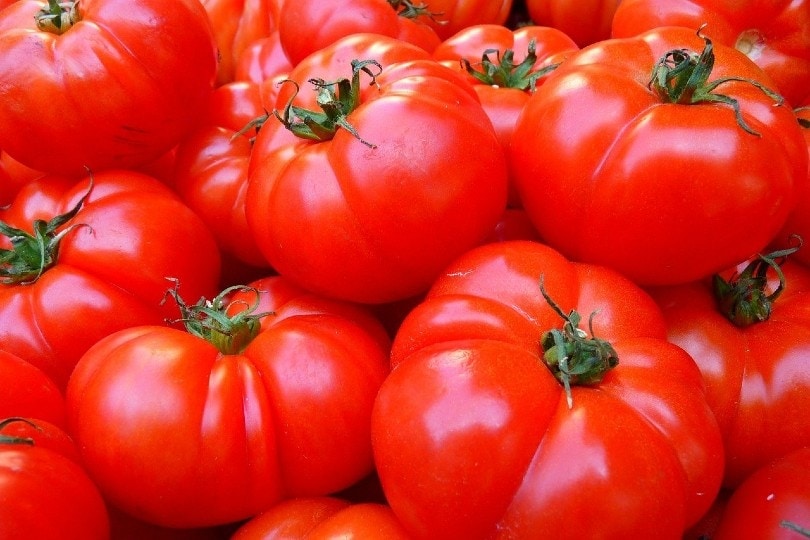
1. Tomatoes
As we’ve said, ripe tomatoes are safe for dogs to eat. So, as an alternative, if you want to give your dog something to make them feel like you’re eating the same thing, you could slice up some fresh, ripe tomatoes, and they’ll get to enjoy the vitamins that tomatoes have to offer.
2. Garlic and Onions
Whether they are in cooked, raw, or powdered form, onions and garlic should never be shared with your dog. Both contain chemicals that result in damage to red blood cells and cause them to break down, which can lead to anemia.
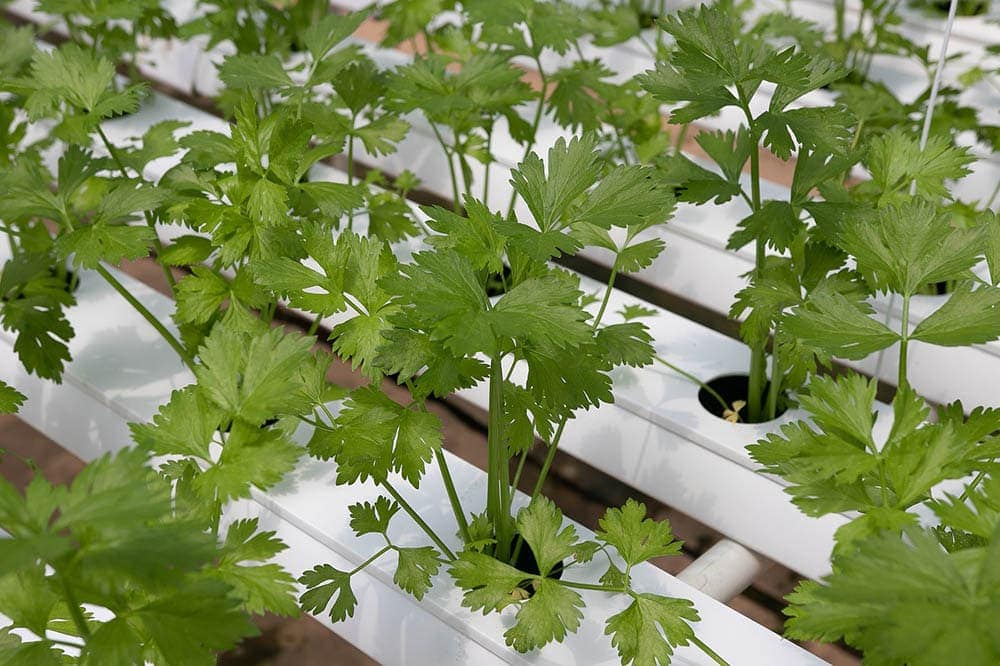
3. Cilantro
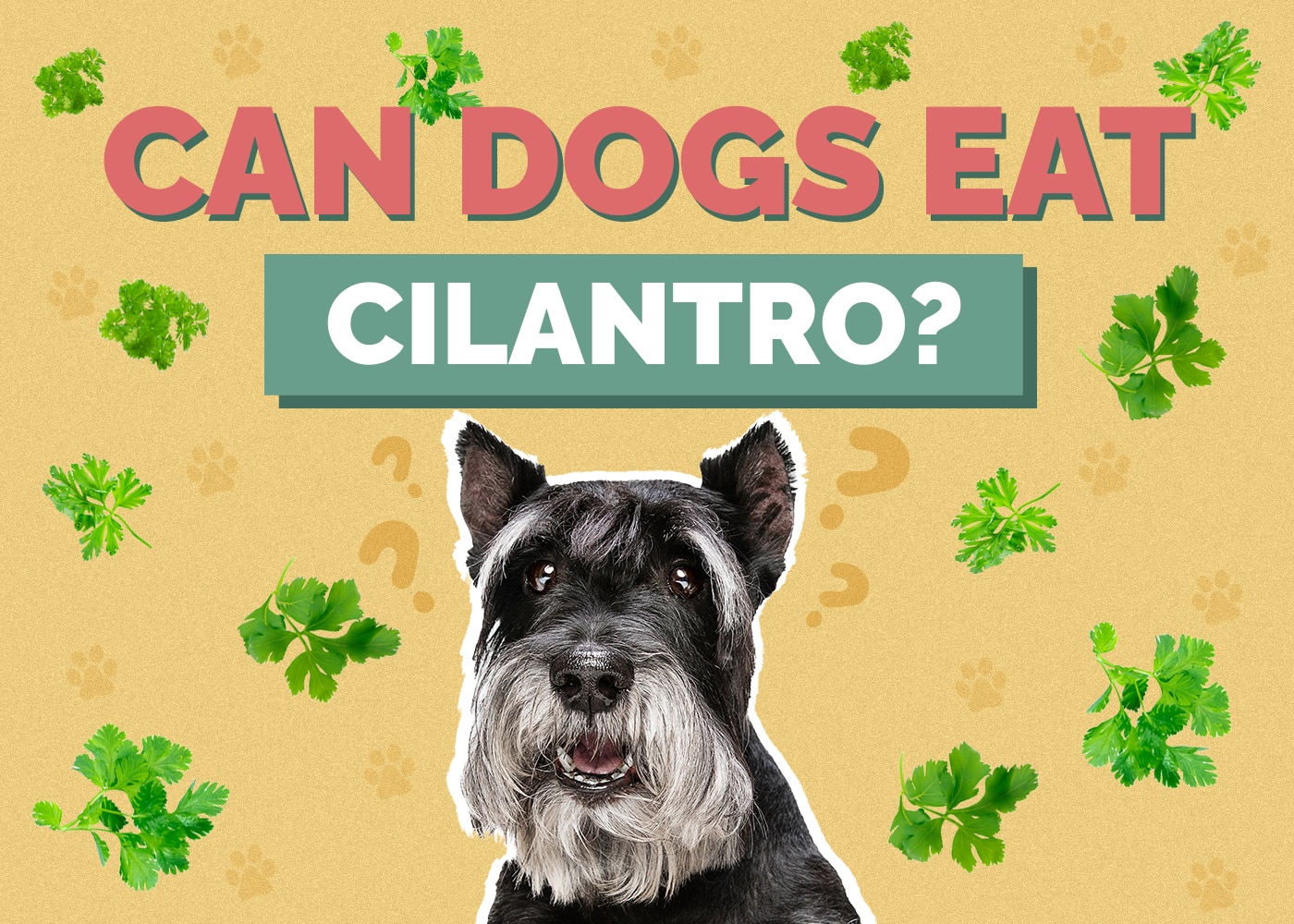
Cilantro adds fantastic flavor to salsa, and it’s actually something your dog can enjoy too.2 It can be added to your dog’s diet in small quantities, but only use the leaves and avoid the stems. Cilantro is touted as a natural antibacterial and also contains antioxidants. Dogs don't always like the taste of cilantro, which is why it’s best to add it to their food.
4. Lime Juice
Chemicals in lime juice can be harmful to your dog and cause stomach pain and an upset stomach. Your dog will probably not like the tart taste of lime juice, and its digestive system can’t quite deal with the acidity or sourness.
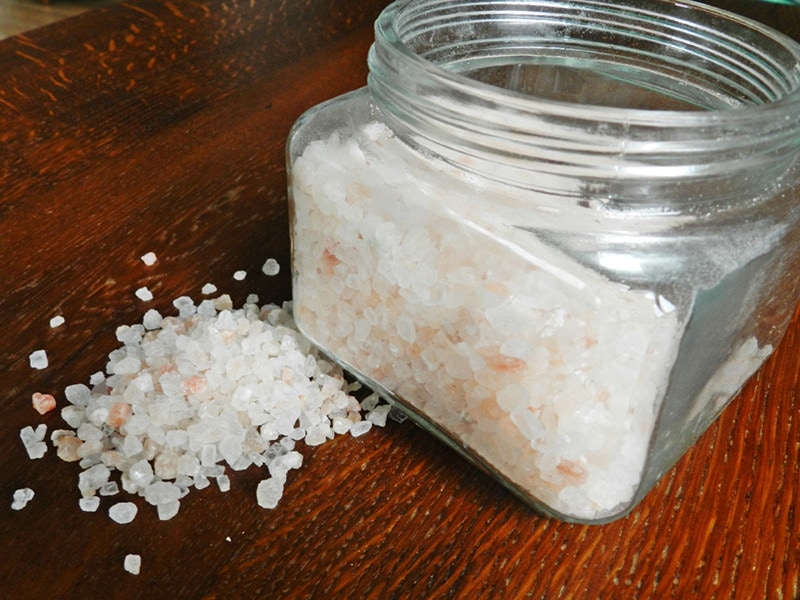
5. Salt
Salt is added to human food to favor it. Too much salt in your dog’s diet could lead to salt toxicity. Your dog will get what it needs in terms of salt intake from its diet, so there is no need to add more.
6. Jalapeño
Salsa generally isn’t good for your dog, but it can be even worse if you like spicy salsa. Dogs don't enjoy spicy food, and that should really be reason enough for you to keep jalapeños away from your dog. While they aren’t toxic to dogs, the heat can be disruptive to their digestion and painful. It can cause cramps, an upset stomach, and vomiting.
What Do I Do If My Dog Eats Salsa?

Typically, dogs don't like the taste of salsa, so it probably isn’t something you need to worry about being snatched off the table when you aren’t looking. But accidents happen, and your dog might eat it because you are.
Signs of an adverse reaction can be either mild or severe depending on how much salsa your dog has ingested and the recipe that makes up your salsa. If it’s particularly heavy on garlic and onions, the signs may be more severe. You might notice these signs 24 hours after ingestion:
Signs of anemia are lethargy and trouble breathing, which could occur 1 to 5 days after eating onion or garlic. Very rarely, onion and garlic poisoning can cause seizures.
If you see your dog eat salsa, carefully observe its behavior. If you notice any of the previous signs or have any concerns, head to your veterinarian as soon as possible.
Final Thoughts
Unfortunately, salsa is one of those human foods that you simply can't share with your dog. So, next time you have nachos with friends, it might be worth getting in a yummy dog treat so your dog won't feel so left out. There are some ingredients in salsa that your dog can enjoy, but it’s best to check with your vet before altering your pet’s diet. Too much of anything, after all, can become a bad thing.
Get Hepper In Your Inbox


Pet care tips from our vets and experts, straight to your inbox.
You may opt-out at any time. View our Privacy Policy for more information.
Kerry-Ann lives in Scotland and wishes her garden was bigger so she could have her very own Highland cow. But her dogs probably wouldn’t like that very much. She has a La Chon called Harry who was poorly with a liver shunt when he was a puppy. It wasn't likely he would make it into adulthood, which was difficult, but he beat the odds and is a healthy old man now. She also has a Pug called Maddie who is a big foodie. She’s small, sassy, and every day she finds a new way to mess with her brother.
When she isn’t writing you can find Kerry-Ann going for long walks when the weather isn't bad, reading, or watching cartoons when she should be tidying her house. She would one day like to be a tourist in her own country and travel through the Highlands with her family.
Join the conversation
Ask a question, share your story, or send private feedback.