Hepper is reader-supported. When you buy via links on our site, we may earn an affiliate commission at no cost to you. Learn more.
Can Dogs Eat Cilantro? Vet-Verified Nutrition Facts & Safety Guide



In this article
It is a normal occurrence in most pet households to want to feed your dog a treat or let them sample a bit of our food. Unless they are on a specific prescription diet or low-calorie diet, this is usually fine to do with non-toxic foods and in moderation. It is wise, however, to check if the said ingredient or food substance is safe for your dog to eat, particularly if it is a “human food.”
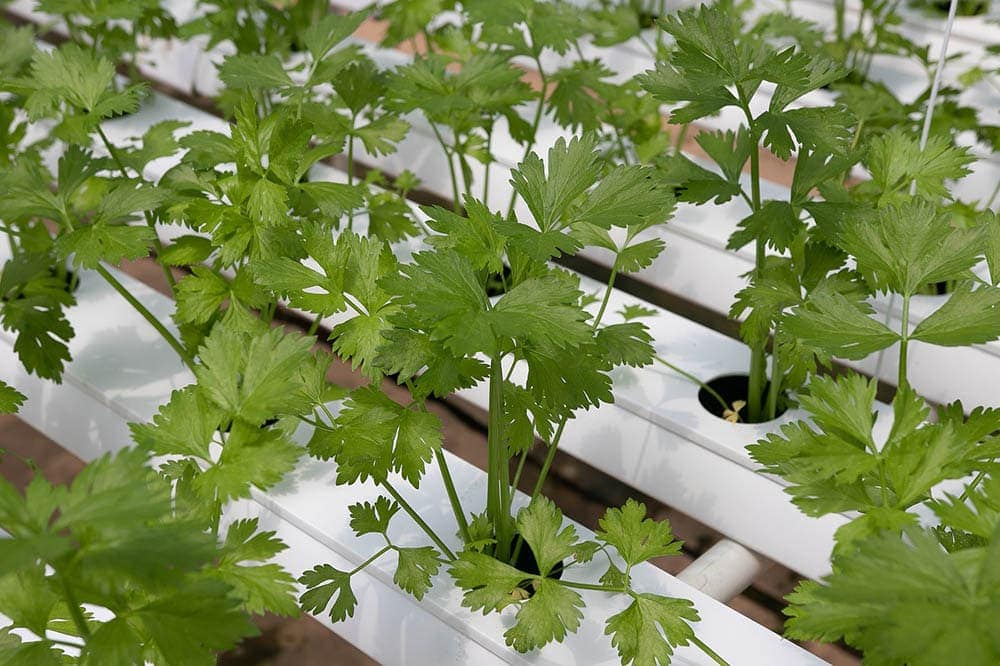
Cilantro, also known as coriander and Chinese parsley, is used in many types of dishes and as a garnish across the world, and you may wish to extend the same to your dog. It is good news, then, that cilantro is non-toxic to dogs and it is safe to feed them this nutritious plant in small quantities.

What Is Cilantro?
Cilantro is an herb belonging to the Apiaceae family and is now widely cultivated across many countries but is native to the Mediterranean and the Middle East. It is a well-known herb used often as a garnish on a range of dishes. For example, it is commonly used in curries, on tacos, and in Chinese dishes. It has a distinct flavor that not everyone enjoys, but this is not to say your dog won’t! If you find they don’t like the taste, opt for another safe veggie instead.
All parts of cilantro are safe, but it is the leaves and seeds that hold most of the benefits.
Benefits of Cilantro
Cilantro is a healthy snack, as it contains good levels of vitamin A, vitamin C, potassium, and magnesium and is low in calories. It is suggested that it improves the smell of your dog’s breath. Please note that a proper home dental regime still needs to be in place, as feeding cilantro to your dog does not replace dental and oral care.
Along with providing antioxidants and fresher breath, cilantro can also help your dog's digestion and gastrointestinal tract. Anecdotally many comment on its use for nausea and for travel sickness as well, which may be helpful to some pet parents.
One hundred grams of cilantro provides the following:
Can Cilantro Be Bad for My Dog?
There aren't usually too many negative aspects regarding feeding cilantro in moderate amounts to your pooch. It is non-toxic to dogs (all parts of the plant), so it can safely be eaten, and, as it turns out, may provide a few benefits for them.
However, as with any plant-based food, dogs aren’t always used to these foods, and they may cause gastrointestinal issues (upset tummies) during the digestion process. If you notice any of the following signs, stop feeding them cilantro and check in with your veterinarian.
How to Feed Cilantro to Your Dog
While dogs are not required to be fed cilantro or any extra snacks, as they should be obtaining all their nutritional requirements from their daily diet, if you wish to add a garnish to their food, cilantro is acceptable. As with any alien food to them, start offering it in small amounts (a leaf or two) and then increase the amount only when you know they like it and tolerate it well.
Only feed your dog the leaves. The stems, while safe for them to eat, tend to be more difficult and uncomfortable for them to digest, thus producing some of the signs mentioned above. Feeding too much or too frequently may also produce digestive disruption. Before feeding any to your pup, be sure to wash this plant thoroughly.
Ways to Serve Cilantro to Your Dog
- As a garnish on their dinner
- As an ingredient in homemade treats
- On its own

Summary
Cilantro is non-toxic to our canine companions and may even have some health benefits. If your dog likes the taste and can tolerate this green plant, then go ahead and add a little to their daily food. There are many other options of safe human foods to also offer if this herb doesn’t suit them.
However, always feed your dog a complete canine diet and only offer extras and treats in moderation. In general, it’s always best to check with your vet before adding new ingredients to your dog’s diet.
Related Reads:
Get Hepper In Your Inbox


Pet care tips from our vets and experts, straight to your inbox.
You may opt-out at any time. View our Privacy Policy for more information.
Annaliese began her career as a veterinary nurse in Edinburgh, later advancing her qualifications with a diploma in advanced veterinary nursing in surgery from London. Her work in small and mixed veterinary practices led her to become a head nurse, where she trained other veterinary nurses, managed the nursing department, conducted nurse clinics, and developed new patient care protocols.
Throughout her career, Annaliese has cared for thousands of patients and their owners, setting higher standards in nursing regimes with a focus on surgery and anesthesia. She co-authored multiple veterinary nursing textbooks and contributed to various mainstream publications in the UK and USA. After more than twenty years in the veterinary and pet care professions, she retired from clinical practice to pursue full-time writing. Having cared for thousands of patients and owners, Annaliese specialized in surgery and anesthesia. She was asked to co-author several veterinary nursing textbooks and contributed to a number of other publications in the UK and USA. After more than two decades in the veterinary and pet care industries, she retired her scrub suit and now works as a full-time writer.
Annaliese Morgan has been a dedicated veterinary nurse for over two decades, having completed a diploma in advanced veterinary nursing in surgery from London and qualifying from Edinburgh. Her professional experience includes managing a nursing department, training other veterinary nurses, providing patient care, and running nurse clinics in both small and mixed veterinary practices.
As an expert in surgery and anesthesia, Annaliese has treated thousands of patients and owners. In addition to being asked to co-author multiple veterinary nursing textbooks, she has written for a variety of publications in the UK and USA. After a long and successful career in the veterinary and pet care professions, Annaliese now dedicates her time to writing full-time. You can find out more about her work at www.annaliesemorgan.com.
Join the conversation
Ask a question, share your story, or send private feedback.