Hepper is reader-supported. When you buy via links on our site, we may earn an affiliate commission at no cost to you. Learn more.
Can Dogs Eat Cumin? Vet-Approved Nutritional Info


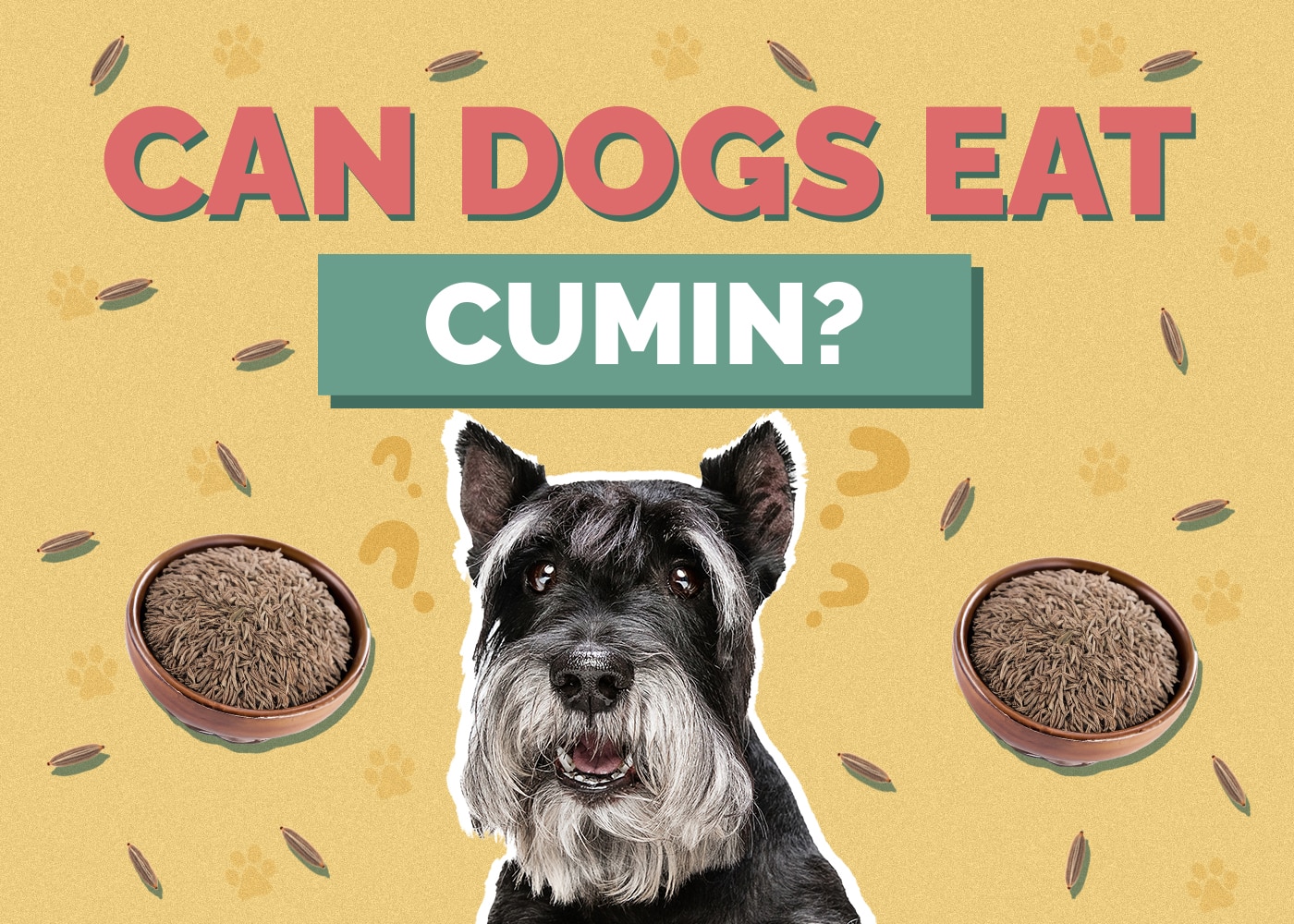
Cumin is a popular spice that can be found in many pantries and kitchens. It is in many healthy recipes and natural home remedies and is famous for its health benefits. It's safe and healthy for humans to eat, but what about dogs? In small doses, cumin is generally safe for dogs to eat.
While the jury is still out on its health benefits for our canine companions, it’s not toxic like other spices. Any real health benefits are questionable at best because cumin must be served in small doses. Regardless, it’s important to understand what cumin is and how much of it is safe for your dog to eat.

Can Dogs Eat Cumin?
Yes, dogs can eat cumin in small portions. Adding cumin to your dog’s diet is okay in small amounts, but it can cause indigestion and other gastrointestinal issues if too much has been consumed.
The seeds and powder are safe, so don’t panic if your dog has stolen a piece of your dinner containing cumin. Some premium dog treats may also have added cumin for potential health benefits, so it’s considered a safe spice for dogs.
What Is Cumin?
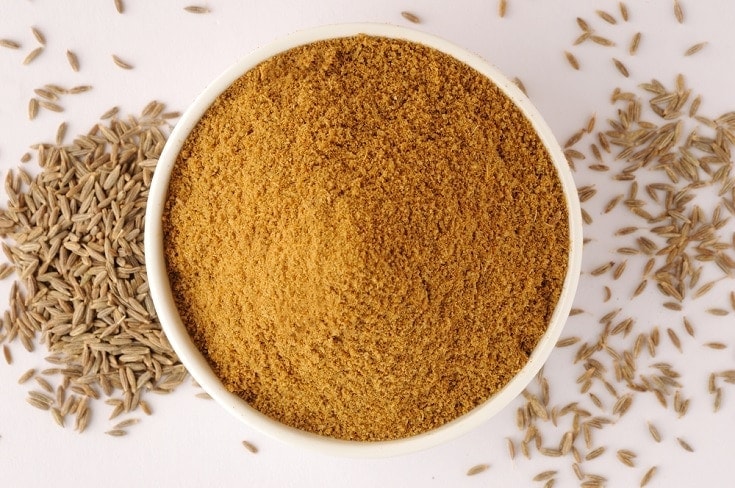
Cumin is a spice that comes from the seeds of a flowering plant in the parsley family. The seeds are dried and ground up to a fine powder, which can be used for cooking and home remedies.
Cumin is rich in multiple vitamins and minerals, and humans can eat it in large doses, so it's considered one of the healthiest spices available. It's also rich in flavor and has a distinct taste, which may need to be acquired for those not used to it.
Is Cumin Good for Dogs?
Cumin is one of the healthier spices available, but the purported health benefits for dogs are still debatable. While it's safe for dogs to eat, the small amounts they can eat may not be enough to be beneficial. Too much cumin will cause an upset stomach or excessive gas, so any benefits go out the window.
In terms of animal studies, the benefits of cumin were demonstrated in mice with renal issues; however, it is not clear whether these results apply to dogs (or other pets). Similar benefits have been noted in humans in studies, but dogs might not benefit similarly.
Health Benefits (or Risks) of Cumin for Dogs
Cumin is a superfood for humans because it's rich in iron, magnesium, calcium, and multiple vitamins, including B6. While it benefits humans, the question is whether it will benefit your dog. Because of their inability to eat larger portions of it, any health properties may not affect your dog.
A teaspoon of cumin is the recommended amount to gain benefits (for humans), but your dog may not be able to digest a full teaspoon comfortably. However, here are some possible health benefits of feeding cumin to your dog:
There aren’t many proven health benefits of feeding cumin to your dog. Unless your vet prescribes it, you’re better off using supplements. Larger doses of cumin can make your dog sick and lead to gastrointestinal issues, gas, and diarrhea.
It's not recommended for dogs with sensitive stomachs or multiple food allergies since cumin can cause moderate digestive discomfort and excessive gas. Some dogs can also get nauseous from minute amounts, so it’s best to refrain from feeding it if your dog has a sensitive system.
Can Dogs Eat Cumin Seeds?
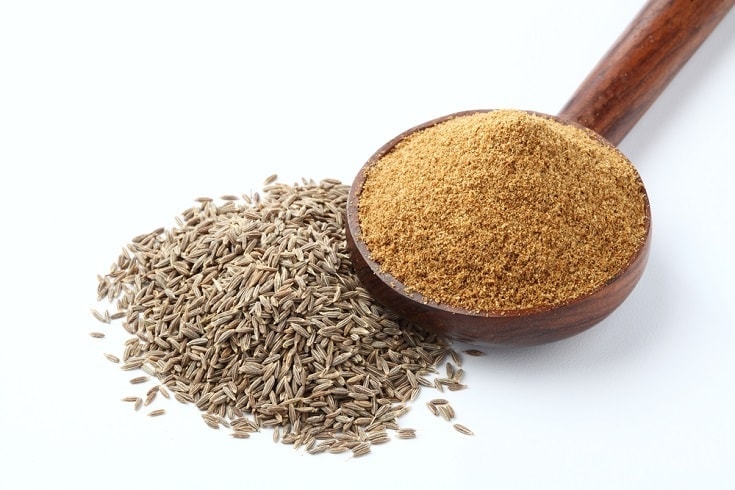
Yes, dogs can safely eat cumin seeds, but the seeds have bursts of flavor compared to cumin powder. Some dogs may not like that, while others may prefer it over cumin powder. It's important not to add too many cumin seeds to your dog's diet, and they must be portioned differently than cumin powder. For dogs with picky palettes, cumin powder might be a better option.
Can Dogs Have Cooked or Baked Cumin?
Yes, dogs can safely have cooked or baked cumin. While some spices can only be eaten raw or fully cooked, cumin can be eaten either way. Dogs are more likely to eat cumin inside a dog treat than sprinkled on their food.
If your dog’s stomach can handle it and you’re interested in the potential health benefits, homemade dog treats with cumin are a good option. Cooking human food with cumin is also safe if your dog decides to sample your dinner, as long as the other ingredients are safe for dogs.
Can Puppies Eat Cumin?
Puppies are constantly growing and changing, especially within the first few months. Their bodies are trying to adjust to their rapid growth, and their systems are sensitive, especially regarding digestion. Puppies have very delicate stomachs, so cumin is not recommended for them.
Most supplements and spices are generally not recommended for puppies until they're fully grown. If you have a puppy and want to add cumin to their diet, it's best to wait until adulthood.
Should I Give My Dog Cumin?
Giving your dog cumin may anecdotally give them an immune system boost, but it depends entirely on your dog's ability to digest it. If your dog's system can only handle minute amounts, you're better off finding other ways to benefit your dog's health.
If your dog has a sensitive stomach, cumin will probably cause more problems than anything else. If your dog's stomach can handle larger portions, adding cumin should not be an issue.
How to Prepare Cumin for Dogs:
Preparing Cumin for Your Dog
First and foremost, make sure you consult your vet before adding anything to your dog’s diet. Even though cumin may seem innocent enough, it’s best to clear it with your vet first. If you're unsure how your dog will handle cumin, it's best to serve small amounts and increase them over time.
There are many ways to prepare cumin for your dog: sprinkled over food, baked into homemade treats, mixed with wet food or dog-safe gravy, and taken as a capsule. As we said above, it’s crucial to take it slow and let your dog adjust to the new spice.

Conclusion
Cumin is one of the most popular spices and has been renowned for its health benefits. While it’s great for humans, dogs can’t consume nearly as much as we can. It is safe for dogs to eat in small portions, but they can have indigestion and other gastrointestinal issues if given too much.
Thankfully, it is not toxic like other spices are, especially garlic powder or onion powder. If your dog happens to eat cumin and a lot of it, there's no need to rush to the emergency hospital unless there are signs of an allergic reaction.
See also:
Featured Image Credit: SMDSS, Shutterstock
Get Hepper In Your Inbox


Pet care tips from our vets and experts, straight to your inbox.
You may opt-out at any time. View our Privacy Policy for more information.
Nicole is a lover of animals of all sizes but is especially fascinated with the feline variety. She’s the proud mom of Baby, a Burmese, and works every day so he can relax in the sunshine or by the fire. She’s always had a cat in her home and has spent countless days with others, observing behaviors and softening up even the grouchiest of the lot. Nicole wants to share her kitty expertise with you so you and your cat can live happy, healthy, and care-free.
Join the conversation
Ask a question, share your story, or send private feedback.