Hepper is reader-supported. When you buy via links on our site, we may earn an affiliate commission at no cost to you. Learn more.
Can Frogs Eat Fish Food? Vet-Verified Nutrition Facts & FAQ


In this article
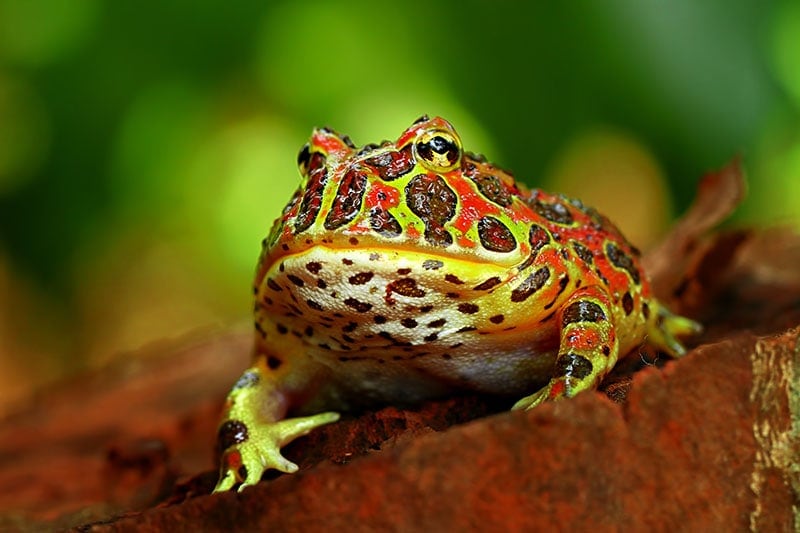
Frogs are fascinating and adorable amphibians that come in a wide variety of species and sizes. Because they are kept in aquarium/terrarium tanks, a common question about the care of frogs is: can frogs eat fish food? While it may be convenient to offer fish food as an alternative to pricier food formulated for amphibians, the answer is no frogs can't eat fish food. Dietary needs of amphibians and fish are very different.
Frogs require specific food to ensure their health and well-being, and unfortunately, fish food does not fit the bill. Fish food should not be given to frogs as either their main diet or a treat unless you're in a real pinch.
In this article, we will explore the dietary needs of frogs, their nutritional requirements, and learn about why fish food is not a suitable option for feeding them.

The Natural Diet of Frogs
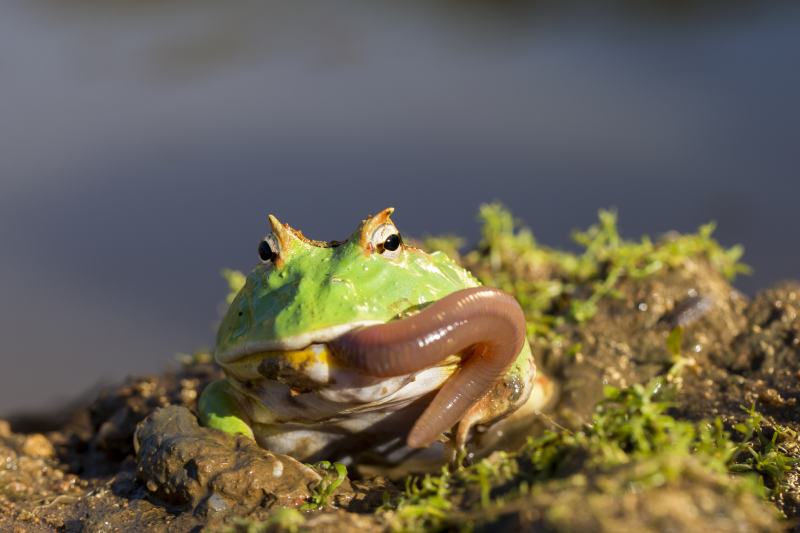
Frogs are carnivores, meaning they exclusively eat other animals. In their natural habitats (in and near freshwater), frogs are opportunistic feeders, which means they make their meals out of a wide variety of creatures. Most of the time, frogs munch on a diverse range of live insects and small invertebrates, particularly crickets, flies, grasshoppers, mealworms, earthworms, spiders, and various other arthropods.
Different frog species may have slight variations in their preferences, but in general, they are all insectivorous hunters. Some species may have more luck catching flying creatures, while others are more focused on what is crawling on the ground or swimming in the water. A frog’s body is adapted for catching and consuming live prey, with specialized tongues and powerful jaws that allow them to swiftly capture and swallow their food. Talk about fast food!
Frogs are also considered generalist feeders meaning they’ll go after any insect that can reasonably fit in their mouths. This is something to be mindful of when choosing food for your froggy; make sure it isn’t too big for them to hunt and consume without getting hurt or choking.
Is Fish Food Suitable for Frogs?
Fish food is, of course, formulated to meet the dietary requirements of our fishy friends. The majority of fish kept as pets are either herbivores or omnivores. While many fish foods contain some protein, they are not tailored to meet the specific needs of frogs. Frogs need a diet that is mostly high-quality protein. The protein content of typical flake and pellet fish food may meet the bare minimum that frogs need to stay alive, but prolonged consumption can lead to nutritional deficiencies and growth deformities.
Additionally, some fish foods contain ingredients that may not be suitable for frogs and could potentially harm their health.
If you’re in a pinch and have to feed your frog fish food, opt for the frozen varieties for carnivorous fish, that contain whole organisms like brine shrimp and bloodworms.
Risks and Health Issues
Feeding frogs with fish food on a regular basis can result in several health issues. The lack of essential nutrients and improper protein content in fish food can lead to malnutrition, weakness, metabolic bone disease and compromised immune systems in frogs. These conditions make frogs more susceptible to infections and diseases.
Furthermore, fish food is often in the form of pellets or flakes designed to float on the water's surface. While this is ideal for many species of fish, floating food is hard for frogs to consume effectively. This can lead to uneaten food particles polluting your tank’s ecosystem and affecting water quality, which can harm the overall health of the frogs and other inhabitants in the environment.
Nutritional Requirements of Frogs
Like any living organism, amphibians, like frogs, require a balanced diet to live their best lives. The building blocks of their diet include proteins, fats, carbohydrates, vitamins, and minerals. Protein is especially crucial for frogs' growth, development, and overall health.
Proteins play a vital role in building and repairing tissues, maintaining healthy skin and organs, and supporting the immune system. A diet deficient in protein can lead to stunted growth, weakened immune responses, and various health issues in frogs. Lipids and fatty acids are also important, while carbohydrates are only minimally necessary.
Providing a Balanced Diet for Frogs
To ensure the health and well-being of pet frogs, offer them a diet that closely resembles what they might hunt for in nature. Live insects such as mealworms, crickets, and flies are excellent sources of protein and essential nutrients for frogs. Variety is key when it comes to planning their menu; if you’ve been offering flies for a few days, switch to mealworms for the next couple of meals. This will keep your frog’s belly full of well-balanced goodness and make mealtimes enticing for them.
In addition to insects, some frog species might consume small fish, tadpoles, or even fruits and plants in small quantities. However, it's essential to research the specific dietary requirements of your frog species and consult with a knowledgeable veterinarian or herpetologist to create a well-balanced diet plan. If you have never kept an amphibian before, choose a species that will meet your needs and budget.
Supplementing Frog Diets
Giving your froggo a diverse range of live insects can be a challenge but it is definitely the best way to feed your frog. If you are in a pickle and haven’t got any live insects to feed, there are some commercial frog foods formulated specifically for amphibians that can be used as a supplement. However, these commercial foods are usually pellets which are not a natural form of food for a frog. If you can’t consistently provide live insects, it would be better to choose a different kind of pet.
Live insects should be gut-loaded (fed highly nutritious food items within 12-24 hours of being fed to your frog) as this will in turn make the feeder insects more beneficial to the health of your amphibian. Many frog owners also use a powdered calcium and D3 supplement in their pet’s diet by dusting the live insects with it before they are offered to the frog. Amphibians cannot synthesize carotenoids; therefore, they must be supplemented with a vitamin A source. Talk to a veterinarian and amphibian/reptile expert about which types of supplements your specific frog species might need.
Conclusion
Frogs are carnivorous amphibians that primarily rely on live insects and small invertebrates for their nutritional needs. While fish food may be convenient and inexpensive, it is not suitable as a regular diet for frogs due to its inadequate protein content and potential health risks. It is essential to offer your frog a balanced diet that closely resembles the type of food they would eat in the wild. Live insects are ideal and specialized commercial frog food can be used occasionally, in an emergency, to ensure that their nutritional requirements are met.
By offering them a proper diet, you can enjoy watching these amazing creatures thrive in their environments and live happy and healthy lives.
Sources
Featured Image Credit: Rizky Rahmat Hidayat, Shutterstock
Get Hepper In Your Inbox


Pet care tips from our vets and experts, straight to your inbox.
You may opt-out at any time. View our Privacy Policy for more information.
Nicole is a lover of animals of all sizes but is especially fascinated with the feline variety. She’s the proud mom of Baby, a Burmese, and works every day so he can relax in the sunshine or by the fire. She’s always had a cat in her home and has spent countless days with others, observing behaviors and softening up even the grouchiest of the lot. Nicole wants to share her kitty expertise with you so you and your cat can live happy, healthy, and care-free.
Join the conversation
Ask a question, share your story, or send private feedback.