Hepper is reader-supported. When you buy via links on our site, we may earn an affiliate commission at no cost to you. Learn more.
Are Frogs Reptiles? Vet-Approved Facts & Care Tips


In this article
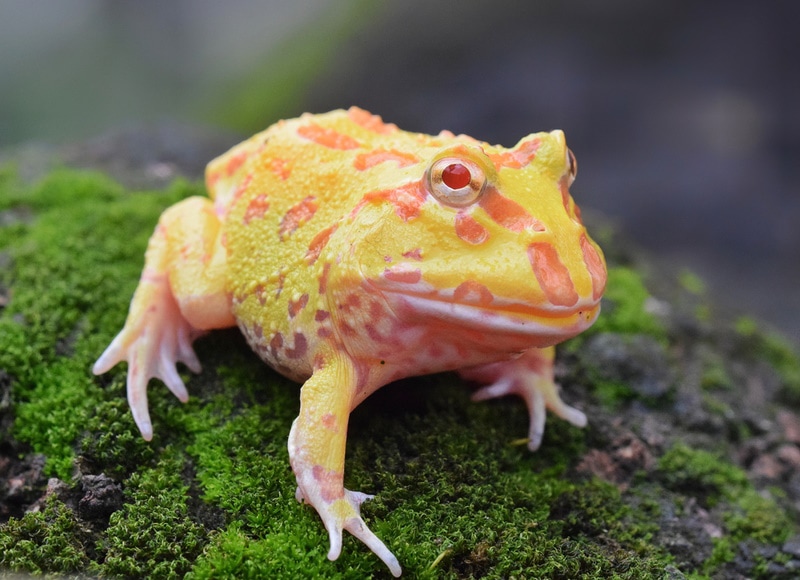
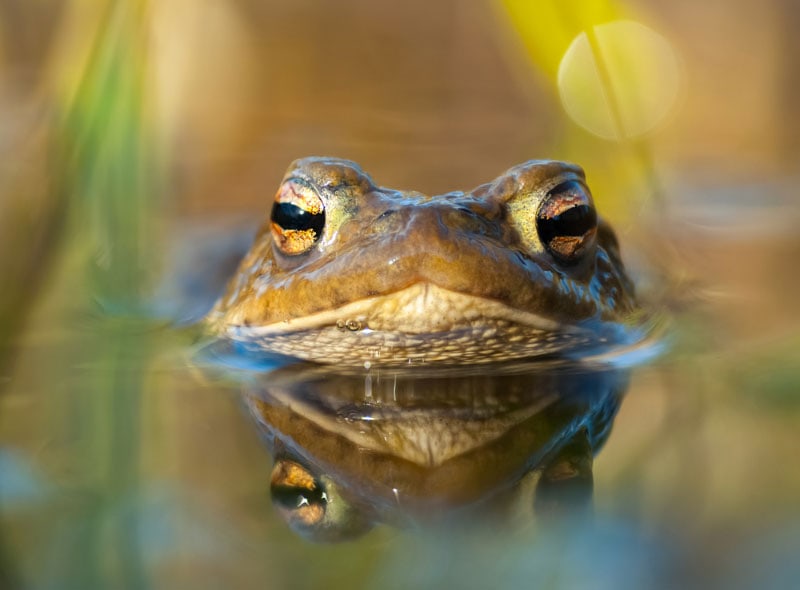
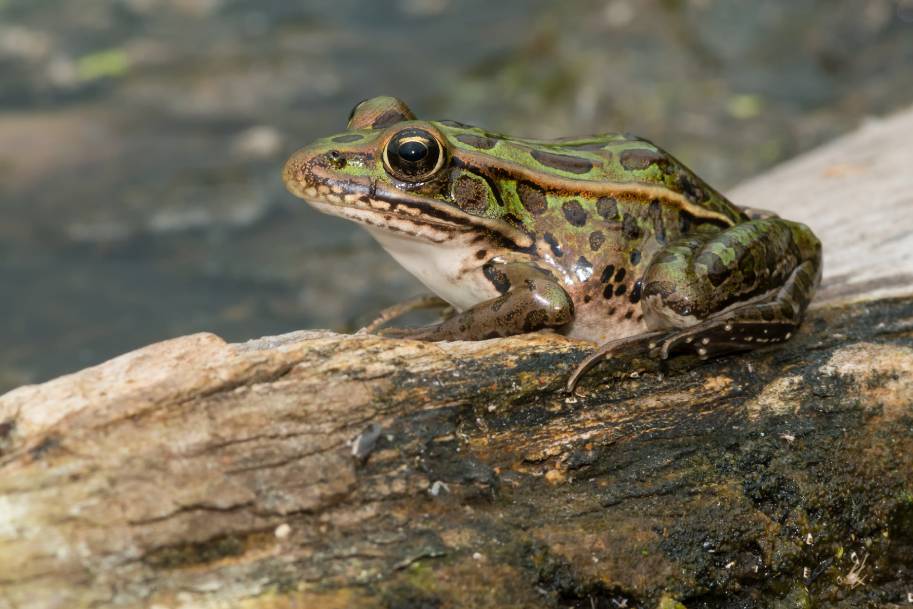
Many of us grew up learning about frogs’ amazing transformation from tadpoles to adults in science class. But does the unique biology and life cycle of these creatures make them reptiles? The answer is no. Frogs are not reptiles. They are classified under a different category of cold-blooded animals known as amphibians.
If you feel a little silly just learning this, don’t worry. It is a common misconception, and an understandable one, at that. To learn more about these awesome amphibians, join our discussion below.

Why People Often Confuse Frogs and Reptiles
A common mistake made by many people is categorizing frogs as reptiles due to some shared characteristics. Frogs and reptiles are both cold-blooded animals, meaning that they rely on the environment around them to maintain their body temperature.
They also lay eggs and live in similar environments. In addition, they are also vertebrates (they possess a spine). However, these shared traits are a result of their common ancestry, not a sign of their current classification. The distinctions between amphibians and reptiles, upon closer look, are quite stark.
Why Is a Frog Not a Reptile?
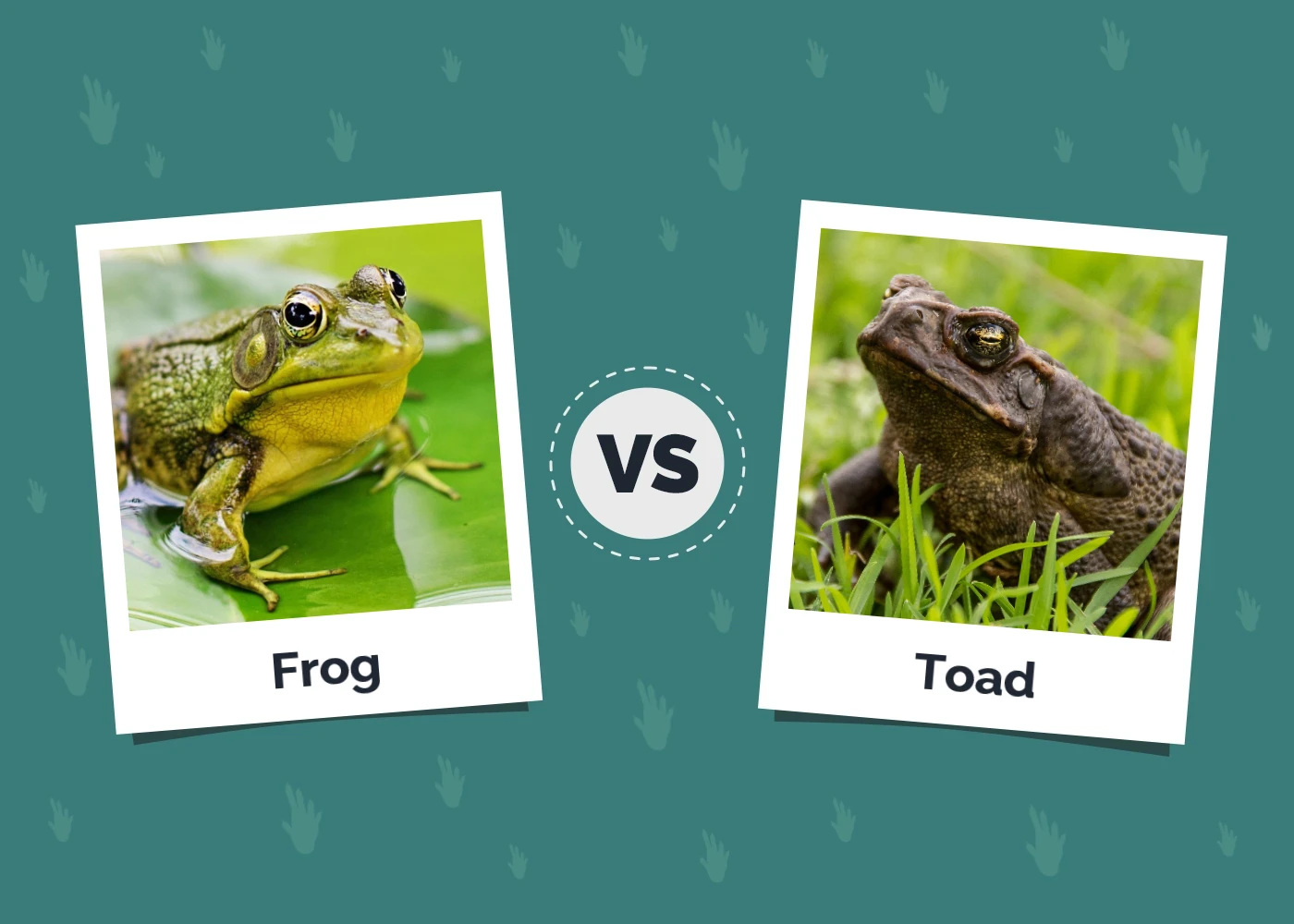
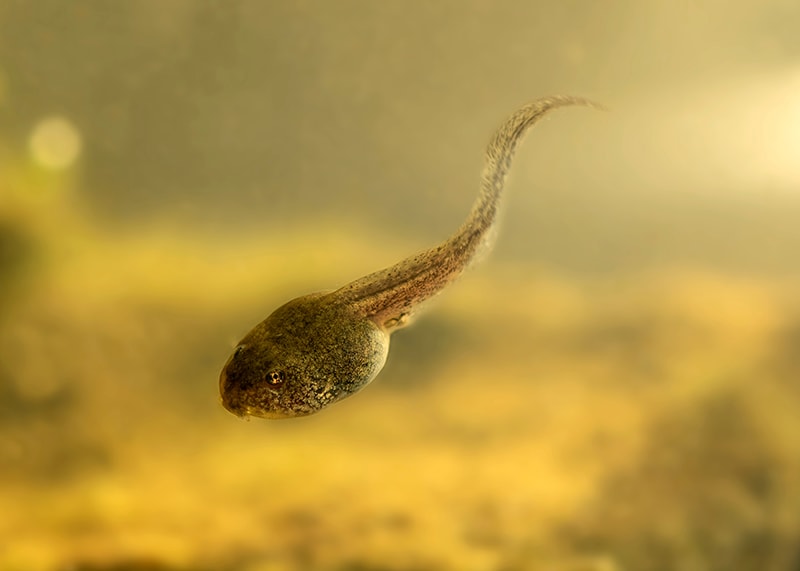
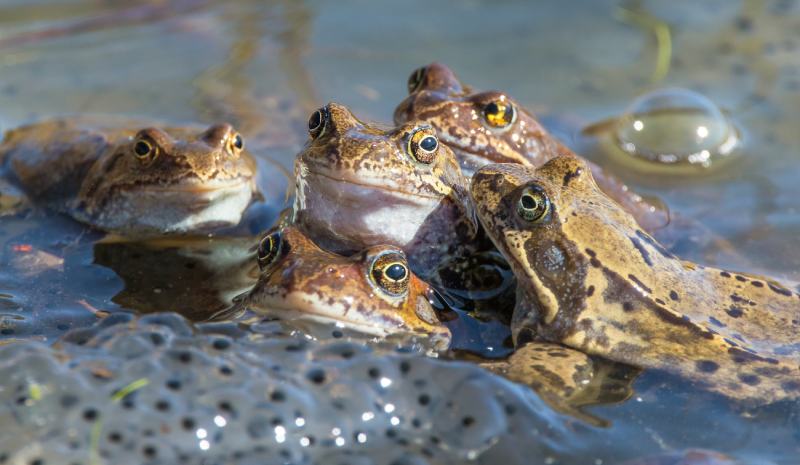
Amphibians, comprising frogs, toads, newts, and salamanders, have a distinct reliance on water for their life cycle. Frog eggs are laid in water and hatch into tadpoles, which breathe through gills like fish.
As tadpoles reach adulthood, they develop lungs and can survive on land. However, they require a nearby water source to keep their skin moist.
In what is perhaps the most striking evidence, the eggs that these creatures lay are vastly different. The eggs of amphibians are soft, whereas reptiles have hard-shelled eggs that can survive on land. This demonstrates their complete adaptation to land-dwelling life.
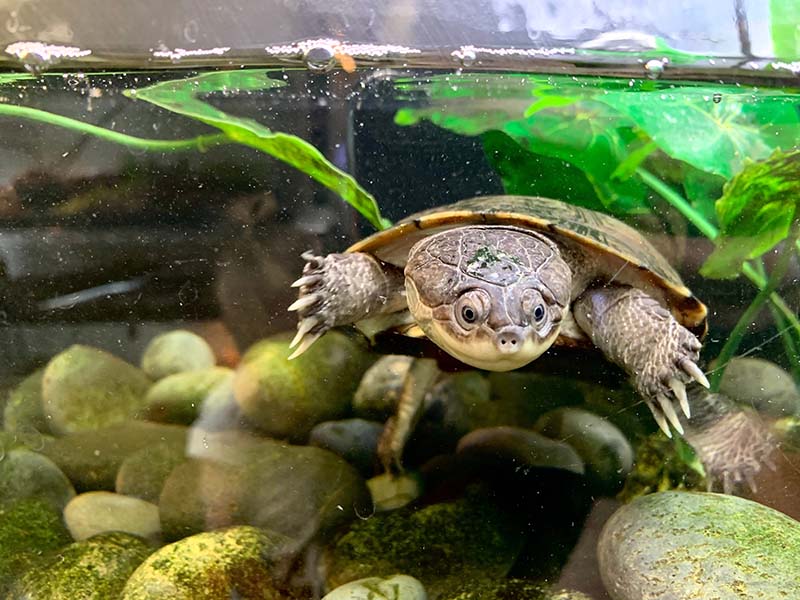
What’s more, reptiles—snakes, lizards, turtles, and crocodiles—have scaly skin. And this skin is quite unlike the moist, smooth skin of frogs. These reptiles also use lungs to breathe throughout their entire life cycle.
It is also important to point out that the skeletal and circulatory systems of frogs and reptiles differ. Did you know that frogs have a three-chambered heart? 1 On the other hand, most reptiles have a three-chambered heart too, but with a partially divided ventricle. This makes it almost four-chambered! 2
The skeletal structures of frogs and reptiles differ significantly, as well. Frogs have shorter, sturdier structures ideal for jumping, while reptiles have more flexible, elongated skeletons. Thanks to these attributes, they can crawl, climb, swim, and even fly in the case of certain lizards.
Tips on How to Keep Frogs as Pets: A Guide to Health and Safety
Given the unique needs of frogs, being well-informed is crucial for anyone considering them as pets. Here’s a handy guide to keep those delightful amphibians safe and healthy.
1. Choosing the Right Habitat
Frogs are sensitive creatures that need a carefully controlled environment. A well-maintained vivarium with the right temperature, humidity, and light settings is essential. Also, make sure the habitat provides plenty of space for the frog to move around and includes both land and water areas.
2. Proper Diet and Nutrition
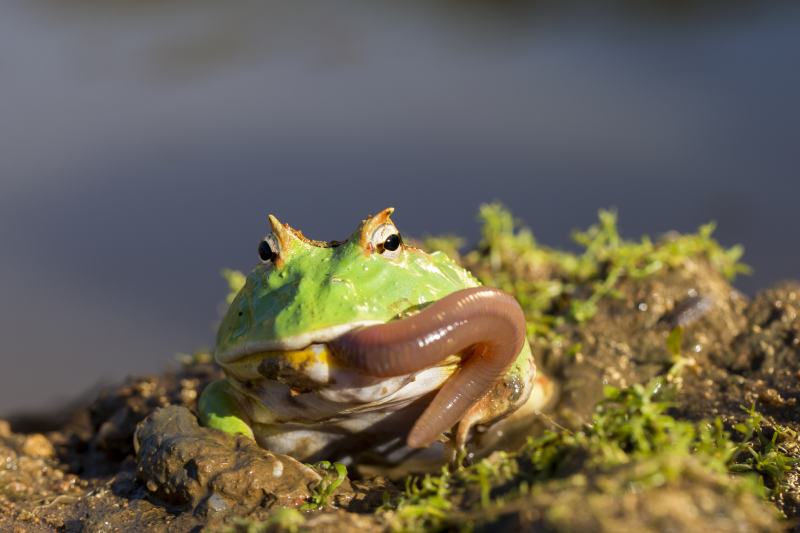
Feeding a frog the right diet is key to its health. Most frogs are insectivores and require a diet of fresh, live insects. Regularly feed your frog a varied diet that includes insects like crickets, mealworms, and fruit flies. Please note that if you buy your frog as a tadpole, then you will need a completely different diet. Tadpoles are herbivores and feed mostly on algae. Only adult frogs are considered true insectivores.
3. Regular Health Check-ups
Frogs are susceptible to a range of diseases. Regular health check-ups with a vet who specializes in amphibians are vital. It’s equally crucial to watch out for signs of stress or illness, including changes in color, appetite, or activity level.
4. Safe Handling Practices
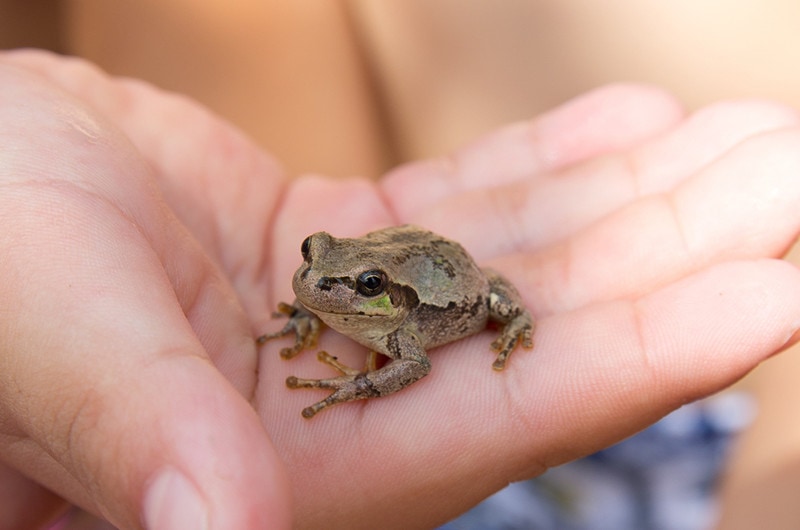
Frogs have delicate skin that can easily absorb harmful substances. Therefore, always wash your hands thoroughly before and after handling your frog. Also, handling should be minimal to reduce stress for the frog.
With these practical but important tips, you’ll be well on your way to raising and caring for your pet frog. There’s much more to learn about these incredible creatures, so be sure to seek out as much information as you can. You might be amazed at what you uncover!
Conclusion
As you have just learned, frogs are not reptiles but rather amphibians. The differences in the life cycle, skin type, and their respective physiological traits set these two categories of animals apart. Comprehending this fact not only clarifies a prevalent misunderstanding but also fosters a profound admiration for the vast array of life forms present on our planet.
Sources
Featured Image Credit: Opayaza12, Shutterstock
Get Hepper In Your Inbox


Pet care tips from our vets and experts, straight to your inbox.
You may opt-out at any time. View our Privacy Policy for more information.
Nicole is a lover of animals of all sizes but is especially fascinated with the feline variety. She’s the proud mom of Baby, a Burmese, and works every day so he can relax in the sunshine or by the fire. She’s always had a cat in her home and has spent countless days with others, observing behaviors and softening up even the grouchiest of the lot. Nicole wants to share her kitty expertise with you so you and your cat can live happy, healthy, and care-free.
Join the conversation
Ask a question, share your story, or send private feedback.