Hepper is reader-supported. When you buy via links on our site, we may earn an affiliate commission at no cost to you. Learn more.
What Do Toads Eat? Vet-Reviewed Diet Facts & FAQ


In this article
If you’re thinking about getting a toad as a pet, or maybe there’s one that’s taken up residence in your yard, you might be wondering what their diet consists of. Toads are carnivores, so they mostly eat small insects. In this article, we’ll outline what they like to eat in the wild and as pets, how they forage for food, and what to feed toads at different stages of their lifecycle. So, let’s get started!

Difference Between Toads and Frogs
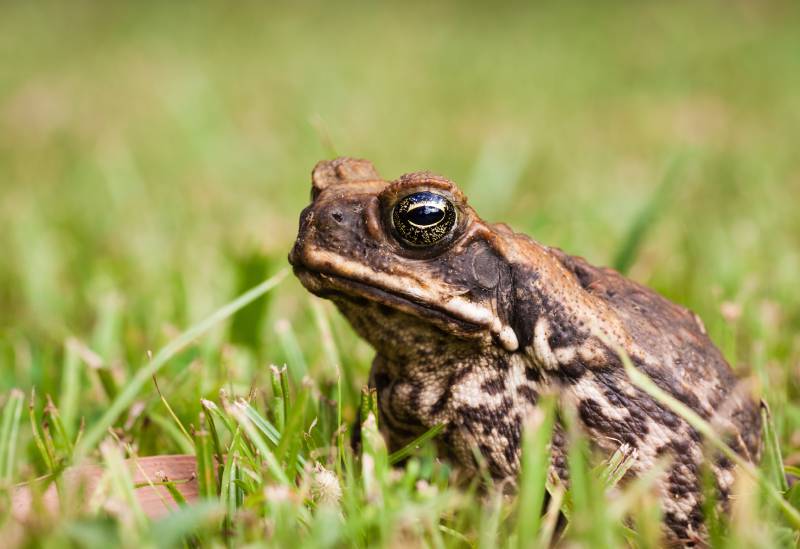
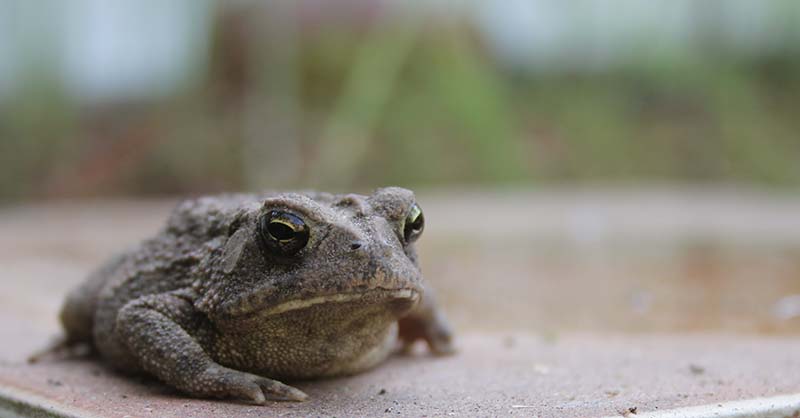
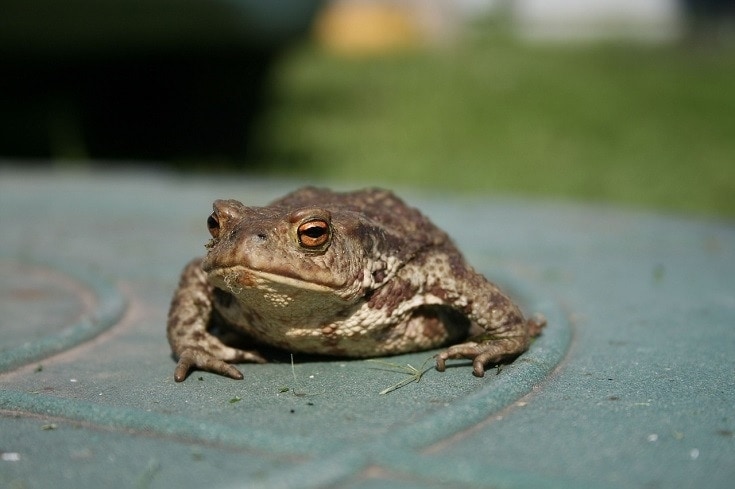
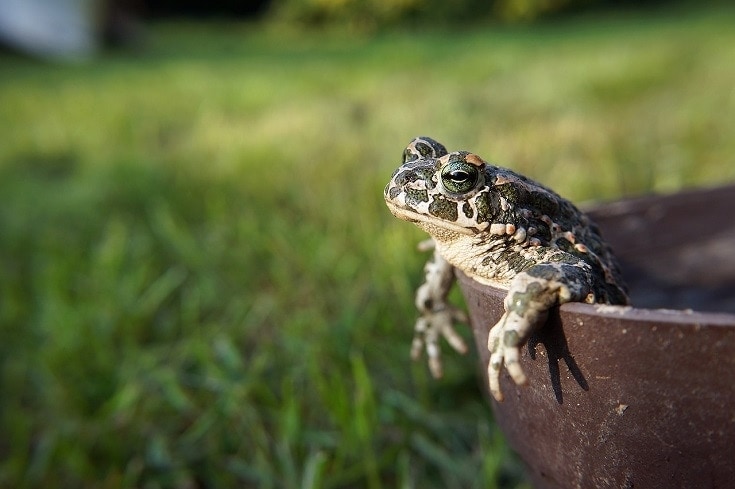
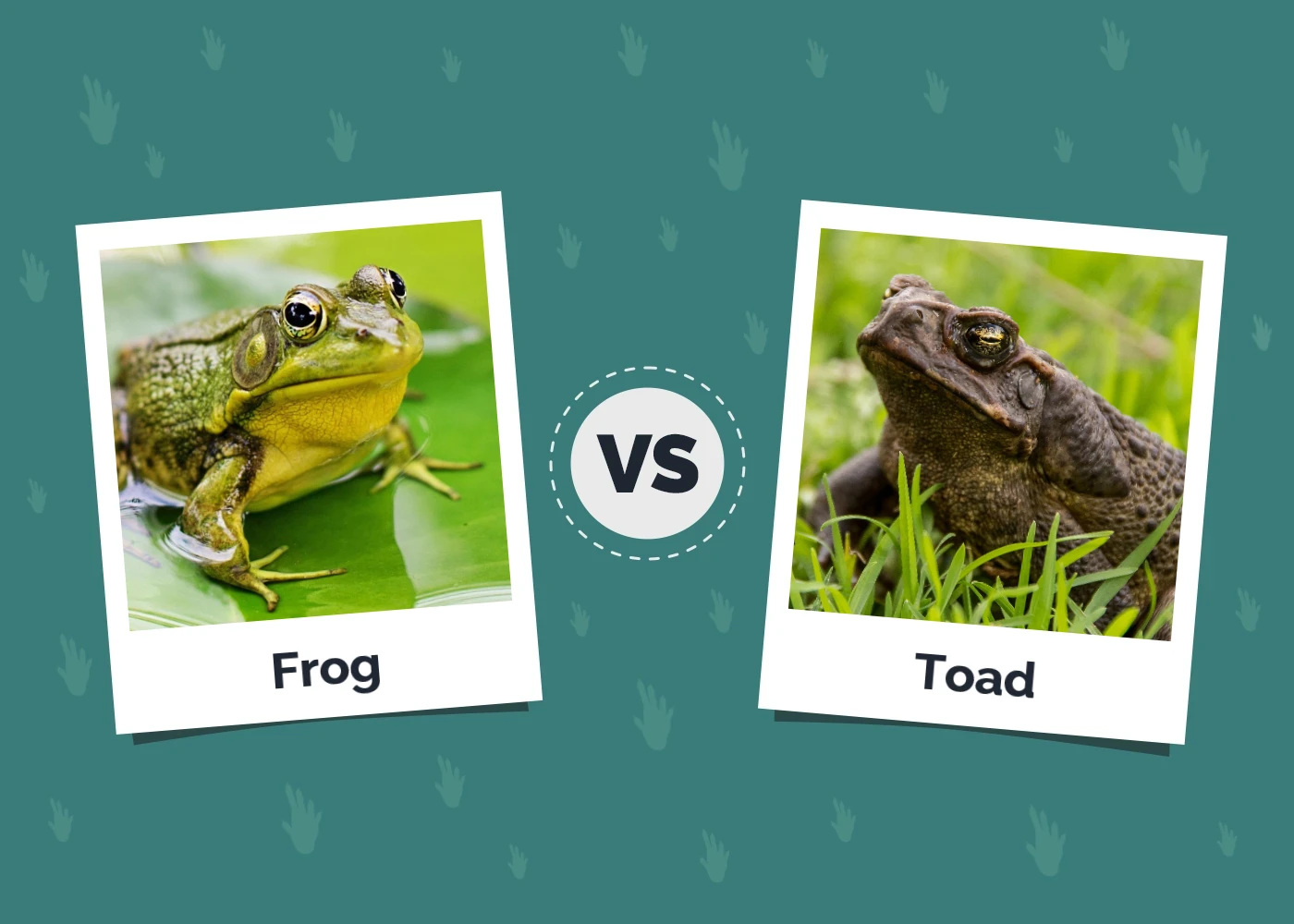
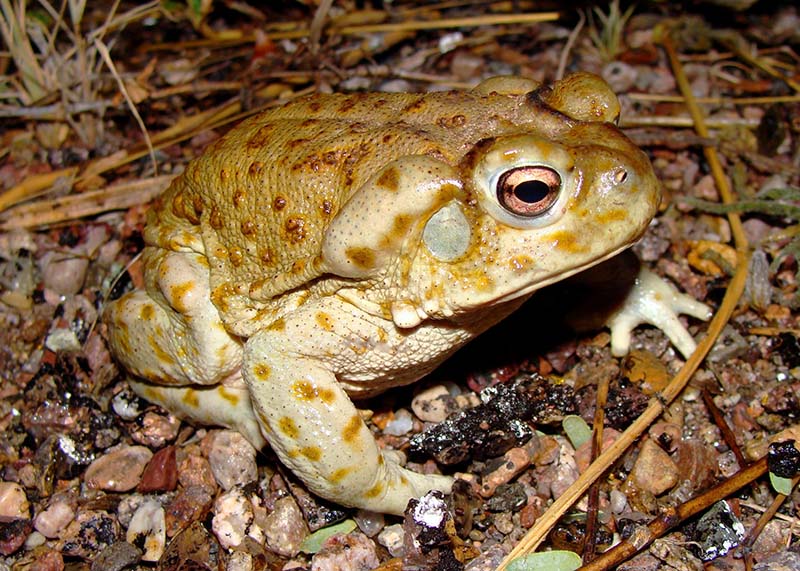
First, it surprises some people to learn that all toads are frogs, but not all frogs are toads. There’s also no definitive scientific distinction between frogs and toads, which can be confusing. But toads refer to frogs that come from the Bufonidae family.
They generally have leathery, drier skin than frogs, with shorter hind legs. Additionally, toads spend more time on land than frogs do. However, they are amphibians, and they require at least a large dish of water to soak in. Interestingly, toads don’t drink. Instead, they soak water in through their bellies.
What Do Toads Eat?
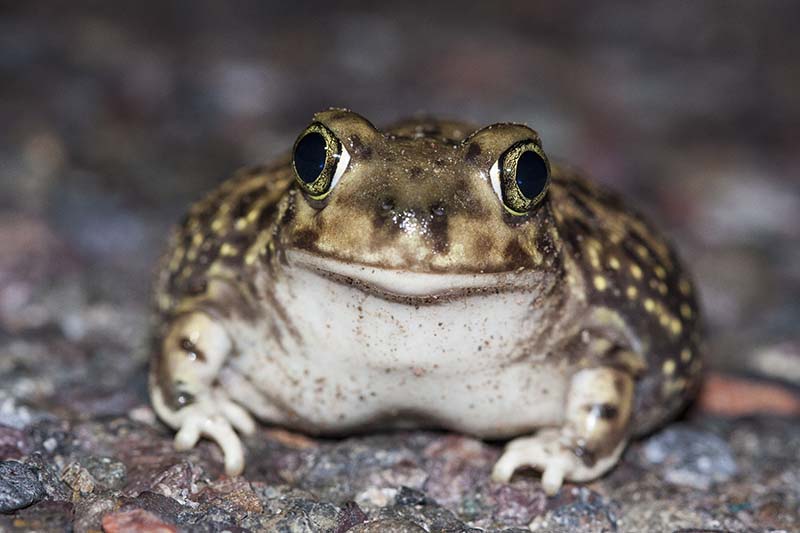
Toads aren’t particularly fussy regarding food, but their diet will depend on their species, environment, size, and age. In the wild, they’ll pretty much eat what they can catch, but that doesn’t mean they don't prefer certain foods over others.
Tadpoles
Baby toads, or tadpoles, are the only stage of life where a toad is not a carnivore. They are also aquatic and don't have fully developed lungs yet, so they are confined to the body of water they were born in. After hatching, a tadpole eats what’s left of the egg sack’s yolk; after that, they will live off aquatic vegetation like algae. Some species will eat other tadpoles, but it is rare and generally only happens if vegetation is scarce.
Juveniles
When a tadpole’s tail disappears and the legs have formed, they’re considered a juvenile toad. They will eat small insects since they don't chew their food and instead swallow it whole. They like to eat grain moths, mealworms, six-leaf rollers, and small earthworms. As they grow, their appetite increases, and they will expand their food range.
Adults
Adults will eat what they can find and what they can safely swallow. As they have long tongues and no teeth, they swallow everything whole. Toads are an excellent addition to the garden and will balance the ecosystem. Generally, adult toads are happy to eat:
- Beetles
- Centipedes
- Crickets
- Flies
- Slugs
- Snails
- Spiders
- Worms
Larger toads hunt rats and mice. Big toads can even eat reptiles like small lizards and snakes and have even been known to prey on amphibians, other frogs, fish, and small birds and their eggs.
How Do Toads Forage for Food?
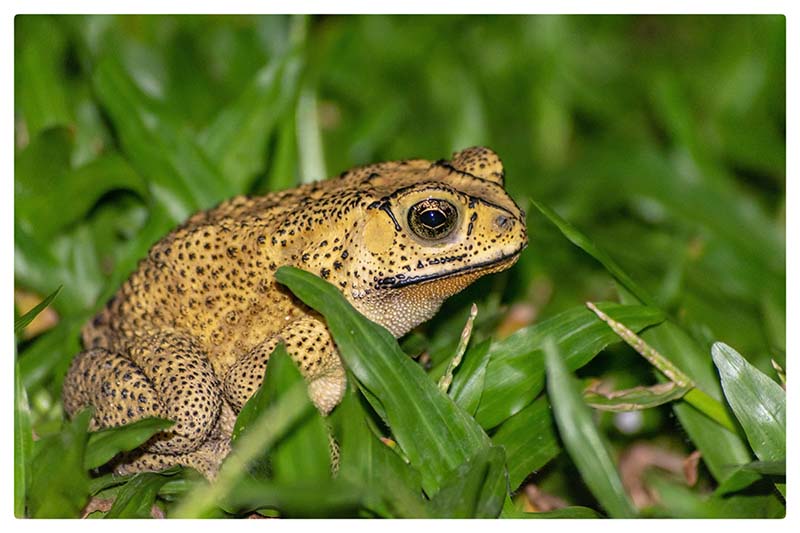
Toads use their senses to hunt for food and have a particularly keen sense of sight; they have fantastic night vision that is so acute that they can detect colors even in the dark. This makes it easier for them to see any movement and hone in on their prey.
They don’t typically use their sense of smell but have a fantastic sense of taste and will reject food that they dislike. Their sense of touch isn’t used to find food, but it’s important to note that they are quite sensitive to touch, which usually makes them dislike being handled much.
The way that toads hunt will depend on their species. Most are active at night and tend to run or crawl instead of hop like a frog. The Natterjack, for example, will chase down their prey and catch them in their sticky tongues.
Other toads are more subtle and will ambush their prey; they will burrow into the ground and wait for their target to pass. Some toads use their long tongues to catch their victims, while others with short tongues simply pounce and swallow their prey whole.
What Should You Feed a Pet Toad?
Pet toads can eat super worms, mealworms, and crickets. You will have to research your species since they should be fed something they would naturally hunt for in the wild.
Toads prefer live prey, so if you’re squeamish, they might not be the pets for you. Live insects will encourage your toad to hunt and are more exciting than a motionless meal. If your toad is large enough to eat a rodent, supervise the feeding time closely; mice can bite or scratch your toad.
It’s best to establish a feeding routine, and your toad will recognize and appreciate consistency. Since toads are nocturnal, ensure you feed them at night—most owners agree that feeding them around 9:00 PM is the best time. Additionally, toads kept in captivity don't eat as frequently as in the wild. They will eat everything they need in 15 minutes, so after that time, if there is still food left, remove it to avoid overfeeding and prevent it from rotting.
Getting the Necessary Nutrients
Before you feed your toad, you will need to increase the nutritional value of their food with a process known as “gut loading." Insects that have been store-bought are generally bred in large quantities and very quickly, which means they lack the proper nutrition that your toad will require. So, owners will not feed the insects to their toads immediately. Instead, they will keep them for 24–48 hours and feed them nutritious food.
You can also ensure your toad gets all the necessary vitamins and minerals by dusting the insects with a special supplement before serving them to your toad. You must also ensure your toad is getting enough light in their enclosure. Toads that live indoors miss out on the nutrients and sunlight exposure that wild toads get and will be deficient in UVB, which aids in calcium absorption. So, ensure your supplements include calcium, which should be added at every meal, while multivitamins can be given to your toad weekly.
What Should You Not Feed a Toad?
Toads might eat whatever you give them if it fits in their mouth, but that doesn’t mean everything is healthy. So, it’s up to you to ensure you’re feeding your toad the right foods. Here are some examples of things you should never give a toad:
- Bread
- Rotten meat
- Expired food
- Insects from your yard
- Old or expired vitamins
- Pesticides
- Processed food
- Rice
- Salt or sugar
- Seasoned meat
Conclusion
Toads are carnivores and mostly eat live insects that they find in your yard. What they eat also depends on their species, size, environment, and age. You should avoid feeding pet toads dead insects, salt, sugar, and processed human food.
If you keep a toad inside as a pet, their food will also require supplements to ensure they get all the necessary vitamins and minerals. Toads are unconventional pets, and some pet owners are not fond of serving live insects to their pets. However, toads must eat live food to lead healthy lives, and insects are much cheaper than the commercial food used to feed other pets.
See also:
Sources
Featured Image By: viktori-art, Shutterstock
Get Hepper In Your Inbox


Pet care tips from our vets and experts, straight to your inbox.
You may opt-out at any time. View our Privacy Policy for more information.
Kerry-Ann lives in Scotland and wishes her garden was bigger so she could have her very own Highland cow. But her dogs probably wouldn’t like that very much. She has a La Chon called Harry who was poorly with a liver shunt when he was a puppy. It wasn't likely he would make it into adulthood, which was difficult, but he beat the odds and is a healthy old man now. She also has a Pug called Maddie who is a big foodie. She’s small, sassy, and every day she finds a new way to mess with her brother.
When she isn’t writing you can find Kerry-Ann going for long walks when the weather isn't bad, reading, or watching cartoons when she should be tidying her house. She would one day like to be a tourist in her own country and travel through the Highlands with her family.
Join the conversation
Ask a question, share your story, or send private feedback.