Hepper is reader-supported. When you buy via links on our site, we may earn an affiliate commission at no cost to you. Learn more.
Do Frogs Drink Water? Frog Hydration Explained

In this article
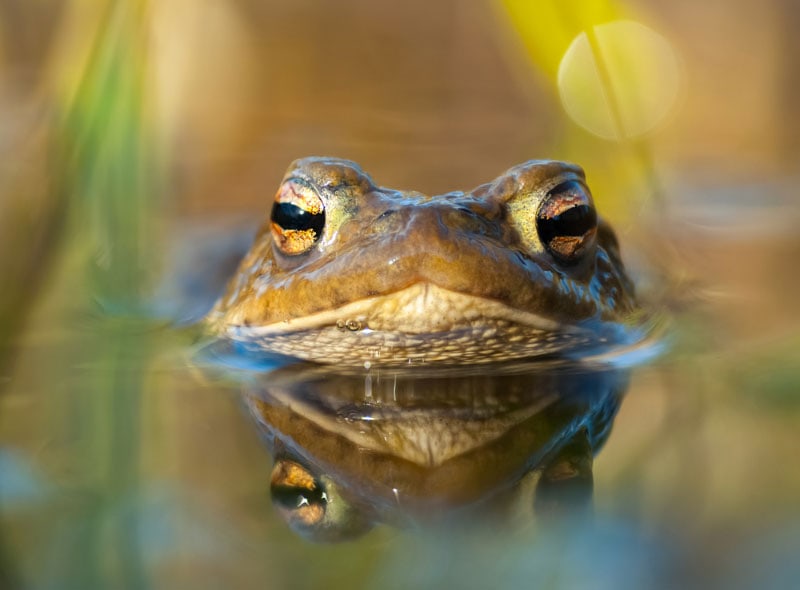
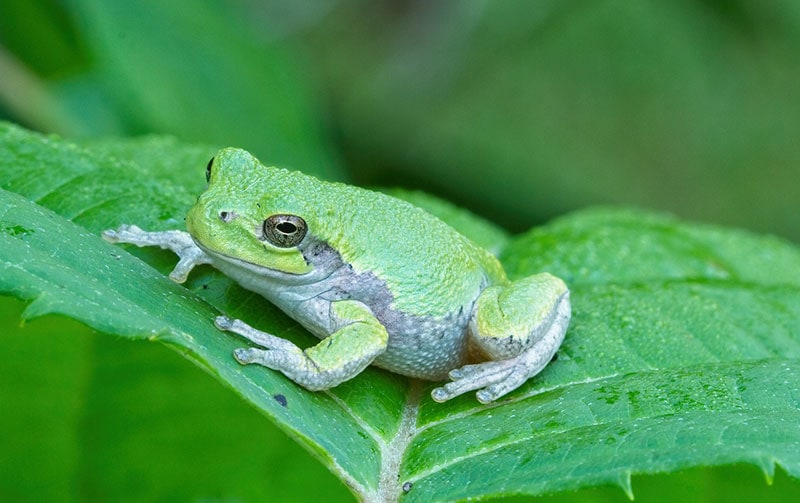
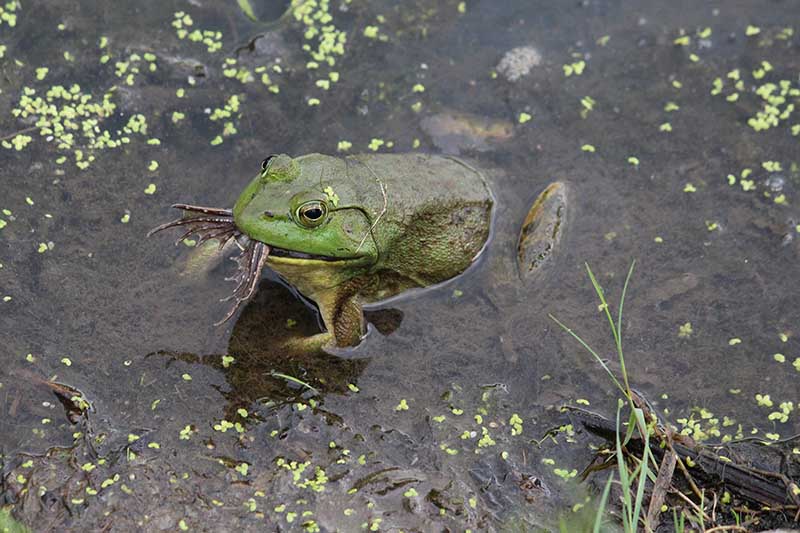
There are over 6,000 different species of frogs found in various kinds of habitats. Some frogs spend most of their lives living in water, while other frogs, like tree frogs, are rarely in water. Regardless of species, all frogs must have adequate sources of water to stay hydrated. However, frogs don’t drink water in the ways that mammals do. Rather than swallowing water with their mouths, they absorb water through their skin.
So, if you have a pet frog, it’s important to set up habitats that optimize the way frogs take in water. Here’s what you need to know about how frogs drink water and how you can help them stay hydrated.

How Frogs Drink Water
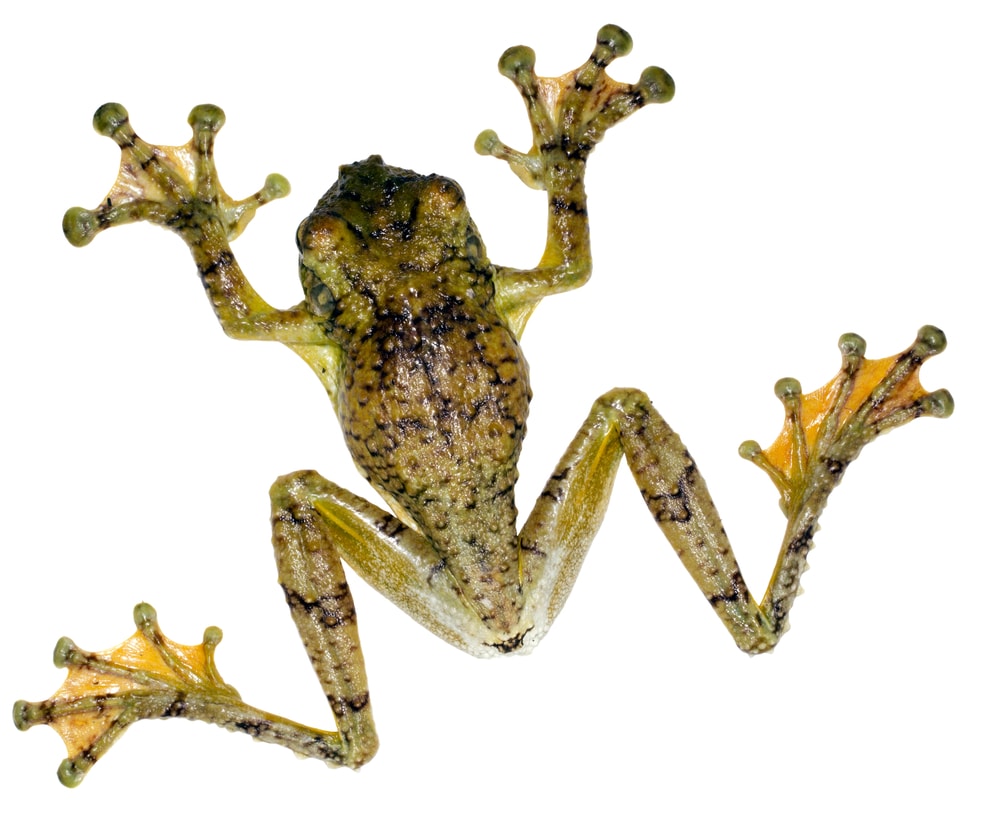
Frogs use their mouths to swallow food, but they drink water in an entirely different way. They have an area on their skin known as their “drinking patch.” The drinking patch is located on the underbelly, and it is semi-permeable skin that absorbs water. While frogs have lungs to breathe, their skin can also absorb oxygen. This enables them to “breathe” underwater.
Ways to Keep Your Pet Frog Hydrated
You can do several things to help your frog stay hydrated. First, make sure that they have access to clean water. Since frogs’ skin plays a vital role in oxygen and water intake, it’s important to make sure they’re able to keep the surface of their skin clean.
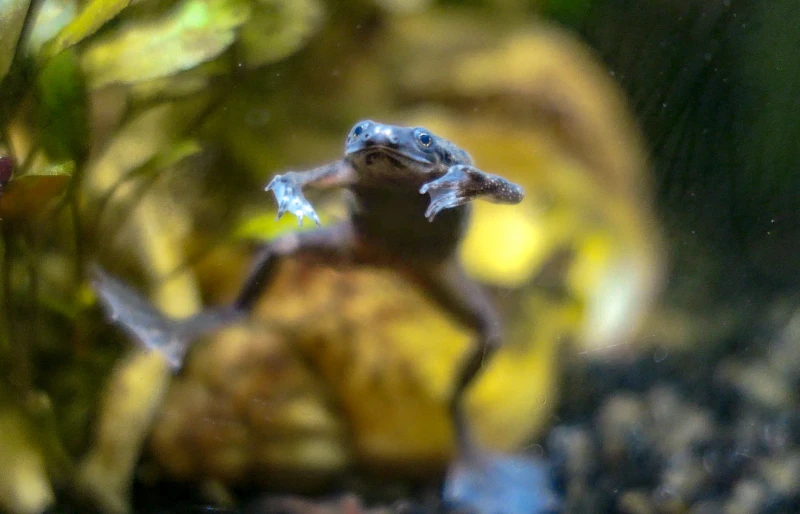
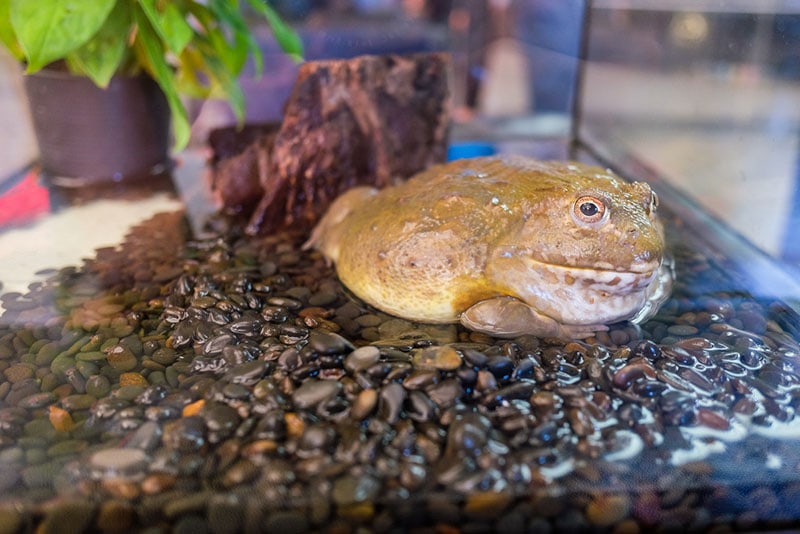
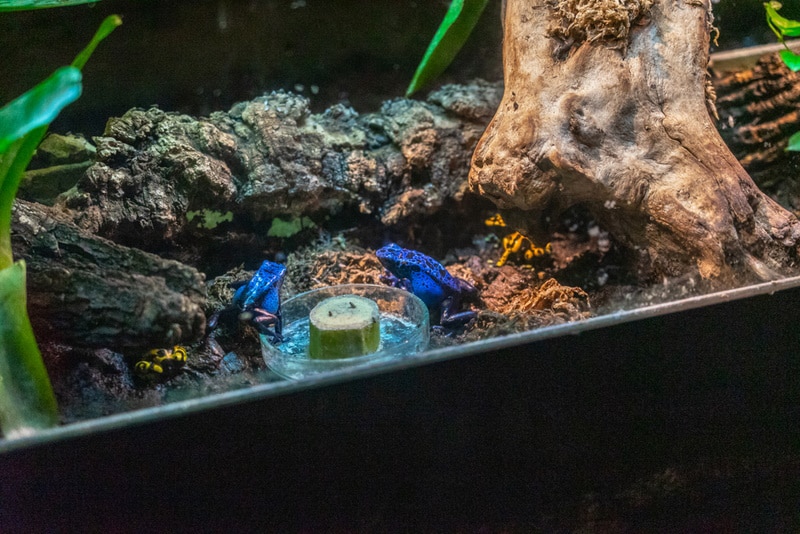
Aquatic pet frogs require weekly tank cleanings and spot cleaning at least every other day. Frogs that spend more time on land must always have access to a bowl of clean, dechlorinated water. The bowl should be big enough for them to sit inside so that their drinking patches can soak up water easily. Keep in mind that frogs may also defecate in the water bowl, so it should be cleaned and refilled every day.
When handling your frog, make sure to wash your hands first. Frogs can be sensitive to skin oils, lotions, and moisturizers. Their skin can absorb these things and cause them to get sick. If you want to be extra safe, you can wear rubber gloves whenever you handle your frog.
It's also important to keep your frog habitat’s humidity at appropriate levels. Different species of frogs require different humidity levels, but as a general rule of thumb, the tank should consistently be between 50%–60% humid. Using a hygrometer can help you maintain healthy humidity levels. You can also install moving water or a fogger in your frog’s tank. Misting the tank every day is another way to raise humidity.
Keep in mind that it’s possible for tanks to be too humid for frogs. Frogs that are kept in overly humid enclosures are susceptible to skin infections. If left unaddressed, these infections can escalate to more severe health issues.
Signs Your Pet Frog Is Dehydrated
Frogs will give several signs whenever they’re dehydrated. These signs will vary depending on the species of your frog. So, make sure you know what specific signs of dehydration your frog may show.
In general, one of the first things you’ll notice about dehydrated amphibians are sunken eyes. They can appear discolored, and their skin will feel tacky. Some frogs will have slime coats that are thicker than usual. You may also notice reduced activity and lethargy. Some species of frogs won’t be able to jump if they’re too dehydrated.
If you suspect your frog is dehydrated, check the enclosure’s humidity level and add a clean bowl of dechlorinated water. It’s also better to be safe than sorry and consult your veterinarian if you notice anything off about your frog. Your veterinarian can diagnose dehydration or if your frog has a different health issue. In severe cases of dehydration, a veterinarian can also administer replacement fluid to a frog.
Conclusion
Frogs absorb water through their skin, so it’s important to make sure their skin is clean and healthy. Maintaining healthy humidity levels and adequate water sources in their tank will help your frog stay hydrated. It’s also helpful to monitor the tank’s humidity levels regularly to ensure your frog is living in safe and stable conditions.
Dehydration can affect your frog’s appearance and behavior. So, if you notice any changes in your frog, make sure to check if he’s getting enough water. If you’re ever in doubt, don’t hesitate to schedule an appointment with your veterinarian to ensure your frog gets the help he needs to feel better.
Sources
Featured Image Credit: Foodtographer, Shutterstock
Get Hepper In Your Inbox


Pet care tips from our vets and experts, straight to your inbox.
You may opt-out at any time. View our Privacy Policy for more information.
Jessica is a freelance writer who spends most of her day reading and writing while her fluffy Cavapoo, Nora, naps beside her. She loves and appreciates pets and animals because there’s so much to learn from them, and they do so much for people. As a dog mom, she understands the special relationship that pet parents have with their pets. So, she loves sharing helpful information that people can use to better understand their pets. When she’s not writing, you can find her walking dogs, tending to her plant babies, or drinking her nth cup of coffee.
Join the conversation
Ask a question, share your story, or send private feedback.