Hepper is reader-supported. When you buy via links on our site, we may earn an affiliate commission at no cost to you. Learn more.
Can Guinea Pigs Eat Almonds? Vet-Approved Risks, Facts, & FAQ


In this article
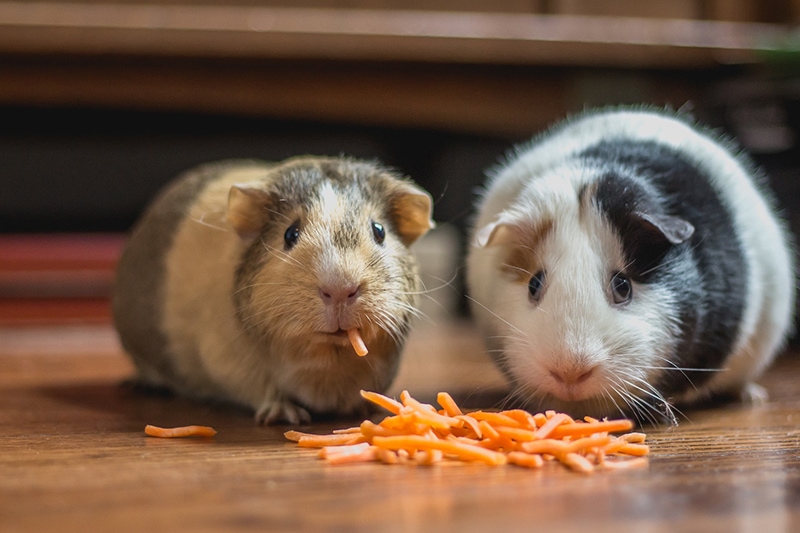
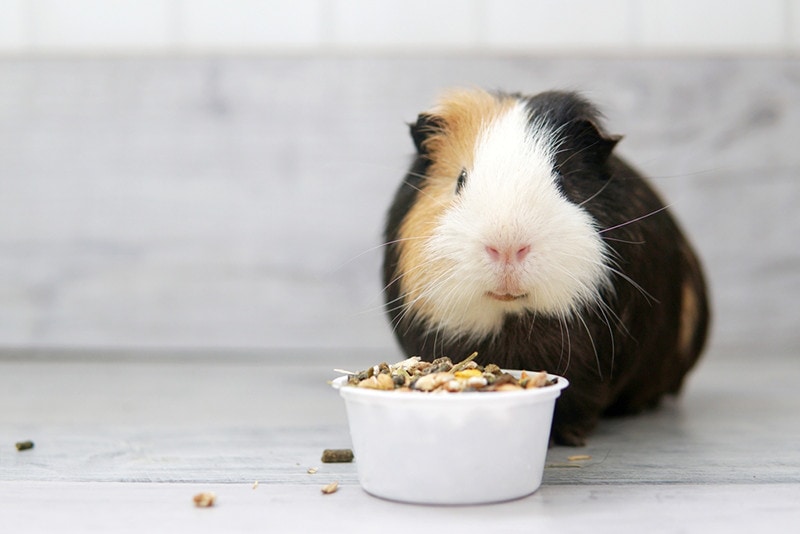
There are several fruits and vegetables that Guinea Pigs love to eat, which creates an excellent opportunity for sharing. When you eat fruit on a hot summer's day, you can pass some on to your Guinea Pig friend to nibble. It may also become a habit that has you wondering about most things you snack on and whether you can share them with your Guinea Pig or not.
Almonds are a popular healthy snack for humans, but can Guinea Pigs eat them too? While almonds aren’t toxic to Guinea Pigs, they should not eat nuts since they are high in fat and carbohydrates. A Guinea Pig's digestive system is sensitive and needs the right diet to keep it healthy.

Can Guinea Pigs Eat Almonds?
It’s best not to feed your Guinea Pig almonds since they are high in carbohydrates and fats, and a Guinea Pig's diet requires high fiber and low carbohydrates. While almonds contain beneficial minerals and vitamins, it’s best to avoid giving them to your Guinea Pig. A small piece of almond may not cause any harm, but it's best to keep them out of your Guinea Pig's diet.
Why Guinea Pigs Shouldn’t Eat Almonds
While almonds provide nutritional benefits to humans and are not toxic to Guinea Pigs, there are several reasons why you should not make almonds part of their diet.
Reasons:
Can Guinea Pigs Eat Any Other Kind of Nuts?
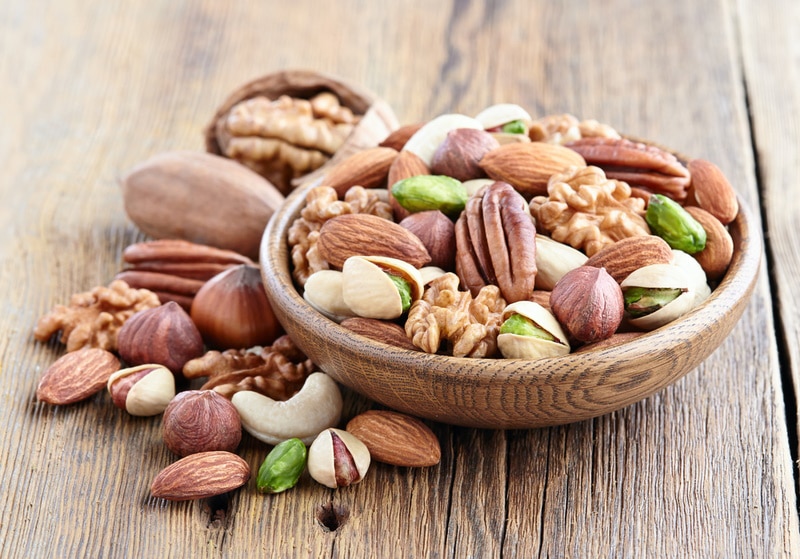
The same advice applies to all other nuts, so it’s best not to offer your Guinea Pig any type of nut. They include too much risk and not enough benefits to even take the chance. Again, if your Guinea Pig eats a little piece of any nut, they are likely to be okay, but nuts shouldn’t be included in their diet, even as a treat or snack.
What If I Gave My Guinea Pig Nuts?
If you are currently feeding almonds to your Guinea Pig, it is best to stop and consider an alternative snack. Even in small amounts, they can still harm your Guinea Pig long term. You should monitor them for loose stools, constipation, and other digestive issues. If your Guinea Pig shows any signs of discomfort or health issues, take them to the vet as soon as possible.
What Is the Best Diet for My Guinea Pig?
Good quality hay, such as Timothy hay, should make up the bulk of your guinea pig’s diet and it should always be available for them to graze on. Hay and/or grass are essential to keep their digestive systems functioning properly and their continuously growing teeth worn down to the correct length.
They also need a daily variety of vegetables with fresh leafy greens making up the majority. Guinea pigs cannot produce their own vitamin C, so they will need some foods high in vitamin C.
Guinea pigs can also be given a small amount (about one tablespoon) of commercial pellets fortified with vitamin C daily. They can have a small amount of fruit as a treat- blueberries, and strawberries are good high vitamin C options. Fresh clean drinking water should be available at all times.
Conclusion
It is best not to feed your Guinea Pig almonds or any other nut. They lack benefits for Guinea Pigs and include too many risks, so it’s best not even to take the chance. If you have been sharing almonds with your Guinea Pig, you should stop immediately. While they are not toxic to Guinea Pigs, it's best to keep your pet safe by keeping almonds out of their diet. Instead, serve vitamin C-rich treats such as strawberries or blueberries. If you are ever uncertain about your Guinea Pig's diet, consult your veterinarian for the best advice.
Related Reads:
Can Guinea Pigs Eat Peanuts? Vet-Reviewed Nutrition Facts & FAQ
Can Guinea Pigs Eat Walnuts? Vet Approved Facts & Safety Guide
Sources
Featured Image Credit: Jiffy Avril, Shutterstock
Get Hepper In Your Inbox


Pet care tips from our vets and experts, straight to your inbox.
You may opt-out at any time. View our Privacy Policy for more information.
Nicole is a lover of animals of all sizes but is especially fascinated with the feline variety. She’s the proud mom of Baby, a Burmese, and works every day so he can relax in the sunshine or by the fire. She’s always had a cat in her home and has spent countless days with others, observing behaviors and softening up even the grouchiest of the lot. Nicole wants to share her kitty expertise with you so you and your cat can live happy, healthy, and care-free.
Join the conversation
Ask a question, share your story, or send private feedback.