Hepper is reader-supported. When you buy via links on our site, we may earn an affiliate commission at no cost to you. Learn more.
Can Guinea Pigs Eat Nuts? Vet-Approved Risks, Diet, & Alternatives


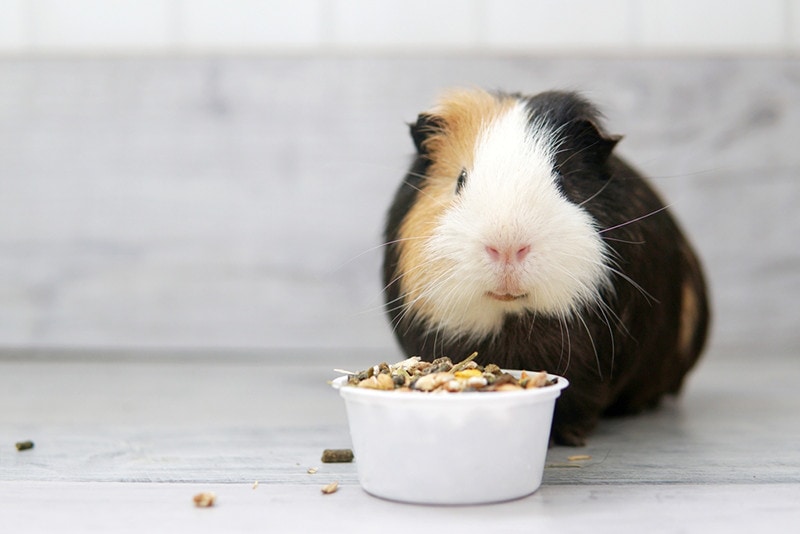
Nuts may be a healthy snack option for us humans, but that doesn’t necessarily mean they are suitable to feed our beloved pets. Guinea pigs are herbivores that eat a varied diet that is rich in fiber and low in fat. Nuts are not considered toxic to guinea pigs, but they are incredibly high in fat, so they don’t have any place in their diet.
We strongly recommend that you do not feed any kind of nuts to your guinea pig and instead aim to provide them with a nutritionally balanced diet under the supervision of your veterinarian. Keep reading to learn about the dietary needs of these incredible creatures and more about why nuts should be avoided entirely.

Why Guinea Pigs Shouldn’t Be Fed Nuts
In the wild, a guinea pig’s diet consists primarily of grasses, but also diverse vegetation including various plants and herbs. With this kind of diet, their digestive systems are not designed to consume certain foods, especially those rich in fat, protein, and carbohydrates.
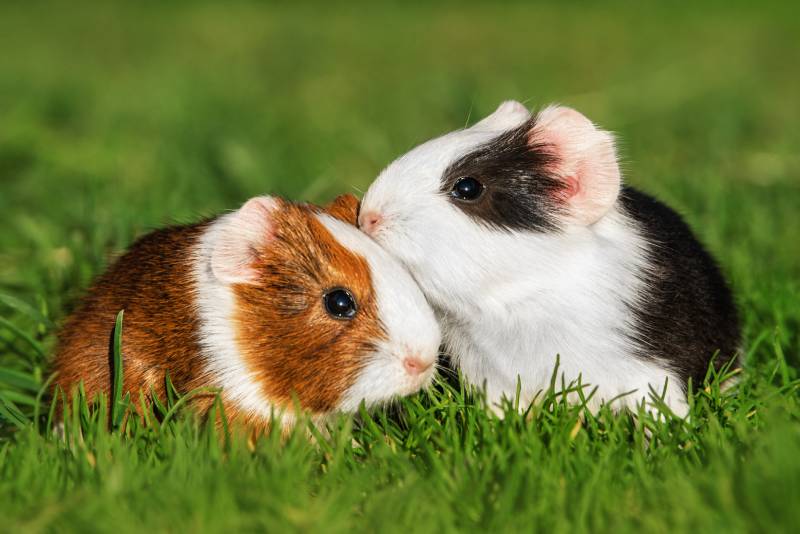
Nuts may not be toxic to guinea pigs, but that doesn’t mean they offer any health benefits for them. In fact, feeding your guinea pig nuts and other foods that don’t belong in their diet could lead to potential health problems and other complications.
Potential Complications of Feeding Nuts to Guinea Pigs
Gastrointestinal Problems
One of the most common issues that can arise from feeding nuts to guinea pigs is gastrointestinal issues. As mentioned above, their digestive systems are not designed to break down foods that are this high in fat. Nuts also contain more carbohydrates than what is needed in their natural diet and may also be salted or flavored.
When the digestive system is exposed to something it is not designed for, it can lead to abdominal pain and diarrhea. Unlike other animals that may experience vomiting as a sign of gastrointestinal upset, guinea pigs are not able to effectively vomit.
If you ever notice that your guinea pig is suffering from diarrhea, you should contact your veterinarian right away. Diarrhea can lead to dehydration and loss of nutrients and may become more severe and problematic if left untreated.
Choking Hazard
The shape and texture of many nuts can pose a potential choking hazard to guinea pigs, which is another reason why they should never be offered to them. Guinea pigs can choke, and since they lack a gag reflex and cannot vomit, it makes it even more dangerous and potentially fatal.
Obesity
Nuts are naturally high in fats and may sometimes contain sugars and other ingredients, none of which are beneficial for your guinea pig’s health. Only a small amount of fat makes up a guinea pig’s natural diet. Even commercial pellets that are specially designed for guinea pigs only contain approximately 1 to 2 percent fat.
If allowed to consume excess fat in their diet, it can easily cause weight gain and eventually lead to obesity. Obesity will leave them susceptible to other health conditions and could potentially shorten their lifespan if left unchecked.
Urinary Stones
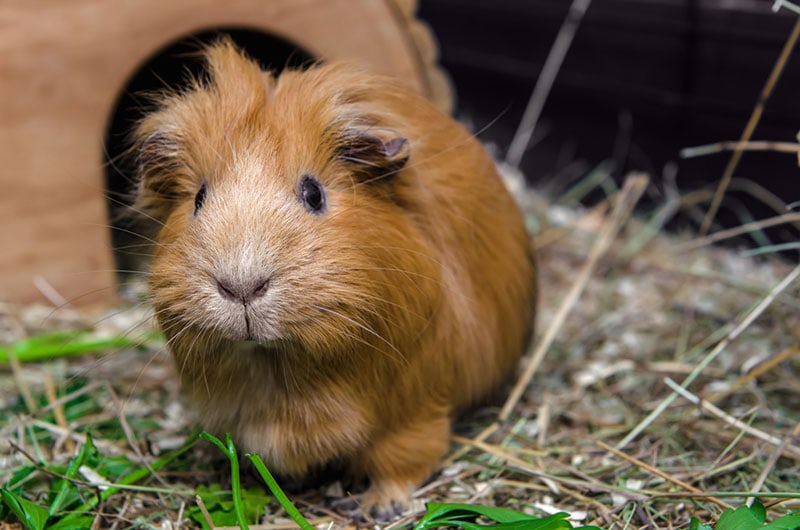
Another reason why nuts are not ideal for guinea pigs is that they are among the highest non-dairy sources of calcium, with almonds containing a significant amount. It’s common knowledge among guinea pig owners that overconsumption of calcium can wreak havoc on the urinary tract.
Too much calcium in the diet leads to the formation of a thick sludge of dense calcium crystals and even hard stones within the urinary tract. These stones can occur in the bladder, kidney, and urethra and can even grow large enough to disrupt urination. This can be very painful for your guinea pig, especially when they are unable to urinate properly.
If left untreated, the stones can be very detrimental to your guinea pig’s health and may result in kidney failure and even death. The best way to avoid this problem is by maintaining a nutritionally balanced diet. You should always keep an eye out for any signs of urinary problems and contact your veterinarian right away if any are observed.
Typical Guinea Pig Diet
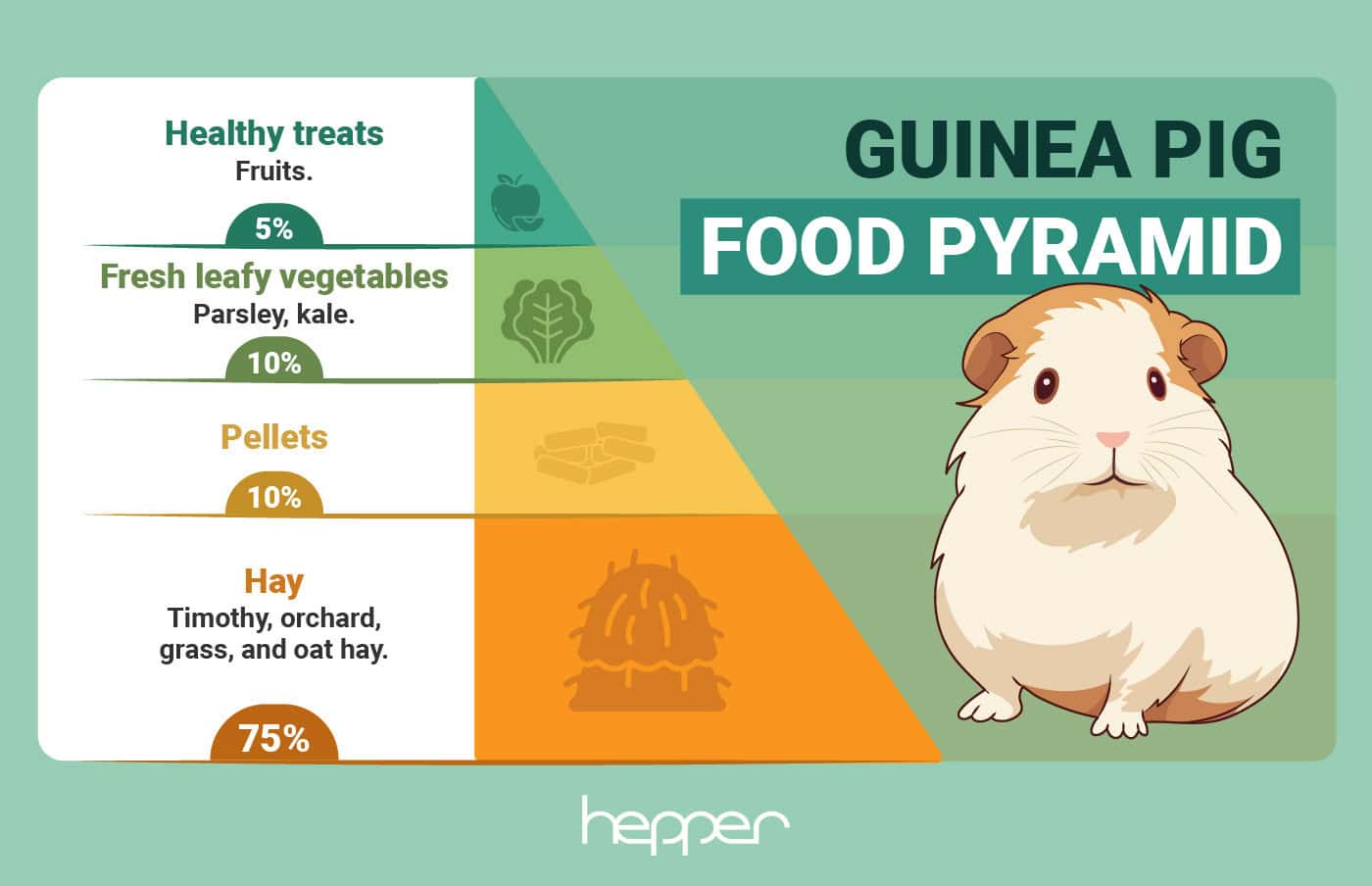
Guinea pigs are herbivores that spend their time foraging for various plants. As pets, they will require a well-balanced, varied diet that suits their nutritional needs. Their diet should consist of high-quality hay, fresh greens and vegetables, a small amount of commercial pellets made specifically for guinea pigs, and small amounts of fruit.
Hay
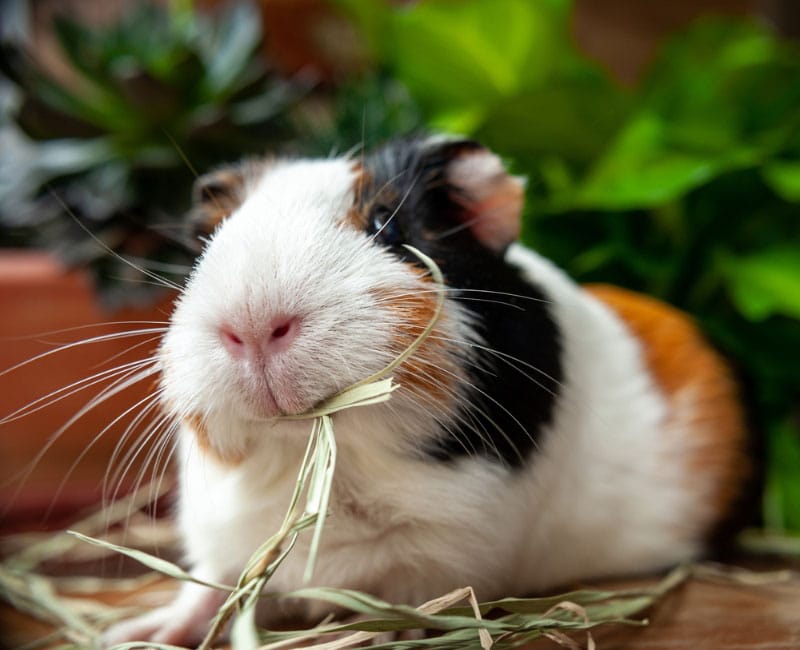
Hay is a vital part of a guinea pig’s daily diet. High-quality hay should be available at all times because it promotes healthy digestion and will aid in the wear down of their continuously growing teeth. Timothy hay, orchard grass hay, and oat hay are all great options. Since alfalfa is higher in calcium, it should only be offered occasionally in moderate amounts.
Pellets
Just like humans, a guinea pig’s body cannot produce its own vitamin C, therefore they must get this essential vitamin through their diet. Commercial guinea pig pellets are fortified with vitamin C and crafted specifically to ensure guinea pigs get the well-balanced diet they so desperately need. Always follow the feeding instructions provided by the manufacturer and never feed pellets that aren’t made specifically for guinea pigs.
Fruits and Vegetables
Certain vegetables and fruits can be offered to guinea pigs each day. Fresh, organic produce is ideal because they are not produced using chemical pesticides. Any foods high in calcium should be limited and only fed on occasion. Fruits and other foods higher in natural sugars and carbohydrates should also be limited.
You should never add any foods to your guinea pig’s diet without first consulting with your veterinarian. Any new food items should be introduced slowly to ensure they are well tolerated. Keep in mind that new foods may cause some gas or diarrhea, so remain watchful of any signs of gastrointestinal problems.
Recommended Fruits and Vegetables for Guinea Pigs
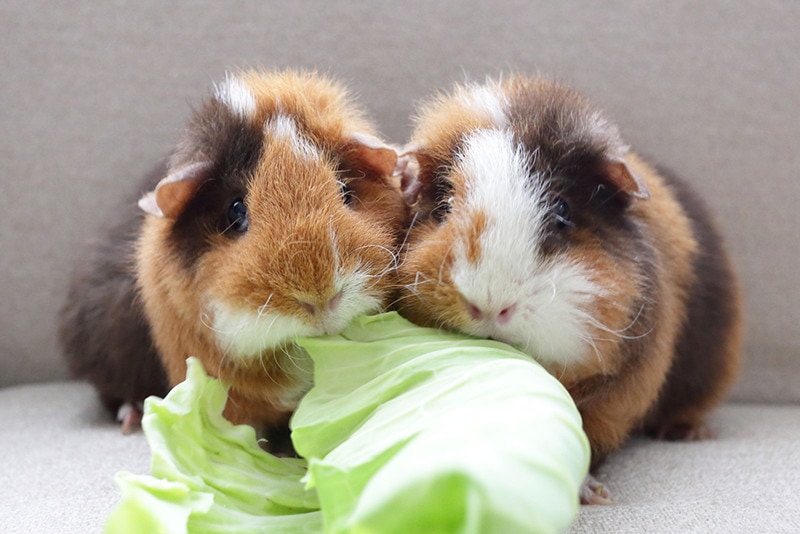
Not all fruits and vegetables are going to be ideal for your precious pet, so having a guide of what options work best can be very beneficial.
Here’s a list of the most common, guinea pig-friendly vegetables and leafy greens:
- Romaine lettuce
- Bell peppers (any color, seeds need to be removed)
- Carrots and carrot tops
- Broccoli
- Spinach (high calcium)
- Artichokes
- Kale (high calcium)
- Collard Greens (high calcium)
- Tomatoes (remove any stems or leaves)
- Squash
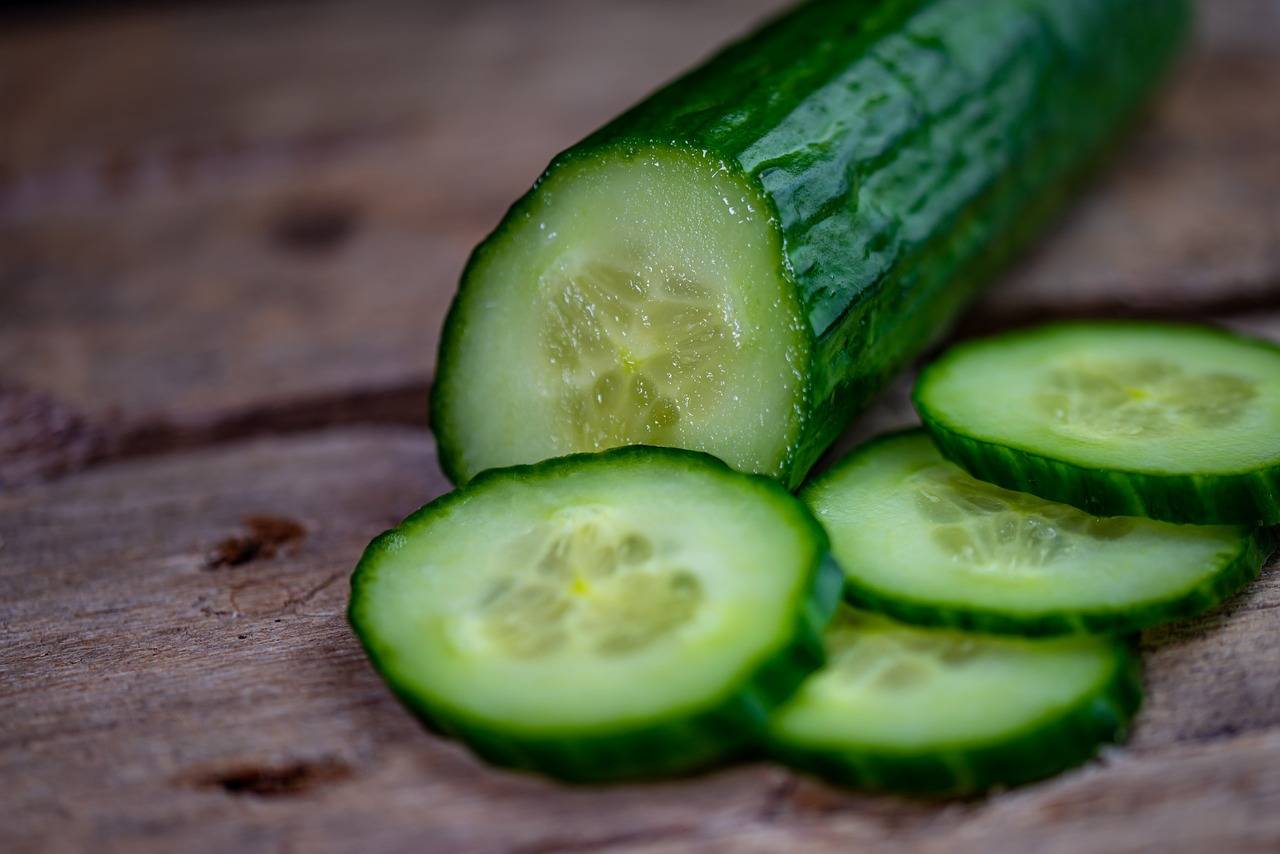
- Cucumber
- Brussels sprouts
- Arugula
- Cilantro
- Dill leaves (high calcium)
- Parsley (high calcium)
- Cabbage
- Basil
Guinea Pig Friendly Fruits
- Apples
- Pears
- Strawberries
- Blueberries
- Kiwi
- Bananas
- Papayas
- Peaches
- Cantaloupe
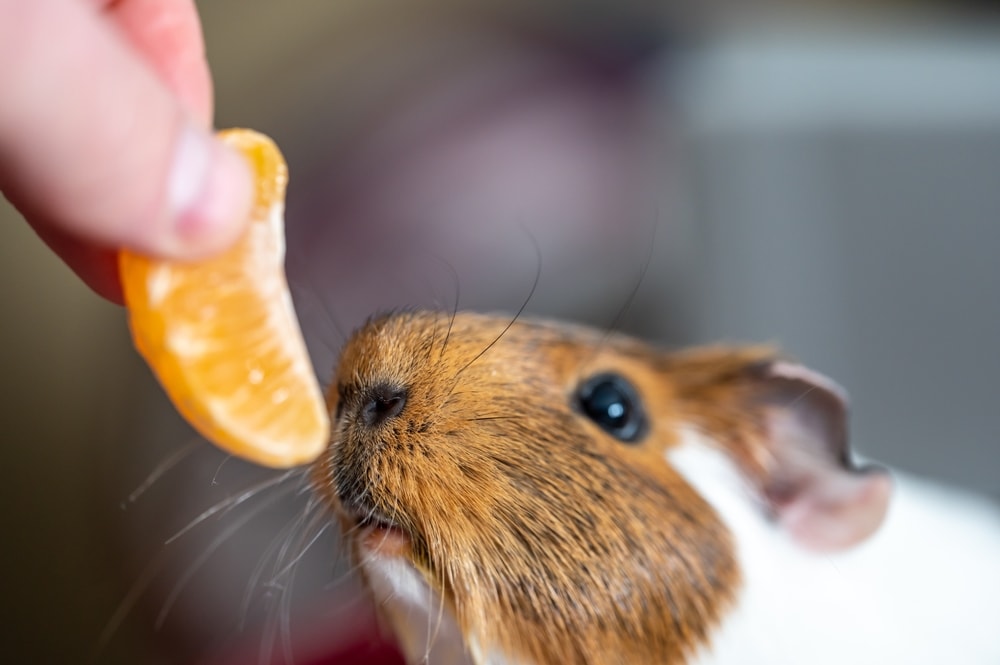
- Oranges
Foods to Avoid
Another important part of guinea pig ownership is knowing what foods should be avoided entirely. There are a variety of reasons why certain foods should be avoided altogether, including toxicity, choking hazards, gastrointestinal upset, and high sugar and/or fat content. Some of the primary foods that should be avoided include:
- Chocolate
- Onions
- Garlic
- Mushrooms
- Iceberg lettuce
- Avocados
- Nuts
- Potatoes
- Seeds
- Peanut butter
- Rhubarb
- Dairy products
- Bread
- Animal protein
- Lawnmower grass cuttings
- Houseplants

Conclusion
Guinea pigs should not be fed nuts as part of their diet or even as a snack. While they may not be considered toxic, they have no place in a guinea pig’s overall diet because they are high in fat and could potentially lead to health problems.
Diet and nutrition are essential for overall health, so it’s important to understand your guinea pig’s nutritional needs and how to offer them the most nutritious, well-balanced diet possible.
You should be knowledgeable about which foods are safe and which are unsafe to feed your pet, as well as what quantities should be offered. Always consult with your veterinarian with any questions surrounding your guinea pig’s care before adding anything to their daily diet.
Related Reads:
Get Hepper In Your Inbox


Pet care tips from our vets and experts, straight to your inbox.
You may opt-out at any time. View our Privacy Policy for more information.
Lindsay is a wife, mother, nature enthusiast, animal lover, and business major. She was born and raised in the United States and now lives in Tulsa, Oklahoma. She shares her home with a German Shepherd, several snakes, tarantulas, and a couple of rescue cats.
Lindsay and her husband enjoy traveling the US with their children and photographing wildlife. Lindsey is passionate about proper animal care and education around it!
Join the conversation
Ask a question, share your story, or send private feedback.