Hepper is reader-supported. When you buy via links on our site, we may earn an affiliate commission at no cost to you. Learn more.
Can Guinea Pigs Eat Mandarins? Vet-Approved Nutrition Facts & FAQ


Mandarins, also called Mandarin oranges, are a tasty and delicious citrusy treat. But if you enjoy eating this fruit, you may be wondering if you can feed them to your guinea pig. The answer is yes, but with some caution. Guinea pigs can safely consume mandarins, but due to their high sugar content and acidity, they should only be given in moderation.

Guinea Pig Dietary Needs
Guinea pigs require a diet rich in vitamin C, fiber, and other essential nutrients. Their primary food source should be hay, which aids in digestion and dental health. While fruits such as mandarins can be a part of a guinea pig's diet, they should be fed sparingly due to their high sugar content and acidity. Too much sugar can lead to obesity and other health issues, and the acidity can cause a variety of health problems as well.
Nutritional Value of Mandarins
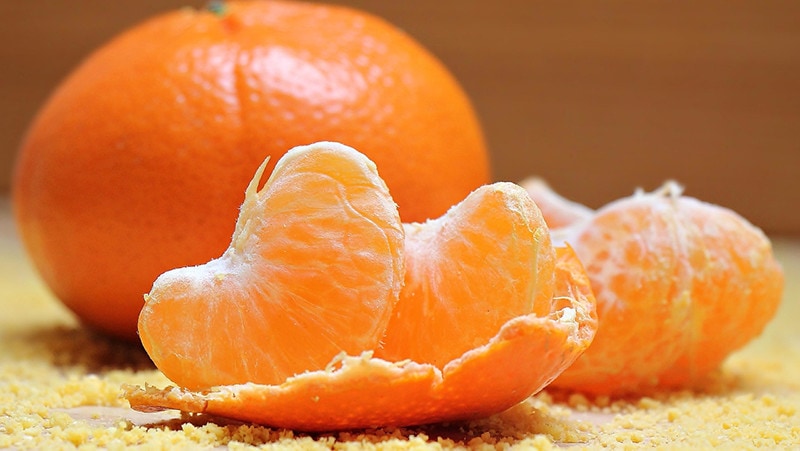
Mandarins, like other citrus fruits, are packed with a variety of nutrients that can contribute to overall health.
Here's a breakdown of what they offer:
Feeding Guidelines for Mandarins
Mandarins are a sweet treat that can be included in your guinea pig's diet, but there are a few guidelines to follow to ensure it's done safely and healthily.
Serving Size and Frequency
While mandarins are rich in vitamin C, which is essential for guinea pigs, they also contain high levels of sugar. Too much sugar can lead to obesity and other health problems in guinea pigs. Therefore, mandarins should be served in moderation. A small slice or two once or twice a week is usually sufficient.
Preparation
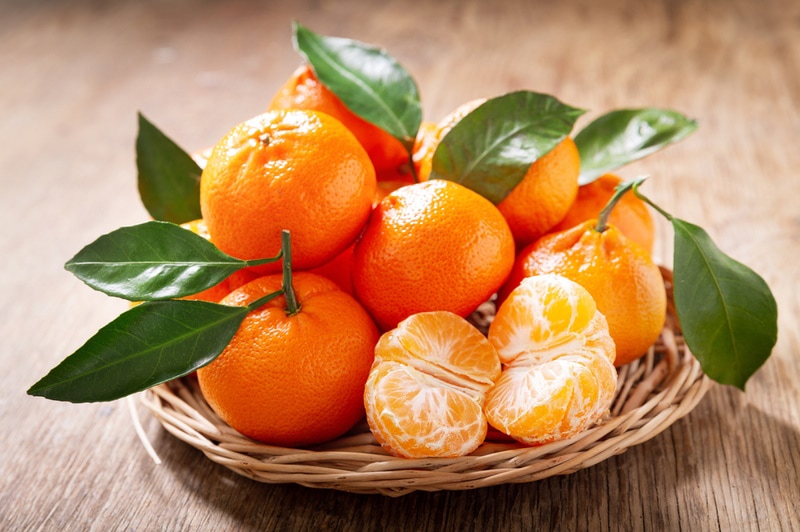
Before feeding mandarins to your guinea pig, make sure to wash the fruit thoroughly to remove any pesticides or chemicals that might be on the skin. Even though your pet won't eat the peel, these substances can get transferred to the flesh when you cut the fruit open. Cut the mandarin into small, manageable pieces that your guinea pig can easily chew and swallow. This will help prevent any choking hazards.
Monitoring Your Pet
Whenever you introduce a new food into your guinea pig's diet, it's important to monitor their reactions closely. Keep an eye on their eating habits, bowel movements, and general behavior after feeding them mandarins. If you notice any changes or signs of discomfort, stop feeding the new food and consult your vet.
The Best Diet for Your Guinea Pig
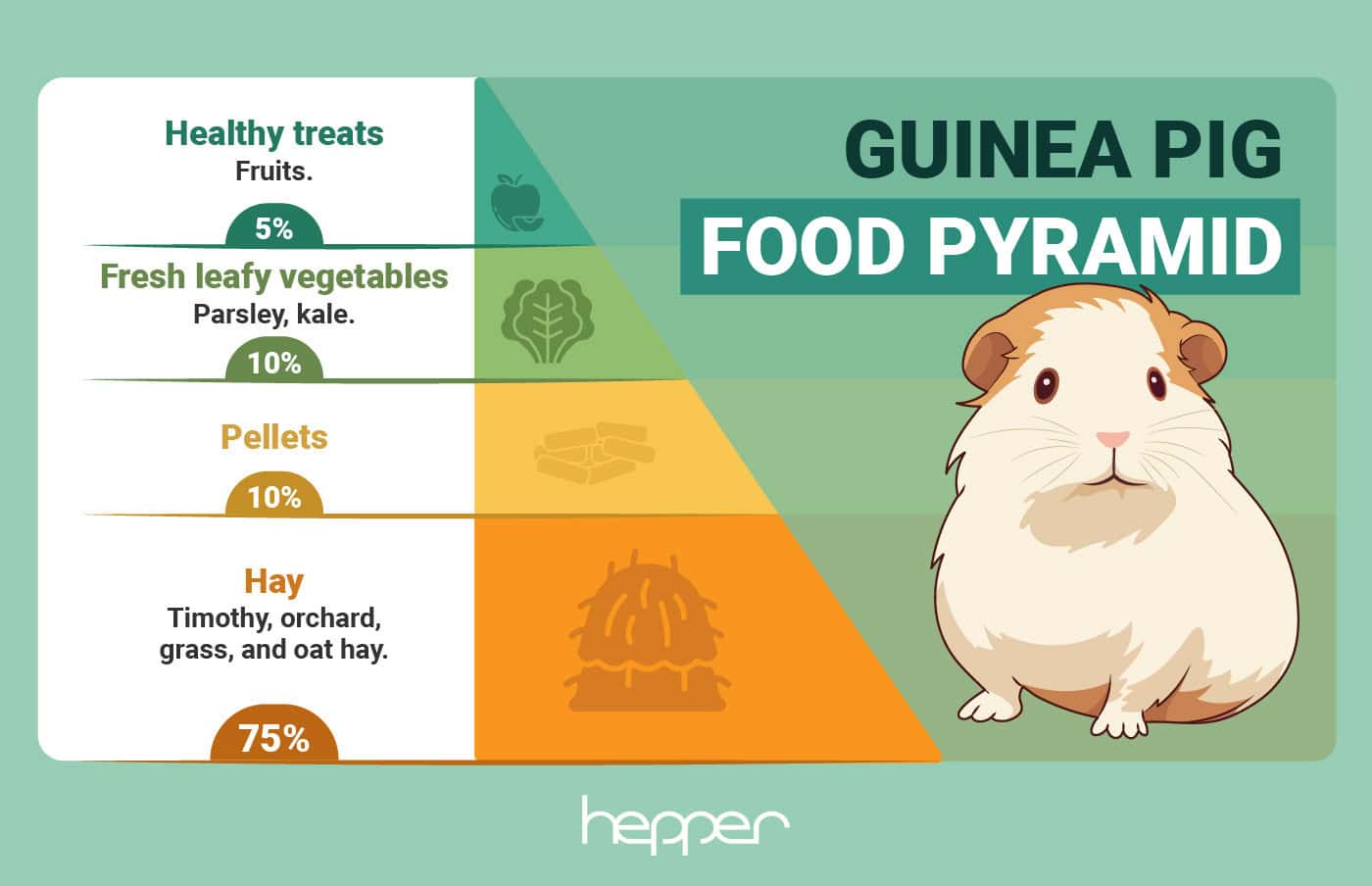
Ensuring that your guinea pig has a balanced diet is key to promoting their overall health and longevity. Here’s a breakdown of what an ideal diet for a guinea pig should contain.
High-Quality Hay
Hay should make up the majority of your guinea pig's diet. It provides the necessary fiber for digestive health and helps to grind down their teeth, preventing dental problems. Timothy hay is often recommended, but other types like orchard grass can also be used.
Vitamin C Fortified Pellets
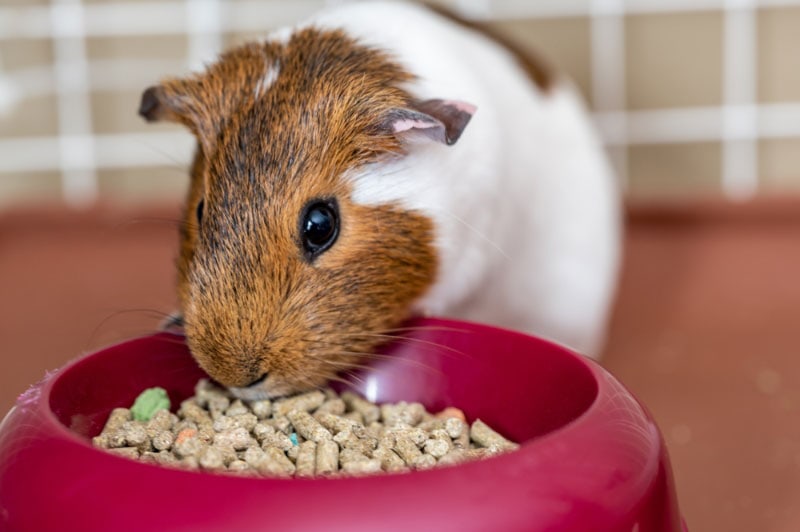
Remember that guinea pigs cannot produce their own vitamin C, so they need to get it from their diet. Guinea pig-specific pellets are fortified with this essential vitamin to allow your guinea pig to reap the benefits without the high sugar content of fruits that contain this nutrient. However, vitamin C fortified pellets should only supplement the hay, not replace it. Always follow the manufacturer’s guidelines or your vet’s advice, but usually only around a tablespoon of pellets per day is required.
Fresh Vegetables
Fresh vegetables should be a daily part of your guinea pig's diet. They provide additional nutrients and variety. Green leafy vegetables like romaine lettuce and spring greens, and bell peppers are some good choices.
Limited Fruits
Fruits should be given sparingly due to their high sugar content. When you do feed your guinea pig fruit, try to choose ones high in vitamin C, like mandarins, strawberries, or kiwi.
Plenty of Fresh Water
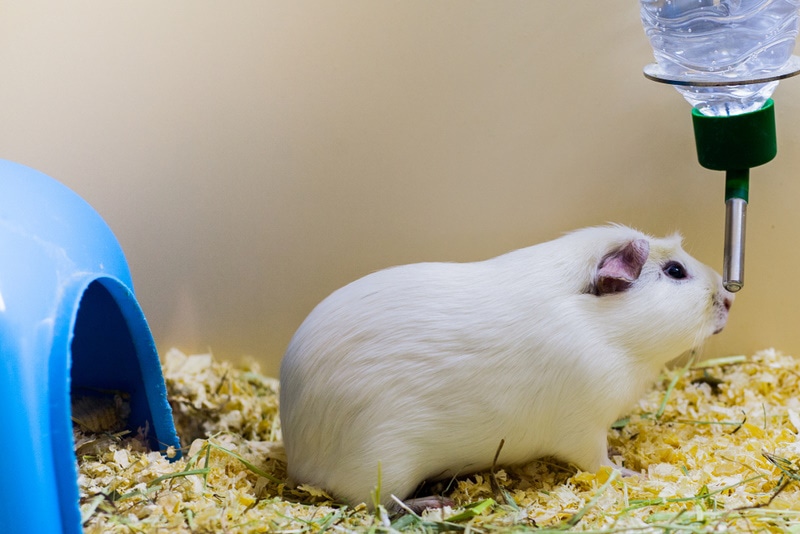
Fresh, clean water should always be available for your guinea pig. Be sure to change the water and clean the bottle daily to prevent bacterial growth.
Avoiding Harmful Foods
Some foods can be harmful to guinea pigs and should be avoided. These include iceberg lettuce, potatoes, onions, seeds, nuts, chocolate, dairy products, and any kind of meat. Remember, individual dietary needs can vary based on factors like age, size, and health status. Always consult with a vet for personalized advice on feeding your guinea pig.
How Do I Know If My Guinea Pig Is Getting Enough Vitamin C?
Vitamin C is crucial for guinea pigs as they cannot produce it on their own. A deficiency can lead to serious health problems, including scurvy. Here are some signs to look out for to ensure your guinea pig is getting enough vitamin C.
Signs:
If you suspect your guinea pig isn't getting enough vitamin C, consult with a vet. They may recommend adding a supplement or more vitamin C-rich foods to their diet. Remember, while it's important to ensure your guinea pig gets enough vitamin C, too much can also be harmful. Always follow your vet's advice on the correct dosage.
Other FAQs
Can guinea pigs eat the peel of mandarins?
No, the peel of mandarins can be hard for guinea pigs to digest and may contain pesticides.
Do all guinea pigs like mandarins?
Not necessarily. Just like humans, guinea pigs have individual preferences. Some may enjoy mandarins, while others may not.
Can too many mandarins cause diarrhea in guinea pigs?
Yes, the high sugar and water content in mandarins can lead to diarrhea if eaten in excess.
Can guinea pigs eat canned mandarins?
No, canned fruits often contain added sugars and preservatives that are not suitable for guinea pigs.
Can guinea pigs eat dried mandarins?
Dried fruits, including mandarins, are not recommended for guinea pigs due to their concentrated sugar content. Stick to fresh fruits in moderation.
What other fruits can guinea pigs eat?
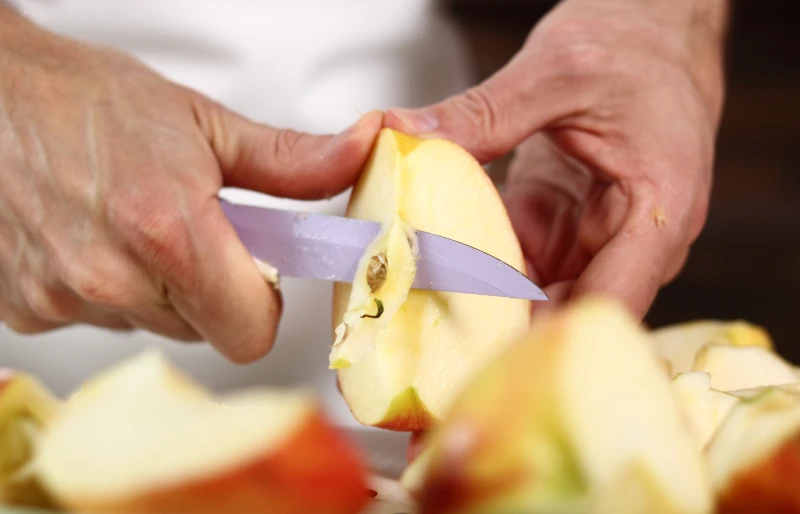
Guinea pigs can also eat apples, pears, kiwi, and strawberries. Remember to always remove any seeds and serve in moderation.
Conclusion
In small amounts, mandarins can be a healthy treat for guinea pigs, providing them with a natural source of vitamin C. However, due to their high sugar content, they should only be served in moderation and not as a replacement for their main diet of hay and vegetables. As always, when introducing any new food into your guinea pig's diet, it's important to do so gradually and monitor their reaction.
See Also:
Can Guinea Pigs Eat Orange Peels? Vet-Approved Benefits, Drawbacks, & FAQ
Can Guinea Pigs Eat Lemon? Vet Approved Nutrition Facts & FAQ
Sources
RSPCA: Guinea pig diet
Humane Society: Guinea pig feeding
PDSA: Your guinea pig's diet
Featured Image Credit: Lost_in_the_Midwest, Shutterstock
Get Hepper In Your Inbox


Pet care tips from our vets and experts, straight to your inbox.
You may opt-out at any time. View our Privacy Policy for more information.
Nicole is a lover of animals of all sizes but is especially fascinated with the feline variety. She’s the proud mom of Baby, a Burmese, and works every day so he can relax in the sunshine or by the fire. She’s always had a cat in her home and has spent countless days with others, observing behaviors and softening up even the grouchiest of the lot. Nicole wants to share her kitty expertise with you so you and your cat can live happy, healthy, and care-free.
Join the conversation
Ask a question, share your story, or send private feedback.