Hepper is reader-supported. When you buy via links on our site, we may earn an affiliate commission at no cost to you. Learn more.
Can Guinea Pigs Eat Meat? Vet-Approved Nutrition Facts & FAQ


Guinea Pigs are one of the easiest small exotic pets to take care of, which makes them a great choice for beginners. However, they still need the right diet to stay healthy, and that means you need to know which foods a Guinea Pig can and cannot eat. For example, Guinea Pigs should never eat meat.
In this article, you’ll learn why Guinea Pigs shouldn’t eat meat, and other foods to avoid. We will also cover the basics of what they should eat, including supplements and how much to feed.

Why Guinea Pigs Can’t Eat Meat
Guinea pigs can’t eat meat simply because they are herbivores. Herbivores are adapted to chew, digest, and absorb nutrition from plant sources. While it’s not unheard of for wild herbivores to occasionally eat things like insects or other invertebrates, there’s no reason for a pet Guinea Pig to do so.
If a Guinea Pig eats meat, it could cause stomach issues because their digestive tract is not designed for digesting animal protein. Long-term, eating meat could lead to nutrition deficiencies because the Guinea Pig can’t properly absorb the nutrients from this food.
What Should You Feed Your Guinea Pig?
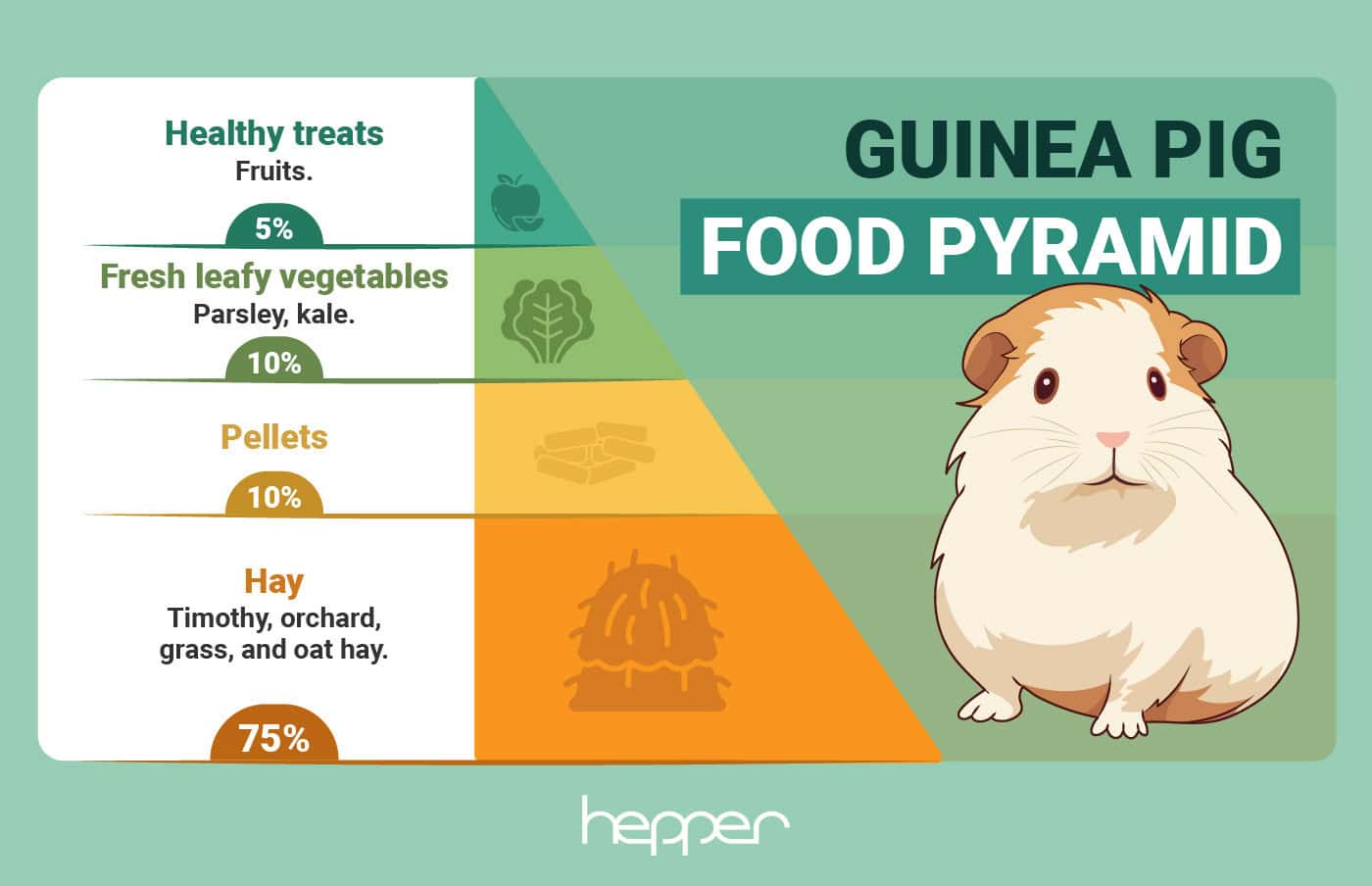
Meat is off the table, so what should your Guinea Pig eat? Here are the basic staples of a healthy Guinea Pig diet.
1. Hay
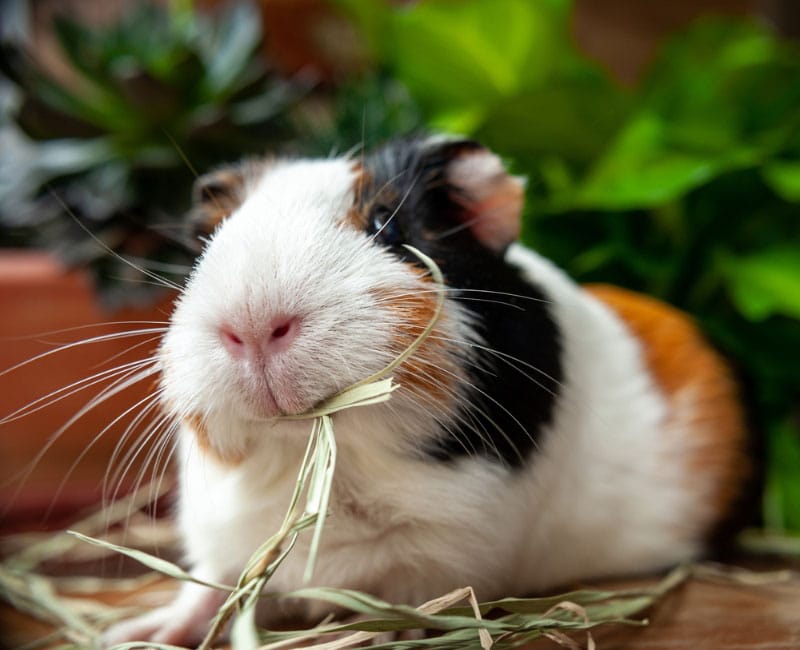
Quality grass hay should comprise most of your Guinea Pig’s daily diet, and Guinea pigs should have constant access to hay. Chewing the hay helps keep their teeth worn down, and the fiber keeps their digestion running smoothly.
The following types of hay are suitable for Guinea Pigs:
2. Vegetables
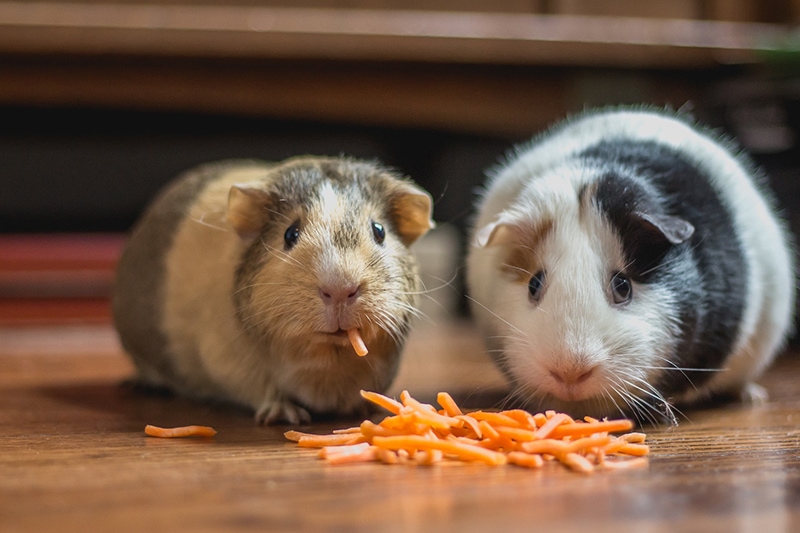
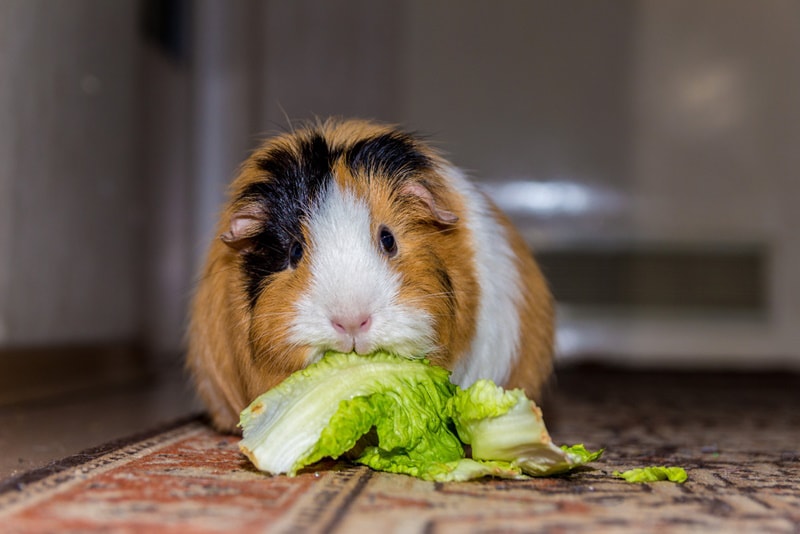
It’s best to feed your Guinea Pig about ½–1 cup of chopped vegetables daily. Mix two or three types of vegetables each day and rotate the selections to provide as many nutrients as possible. Here are some vegetables your Guinea Pig may enjoy:
Introduce new vegetables one at a time to ensure they don’t upset your Guinea Pig’s stomach. Avoid iceberg lettuce; although they’ll enjoy it, it's mostly water and provides little in the way of nutritional value.
3. Pellets
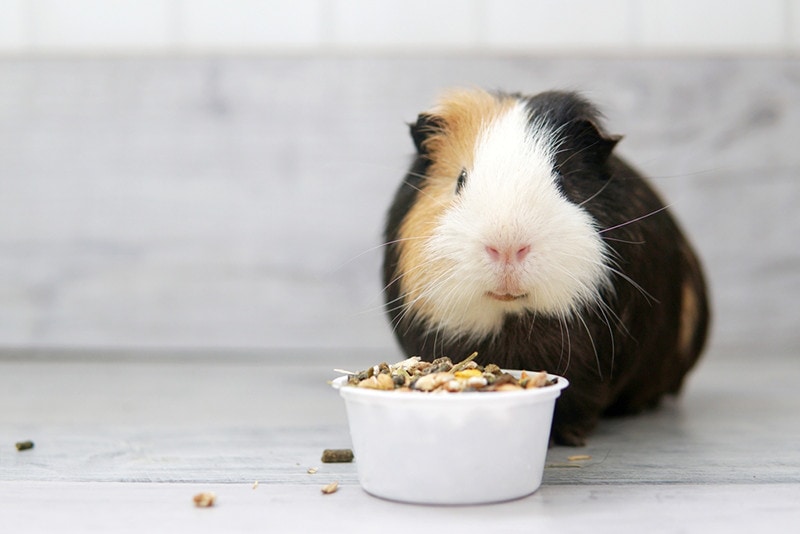
Feed your Guinea Pig 1–2 tablespoons of a commercial pellet diet daily. Look for a Guinea Pig-specific diet enriched with Vitamin C.
4. Fruit
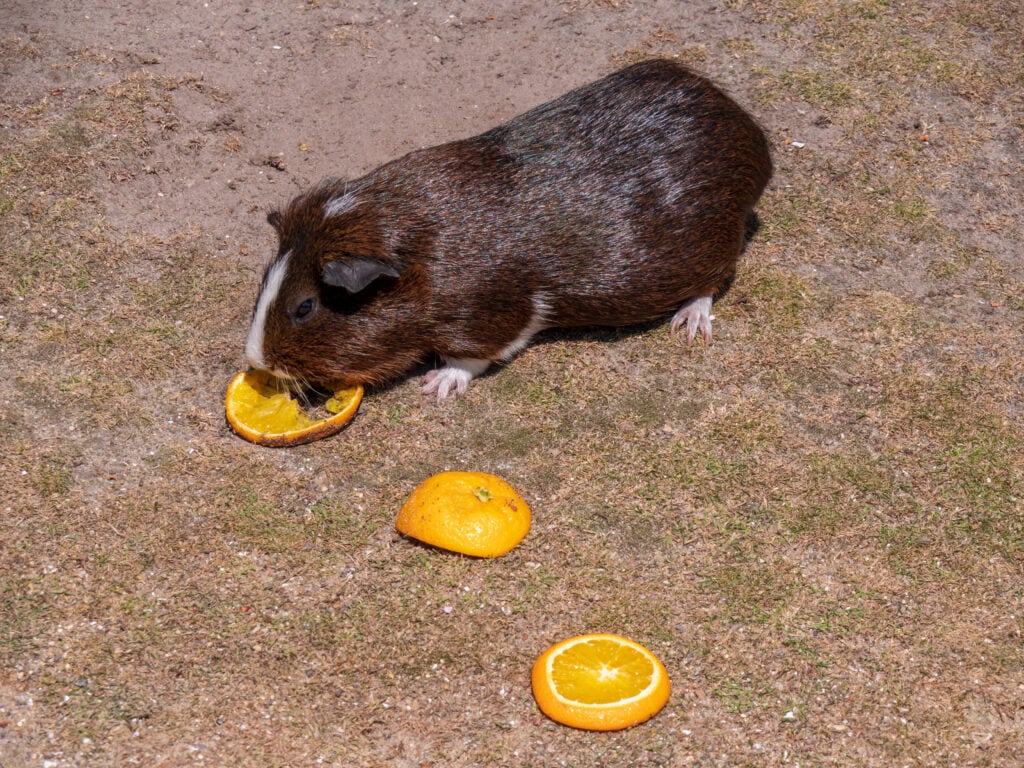
Fruit is high in sugar and should only be offered once or twice a week as a treat. Choose fruits that are high in Vitamin C to maximize their nutritional value. Potential options include:
5. Vitamin C Supplements
Like humans, Guinea Pigs can’t make Vitamin C. They rely on eating Vitamin C-rich foods and taking supplements for the essential nutrient. Ask your veterinarian whether your Guinea Pig needs supplements and how often you should give them, however, a diet consisting of the right balance of foods should meet their requirements.
Other Foods Guinea Pigs Shouldn’t Eat
Besides meat, there are some other foods you should avoid feeding your Guinea Pig. These items include:
Some vegetables, such as broccoli, cabbage, and collards, although a good source of calcium and Vitamin C, may give your Guinea Pig gas and should be fed only rarely. Other vegetables, including spinach, kale, and chard, may contribute to developing kidney and bladder stones. These should also be provided infrequently or avoided entirely.
Conclusion
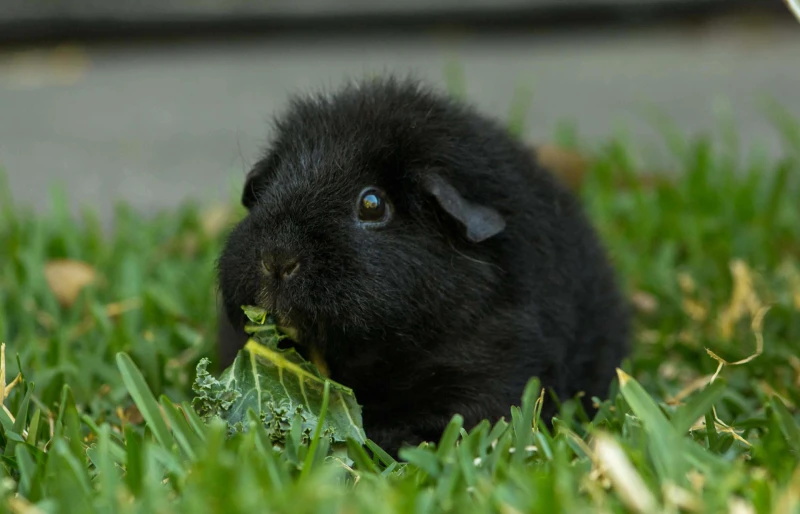
As natural plant eaters, Guinea Pigs should not eat meat or foods containing animal protein. Instead, they require a diet rich in hay and vegetables with the occasional fruit treat. You need to provide fresh water daily and keep an eye on your Guinea Pig for any signs of Vitamin C deficiency, such as an unhealthy coat, weight loss, and pain. You can also consult your exotic animal veterinarian for help formulating a healthy diet for your Guinea Pig.
You might also be interested in:
Sources
Featured Image Credit By: APICE CREATIVE, Shutterstock
Get Hepper In Your Inbox


Pet care tips from our vets and experts, straight to your inbox.
You may opt-out at any time. View our Privacy Policy for more information.
A lifelong lover of all creatures great and small, Elizabeth got her first cat at 5 years old and at 14, she started working for her local veterinarian. After spending more than 20 years working as a veterinary nurse, Elizabeth decided to step away to become a stay-at-home parent to her daughter. Now, she is excited to share her knowledge with our pet parents. Elizabeth lives in Iowa with her family, including her two fur kids, Linnard, a husky mix and Algernon, the worldʻs most patient cat. When not writing, she enjoys reading, watching soccer, and spending time outdoors with her family.
Join the conversation
Ask a question, share your story, or send private feedback.