Hepper is reader-supported. When you buy via links on our site, we may earn an affiliate commission at no cost to you. Learn more.
Can Hamsters Eat Cilantro? Vet-Approved Facts & FAQ


In this article
Keeping a hamster healthy isn’t complicated but requires research and planning. For example, you need to know their basic diet requirements and which foods they can and cannot eat. Hamsters can eat cilantro occasionally, but it shouldn’t be served daily.
Keep reading to learn the facts about feeding cilantro to your hamster. We’ll also answer some frequently asked questions about hamster diets, including when and how much they should eat.

Including Cilantro in Your Hamster’s Diet
Cilantro and other safe fruits and vegetables can be included in your hamster’s diet in small quantities as treats. They should be considered an addition to their diet instead of staple foods. We’ll discuss what should make up the bulk of your hamster’s diet later in this article.
Your hamster will benefit from eating various fruits, vegetables, and herbs. You can rotate the fresh foods you offer each day but keep the portions small.
How to Feed Cilantro to Your Hamster
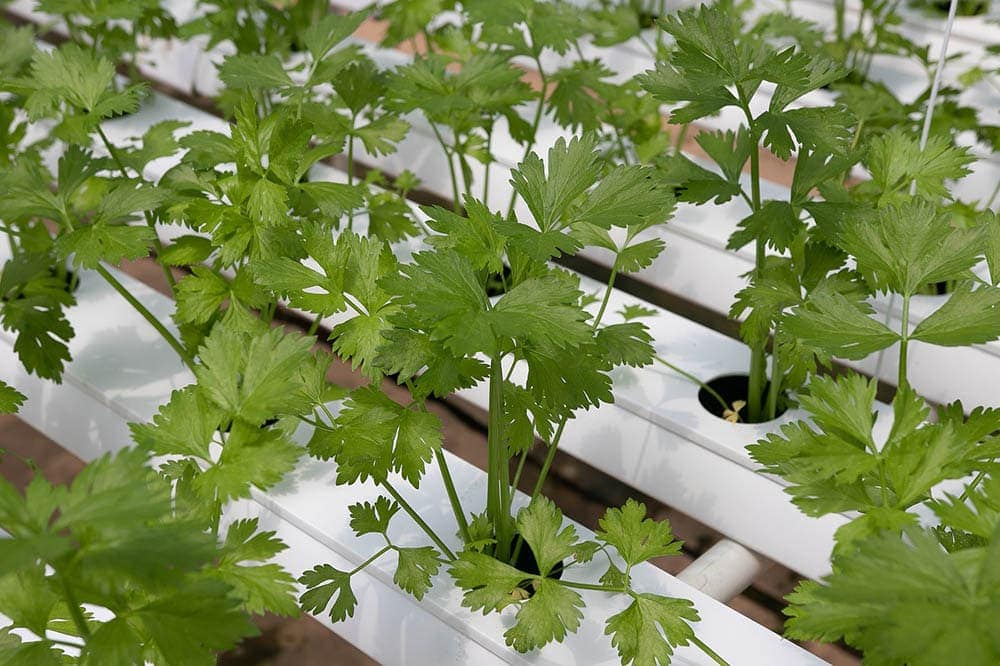
Fresh cilantro can be purchased in most grocery stores or farmer’s markets. It can also be easily grown at home in a garden or pot.
Wash fresh cilantro thoroughly before feeding it to your hamster. Offer a small amount along with other fruits and vegetables as a treat. Remove any uneaten cilantro and other fresh food each day to prevent it from spoiling.
Frequently Asked Questions
What Should Your Hamster’s Main Food Source Be?
Most of your hamster’s diet should be a commercial pellet food formulated for hamsters. Timothy hay should be provided as a source of bedding and dietary fiber. The diet should include a mix of protein, carbohydrates, fat, and fiber. Avoid formulas made primarily of seeds, nuts, and dried fruit. They are usually higher in sugar and fat than is recommended and less nutritious overall. Seeds, fruits, vegetables, and herbs, can be offered as small treats daily; variety is key to keeping your pet healthy.
Which Fruits and Vegetables Can Hamsters Eat?
Most vegetables and fruit are okay for hamsters to eat in moderation. However, avoid feeding citrus fruits like oranges or grapefruit, and stay away from dried fruits or vegetables because they contain a lot of sugar.
Here are some fruits and vegetables they may enjoy:
What Other Foods Can Hamsters Eat?
Hamsters are omnivores, so they should eat some animal protein. Hard boiled or plain scrambled eggs are a good choice. They may also enjoy snacking on mealworms. Whole grain crackers or sugarless cereal can also be offered as occasional treats.

How Much Should Hamsters Eat?
On average, hamsters should eat about 1/8-1/3 cups of pellets daily, supplemented with fresh food, as we discussed. However, your hamster’s dietary needs may vary based on their age, breed, and size. Talk to your vet to determine exactly how much to feed your pet. Hamsters can become overweight if fed too much, so it’s important to calculate their ideal daily calorie intake.
When Should You Feed Your Hamster?
Hamsters are nocturnal and may prefer to eat at night. Feed pellets at any time, but try feeding fresh food in the evening. Remove any uneaten fresh food in the morning. If your hamster consistently leaves fresh food uneaten, try decreasing their portions.
Conclusion
Hamsters can eat cilantro but only as a treat or supplement to their regular diet. Provide a balanced, commercial pellet diet as their primary food and include cilantro as part of a rotation of fresh fruits and vegetables. In addition, make sure your hamster has fresh water daily. If you’re concerned your hamster isn’t getting the proper nutrition, talk to your veterinarian about adjusting your pet’s diet.
See Also:
Featured Image Credit: solucionindividual, Pixabay
Get Hepper In Your Inbox


Pet care tips from our vets and experts, straight to your inbox.
You may opt-out at any time. View our Privacy Policy for more information.
A lifelong lover of all creatures great and small, Elizabeth got her first cat at 5 years old and at 14, she started working for her local veterinarian. After spending more than 20 years working as a veterinary nurse, Elizabeth decided to step away to become a stay-at-home parent to her daughter. Now, she is excited to share her knowledge with our pet parents. Elizabeth lives in Iowa with her family, including her two fur kids, Linnard, a husky mix and Algernon, the worldʻs most patient cat. When not writing, she enjoys reading, watching soccer, and spending time outdoors with her family.
Join the conversation
Ask a question, share your story, or send private feedback.