Hepper is reader-supported. When you buy via links on our site, we may earn an affiliate commission at no cost to you. Learn more.
Can Hamsters Eat Tomatoes? Vet Approved Facts & Safety Tips


In this article
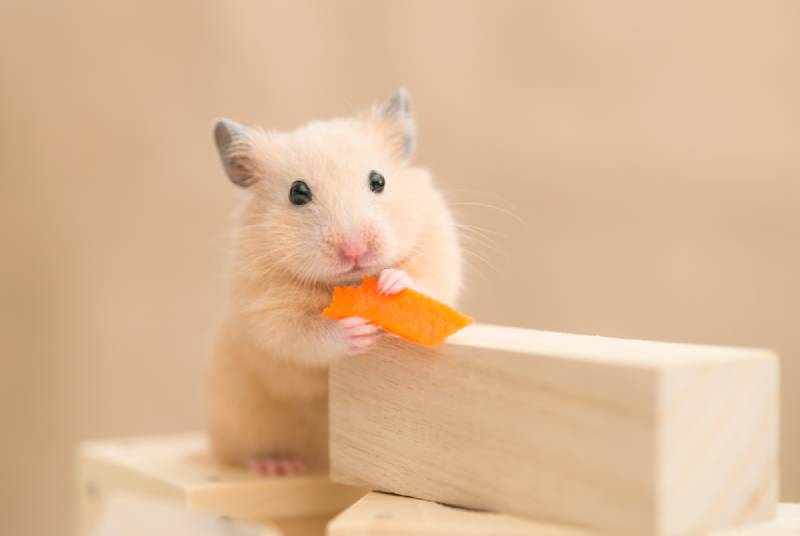
Hamsters love nibbling on a range of different foods in addition to their standard pellet diets. That said, not every kind of food is safe for them, so it’s good to be clued up. As for tomatoes, hamsters can eat a little bit of ripe tomato on occasion, but these fruits shouldn’t be a mainstay of their diets. Read on to learn more.

Are Tomatoes Safe for Hamsters?
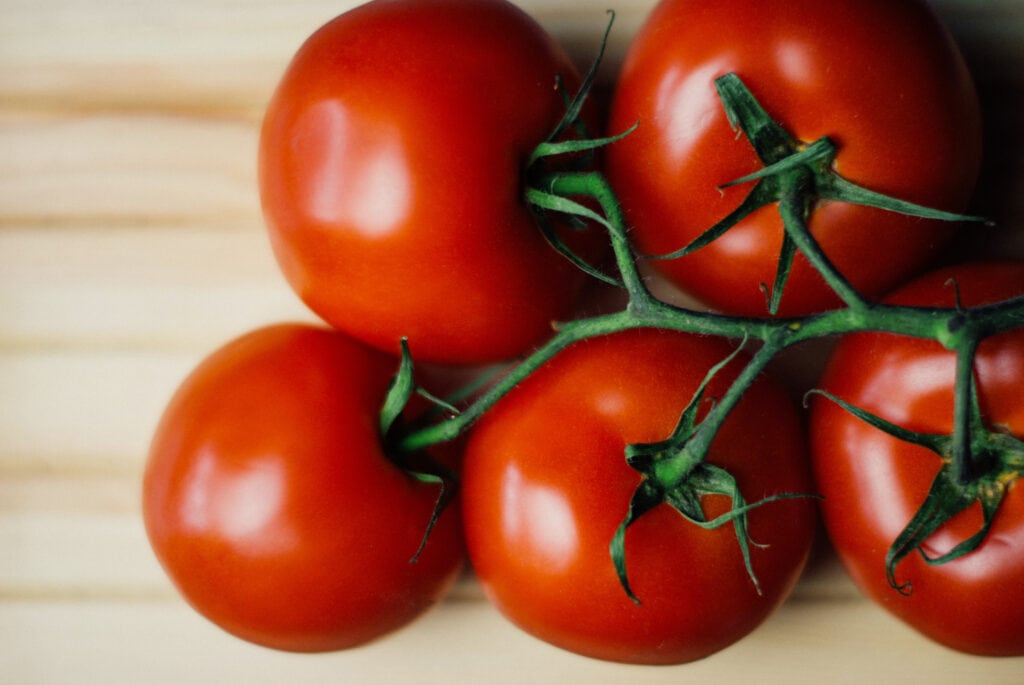
If fed completely ripe, in small amounts, and only from time to time to hamsters over 12 weeks of age, tomatoes are okay for hamsters to eat. However, avoid feeding green, unripe tomatoes or any parts of the tomato plant, as this may make your hamster sick.
It’s also essential to bear in mind that tomatoes are acidic, so feeding a hamster too much could cause digestive upset. In severe cases, the diarrhea caused by an upset stomach can be life-threatening if your hamster becomes dehydrated and can’t rehydrate itself. Hamsters are very little and can quickly be affected by dehydration as a result of diarrhea, so be careful.
This is why it’s so crucial to stick to feeding very small amounts of tomato as a treat on occasion if your hamster has a taste for them. They’re not ideal for inclusion in your hamster’s daily diet.
What Do Hamsters Eat?
The base of a hamster’s diet should be hay and a pellet mix, though it’s wise to avoid muesli-style mixes. These might look pretty, but as explained by the PDSA, it’s common for hamsters to pick out the fibrous pieces and only eat the sugary pieces, which can lead to obesity and dental problems.
A complete pellet mix from a high-quality brand is a better choice. You can ask your vet for diet recommendations if you’re not sure which brand of pellets to choose.
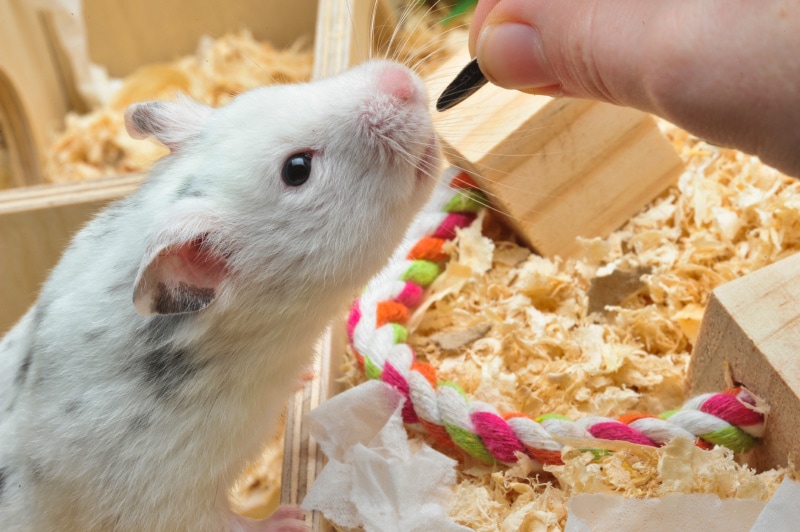
Hamsters are omnivorous animals, so they enjoy a wide range of different food types in addition to their regular pellet-style diet, including timothy hay, small amounts of vegetables and fruits, seed mix (hamsters eat seeds in the wild but they’re high in fat, so moderation is best), and even protein sources like mealworms and small amounts of boiled egg as treats now and again.
Avoid overindulging your hamster in fruits and vegetables; a teaspoon’s worth per day is plenty. Too much fresh produce can cause diarrhea, which can be dangerous for hamsters. For some variety, you can cut different fruits and vegetables into very small pieces.
Safe Foods for Hamsters
Hamsters love variety; it keeps things interesting and helps them reap multiple nutritional benefits. As a guideline, here are some examples of safe foods (to be fed in small amounts) for hamsters to supplement their pelleted diet with. Below that, we’ll share some popular treats to feed on occasion. Don’t forget to wash fresh produce before feeding it to your hamster!
Reminder: A teaspoon’s worth of fresh foods per day is enough for hamsters. Offering too much can cause a stomach upset. If fruits contain any seeds, stones/pits, or leaves, remove these before feeding.
- Seedless apples
- Blueberries
- Banana
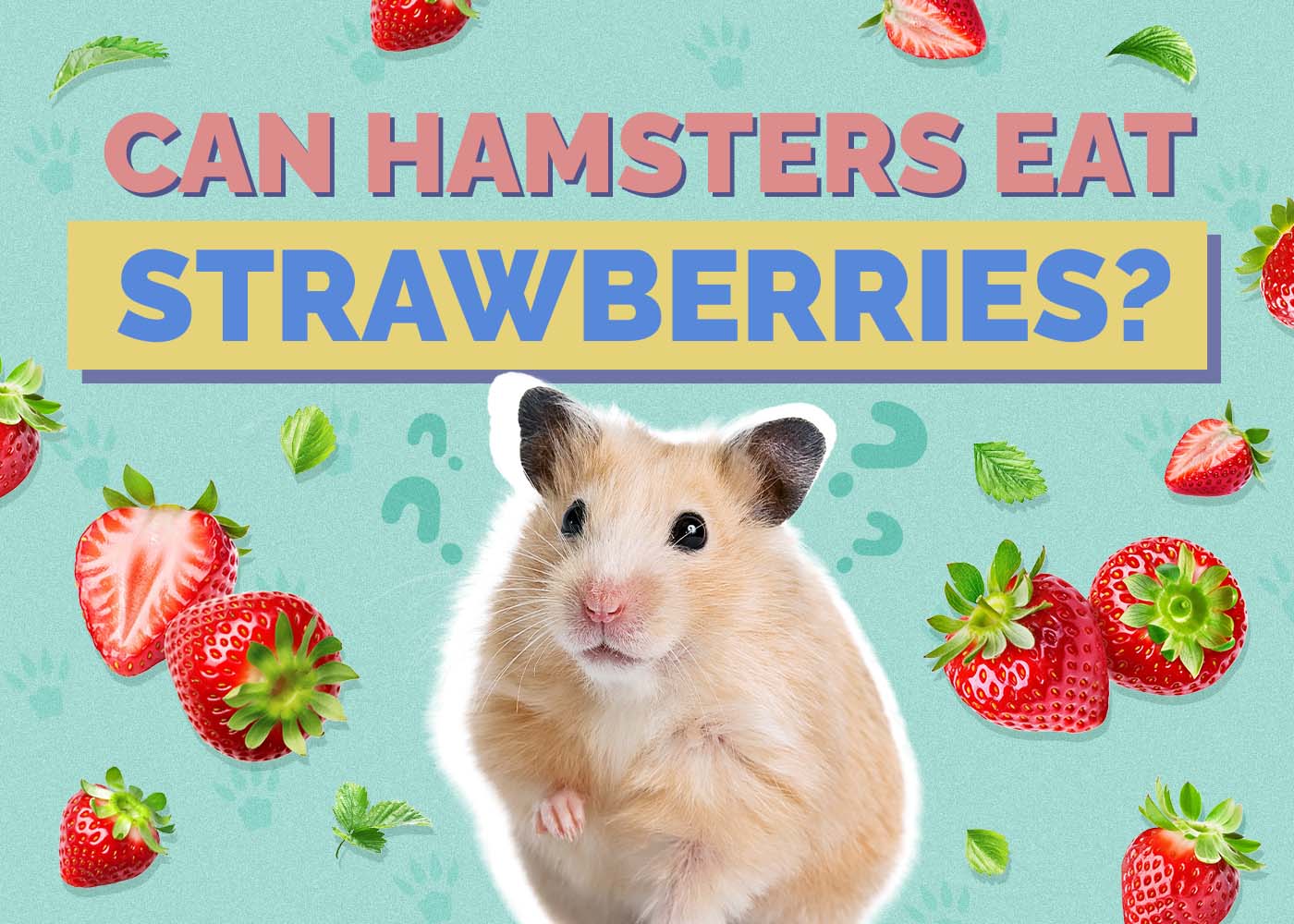
- Strawberries
- Pears
- Peaches
- Melon
- Sweet peppers
- Cucumber
- Broccoli
- Chicory
- Spinach
- Cabbage
- Cress
- Courgette
- Lentils
- Kale
- Squash
- Peas
- Dandelion greens
- Cooked potatoes
- Basil
- Parsley (not fool’s parsley)
- Coriander
- Sage
- Timothy hay
- Sunflower seeds
- Seed mix
Ideal Treats For Hamsters
Ideal treats for hamsters
Unsafe Foods for Hamsters
Here are some of the foods that are not suitable for hamsters, for various reasons. Some foods, like chocolate, are toxic to hamsters, whereas others, like citrus fruits, cause digestive upset.
Steer clear of these foods:
In addition, be careful when it comes to picking wild plants for your hamster; some are toxic to hamsters.
Toxic plants include (but are not limited to):
Hamster Feeding Fun
Hamsters like to have a good time as much as the next furry mammal, and greatly appreciate variety and little challenges. Feeding time is perfect for offering your hammy some mental stimulation.
Here are some tips for making feeding time more interesting for your hamster:
Final Thoughts
To recap, hamsters can eat tomatoes, but only in very small amounts and on occasion. When you introduce new fresh foods, be sure to do so gradually and in moderation. Keep an eye on your hamster to make sure they don’t develop diarrhea or other changes.
If your hamster does experience diarrhea, please contact your vet, and ensure your hamster has access to clean water to rehydrate. A needle-free syringe can be useful for getting your hamster to drink until you can get to the vet.
See also:
Featured Image Credit: Milton Buzon, Shutterstock
Get Hepper In Your Inbox


Pet care tips from our vets and experts, straight to your inbox.
You may opt-out at any time. View our Privacy Policy for more information.
Kit Copson is a freelance writer and lifelong animal lover with a strong interest in animal care. She has parented various furry beings over the years and is currently a proud cat mom of two—one skittish but adorable Domestic Shorthair and very chilled (unless hungry) Siamese and a —and dog mom of one—an adopted Bichon Poodle cross. When not writing about or spending time with pets, Kit can be found doodling in her sketchpad, reading, or more often than not, drinking tea.
Join the conversation
Ask a question, share your story, or send private feedback.