Hepper is reader-supported. When you buy via links on our site, we may earn an affiliate commission at no cost to you. Learn more.
Can Turtles Eat Avocado? Our Vet Answers

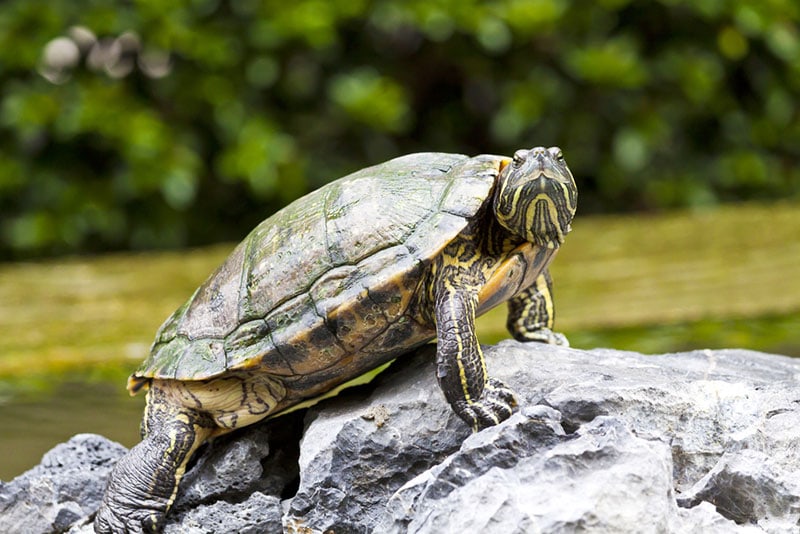
Turtles are very popular reptiles to keep because they have such a versatile diet and easy care needs. When creating a menu of fresh fruits and vegetables for your little shelled friend, you might wonder which are safe and which are not so much.
Avocados are notoriously toxic to pets and are not recommended for turtles. Even though the superfood is excellent for human beings, the same sentiment does not extend to your shelled friends.
Here we will explain why avocado is a bad choice for your turtles and the dangers of consuming any part of them.

Turtles Cannot Eat Avocado
All parts of the avocado plant are toxic to many non-human species. There are plenty of other fruits and veggies to enjoy, but avocado is not one of them. Turtles should not have any part of the avocado plant, including:
- Roots
- Leaves
- Pit
- Stems
- Flower
- Fruit
Avocados contain a component called persin, a toxic compound to many domestic pets. For this reason, avocado is not advised for pets, even for species on which avocado hasn’t been tested thoroughly on (such as turtles). The leaves of the plant contain the highest amount of this toxin.
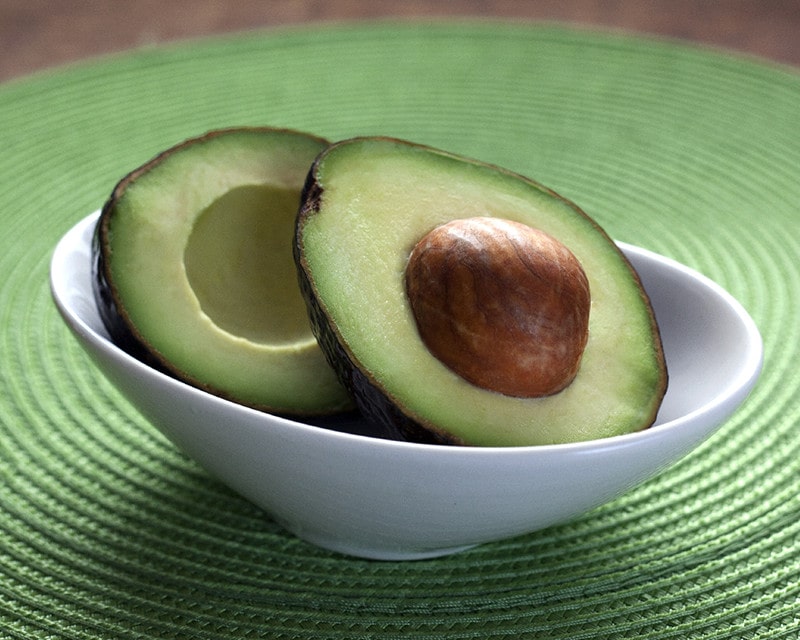
What Is an Avocado?
| Common Name: | Avocado fruit |
| Latin Name: | Persea americana |
| Family Name: | Lauraceae |
| Native to: | Mexico |
In the human world, avocado is a godsend. It has many health benefits, healthy fats, and other nutrients that aid our overall health. However, the same sentiment does not extend to many animals, including our closest domestic pets.
Avocado is a tree-grown fruit with soft green fruit flesh and a hard, round pit. This pear-shaped food is often enjoyed in its native habitat by animals like mice, rats, squirrels, and birds.

Why Is Avocado Bad for Turtles?
Avocado is bad for your turtles for several reasons. As we mentioned above, the fruit contains persin. The purpose of this toxin is to keep the plant safe from various species of fungi. Within the fruit, the toxin leeches into the flesh from the seed.
In ripe avocados, the concentration of persin is generally low enough to where it is considered harmless for human consumption. However, avocados are toxic for many animal species, including cattle, goats, rabbits, guinea pigs, budgies, cockatiels, canaries, and fish. Though specific studies haven’t been conducted on determining the toxic dose in reptiles, it is best to assume that avocado is toxic to them. This is because there have been studies in birds showing its toxicity. The relative evolutionary closeness of birds and reptiles postulates that avocado is likely toxic for reptiles as well.
The amount of persin required to produce a toxic effect varies by species. Some species of the same class of animals seem more resistant to the effects of avocados when compared to others. For example, chickens and turkeys seem more resistant to avocados when compared to birds, such as cockatiels or canaries. Therefore, some reptiles (possibly herbivorous ones) might be more resistant towards avocados than others. However, veterinarians agree that it is not worth the risk to feed your pets avocados.
Furthermore, the amount of persin produced by the plant itself will vary depending on its variant, the environment it is grown in, its parental cross, and the amount of nutrients it gets from the soil while it grows. In other words, it isn’t possible to know how toxic an avocado is just by looking at it, which further makes it all the more risky to feed a pet.
Within the body, person induces the following toxicities:
How these effects come about isn’t properly understood. The primary mechanism of action which results in death is the loss of heart function. Signs of heart function loss are apparent within 1 to 2 days of ingestion (depending on the dose), and as heart function deteriorates, other signs, such as difficulty breathing, lethargy, a lack of appetite, unexplained swelling, and, if left untreated, death, may occur.
How Is Avocado Toxicity Treated?
There is no diagnostic test which can confirm avocado toxicity, and most cases of avocado toxicity are diagnosed based on the signs an animal presents and the history of possible avocado consumption. Veterinarians typically assume a presumptive diagnosis if all other possibilities are ruled out. These include the ingestion of other toxins or heart diseases.
Treatment of avocado toxicity isn’t specific. There’s no medication which can extract persin from the body, and veterinarians assess each case on an individual basis. Treatment is focused on controlling the signs of toxicity. For example, diuretic drugs might be used to assist with heart issues. Likewise, anti-inflammatory drugs might be used to combat inflammation, and oxygen therapy might be used for patients that are struggling to breathe.
What to Do if Your Turtle Consumed Avocado
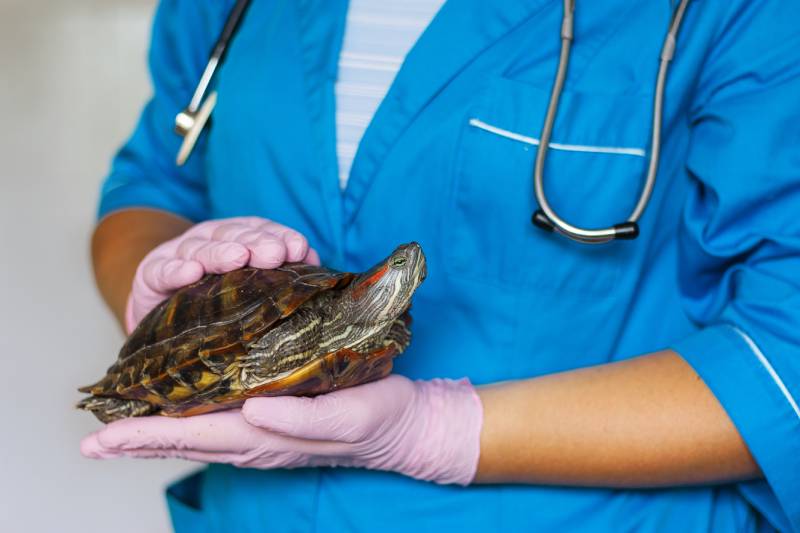
If you accidentally offer your turtle some avocado, observe someone offering them avocado, or if you suspect a roaming pet might have ingested an avocado, immediately take them to your veterinarian. It is worth noting though that turtles rarely ingest items they perceive as noxious, and avocado ingestion in turtles is considered rare. Nonetheless, the risk does persist.
You should not wait for any signs to present themselves prior to taking your pet to the veterinarian. In addition, you should not attempt to make your pet vomit at home, and you should not try to administer any medication in hopes of treating the toxicity by yourself.
Conclusion
What’s the takeaway? Never feed your turtle avocado for any reason.
The evidence of toxicity in many species, and the general consensus among the veterinary community of the risks of this fruit means that it is best to never take a chance with your pet’s health and offer them other safer foods instead.
Featured Image Credit: Louis Hansel, Unsplash
Get Hepper In Your Inbox


Pet care tips from our vets and experts, straight to your inbox.
You may opt-out at any time. View our Privacy Policy for more information.
Dr. Luqman grew up with an extreme fondness for animals and turned a childhood dream into reality by becoming a veterinarian. His goals are now focused on helping pet owners understand their pets better in order to ensure the best quality of life for all pets globally. He is passionate about wildlife, exotic pets, pet owner education, and animal welfare. Luqman has 3 years of professional experience working with a variety of animal species. He has skills in demonstrating proper animal husbandry and training some exotic species, such as parrots. Additionally, he has decades of personal experience with keeping many exotic pets: freshwater fish, parrots, songbirds, chickens, ducks, turtles, and hamsters.
Dr. Luqman grew up with an extreme fondness for animals and turned a childhood dream into reality by becoming a veterinarian. His goals are now focused on helping pet owners understand their pets better in order to ensure the best quality of life for pets all around the world. His passions are wildlife, exotic pets, pet owner education, and animal welfare.
Education
Luqman received his degree from Universiti Putra Malaysia.
Experience
Luqman has 3 years of professional experience working with a variety of animal species. He has skills in demonstrating proper animal husbandry and training some exotic species, such as parrots. Additionally, he has decades of personal experience with keeping many exotic pets: freshwater fish, parrots, songbirds, chickens, ducks, turtles, and hamsters.
Join the conversation
Ask a question, share your story, or send private feedback.