Hepper is reader-supported. When you buy via links on our site, we may earn an affiliate commission at no cost to you. Learn more.
Can Turtles Eat Fruit? 12 Vet-Reviewed Nutritious Options


In this article
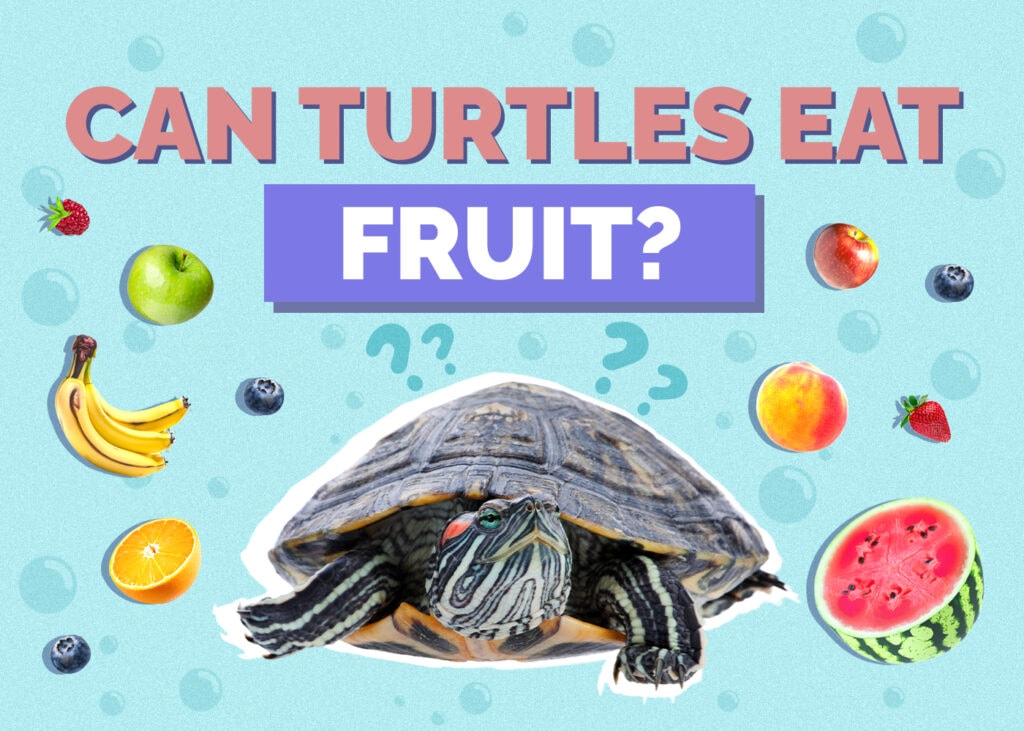
When it comes to food, turtles aren’t very picky. They are happy to chew on vegetables, animal-based foods, and, of course, fruit. That’s right: turtles do like to occasionally enjoy some apples, strawberries, and grapes. Some of the vitamins and minerals contained in fruits are essential for turtles, but they should only be fed in small amounts, and some fruits should not be fed to them at all (eg. avocados and citrus fruits)
So, how do you know which fruits to pick? Should tomatoes and grapes be a part of a turtle’s diet? What about blueberries? Let’s find out what we can feed our shelled companions to ensure maximum enjoyment and minimal problems!

Why Feed Fruits to a Turtle? The Biggest Pros
Just like humans, turtles need the right vitamins, minerals, and fiber to function and thrive. You could buy supplements of course, but the best way to provide your turtle with the right balance of nutrients is with a proper, well-balanced diet. Here’s a quick look at the perks of adding fruits to a turtle’s diet (keep the slices small and don’t force any of the fruits upon the turtle. Let it choose!):

The 12 Fruits Turtles Can Eat
1. Apples: Rich in Vitamin C & Antioxidants
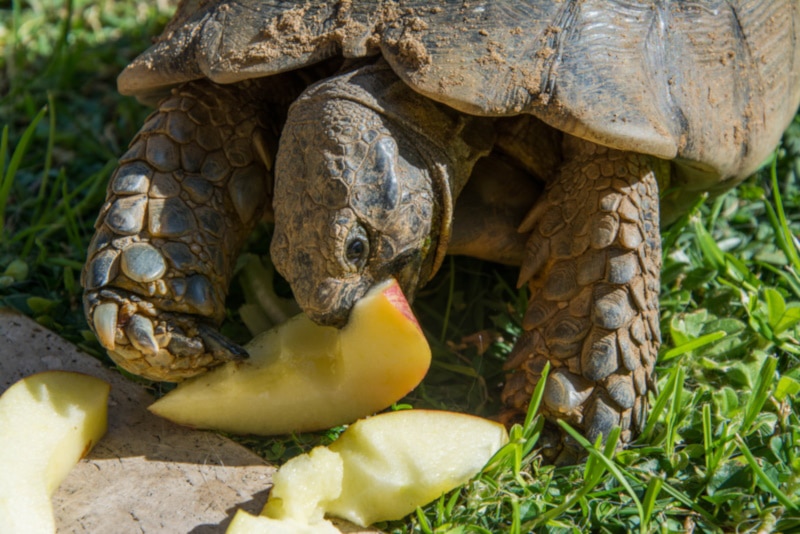
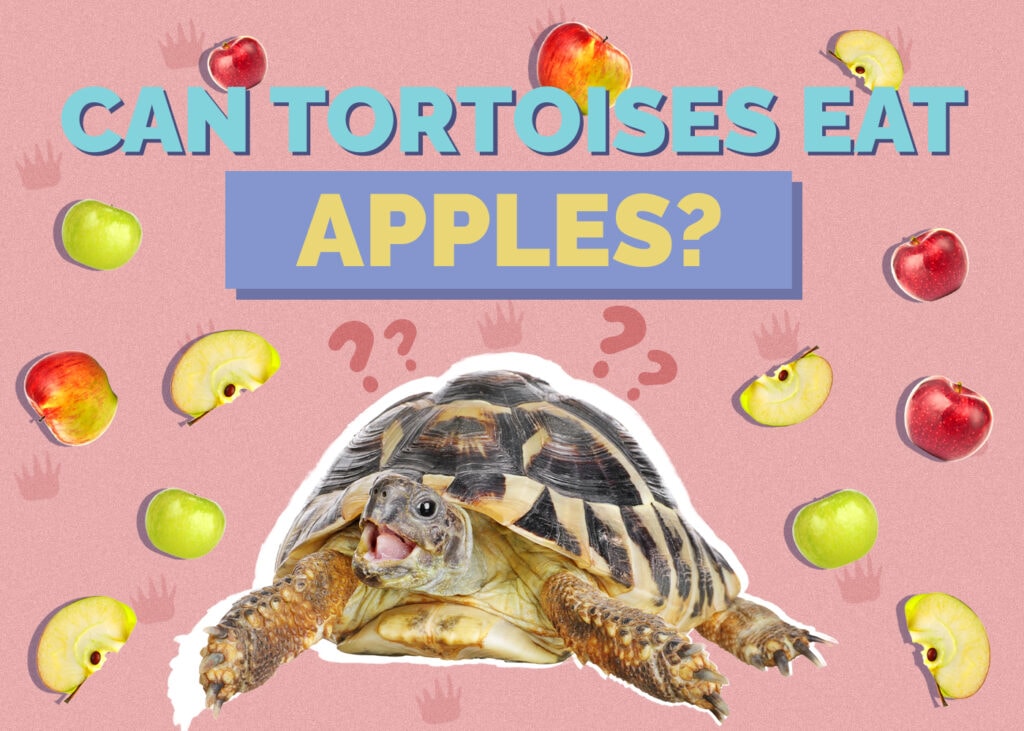
In the wilderness, turtles are often spotted munching on apples that have fallen to the ground. This fruit is rich in vitamin C and comes packed with a mighty bunch of antioxidants to keep the digestive system going like clockwork. One of the best things about apples—they are safe for turtles to eat regularly. They do contain phosphorus, though. So, keep the portions small.
Ideally, the apples should be organic, not treated with pesticides. Apple seeds contain small amounts of organic cyanogenic glycosides (cyanide), so be sure to remove these before feeding them to your turtle.
2. Grapes for Vitamins & Iron
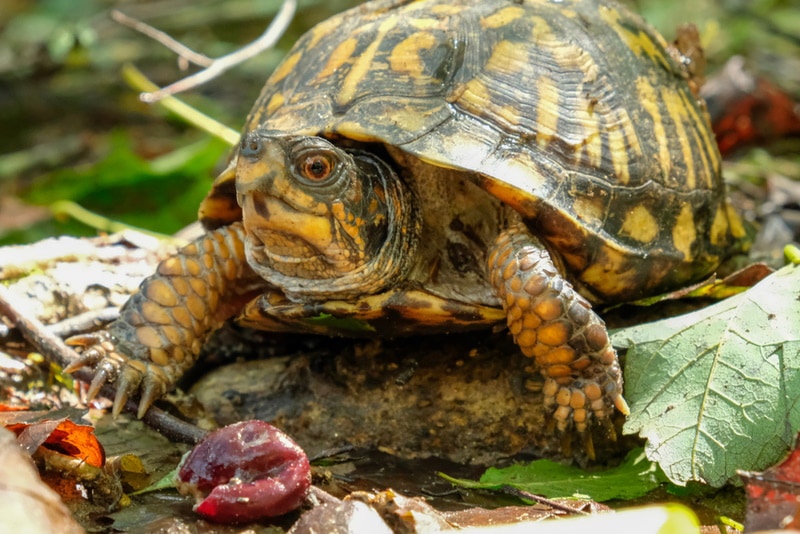
Did you know that grapes are rich in vitamins A, B-complex, C, and E? That’s right! Add a high concentration of calcium, phosphorus, iron, and antioxidants, and you’ll see why grapes are often “prescribed” by animal doctors. Now, this fruit also has ample amounts of sugar and carbs. For this reason, you need to be careful not to overfeed the turtle.
Instead of letting the turtle have grapes every day, make it a once-a-week kind of treat. Also, keep your eyes on the pet: it might be that your shelled companion doesn’t like the taste. Always remove the seeds and slice the bigger grapes for effortless consumption. Most turtles can easily swallow smaller grapes, though.
3. Watermelons to Boost the Immune System
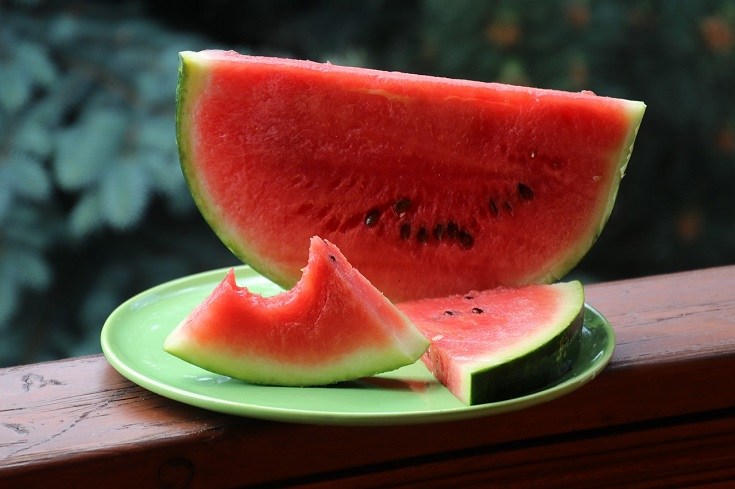
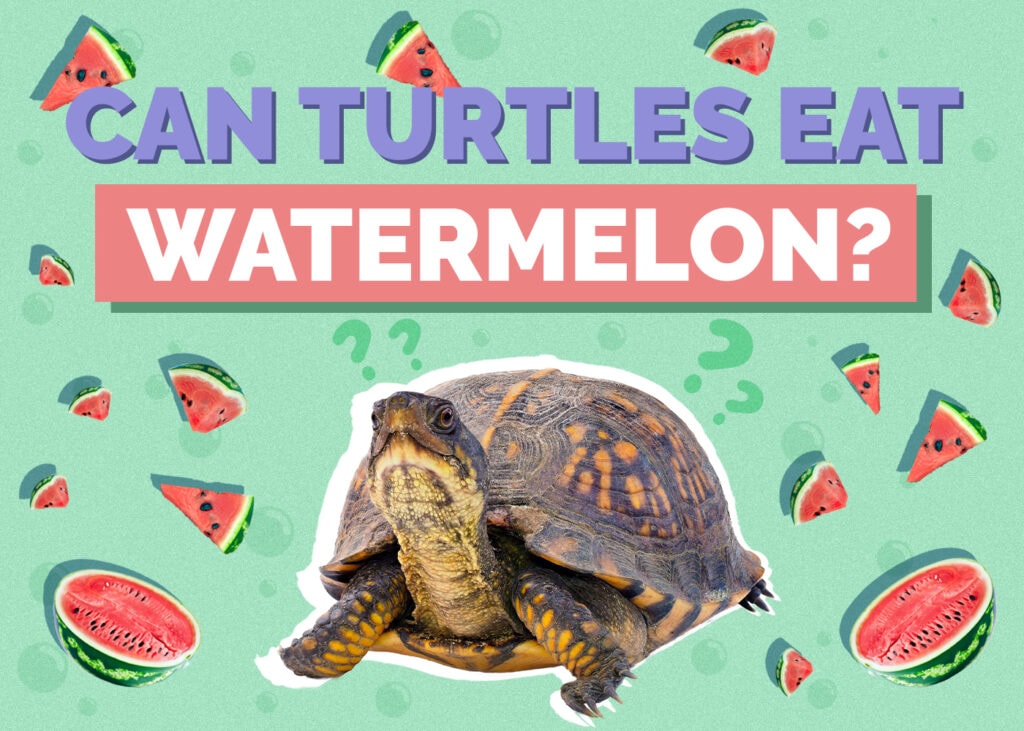
This exotic fruit doesn’t always get the recognition it deserves. True, turtles might not necessarily go for watermelons in the wilderness, but you should still give them a chance. First, this fruit is arguably the best way to stay hydrated (watermelons are 92% water; hence the name). Secondly, a single cup of this exotic treat carries impressive nutritional value.
We’re talking about 12 mg of vitamin C, 170 mg of potassium, and 0.26 mg of vitamin A. There’s no cholesterol or fat in it, which is great news for the turtle’s immune system and overall well-being. Again, remove the seeds and rind and keep the fruit fresh.
4. What About Melons or Cantaloupe?
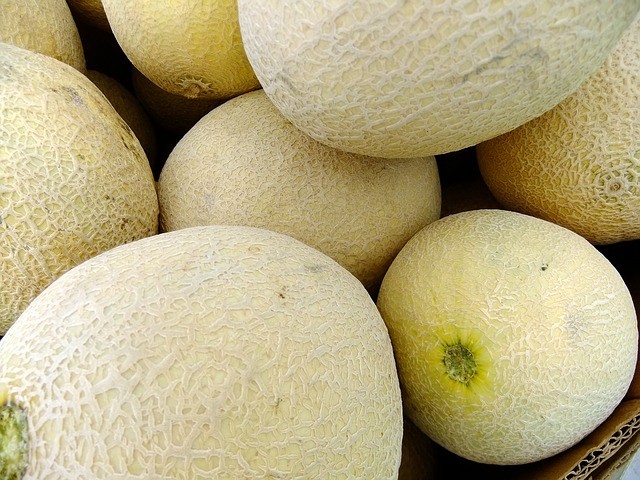
For the most part, these fruits are the same; and they’re the “close relatives” to watermelons. But their composition is a bit different. Melons have fiber, copper, and a long list of vitamins: A, B6, K, and C. So, if you want to keep things interesting for the turtle, melons, and cantaloupes can be used as a treat.
5. Strawberries: Nutritious, Yet Sugary
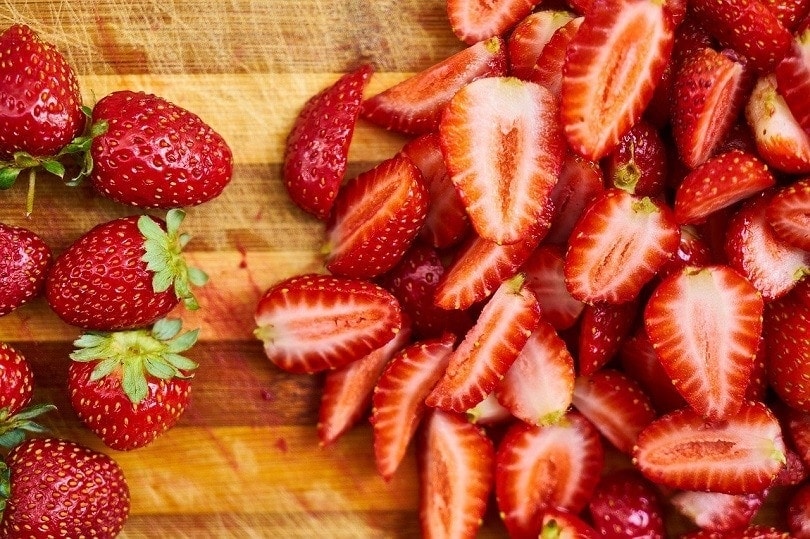
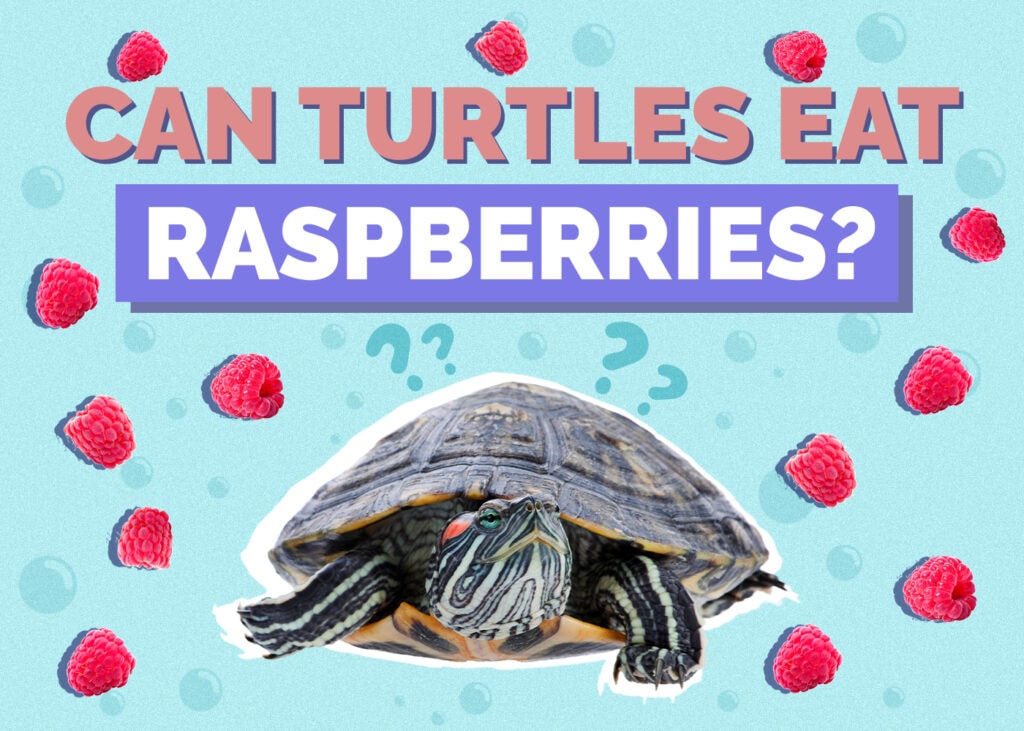
Even the tiniest strawberries contain high doses of sugar, and that’s not what we want for our turtles. That said, if you keep the portions small, strawberries will make an excellent (and regular) source of vitamins C and B9 and potassium. Put them on a plate or try hand-feeding the pet. If the slowpoke shows little interest in strawberries, it might like raspberries better.
6. Blueberries & Blackberries: A Tasty Treat
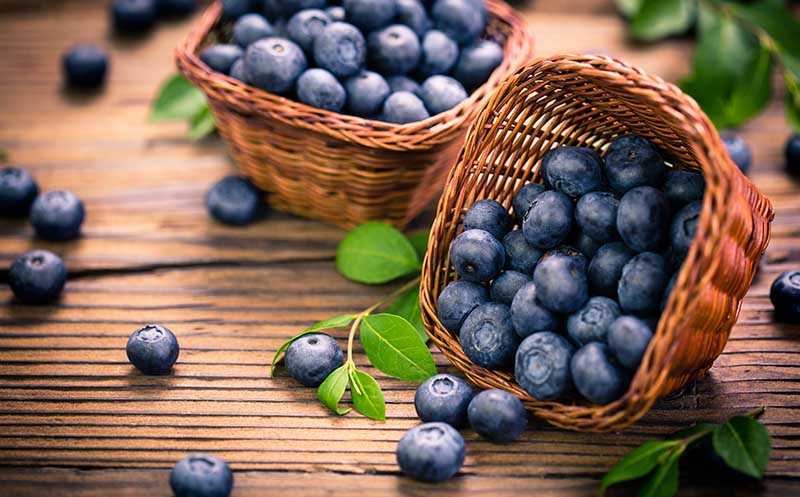
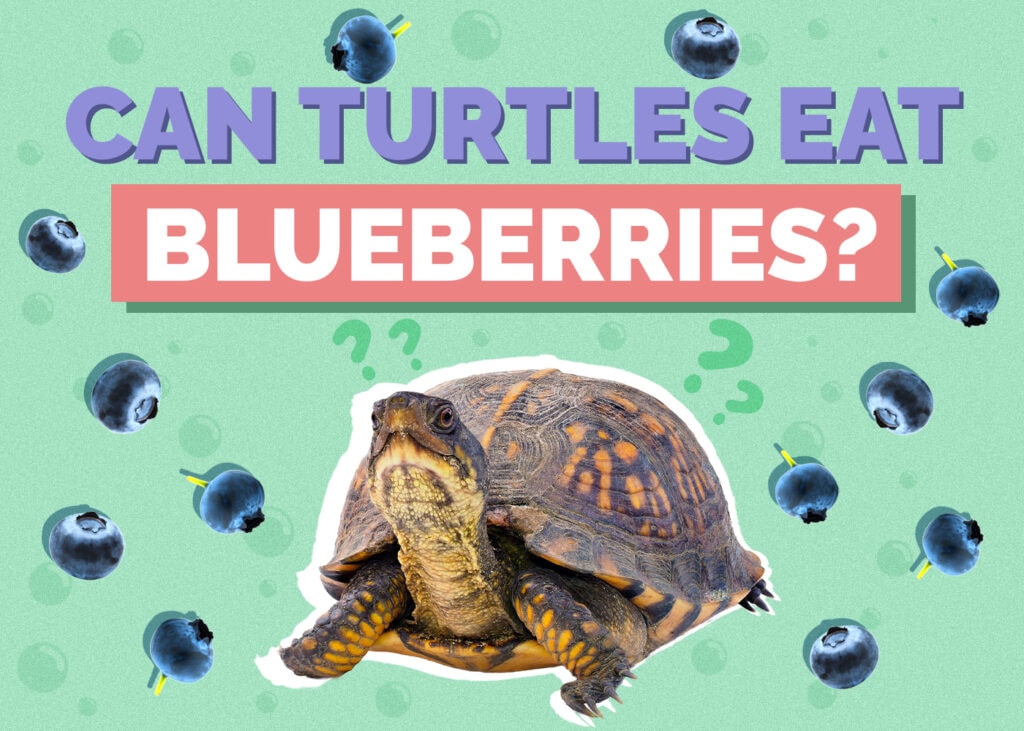
Hold on: we’re not done with the berries just yet! To replenish the turtle’s calcium, magnesium, and vitamin C/K levels, you can always go for blue or blackberries. They are classified as one of the healthiest fruits for turtles. But, again, they’re very sweet, which means high in sugar, which is why they’re an occasional treat, not something you should feed the pet daily.
Too many blueberries are bad news for a turtle’s digestive system. Also, consider mixing the berries up to create a rich diet for the turtle.
7. Papayas for the Unique Flavor
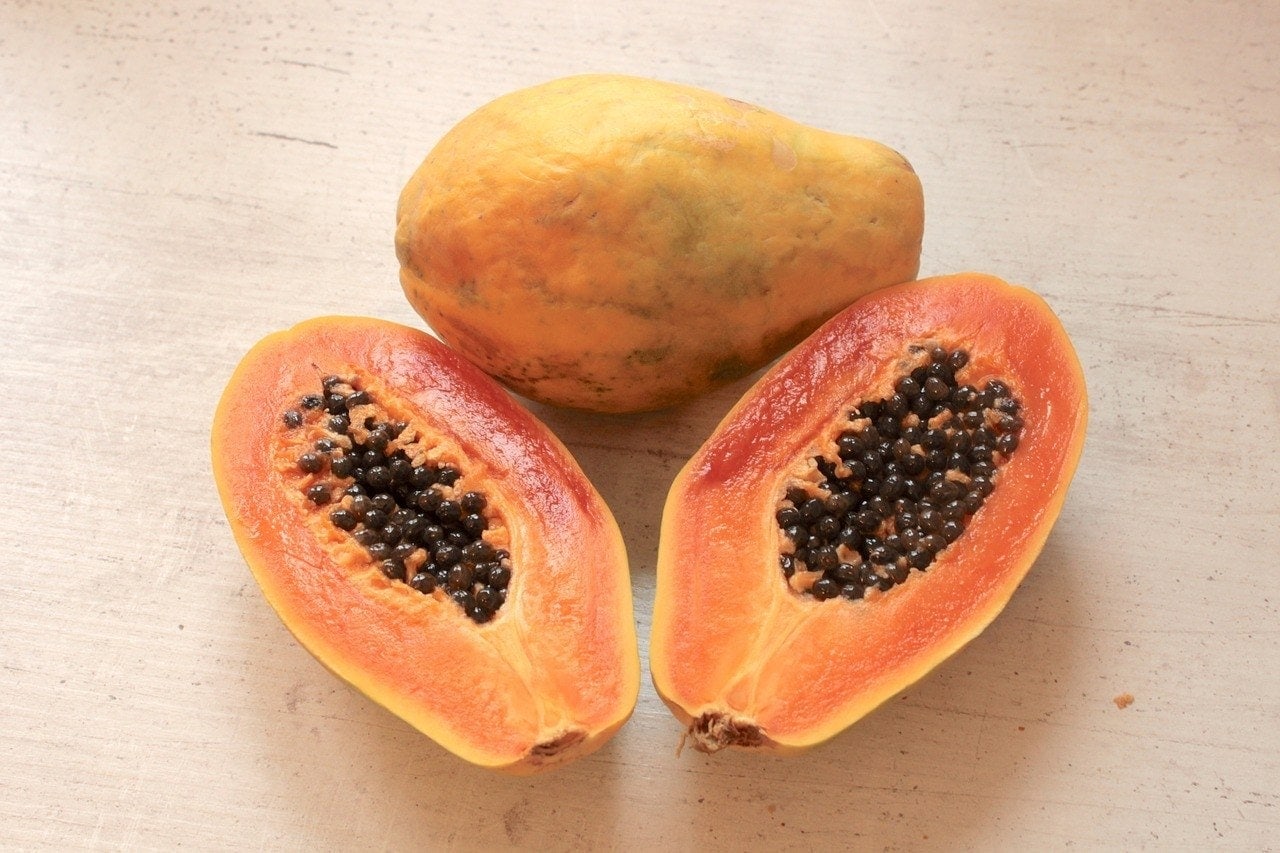
What about papayas: are they worth a try?
Well, if you want to boost your turtle’s vitamin levels (A and C), then the answer is yes! Papayas are not as sugary, though, so you can use them more frequently than some other fruits. Start with itty-bitty portions and wait for the pet’s reaction.
8. Tomatoes for Vitamin K
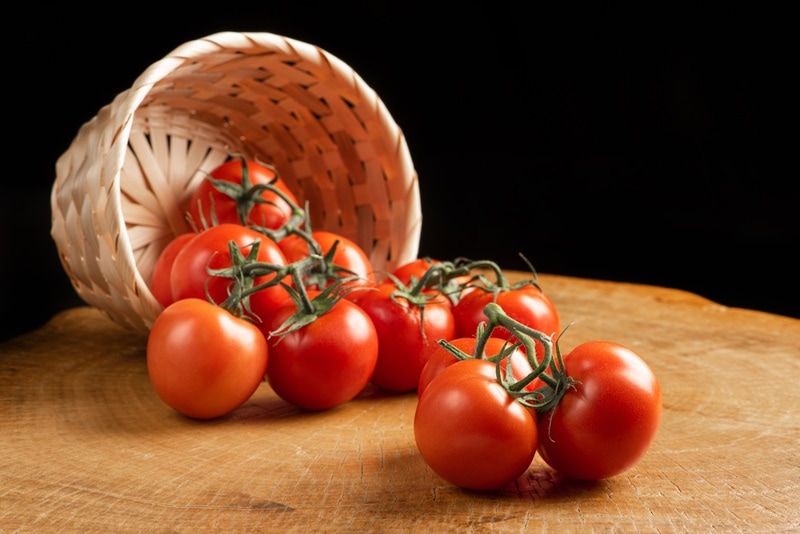
Tomatoes are a tasty source of vitamins C, K, B, and potassium. Since tomatoes are not at all high in sugar, they are often included in turtle meals as a safe and healthy ingredient. And, as luck would have it, turtles love to snack on tomatoes.
This isn’t an everyday treat, though: once a week will be more appropriate. Also, the tomatoes have to be ripe (nice and red). Green fruits are NOT good for turtles.
9. Fig & Guava: Calcium & Magnesium
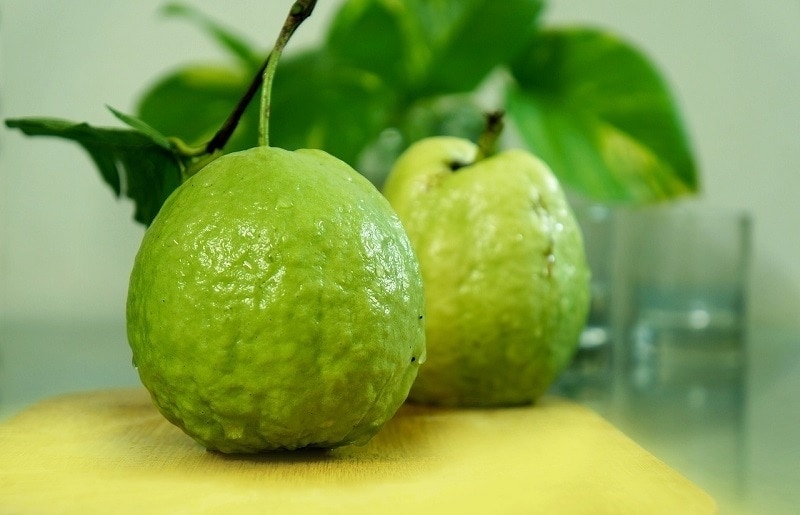
Turtles rely heavily on calcium to strengthen their bone structure and shell. Calcium also aids in digesting food. The lack of this critically important mineral affects the muscles, makes the shell soft, and (potentially) leads to anorexia. Now, figs are rich in calcium and are widely recognized as one of the safest treats for a turtle. Magnesium, potassium, and vitamin A are also a part of the picture.
As for guavas, these fruits have antioxidants and lots of vitamin C. You’ll get plenty of calcium and potassium with guavas as well, along with fiber. Occasional treats: that’s the best way to serve figs and guavas to a turtle. This way, you’ll be able to keep the pet’s diet interesting, boost the calcium levels, and help the turtle’s body function properly.
10. Bananas
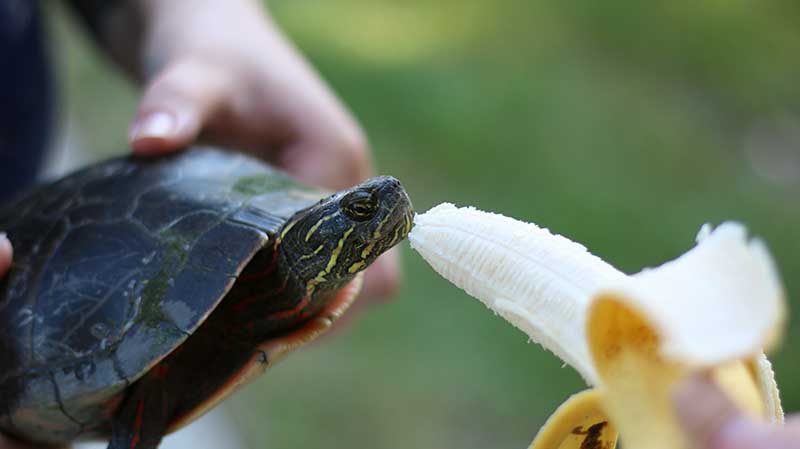
Turtles love bananas, and they are packed with vitamins and minerals. They are safe for them to eat, and they seem to really enjoy the texture! However, they should only be fed in moderation, as they contain a lot of sugar, and their phosphorus to calcium ratio is not ideal for our shelled friends.
11. Pumpkins & Squash for Variety
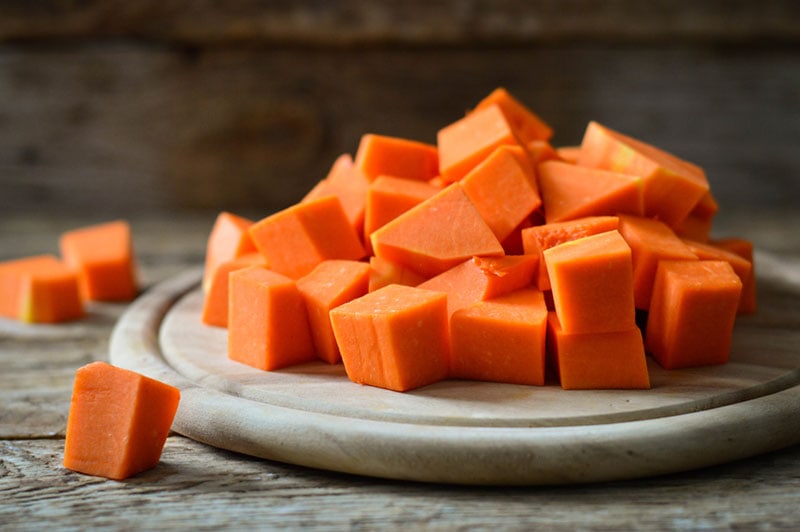
That’s right: pumpkins and squash are also classified as fruits since they grow from a flower and have seeds. Therefore, if you haven’t already included them in the turtle’s diet, now will be the right time to start. Most likely, the pet won’t be super excited about these treats, but we still encourage you to offer some to see where that gets you.
Squash has high vitamin content (A, B, and C); with pumpkins, the turtle will get vitamins A, B1, B6, and C, along with fiber and folate.
12. Mangoes & Pears for Fiber
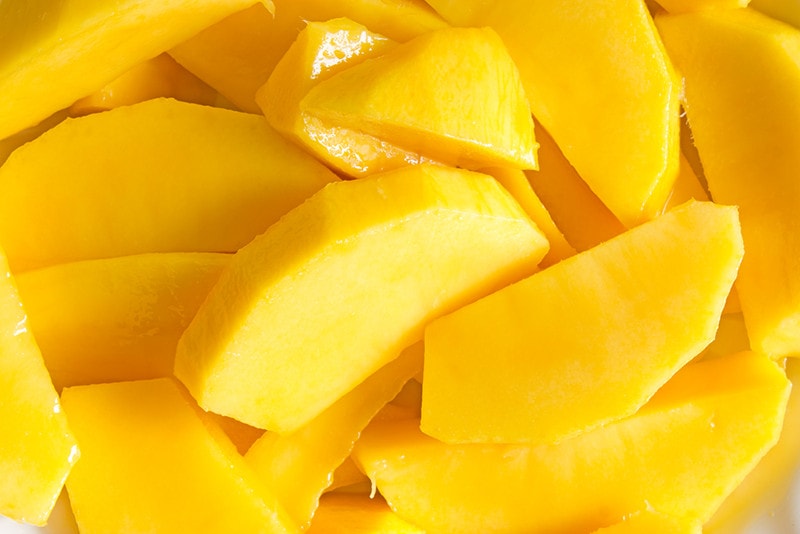
If your turtle is having issues with bowel movement, a slice of mango could be able to fix the issue. Pears are also praised for their high fiber content. Some vitamin C and potassium won’t hurt the turtle, either. But the rule of thumb is the same here: don’t let the pet have too many pears or mangoes. Both fruits are extremely sugary and could do the turtle more harm than good.
A single mango has up to 45 grams of sugar—that’s a lot even for an adult human. Therefore, if you’re looking for a snack to enjoy with your pet turtle and lose some weight, it’s not the best pick. But, as a rare treat for the two of you, this fruit does make sense.
Feeding Fruits to a Pet Turtle: The Basics
Less is more: that’s the most important rule to serving fruits to a turtle. To play it safe, the fruits should only cover 5-10% of the pet’s diet.
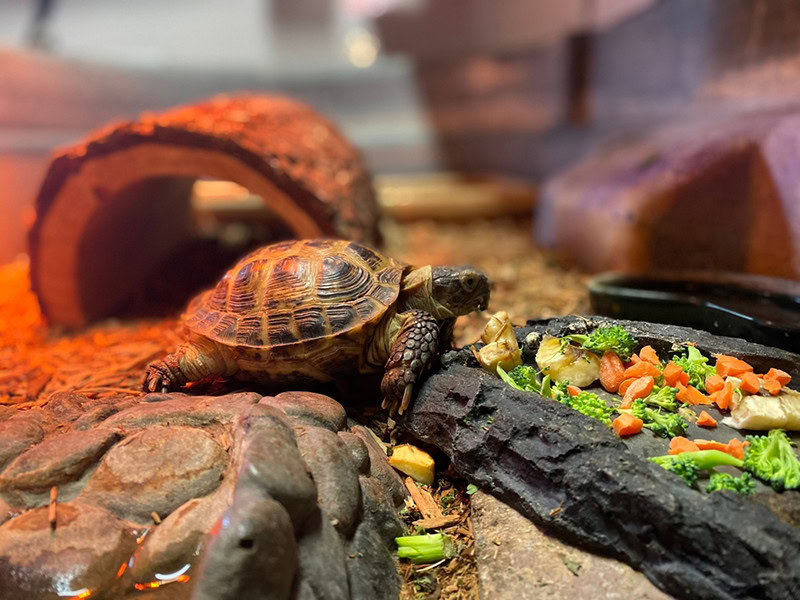
Wash the fruit thoroughly, offer it in small amounts, and throw the leftovers away to prevent rotting.
Which Fruits Are Not Recommended for Turtles?
Alright, that’s it for the safest and most nutritious fruits for our turtle buds! But what about the treats that need to be excluded from the pet’s diet? The worst fruits for turtles are the ones from the citrus family. The reason: they are rich in citric acid, which often causes stomach pain, diarrhea, vomiting, and other troubles associated with the GI tract.
So, never feed your slow-paced friend any lemons, limes, mandarins, grapefruits, or pomelo, as they all belong to the citrus family. Oranges are allowed but in very small bits. Avocados are also a no-no for turtles. They contain high doses of persin, a toxin that human bodies break down easily. However, turtles have a hard time “handling” it. In high concentrations, persin can be a nightmare for turtles.
But, with the large selection of fruits safe to feed, our turtles will almost certainly not miss them!
Summary
To stay fit and healthy, turtles need a diverse diet with a generous amount of nutrients. And it’s no secret that many fruits are rich in minerals, vitamins, and fiber. That’s why veterinarians recommend making them a part of the diet. By adding some peaches or berries into the pet’s bowl/plate, you’ll get to “spice things up” and increase the nutritional value of the meals.
That said, it’s important not to overdo it and make sure the fruits only make up 5–10% of the diet. Remember to avoid citrus and avocados. Follow these simple yet vital rules to keep the four-legged bud well-fed and happy!
Sources
Featured Image Credit: Hemant Singh, Shutterstock
Get Hepper In Your Inbox


Pet care tips from our vets and experts, straight to your inbox.
You may opt-out at any time. View our Privacy Policy for more information.
Nicole is a lover of animals of all sizes but is especially fascinated with the feline variety. She’s the proud mom of Baby, a Burmese, and works every day so he can relax in the sunshine or by the fire. She’s always had a cat in her home and has spent countless days with others, observing behaviors and softening up even the grouchiest of the lot. Nicole wants to share her kitty expertise with you so you and your cat can live happy, healthy, and care-free.
Join the conversation
Ask a question, share your story, or send private feedback.