Hepper is reader-supported. When you buy via links on our site, we may earn an affiliate commission at no cost to you. Learn more.
Can You Put Vaseline on Dog Paws? Vet-Approved Facts


In this article
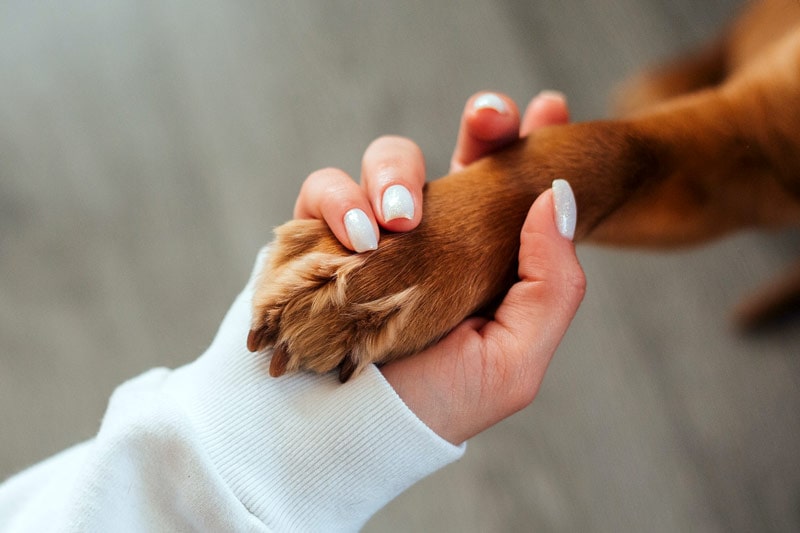
Vaseline, or petroleum jelly, is a versatile skin care product that's relatively cheap and helpful to use on several mild skin conditions. You can technically put Vaseline on your dog's paws, and in most cases, it won't trigger any skin or health issues. However, it may not be the best product to put on your dog's paws because it can make walking very difficult for your dog, and your dog may try to lick it off. Some dogs may also be allergic to Vaseline; for such dogs, Vaseline isn't recommended.
Vaseline can be a good product to use if you’re in a pinch, but it’s not the best option for long-term use on your dog. There are advantages and disadvantages to using Vaseline on your dog’s paws. Here’s what you need to know before applying Vaseline to your dog’s paws.

Uses for Vaseline for Dogs
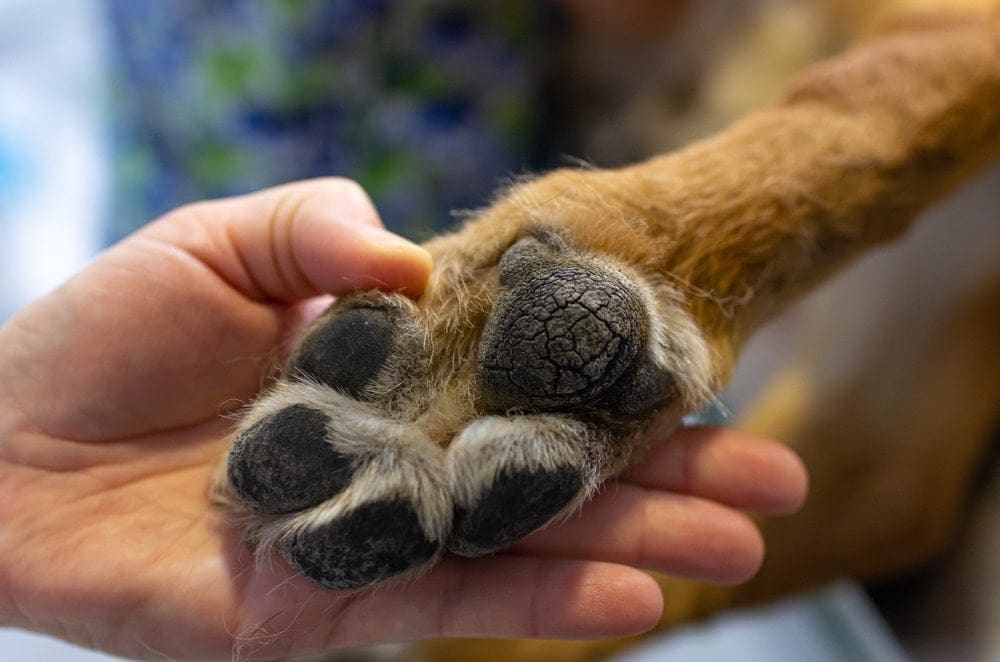
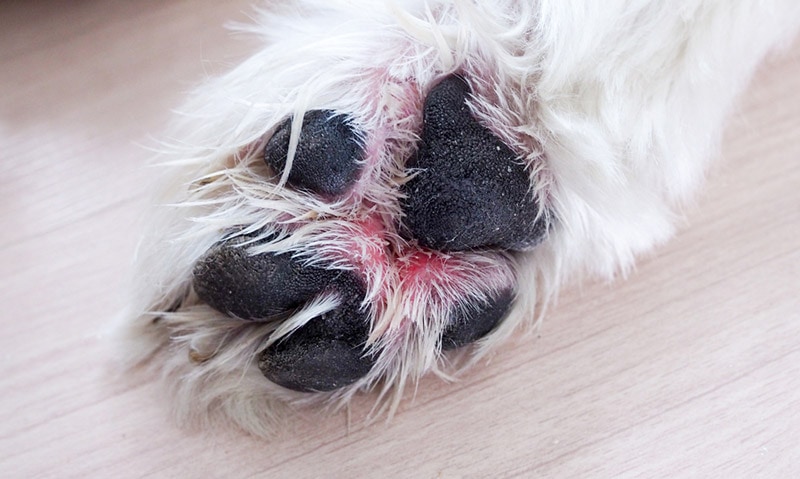
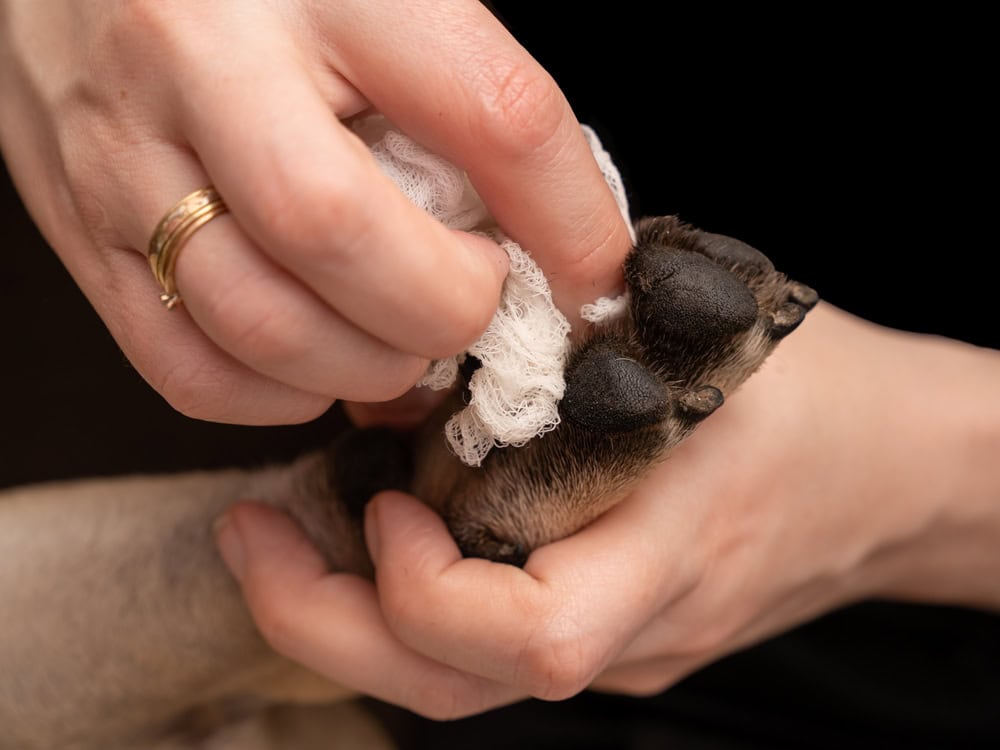
Since Vaseline is a common household item, it’s likely that you have a tub of it just sitting around. It’s most helpful for applying on your dog’s dry skin or dry paw pads. It works to lock in moisture and promotes the healing of dry skin. If you notice dryness on your dog’s skin, you can apply Vaseline on the affected area to help bring some relief from itchiness. However, you should ensure that your dog can't lick the Vaseline, as doing so will not only negate any potential benefits of the product but may also result in digestive distress for your pup.
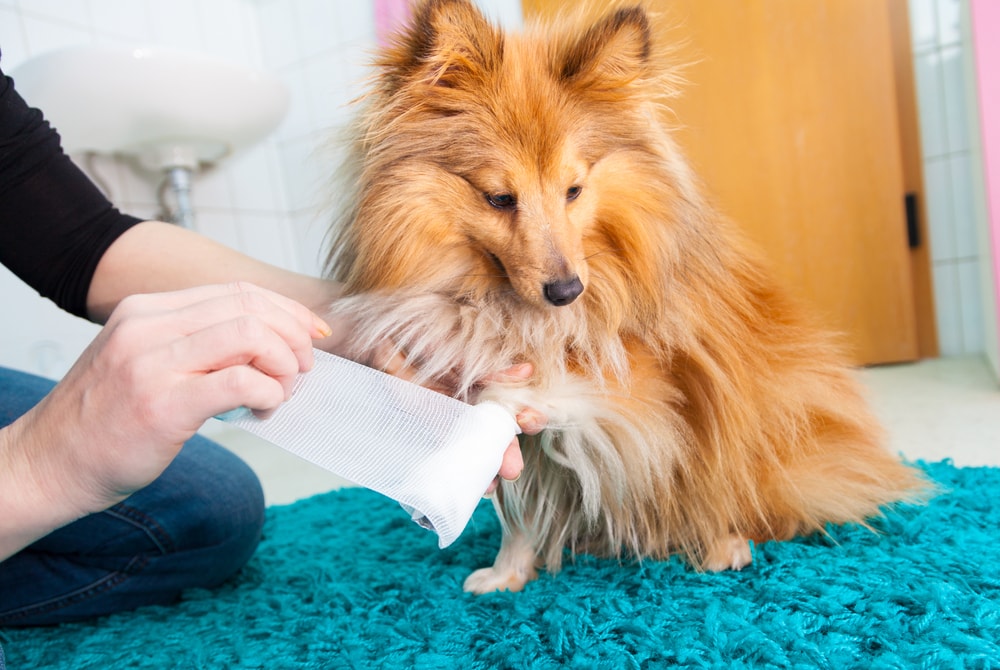
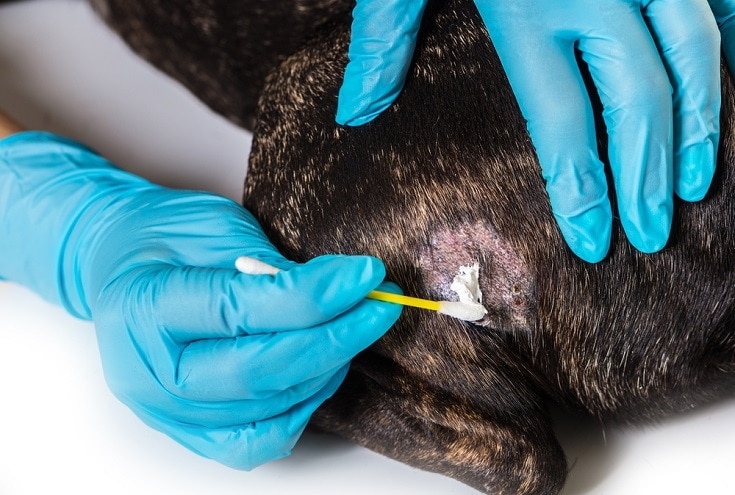
Vaseline can also help heal minor cuts and scrapes by keeping the wound moist and preventing scabbing and scarring. Applying Vaseline after cleaning a wound will encase the wound in a protective barrier. However, you should only apply Vaseline on wounds if directed to do so by your veterinarian. Some wounds can be made worse by applying Vaseline to them.
Advantages of Vaseline on Dog Paws
We can’t completely discourage the use of Vaseline on dog paws because there are some benefits to using it. First, it’s very affordable and easy to find. Most grocery stores, pharmacies, and general merchandise stores carry Vaseline or a generic brand of petroleum jelly.
Vaseline is also long-lasting. Petroleum jelly usually has a shelf-life of 3 years, but it can last for up to 10 years if you use it properly. If you keep it sealed and store it in a cool and dim location, it can last longer. Using gloves or a cotton swab rather than your fingers when removing Vaseline from its container can help prolong the shelf life of the product.
You also don’t have to worry about any poisoning from Vaseline. Small amounts can be ingested without causing any issues. It’s only if your dog swallows a large amount that it can experience an upset stomach.
Disadvantages of Vaseline on Dog Paws
There are some disadvantages to Vaseline that may make you think twice about using it on your dog. First, petroleum jelly doesn’t have any moisturizing qualities in itself and doesn’t directly moisturize the skin. Rather, it helps to seal moisture and prevent skin from losing more moisture and drying out.
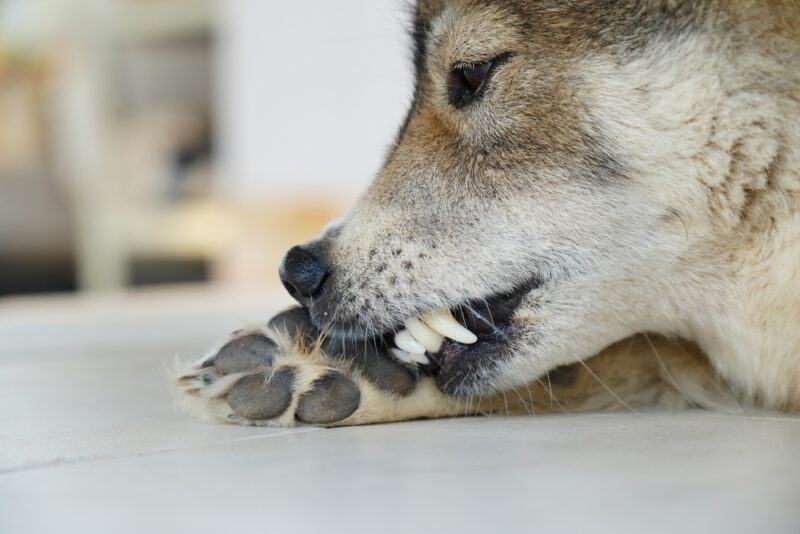
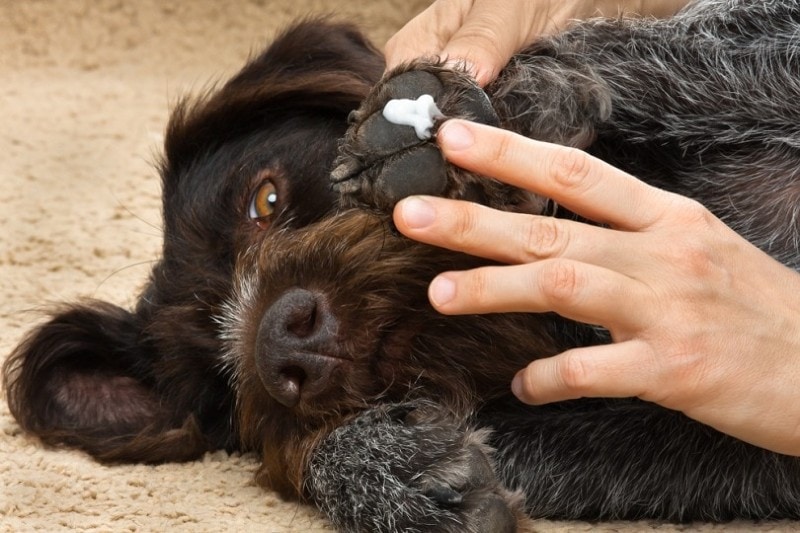
Vaseline is also slippery and often makes walking uncomfortable and dangerous for dogs. Applying Vaseline to paw pads can cause dogs to slip around hardwood floors. It can also leave streaks and tracks around your house. Vaseline may end up causing more irritation or an infection on your dog’s paw pads because it will cause dirt and debris to stick to the paws. In most cases, dogs will try to lick off the Vaseline from their paws. They may also flick off excess Vaseline from their paws, which can then end up on your floor, furniture, or walls.
Vaseline Alternatives for Dogs
Fortunately, you can find a good selection of dog skin and paw products. Your local pet store and online pet supply retailers often have dog lotions and moisturizers in stock. For injuries, it is recommended to only use topical medication that is prescribed by your veterinarian. Remember that some over-the-counter (OTC) wound medication that is safe for humans may be dangerous for your pup.
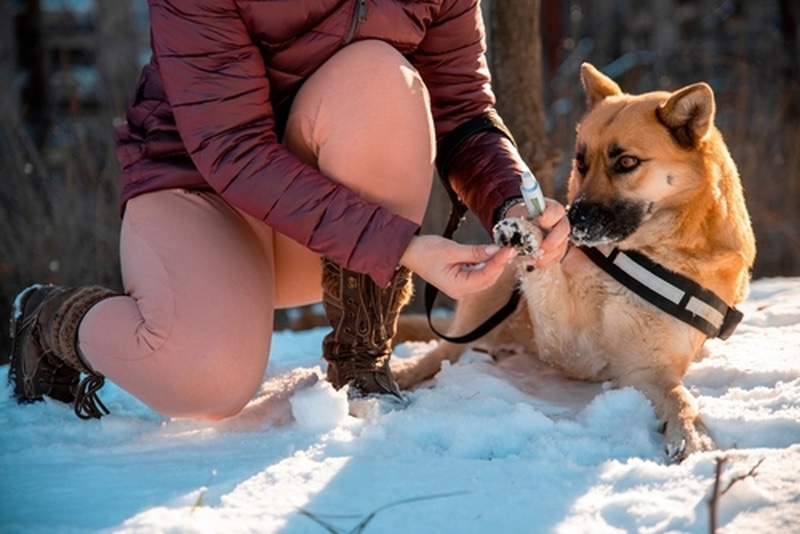
When it comes to dry paw pads, try using paw wax instead. Some paw waxes are specifically used to protect dogs when they walk outside. Other paw waxes have moisturizing properties that are intended to heal cracked and dry paws. These waxes are often made with all-natural ingredients to prevent your dog from getting sick if they eat or lick them up. Many also have less greasy formulas and quick absorption to prevent slipping and tracking around the house.
What About a Dry Nose?
Conclusion
Overall, Vaseline is best used as a backup product if you don’t have any pet moisturizers or paw wax at hand. You can apply a thin coat of Vaseline on your dog’s paws. For most dogs, doing so will help create a moisture barrier to soothe dry or cracked paws. This will provide more comfort to your dog. It is advised to follow up with your veterinarian for long term management with regards to your pup's paw issues.
Featured Image Credit: Pearl PhotoPix, Shutterstock
Get Hepper In Your Inbox


Pet care tips from our vets and experts, straight to your inbox.
You may opt-out at any time. View our Privacy Policy for more information.
Jessica is a freelance writer who spends most of her day reading and writing while her fluffy Cavapoo, Nora, naps beside her. She loves and appreciates pets and animals because there’s so much to learn from them, and they do so much for people. As a dog mom, she understands the special relationship that pet parents have with their pets. So, she loves sharing helpful information that people can use to better understand their pets. When she’s not writing, you can find her walking dogs, tending to her plant babies, or drinking her nth cup of coffee.
Join the conversation
Ask a question, share your story, or send private feedback.