Hepper is reader-supported. When you buy via links on our site, we may earn an affiliate commission at no cost to you. Learn more.
5 Home Remedies for Dry & Cracked Paw Pads - Vet Reviewed Facts & FAQ


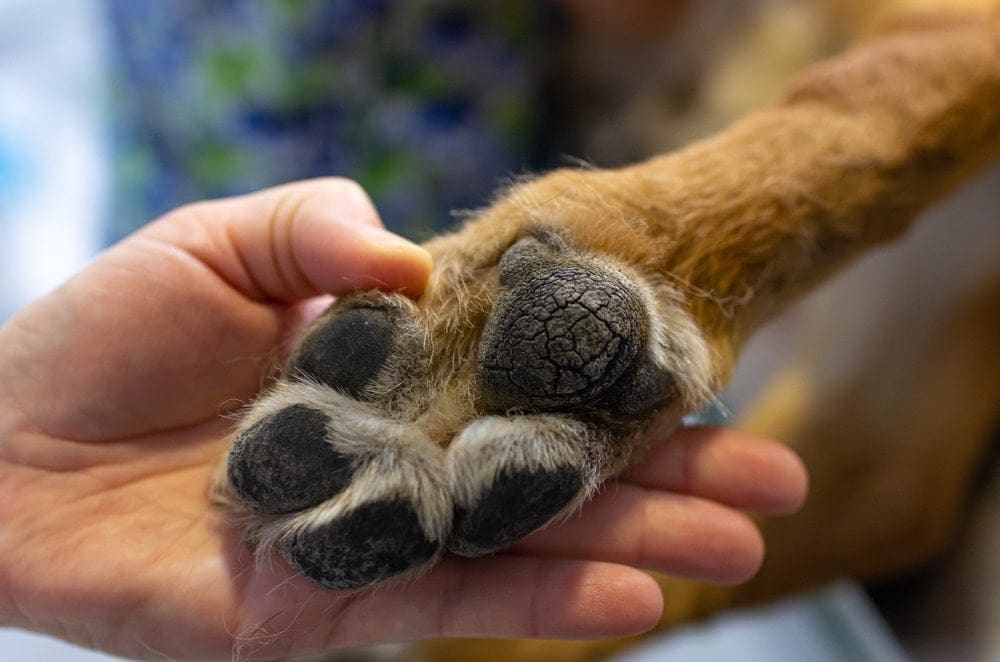
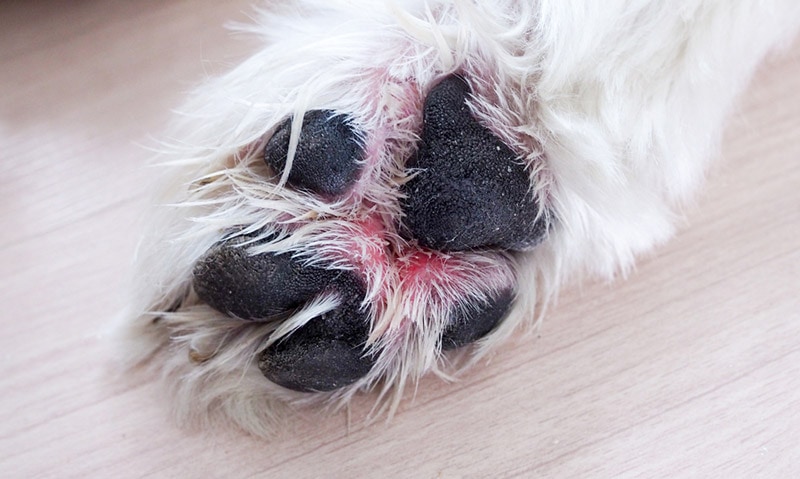
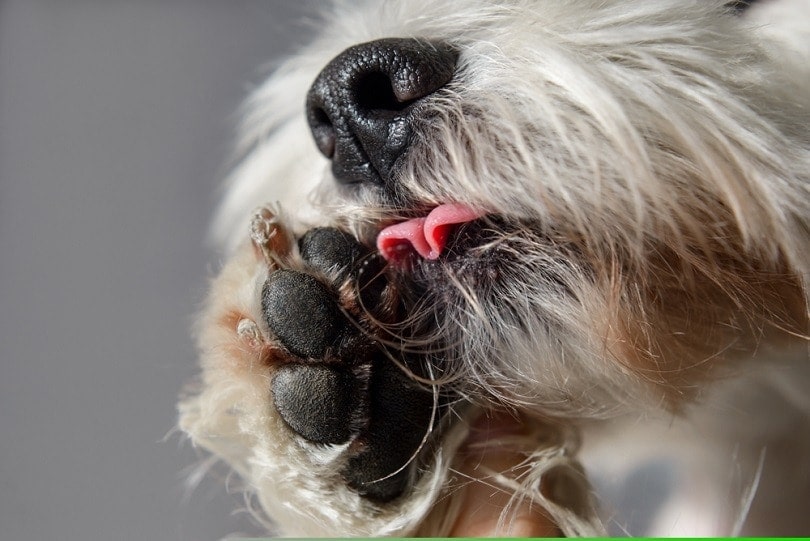
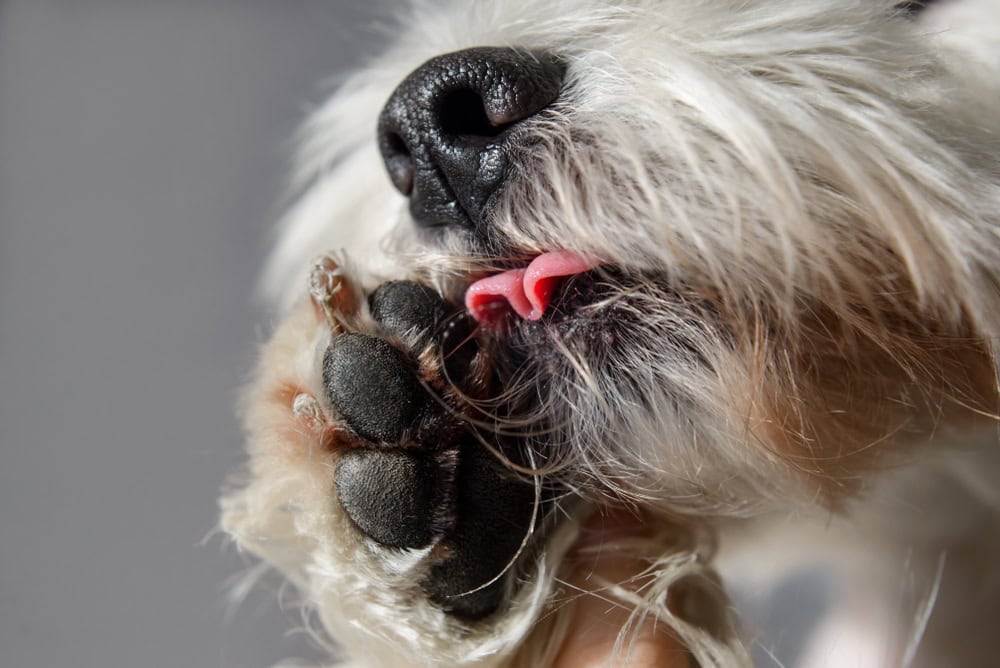
Dog paw pads are known for being rough and dry to the touch, which can be a cause for concern for dog owners. There are a few reasons why paw pads can be dry or cracked, but there is usually no cause for concern unless the pads are bleeding, swollen, or burning in temperature. Still, some dogs may need a little extra help if their pads are drier than normal, which can be fixed right at home.
Here are five home remedies for dry and cracked paw pads.

The 5 Best Home Remedies for Dry Dog Paw Pads
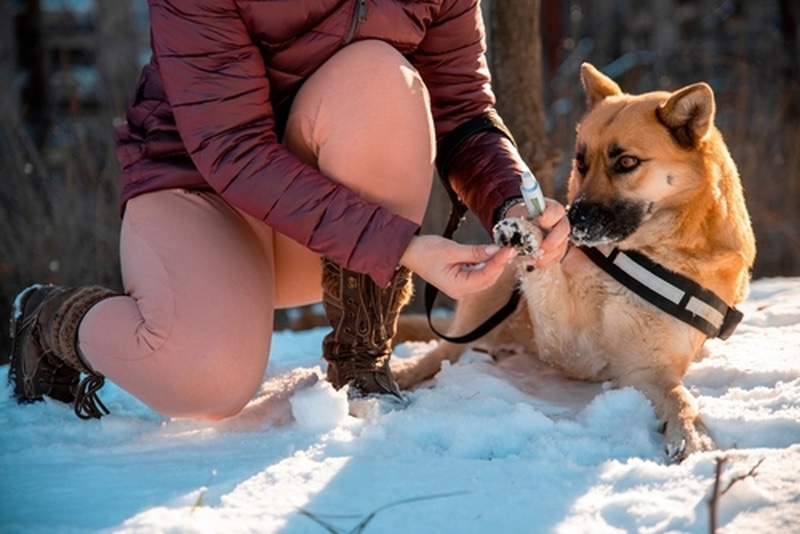
For cracked and dry paw pads that don't have any open cuts, these home remedies can help restore your dog's paw pads back to normal. Use them once a day for a few weeks for the best results. If your dog's paws are cracked to the point of bleeding, consult with your veterinarian before it develops an infection. Don't put any ointment on the cut unless directed by your vet.
1. Coconut Oil
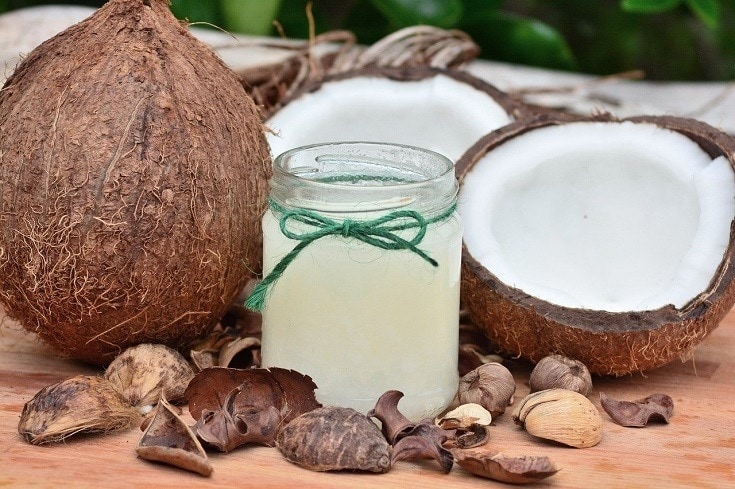
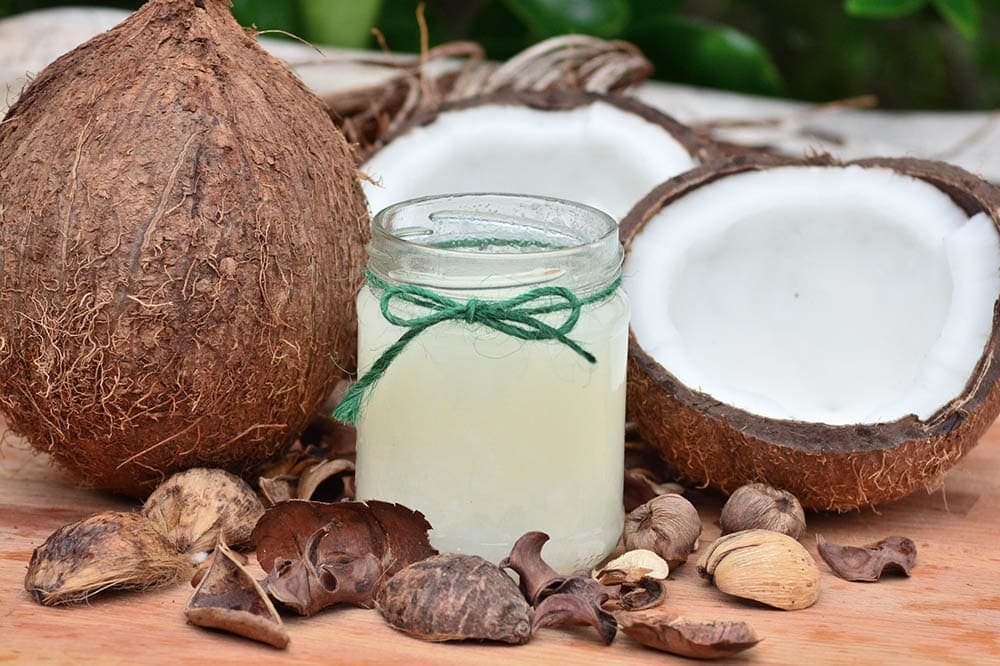
Organic Extra Virgin (Unrefined) Coconut Oil is a safe and natural product to have on hand, loaded with dozens of health and wellness benefits for you and your dog. Coconut oil is great as a moisturizer and can bring relief to your dog’s dry and cracked pads. Rub a small amount on the pads at night, preferably when your dog is asleep. Thankfully, coconut oil is safe for your dog to ingest, but it might cause your dog to lick its paws excessively.
2. Shea Butter
A natural moisturizer and healing ingredient, organic raw shea butter can also help heal your dog’s paw pads. Shea butter is famed for its soothing properties, but finding real, organic, unprocessed shea butter might prove to be a challenge. As with coconut oil, rub a small amount on your dog’s paw pads to help relieve dryness. It’s also safe if your dog decides to have a taste, but the raw state of the shea butter might cause indigestion.
3. Beeswax
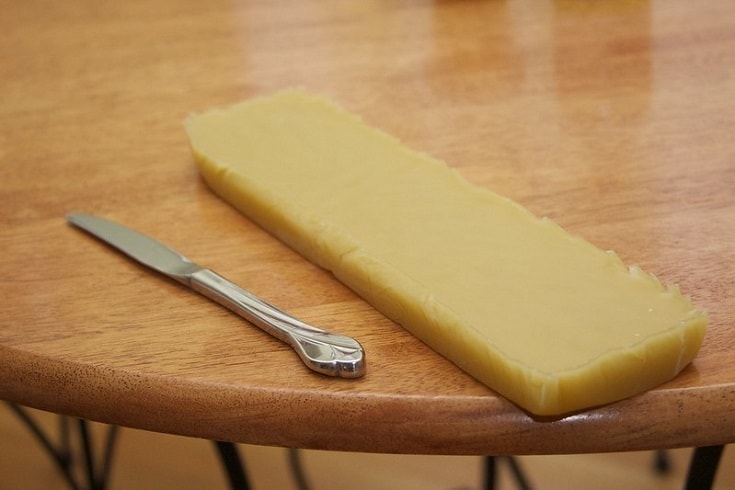
If your dog is outside often and you want to heal as well as protect your dog’s paw pads, beeswax can help do both. Real beeswax is a great barrier between your dog’s paw pads and the outside, especially in the winter. We recommend contacting a local apiary or beekeeper for beeswax and staying away from processed beeswax products.
4. Vitamin E & Vitamin E Oil
Vitamin E is an essential vitamin that helps with a variety of functions, including skin and coat health. Feeding your dog salmon oil, rich in Vitamin E and omega fatty acids, can help reduce dry skin, which may help your dog’s paw pads. You can also try vitamin E oil topically on your dog’s paw pads, using a small amount to help heal any dry or cracked patches.
5. Olive Oil
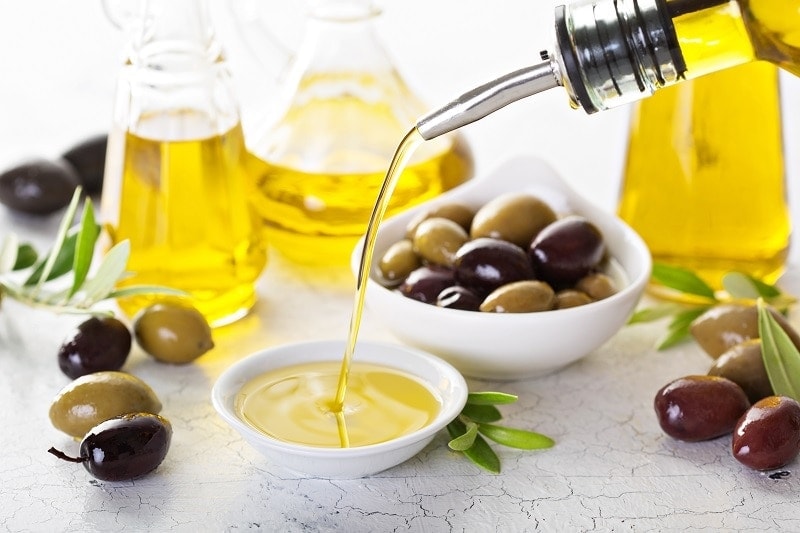
Olive oil is a great paw pad salve, especially on hot summer days that may have irritated your dog’s paws. Apply some olive oil to your dog’s paws after walking outside in hot temperatures, which will help soothe any pain or irritation. It can also help if your dog’s pads are dried out, but coconut oil and shea butter may work better just for dryness.
Related Read: 6 Best Essential Oils for Dogs

What Should Healthy Paw Pads Look and Feel Like?
Healthy paws will have a somewhat dry, rough texture, which protects them from sharp rocks and rough terrain. Their paw pads are similar to the bottoms of our shoes, which keep our feet safe from the ground. It’s important that your dog’s paw pads are not too soft or smooth to the touch! Dogs should have somewhat rough paws that are naturally designed for protection, so it’s crucial not to mistake healthy paws for dry or damaged paws.
What Causes Dry or Cracked Paws?
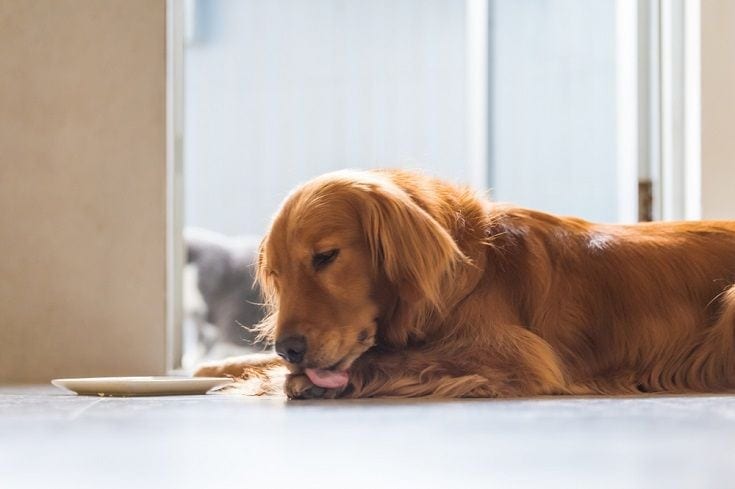
There are a number of reasons why your dog’s paw pads are drier than normal, leading to irritated skin and cracked paw pads. Factors like air quality, excessive paw licking, skin conditions, and plenty of other things lead to dry and sensitive paw pads. Dogs that have dry or cracked paws consistently should see a veterinarian to find out the causes, which might be a sign of an underlying condition.
What is Hairy Paw Syndrome?
Hairy Paw Syndrome is the nickname for hyperkeratosis, a condition that causes your dog’s paws to grow patches of spiky, crusty skin from the extra keratin your dog’s body produces. It looks like hair and isn’t exactly painful, but it can cause problems if it keeps growing. Balms, oils, or salves will not reduce the extra growth, so the home remedies on our list can’t treat hyperkeratosis.
If the patches of keratin get too long, it can start to become uncomfortable and painful for your dog to walk. Talk to your veterinarian about treatment options and procedures. Do not attempt to cut, shave, or trim the patches of keratin growth at home. Your vet can teach you how to manage your dog’s Hairy Paw Syndrome at home.
The 3 Ways To Protect Your Dog’s Paws
There are a few ways to protect your dog’s paws, which can help prevent them from cracking, drying, or burning. Here are the best ways to keep your dog’s paws safe:
1. Dog Boots
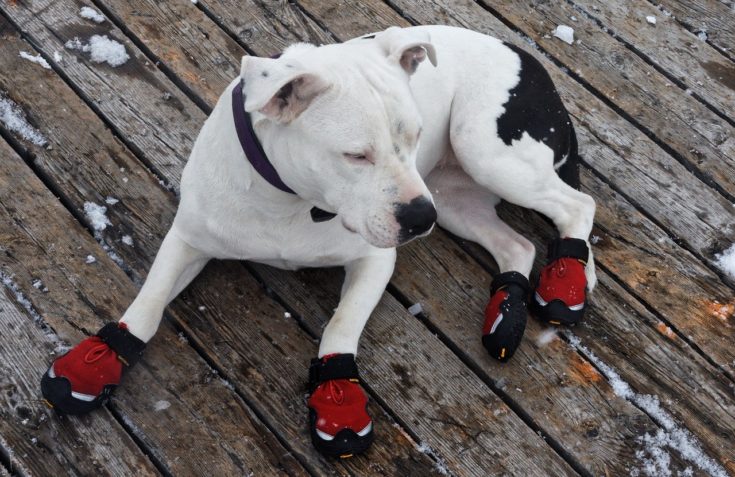
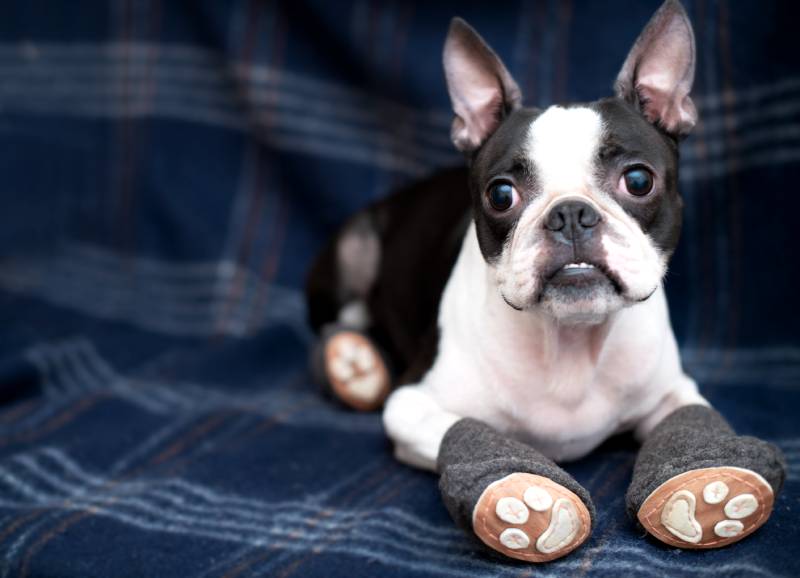
The best way to keep your dog's paws safe is with dog boots, but the problem is that most dogs do NOT like wearing them. If you can successfully get your dog to wear them, dog booties are the best form of paw protection.
2. Paw Pad Wax
If you plan on walking your dog on rough surfaces or inclement weather, dog paw pad wax can create a barrier on your dog’s paws and protect them from damage. There are a wide variety of waxes that have different features, which can help keep your dog’s paws safe from the elements.
3. Avoiding Extreme Weather
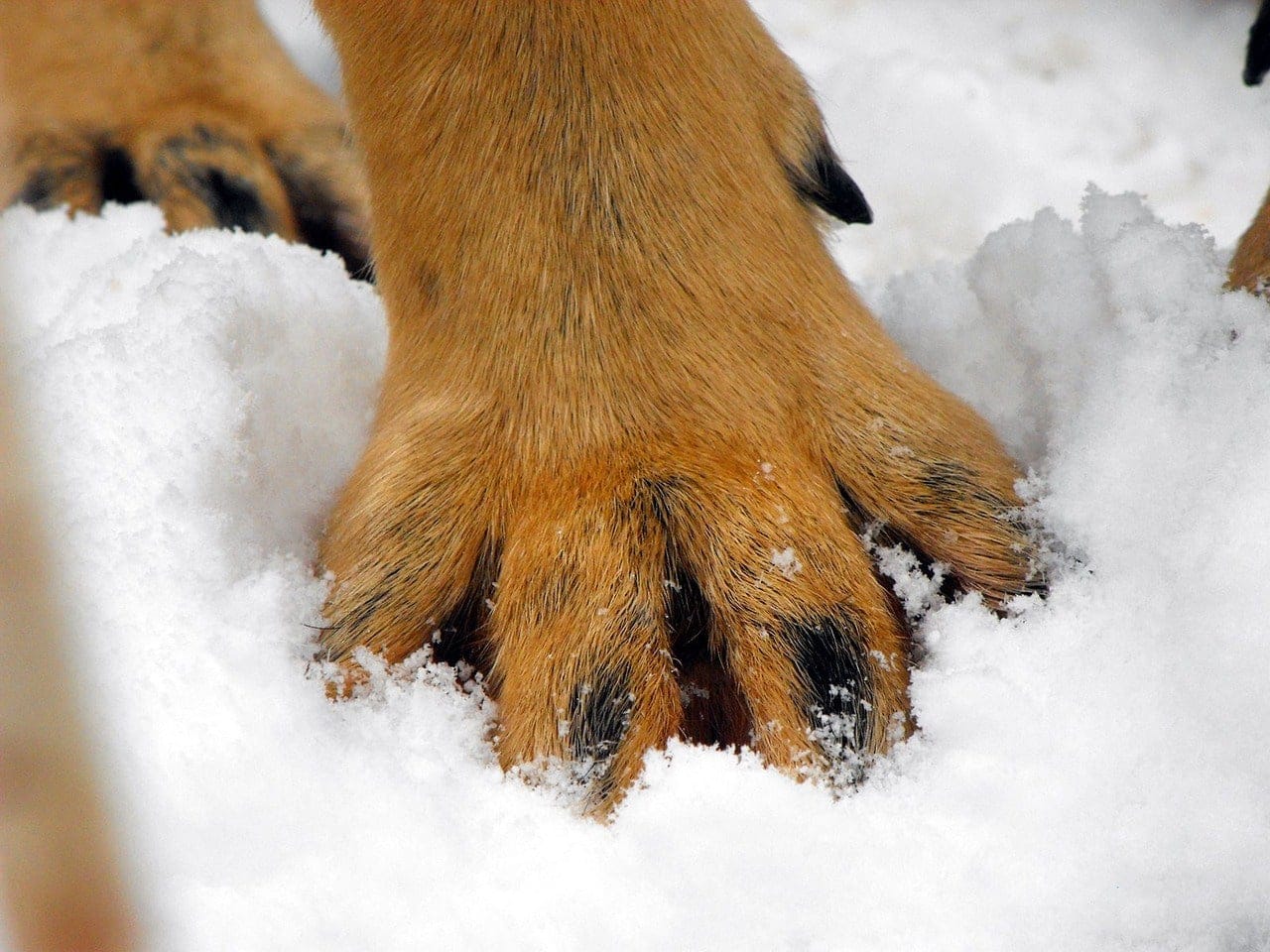
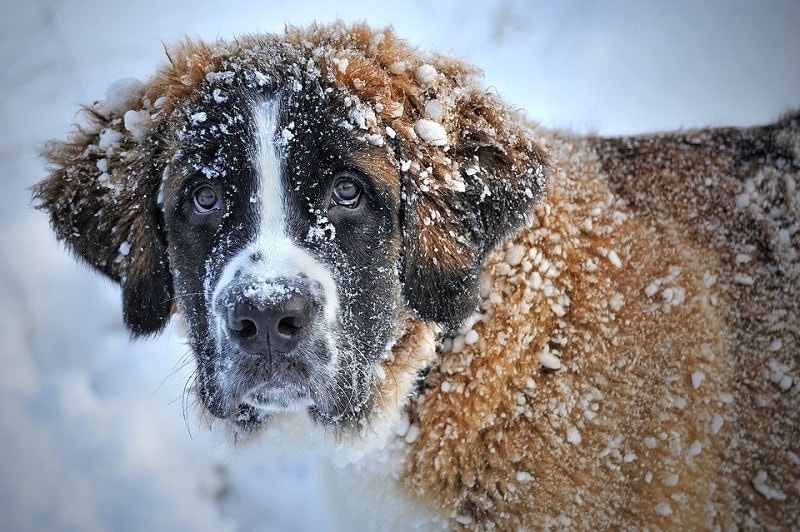
One of the easiest ways to protect your dog’s paw pads is to avoid extreme weather, both in the summer and the winter. The heat from the sidewalks and pavement, even if it is tolerable for your dog, can still be uncomfortable. In the winter, the salt melting with the snow and ice can burn your dog’s paws, so you may need to invest in some paw pad wax. Extreme cold can also cause frostbite injuries on your dog's paws.
Note: It is very important to test all surfaces in hot temperatures before walking your dog. Place your hand on the ground for 5 to 10 seconds. If it’s comfortable, your dog can safely walk. If it’s just barely tolerable or burning your hands, stay indoors!
See Also: 6 Best Dog Lotions For Dry Skin – Reviews & Top Picks
Featured Image Credit: GaiBru Photo, Shutterstock
Get Hepper In Your Inbox


Pet care tips from our vets and experts, straight to your inbox.
You may opt-out at any time. View our Privacy Policy for more information.
Nicole is a lover of animals of all sizes but is especially fascinated with the feline variety. She’s the proud mom of Baby, a Burmese, and works every day so he can relax in the sunshine or by the fire. She’s always had a cat in her home and has spent countless days with others, observing behaviors and softening up even the grouchiest of the lot. Nicole wants to share her kitty expertise with you so you and your cat can live happy, healthy, and care-free.
Join the conversation
Ask a question, share your story, or send private feedback.