Hepper blog

Search our database of over 9,984 posts with up-to-date information from our experts and veterinarians.

Hepper is reader-supported. When you buy via links on our site, we may earn an affiliate commission at no cost to you. Learn more.

Can You Use Neosporin on Dogs? Vet Approved Facts & FAQ

By Nicole Cosgrove · Reviewed & fact-checked by Dr. Athena GaffudVet Approved
Dr. Athena Gaffud
Reviewed & Fact-Checked byDr. Athena GaffudVeterinarian
Dr. Athena Gaffud is a highly experienced veterinarian and talented writer who is based in Isabela, Philippines. She is passionate about animals and currently works as a writer and fact-checker for various veterinary websites and the remote Animal Rehab staff in Oregon. She lives with her family and loves her work immensely.View authorThe information is current and up-to-date in accordance with the latest veterinarian research. Read about our vets
Share
Ask us a question in the comments
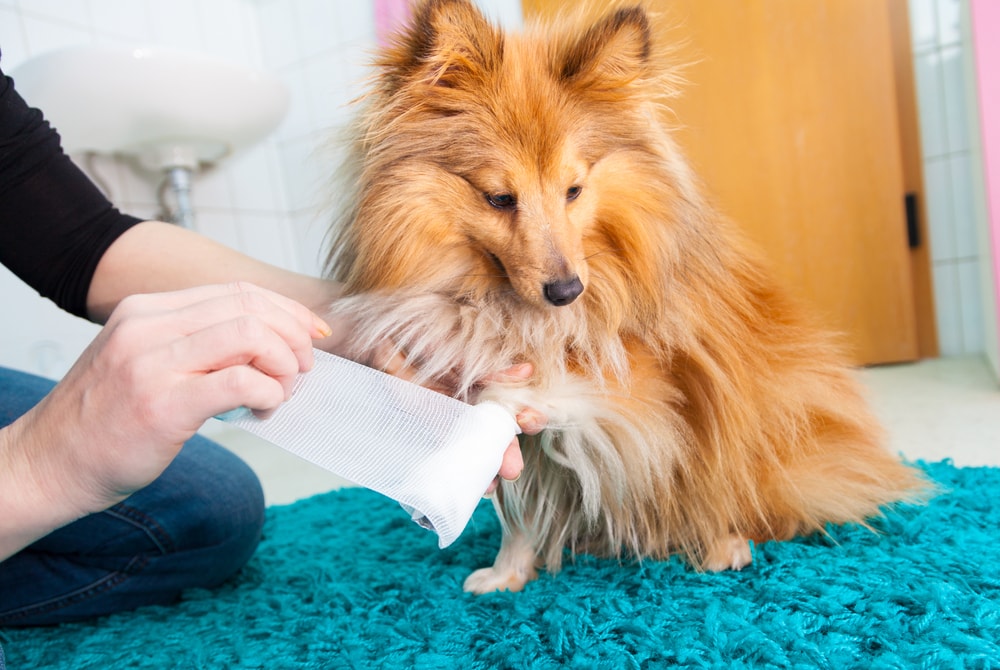
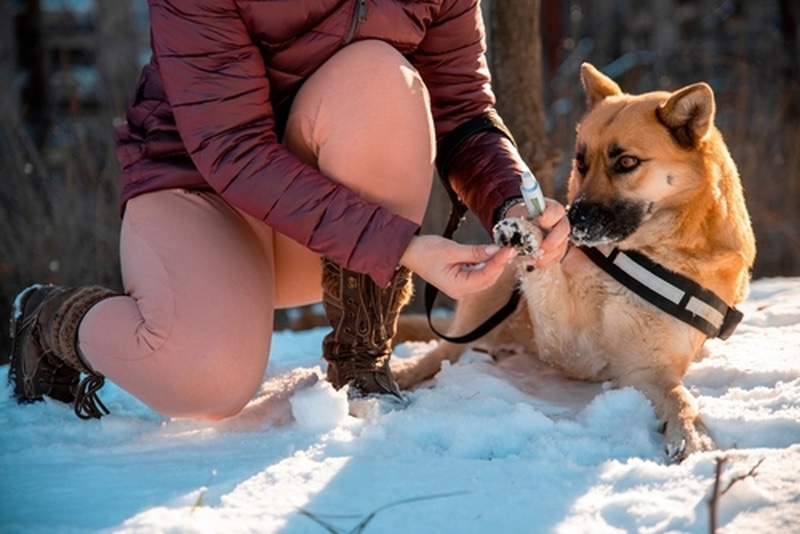
Dog paw being cured or bandage paw wound by owner

Like their humans, dogs can easily scrape or cut themselves, but they do not have the privilege of running to their medical aid kit for a quick fix; instead, they rely on us as their owners. An effective go-to when one has scraped or scratched themselves is Neosporin, and you likely have a tube in your medical box, but is it safe to use on dogs?

The answer is not straightforward. Neosporin is formulated for humans and is not necessarily safe for dogs. While it can treat your pup’s wound, there are situations where it is not safe to use it on your furry friend.

What is Neosporin?

Neosporin is a topical wound care product that is made up of three antibiotics: bacitracin zinc, polymyxin B sulfate, and neomycin sulfate. They prevent infection by killing bacteria and moisturizing the cut to promote healing. It is intended to treat minor, superficial cuts and scrapes.
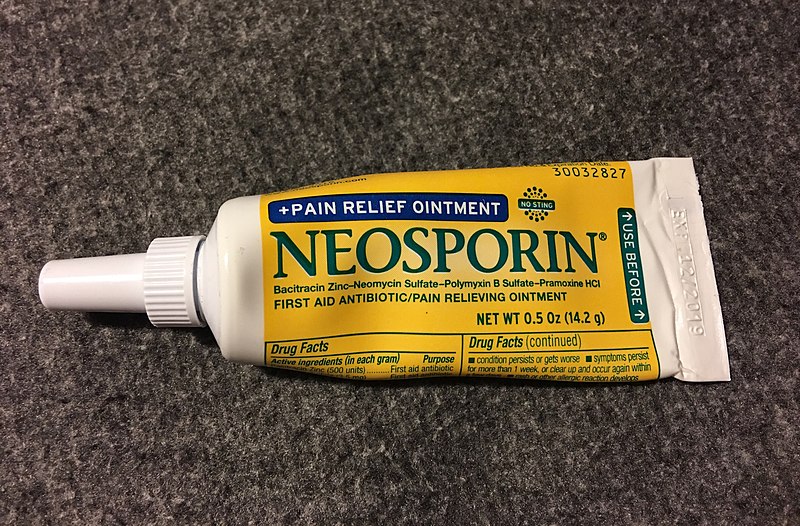
Neosporin
Neosporin (Image Credit by: Mrbeastmodeallday, Wikimedia Commons CC BY-SA 4.0)

Can You Use Neosporin on Dogs?

A small amount used correctly is not harmful to your dog. When it is applied to your dog's skin, it provides a barrier against bacteria while killing off any existing bacteria.

However, there are instances where applying Neosporin can harm your pet. If your dog’s wound is on its foot or somewhere it can easily reach, it will likely try to lick it. This not only makes the Neosporin ineffective, but it can also make your dog ill. Even while licking a tiny bit of the Neosporin might not be harmful, it’s not worth the risk.

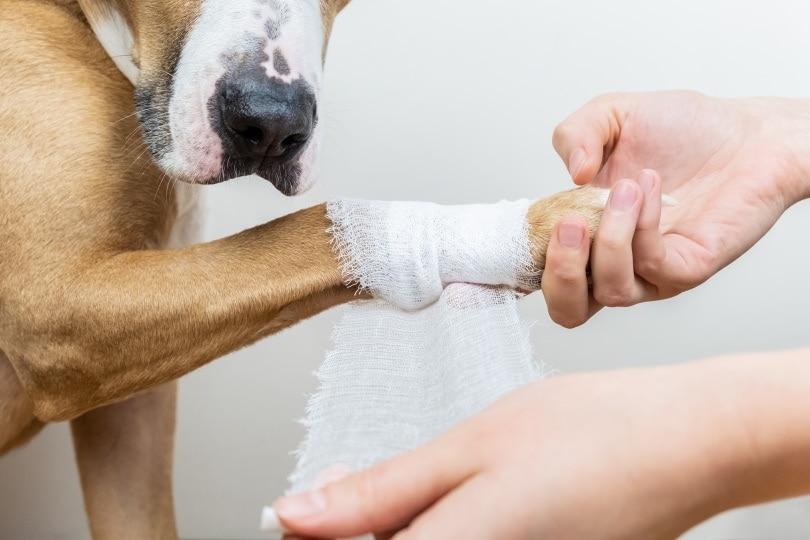
The primary concern about ingesting Neosporin is its effect on the dog's microbiome, which can cause vomiting and diarrhea. A bandage over the wound could help, but some dogs won’t tolerate it and will try to lick it off. Furthermore, if it is not bandaged well, it can reduce blood flow.

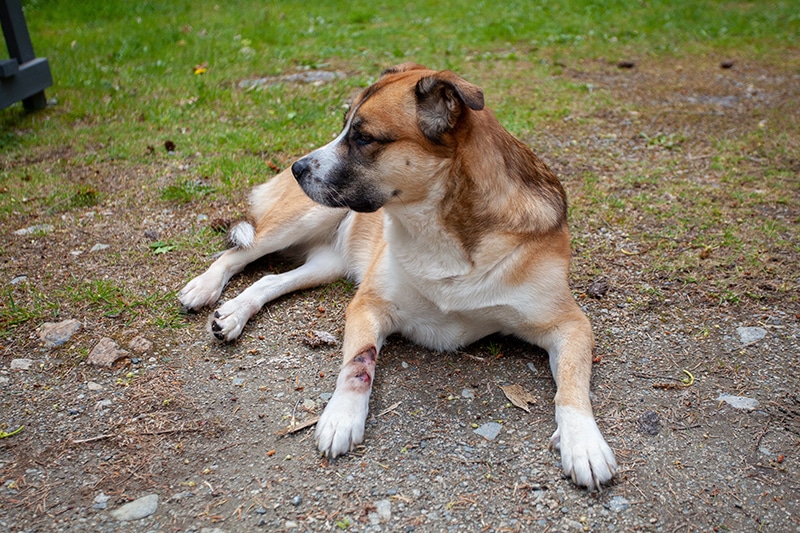
Another instance where Neosporin is not beneficial is if the wound is deep, bleeding heavily, or severe. If your dog’s wound is deep and not bleeding, you should get it to the vet as soon as possible.

Your dog could also have an allergic reaction to the Neosporin. This can result in rashes, hives, facial swelling, and in more serious but rare cases, anaphylaxis.

The general opinion is that dogs do not benefit from topical medications like Neosporin for minor wounds. Minor wounds typically heal without the need for topical medications, provided the dog doesn't lick the area. It's best to clean the wound and call your veterinarian for guidance. Unless your veterinarian specifically recommends it, avoid using treatments like Neosporin.

dalmatian dog looking sick
Image Credit: Alexander Hagseth, Shutterstock

How to Use Neosporin on Dogs

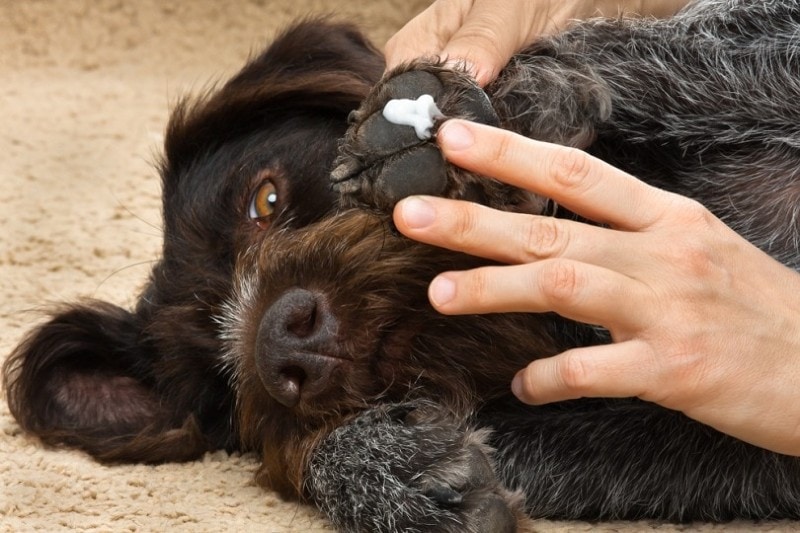
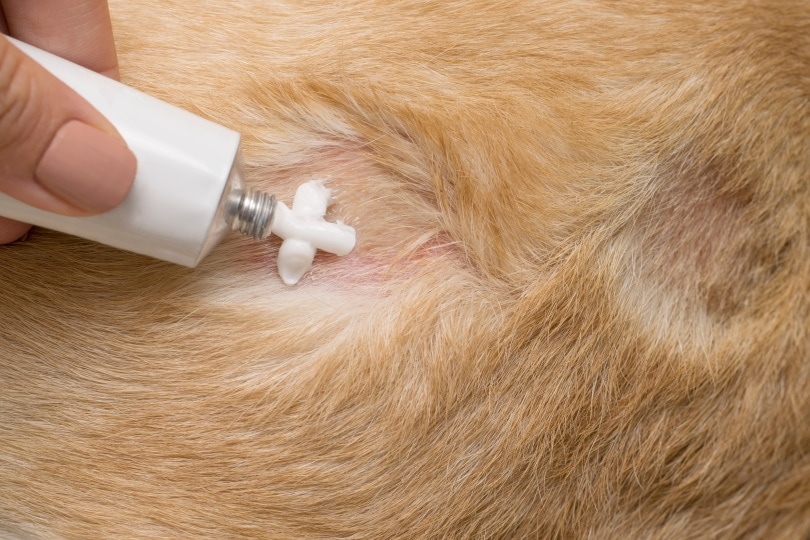
If you feel that your dog's wound will benefit from Neosporin, and your vet gives you the go-ahead, you should first do a patch test to ensure that your dog won’t have an allergic reaction. Pick an area of the skin that your dog can’t reach and dab a small amount of Neosporin. Monitor the area to see if your dog develops any signs of a reaction, such as redness, rash, or swelling.

If your dog appears safe from allergic reactions, then first clean the wound with some water and pat it dry. If the wound is a penetrated wound, such as a bite, stop what you are doing and get to your vet as soon as you can. Use a small amount, about the size of half a Q-tip, and gently spread it on the wound. If your dog allows you to, consider wrapping it in a bandage to keep your pup from licking it and from any dirt and debris getting stuck to it.

What to Do if Your Dog Licks Neosporin?

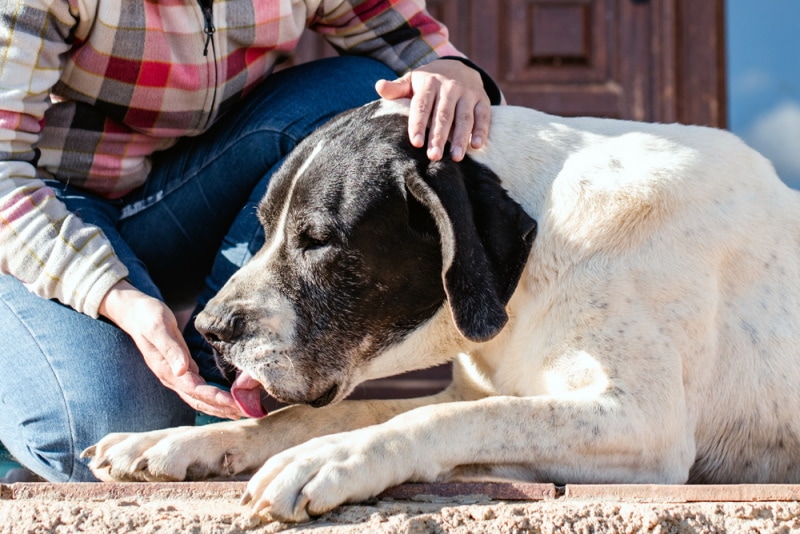
If your dog has licked the area where they have put Neosporin, clean it off and call your vet for some guidance. Thankfully, Neosporin is not poisonous, but your vet will tell you if your dog needs veterinary attention. They can also provide you with advice on what to do if your dog has gastrointestinal side effects after ingesting Neosporin.

If, for some reason, your dog ingested a significant amount of Neosporin, get it to the vet immediately.
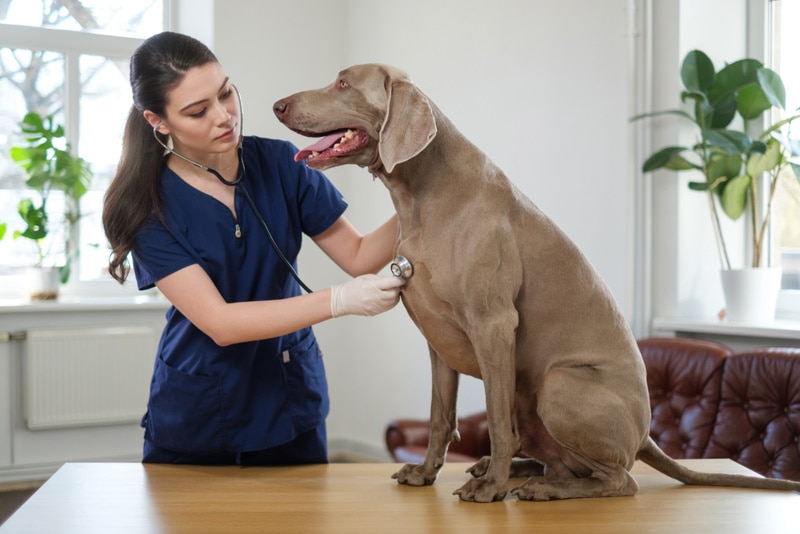
weimaraner dog check by vet
Image Credit: Nejron Photo, Shutterstock

How You Can Treat Your Dog's Wounds

Your dog will experience an accident in some part of its life, and there will be a wound for you to nurse. When this time comes, you need to know what to do. First, if the wound is serious, you should contact your vet right away. If the wound is minor, here is what you can do to help your dog.
  • If there is bleeding, apply pressure to help make it stop. You can use a clean paper towel or a gauze. If the bleeding does not stop, take your dog to the vet.
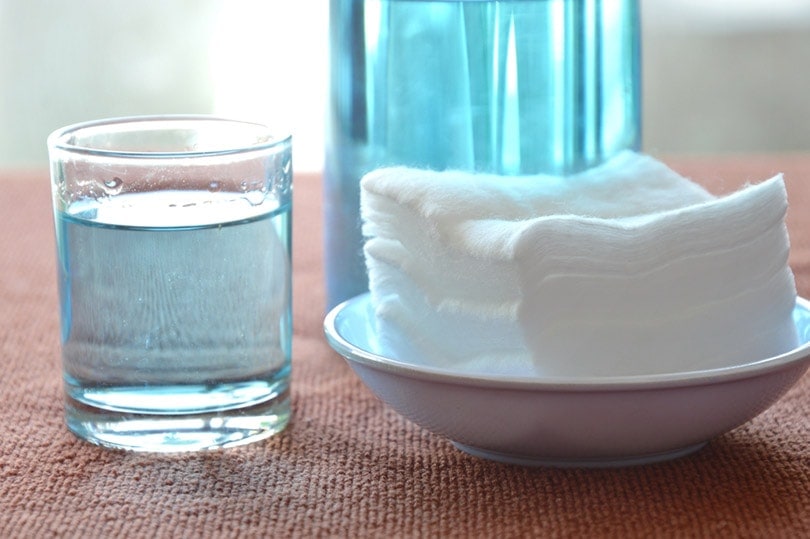
  • Rinse the wound with warm water to remove any dirt and debris. You can do this by filling up a large syringe and using it to flush the wound.
  • Use the same syringe filled with dog-safe antibacterial cleanser and flush the wound again. Blot the area dry with gauze.
  • Monitor your dog's wound over the next few days until it is visibly healing. If it doesn’t seem to be healing or is becoming red and swollen, take your dog to the vet.
  • Ensure you have a medical aid kit stocked for your dog at all times so that you are ready to treat a wound if necessary.
  • Try to prevent the unnecessary risk of wounds by removing any sharp objects on the ground in your home, checking your lawn for anything that may hurt your dog, checking your fences for any stray wires, removing thorny branches from the ground, and providing dog booties when hiking or walking.
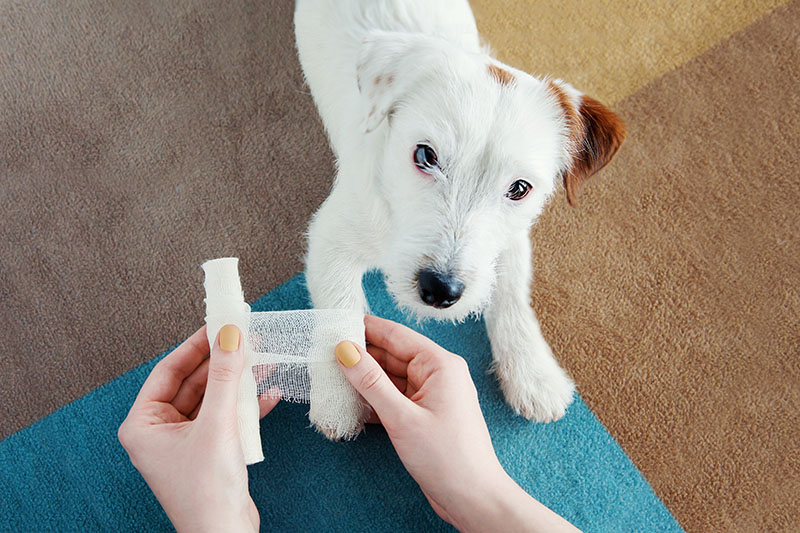
Dog Jack Russell Terrier getting bandage after injury on his leg at home
Image Credit by: Liudmyla Guniavaia, Shutterstock

Conclusion

Neosporin can be effective in cleaning and healing a dog's wounds, but it can also cause harm if your dog has an allergic reaction or ingests too much of it. If you need to use Neosporin on your dog, first talk to your vet. Your dog will likely be okay if it licks a tiny amount, but you need to ensure it doesn’t ingest too much. Minor wounds are very likely to heal on their own, so don't go rushing for the Neosporin. If you feel like you need to help it along, first wash it and then use a dog-safe topical cream. Always have a dog wound care kit ready, so you do not have to rely on medications that may pose a risk to your companion.

Sources

Featured Image Credit: Pearl PhotoPix, Shutterstock

Get Hepper In Your Inbox

Pet care tips from our vets and experts, straight to your inbox.

List

Select all that apply.

You may opt-out at any time. View our Privacy Policy for more information.

Nicole Cosgrove
Authored by

Nicole Cosgrove

Join the conversation

Ask a question, share your story, or send private feedback.
Rate this post
Required to post. Only our editors see your rating.
Who should see this?

A human reviews every comment before it appears. Your email is never published.

Picked to go with this article

Is Neosporin Safe for Dogs? Vet-Approved Facts & Tips

Is Neosporin Safe for Dogs? Vet-Approved Facts & Tips

As you probably know from watching your dog, canines are curious animals that like to explore, and sometimes, their adventures, whether in the home or outside,…

Nicole Cosgrove
By Nicole Cosgrove ·
What Should I Do If My Dog Licked Triple Antibiotic Ointment? Vet-Approved Steps to Follow

What Should I Do If My Dog Licked Triple Antibiotic Ointment? Vet-Approved Steps to Follow

If you are trying to treat an injury on your dog, preventing infections is a big deal. Triple antibiotic ointment goes a long way in helping with this, but oft…

Nicole Cosgrove
By Nicole Cosgrove ·
How to Clean a Dog Wound in 8 Vet-Approved Steps

How to Clean a Dog Wound in 8 Vet-Approved Steps

Accidents happen to everyone, and unfortunately, your dog is no exception. With their curiosity and ability to find mischief wherever they go, a few injuries h…

Nicole Cosgrove
By Nicole Cosgrove ·
Can You Use Hydrogen Peroxide on Dogs for Cleaning Wounds? (Vet Answer)

Can You Use Hydrogen Peroxide on Dogs for Cleaning Wounds? (Vet Answer)

Hydrogen peroxide is considered one of the most common disinfectants in the world. This solution has been used by people to clean superficial wounds due to its…

Dr. Iulia Mihai
By Dr. Iulia Mihai ·

Keep reading

More stories you might like

Can You Put Vaseline on Dog Paws? Vet-Approved Facts

Vaseline, or petroleum jelly, is a versatile skin care product that's relatively cheap and helpful to use on several mild skin conditions. You can technically…

Jessica Kim
By Jessica Kim ·
Can You Put Vaseline on Dog Paws? Vet-Approved Facts

What Could Happen If My Dog Licks Human Blood? Vet-Reviewed Precautions & Prevention

If you've ever had an injury and found yourself bleeding, the chances are your dog has come over to investigate. Of course, not all dogs will, but some may att…

Nicole Cosgrove
By Nicole Cosgrove ·
What Could Happen If My Dog Licks Human Blood? Vet-Reviewed Precautions & Prevention

Why Do Dogs Lick Your Wounds? Should You Worry?

As we move through our daily lives, it isn’t unusual to get a cut or wound on our bodies. More often than not, these wounds may be so small we don’t remember h…

Melissa Gunter
By Melissa Gunter ·
Why Do Dogs Lick Your Wounds? Should You Worry?

Hot Spots on Dogs: Our Vet Explains Causes, Signs, & Treatments

A professor of animal dermatology once said that “skin is the bread and butter of veterinary practice,” and he was not wrong. No matter where you are in the wo…

Dr. Karyn Kanowski
By Dr. Karyn Kanowski ·
Hot Spots on Dogs: Our Vet Explains Causes, Signs, & Treatments

My Dog Ate Vaseline: Here's What to Do (Vet Approved Advice)

Some dogs will find mischief in places you’d never expect, and eat things that you would not think of as being edible. Fortunately, of all the things your curi…

Kerry-Ann Kerr
By Kerry-Ann Kerr ·
My Dog Ate Vaseline: Here's What to Do (Vet Approved Advice)

Can I Put Aloe Vera on My Dog's Paws? Vet Approved Facts, Precautions & Tips

As pet owners, we want to provide the best care for our pets, and one question that many people have is whether aloe vera is safe for dogs. After all, it has b…

Ed Malaker
By Ed Malaker ·
Can I Put Aloe Vera on My Dog's Paws? Vet Approved Facts, Precautions & Tips

Can You Give a Dog Pepto Bismol for an Upset Stomach? Vet-Reviewed Facts

A dog suffering from an upset stomach or diarrhea is miserable, and the dog’s owner may have to clean quite a mess if the animal does not get outside in time.…

Nicole Cosgrove
By Nicole Cosgrove ·
Can You Give a Dog Pepto Bismol for an Upset Stomach? Vet-Reviewed Facts

How to Clean a Dog Bite in 7 Easy Steps: Vet Approved Advice

Animals can be unpredictable, and it’s almost impossible to be entirely removed from the incidence of dog bites if you have a dog. Whether your dog bites you,…

Luxifa Le
By Luxifa Le ·
How to Clean a Dog Bite in 7 Easy Steps: Vet Approved Advice