Hepper is reader-supported. When you buy via links on our site, we may earn an affiliate commission at no cost to you. Learn more.
Why Do Cats Shed & What to Do During Shedding Season
In this article
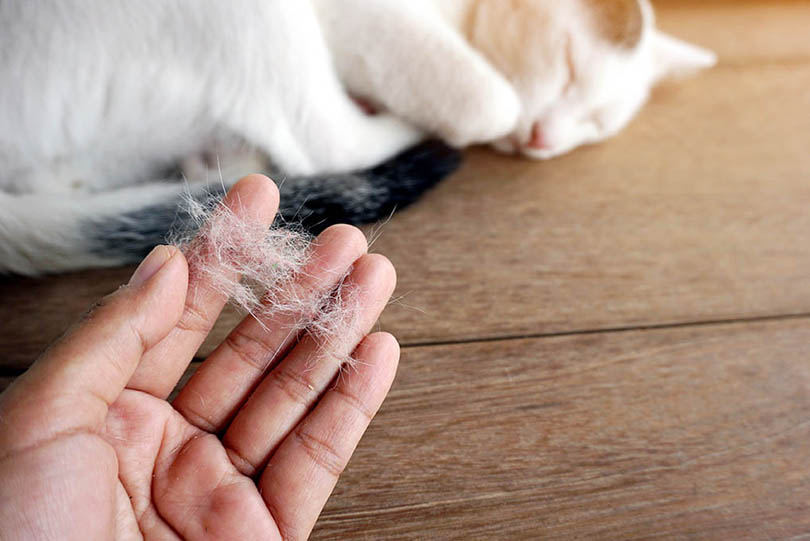
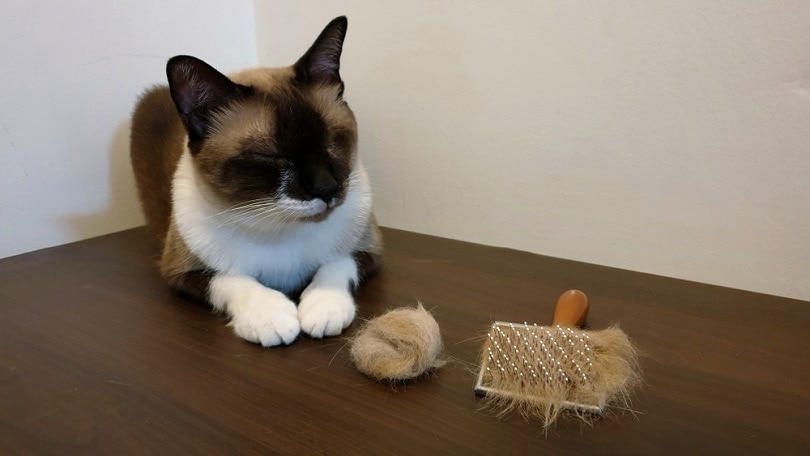
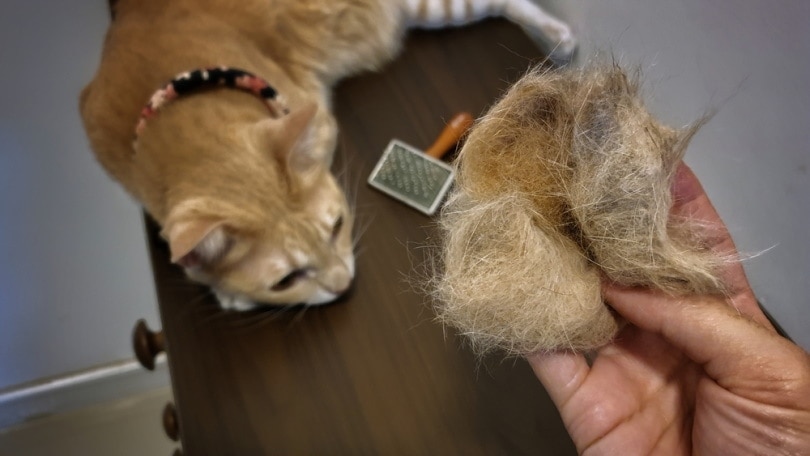
Unless you adopt a hairless cat, all cats shed. Some just shed more than others. Those that do shed often shed the most during cat shedding season, which is hormonally driven. Usually, this season occurs during the change in the seasons, such as during spring or fall.
However, it can vary from cat to cat. Shedding season is often punctuated by a steady and endless stream of cat fur. It'll end up all over your house and clothes—unless you take steps to mitigate it. We’ll go over those exact steps in this article, helping you live a (hopefully) less cat-hair-filled life.

Why Do Cats Shed?
All cats shed at least a bit. Even cats that are mostly hairless are often covered in a soft peach fuzz, which they shed regularly. Most other animals with hair shed, too, including humans. Cats just have a lot more hair per pound than we do. If you are an animal with hair, you have to constantly regrow that hair. Old hair becomes damaged by normal day-to-day living, and new hair is always growing in its place. Therefore, all cats are going to shed at least a little bit sometimes.
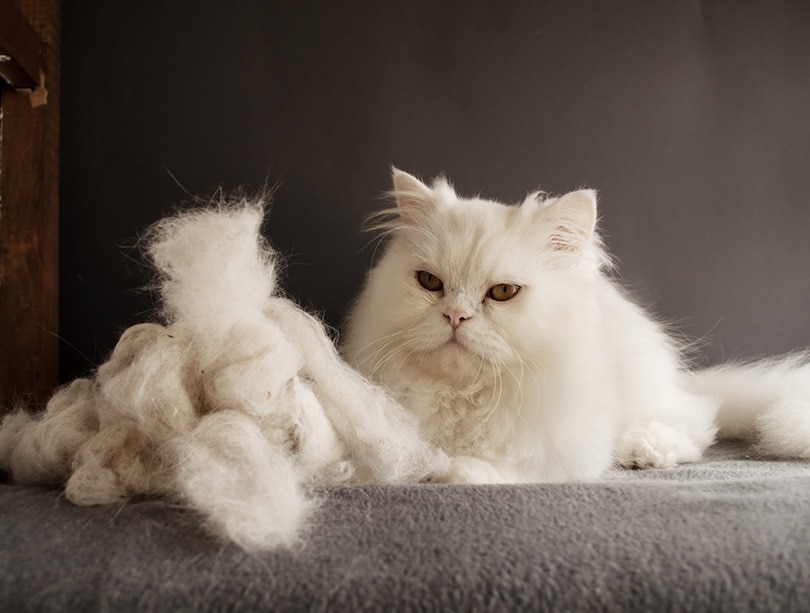
However, some cats do shed quite a bit. Certain breeds simply shed more hair than others, depending on the nature of their coat. If you notice your cat shedding a lot, it may be a sign of an underlying problem—or it could be cat shedding season. Cats will lose their winter coat in the spring and their summer coat in the fall. During these periods, you can expect a lot more hair. They are just preparing for the new season. In most cases, it's impossible to stop shedding completely. If you own a cat that has fur, you are going to end up with at least some fur on your floor and furniture. That’s just how it works!
However, there are often some things you can do to minimize shedding. Not all of these steps will work for every cay, but some of them may improve your cat’s coat – and therefore reduce shedding.

How to Reduce Cat Shedding
1. Brush, Brush, and Brush Some More
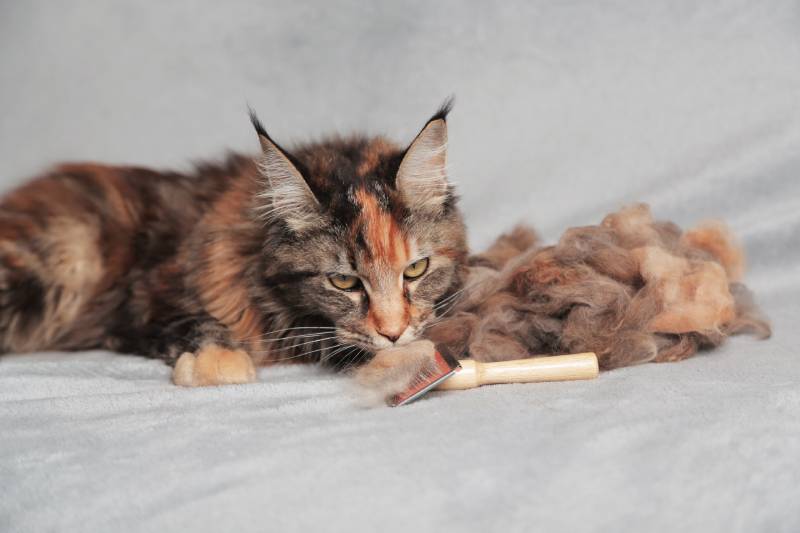
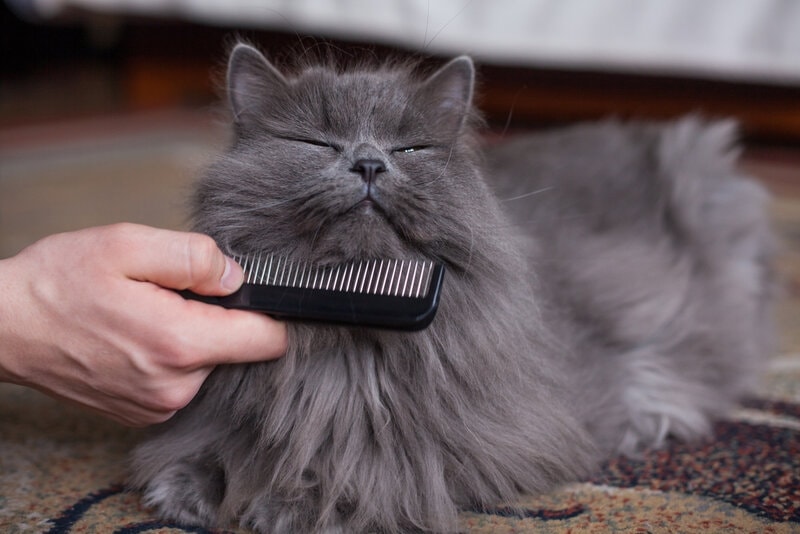
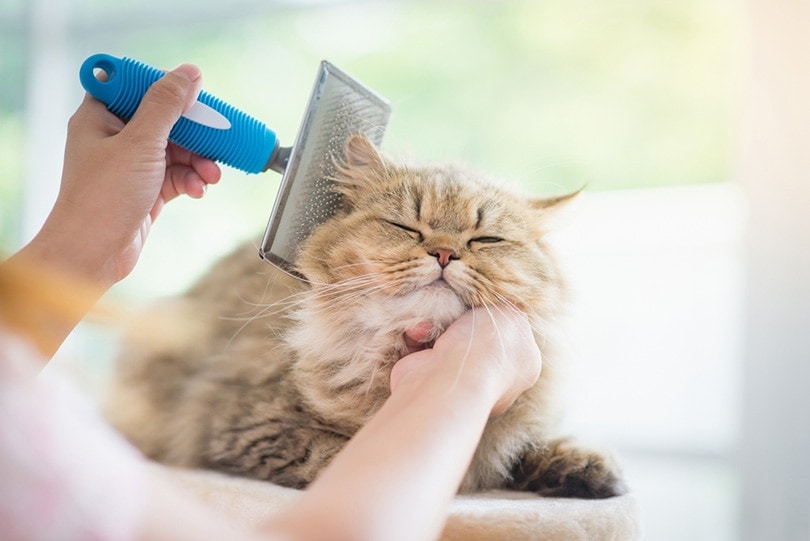
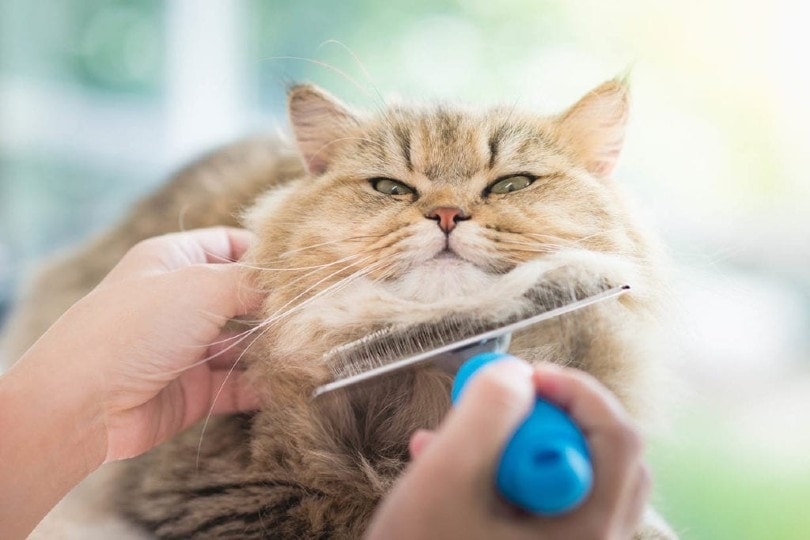
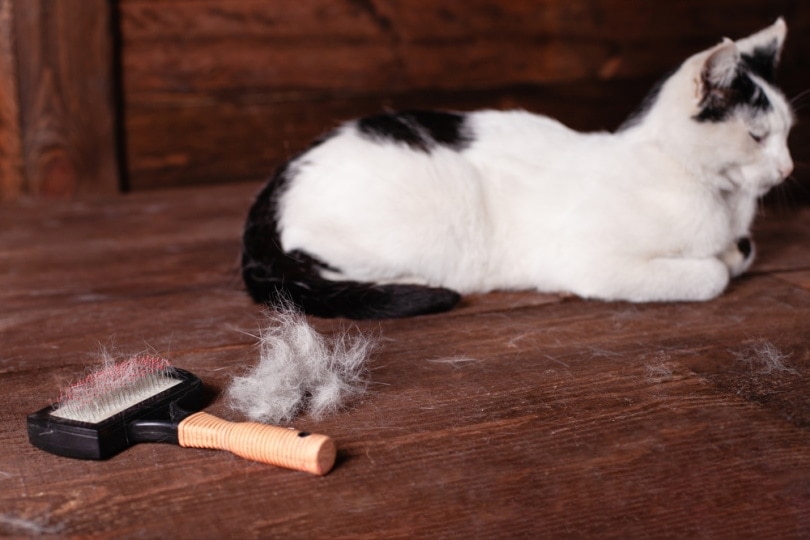
The only sure way to reduce feline shedding is to brush your feline regularly. Long-haired cats likely need brushing at least every other day. This session will reduce matting, as well as remove loose fur and debris. On the other hand, short-haired cats often only need to be brushed once a week.
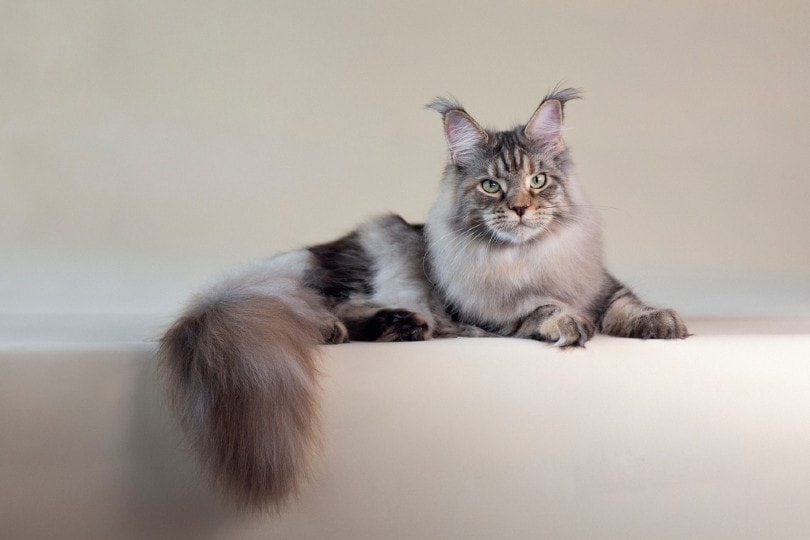
However, during shedding season, you may need to increase that to once a day. While you do not need to worry about your short-haired cat ending up with mats, a daily brushing session is often required to deal with the onslaught of fur. Plus, it does help their coat stay clean and spread out their natural oils. Long-haired cats don’t necessarily shed more than short-haired cats. But long-haired cats do have longer fur, so it tends to stick out more than short hair.
Daily brushing will heavily reduce the shedding and the amount of cat fur that ends up on your floor. However, it still isn’t going to reduce it completely. Even if you brush your feline, you have to expect some fur to end up on the furniture. However, there is really no replacement for brushing your feline regularly. In the end, it’s the only way that you are physically going to remove the shedding hair.
2. Get the Right Tools
Of course, just brushing your cat isn’t always enough. You also need to ensure that you’re using the correct tools. Otherwise, all your brushing might be in vain.
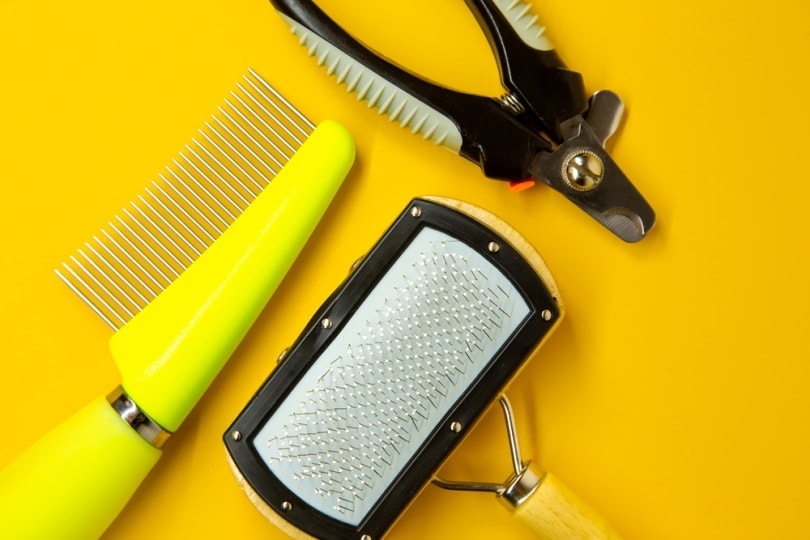
For most de-shedding, you can use a metal comb with fine to medium teeth. This sort of comb works well for both short and long-haired cats. You’ll need to ensure that the comb reaches into the bottom layers of the coat, where the mats and tangles often are.
Typically, long-haired cats will require more brushing with a comb since they have more fur. Felines with a double coat usually shed the most and need the most brushing with this comb. Sometimes, you may need a metal de-shedding tool or rake. However, these brushes are often harsher than you really need. They can damage your cat’s skin and make them dislike their grooming sessions. Plus, it often requires special training to use some de-shedding tools. If you use them incorrectly, you may inadvertently cut your pet’s coat.
For short-haired cats, you can use a grooming glove. These are often easier to use since you’re only petting your cat in all technicality. These gloves have shorter bristles, but they are often plenty for short-haired felines.
3. Check for Underlying Conditions
Some medical problems can cause excessive shedding. If your cat suddenly starts shedding more, it may be because they have developed a health problem. Because cats are very good at hiding their illnesses, you often are not given many symptoms to go on. For instance, food allergies often cause hair loss. Skin irritation, hair loss, and excessive grooming are the most common signs. Other illnesses can cause hair loss as well. Certain parasites, stress, sunburn, and pregnancy can all cause hair loss in cats.
4. Change Their Diet
A common way to help your felines shed less is to change their diet. If your cat is on a poor diet, they may be unable to get the nutrients their coat needs to stay healthy. Therefore, they may lose excess fur.
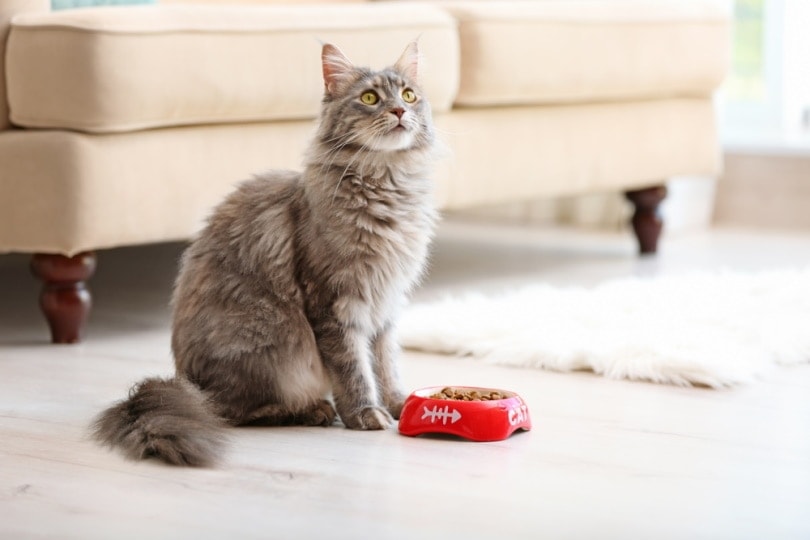
Cats need high quantities of protein and fat to thrive. After all, they're obligate carnivores. If your cat does not get enough of these macronutrients, they may lose more fur. Therefore, you may want to consider switching your cat to a food that is higher in animal meat. Furthermore, omega fatty acids can make cats shed less and keep their coat shiny. Often, high-quality foods add omega fatty acids directly to the food. However, fish contain high amounts of omega fatty acids naturally.
If you do change your cat’s food, be sure to do it slowly. You should start by only replacing a small amount of their usual diet with the new food. Then, slowly increase it until they are only eating the new food. Otherwise, your feline’s stomach may become upset, leading to gastrointestinal problems. The last thing you want is for your feline to associate the new, high-quality food with being sick, as it may prevent them from eating it in the future.
Final Thoughts
All cats shed. It is even considered a sign of health. However, the fur can get quite annoying when it ends up all over your floor and furniture. Luckily, there are a few things you can do to prevent excessive shedding–even during shedding season. Of course, brushing your cat is always the best place to start. However, you can also try dietary changes and ensure that you’re making the most of your grooming sessions by using the right tools.
Sometimes, shedding can also be caused by an underlying health condition. If your cat suddenly starts shedding extra, it may be in their best interest to take them to the vet for a quick checkup.
Related Reads:
Featured Image Credit: RJ22, Shutterstock
Get Hepper In Your Inbox


Pet care tips from our vets and experts, straight to your inbox.
You may opt-out at any time. View our Privacy Policy for more information.

Kristin is passionate about helping pet parents create a fulfilling life with their pets by informing them on the latest scientific research and helping them choose the best products for their pets. She currently resides in Tennessee with four dogs, three cats, two fish, and a lizard, though she has dreams of owning chickens one-day!
Join the conversation
Ask a question, share your story, or send private feedback.