Hepper is reader-supported. When you buy via links on our site, we may earn an affiliate commission at no cost to you. Learn more.
How to Stop Cat Shedding: 8 Vet-Approved Tips


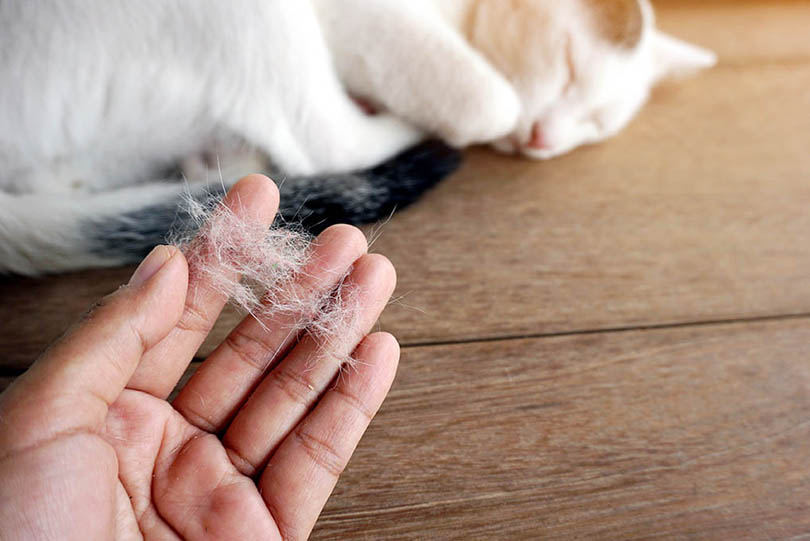
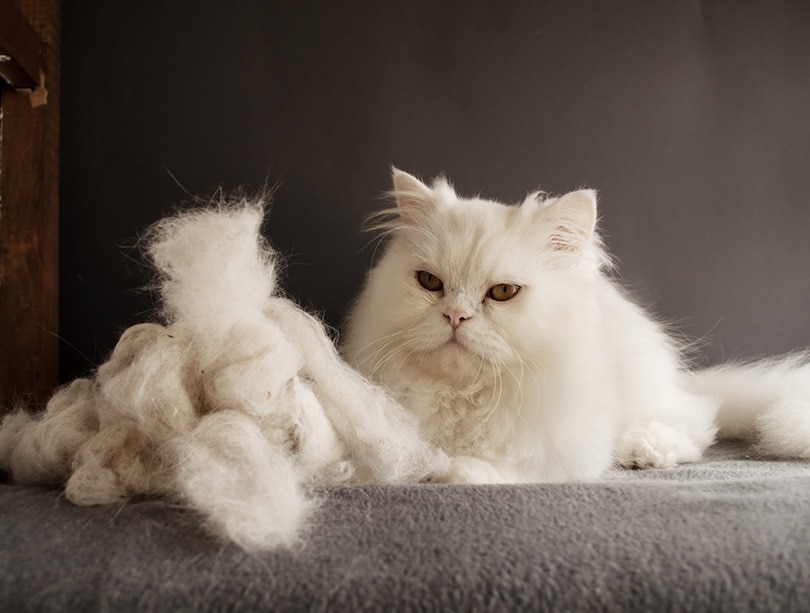
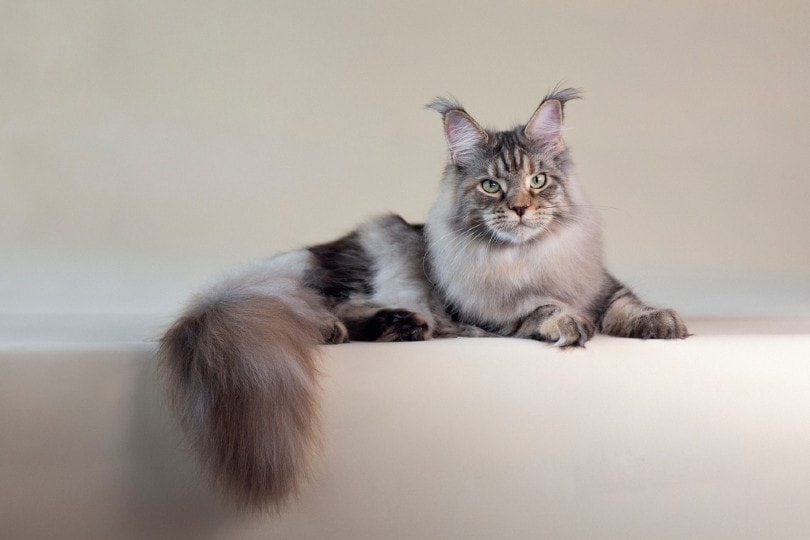
Most cat owners accept that they have to deal with shedding. It's part of living with a fur-covered animal. There are, however, things that you can do to get your cat’s shedding under control and sometimes even reduce the amount of shedding that they do. To help you do just that, here are eight methods to reduce your cat’s shedding.

The 8 Methods to Reduce Cat Shedding
1. Regular Brushing
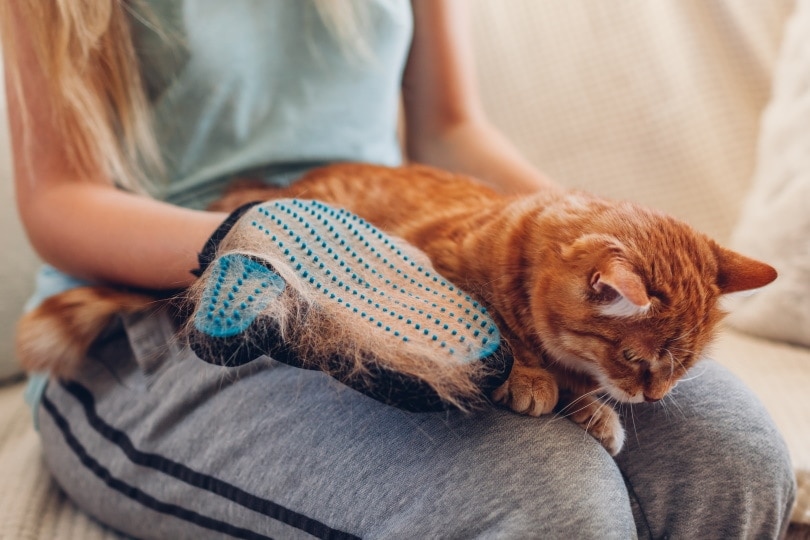
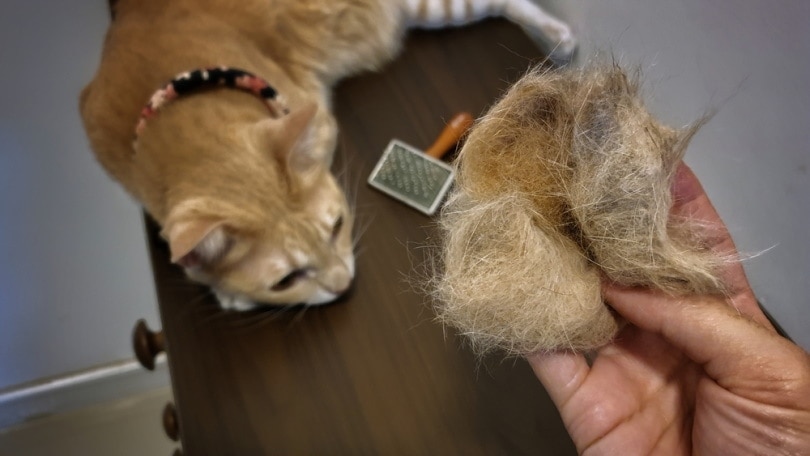
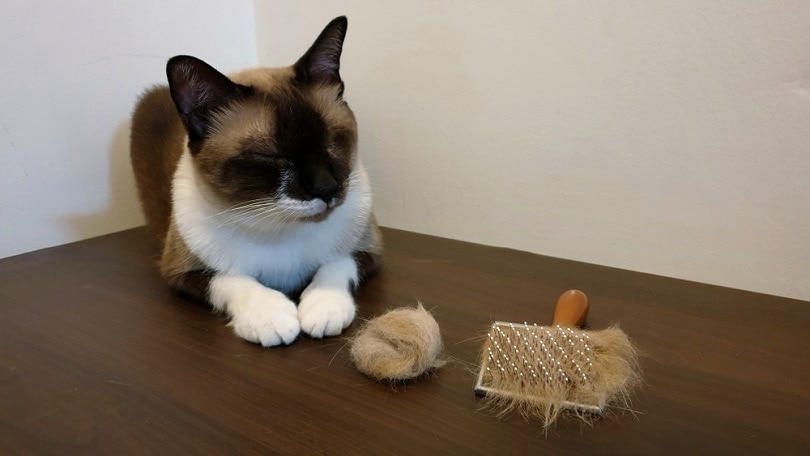
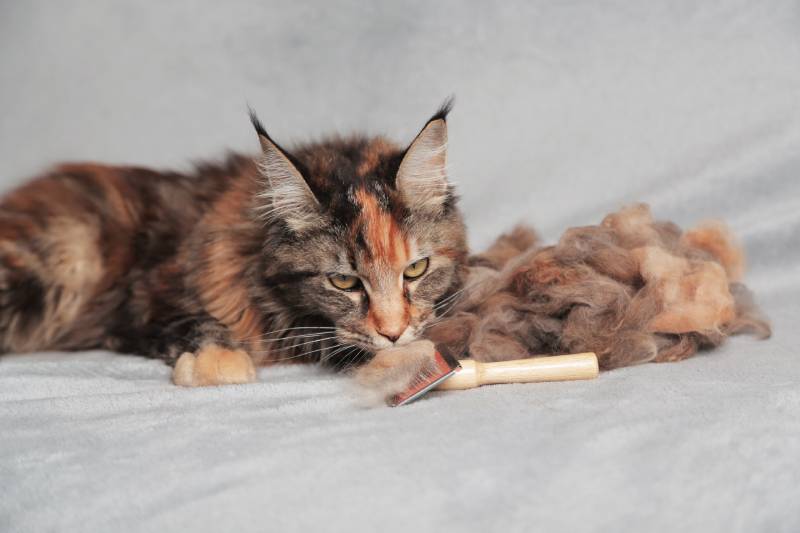
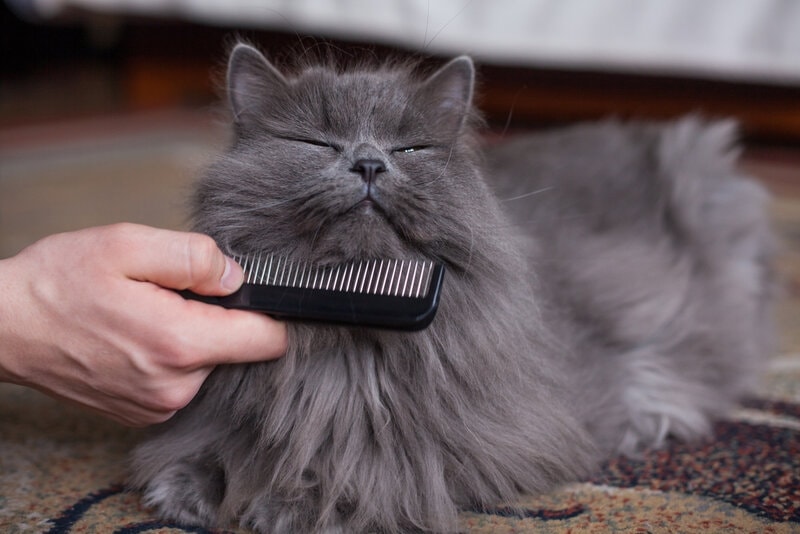
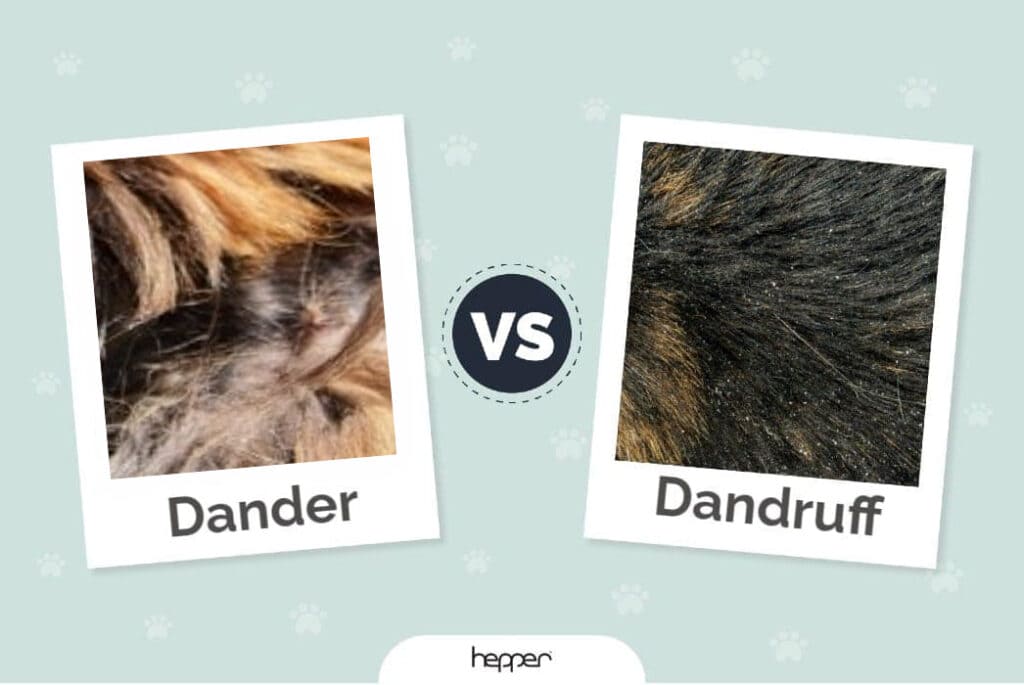
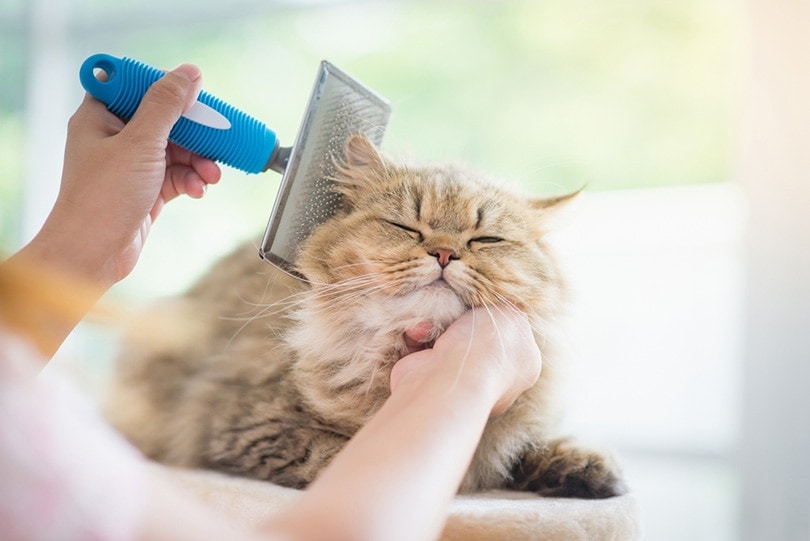
Brushing your cat regularly can make a gigantic difference in the amount of cat hair floating around your house. It minimizes hairballs and removes dirt, dead hair, and dander, all of which can contribute to unhealthy skin. In addition, brushing prevents your cat from developing unmanageable matted hair.
Short brushing sessions every day will help decrease shedding. For cats that are not fond of brushing sessions, using a shedding glove or massaging brush can help with their anxiety, especially when grooming sensitive areas.
2. Creating a fur-friendly location
Part of the issue with cat hair and shedding is that cats love to lie on things that we would prefer not to have covered in hair. Cats seem to have a “sixth sense” that ensures that their favorite nap spot is also your favorite chair or pillow! While you probably can’t convince them not to hang out there, you can cover the spot with something fur-friendly to lay on. You can try putting catnip or a relaxing spray on an area you would rather the cat rests on.
This strategy does not exactly reduce the amount of shedding that your cat does, but it will minimize the spread of hair around your house. Cat trees are ideal for giving your cat personal space. You can also try putting a washable blanket in their favorite sleeping location.
3. Hydration
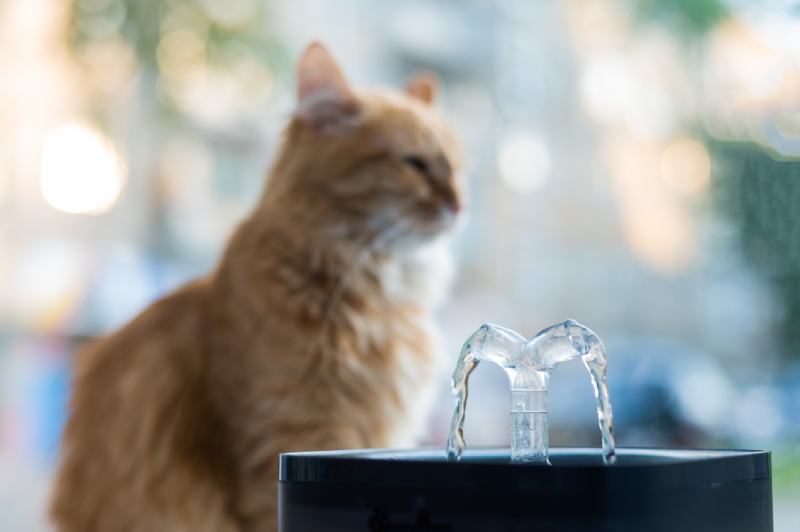
Ensuring that your cat is well-hydrated will improve their overall coat quality and health. This sounds easy but it often is not. Cats are known for not drinking enough water, so how do you change this? The easiest way is to introduce wet food to your cat’s diet. A cat can get up to half of their recommended daily water intake from a single can of wet food.
Other options include changing the water bowl or where it's located. Make sure your cat feels safe near their bowl, or consider elevating it for easier access. Some cats enjoy drinking fountains or drinking from a glass on your bedside table!
4. Bathing
Running a stream of water through hair is a sure-fire way to remove loose strands. If you're brave enough to try it, it works for your cat too. Cat-friendly shampoos will help nourish dry skin and loosen up dead hair. For most cats, bathing is difficult, so it might be best to reserve this option for twice a year, in the spring and fall, when your cat blows out most of their coat, or, have a groomer do it for you.
5. Diet Alterations
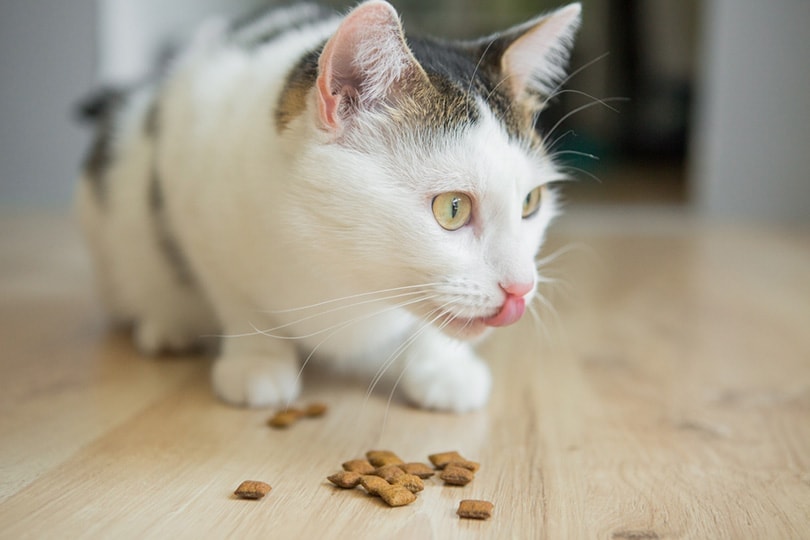
Poor diets or diets lacking in essential vitamins and minerals can cause excess shedding because they make your cat’s hair more brittle and more likely to fall out. Adding more omega-3 and -6 fatty acids to their diet is the easiest change to make, as these compounds directly impact the amount of shedding that your cat does. It will take around 6 weeks for you to see the benefit so the supplement or skin support food should be given year round.
6. Shaving
It should be no surprise that one of the easiest and most effective ways to stop shedding is to shave off the hair. You can do this yourself or hire a professional groomer to give your cat a good trim.
The most important thing to remember if you decide to shave your cat is to never use clippers without the guard. You are not really “shaving” the hair off so much as cutting it short and taking off the guard puts you at risk of cutting your cat’s skin.
7. Vacuums and Lint Rollers
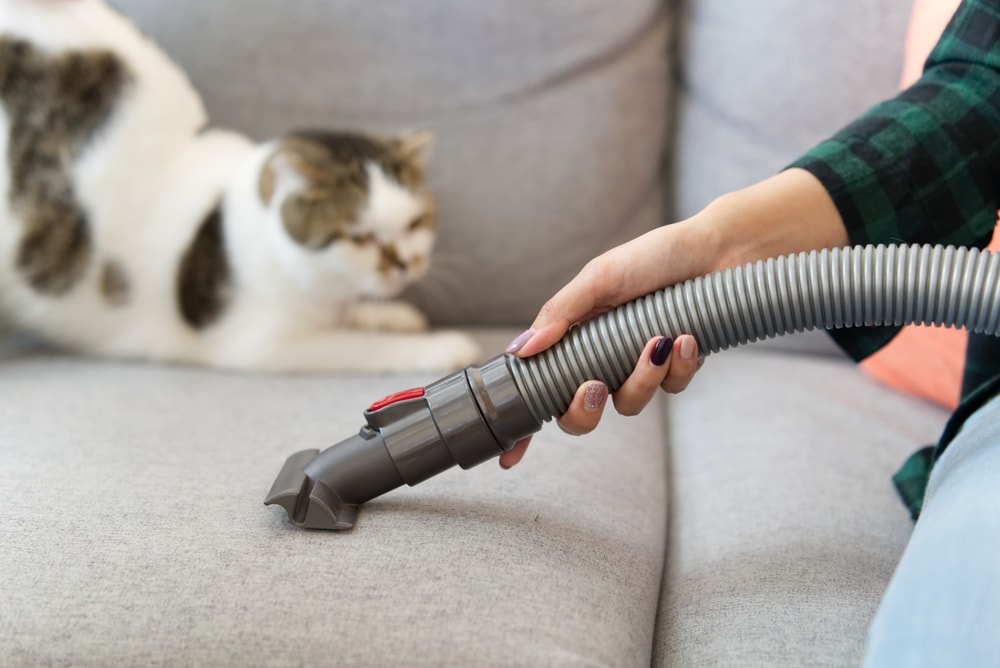
Regular cleaning will help keep the cat's hair under control. Using a vacuum specially designed for pet hair or other pet hair removal tools can make this task slightly less daunting.
8. Stress Reduction
Hopefully, your cat lives a stress-free life, but if there has been a significant life change recently, like a move or a new family member, stress could be the cause of extra shedding. While you might not be able to change the circumstances, you can reassure your kitty and reduce their stress levels until they adjust.
Pet parents with anxious kitties know the pain of watching their companions be uncomfortable—that’s where the Hepper Nest Bed comes in. Our product is designed with nervous pets in mind. The bowl shape with high rounded sides comforts your cat to make them feel safe and secure, while the self-warming, sherpa fleece insert and flexible molded foam ensure that they stay as cozy as possible. Learn more about how the Next can calm your anxious pet here.

- COMFY KITTY - Your cat or kitten will have an amazingly deep sleep in this self warming, nesting cat bed. The warm, fluffy cat bed lining provides calming stress relief for cats of all ages.
- PRETTY HOME - This round cat bed has a modern and unique design that’s perfect for a sleek indoor look. We don’t think of it as cat furniture but think of the Cat Nest as a “cat home”.
- SPACE SAVER - Reclaim your desk, window sill, or couch from kitten encroachment. This calming nest cat bed has an elevated, space-saving hideout so comfortable your kitty can't resist!
Final Thoughts
Shedding is part of owning a cat unless you happen to own a hairless breed. While you can’t stop your cat from shedding completely, you can take steps to reduce it. Hydration, a healthy diet, and regular grooming can all reduce the amount of hair left around the house. For the hair that remains, there are several low-stress options to help you clean up the mess.
Featured Image Credit: Doucefleur, Shutterstock
Get Hepper In Your Inbox


Pet care tips from our vets and experts, straight to your inbox.
You may opt-out at any time. View our Privacy Policy for more information.
Chelsie is a freelance writer who is passionate about helping pet owners and beloved animals live their best lives. She lives in rural Alberta, Canada with her husband and two sons. She is also currently a pet parent to four horses, four cats, and a border collie.
Join the conversation
Ask a question, share your story, or send private feedback.