Hepper is reader-supported. When you buy via links on our site, we may earn an affiliate commission at no cost to you. Learn more.
Chocolate British Shorthair: Facts, Pictures, Origin & History
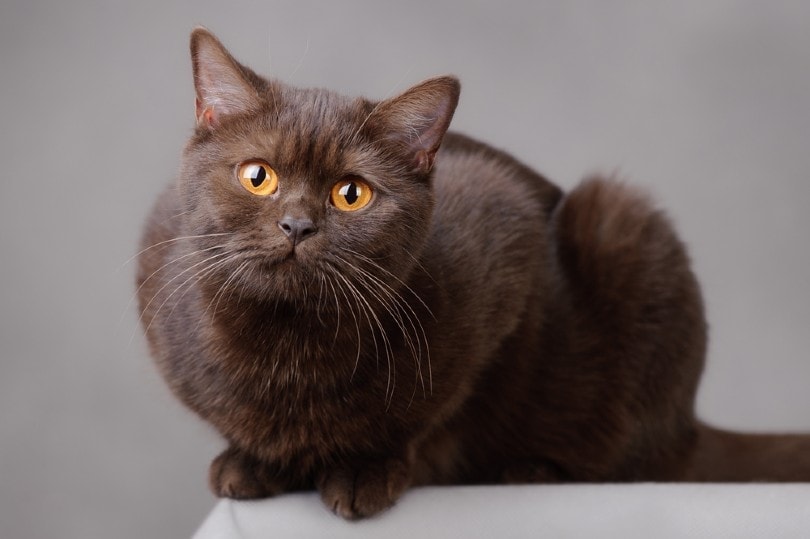
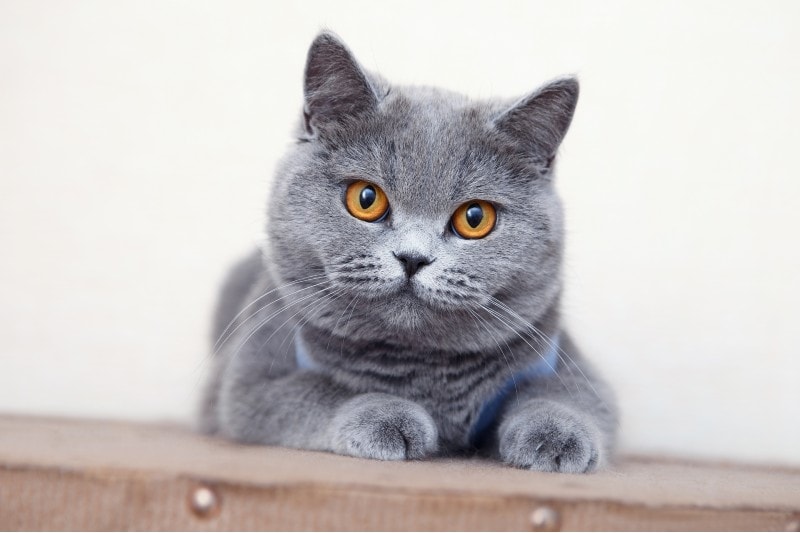
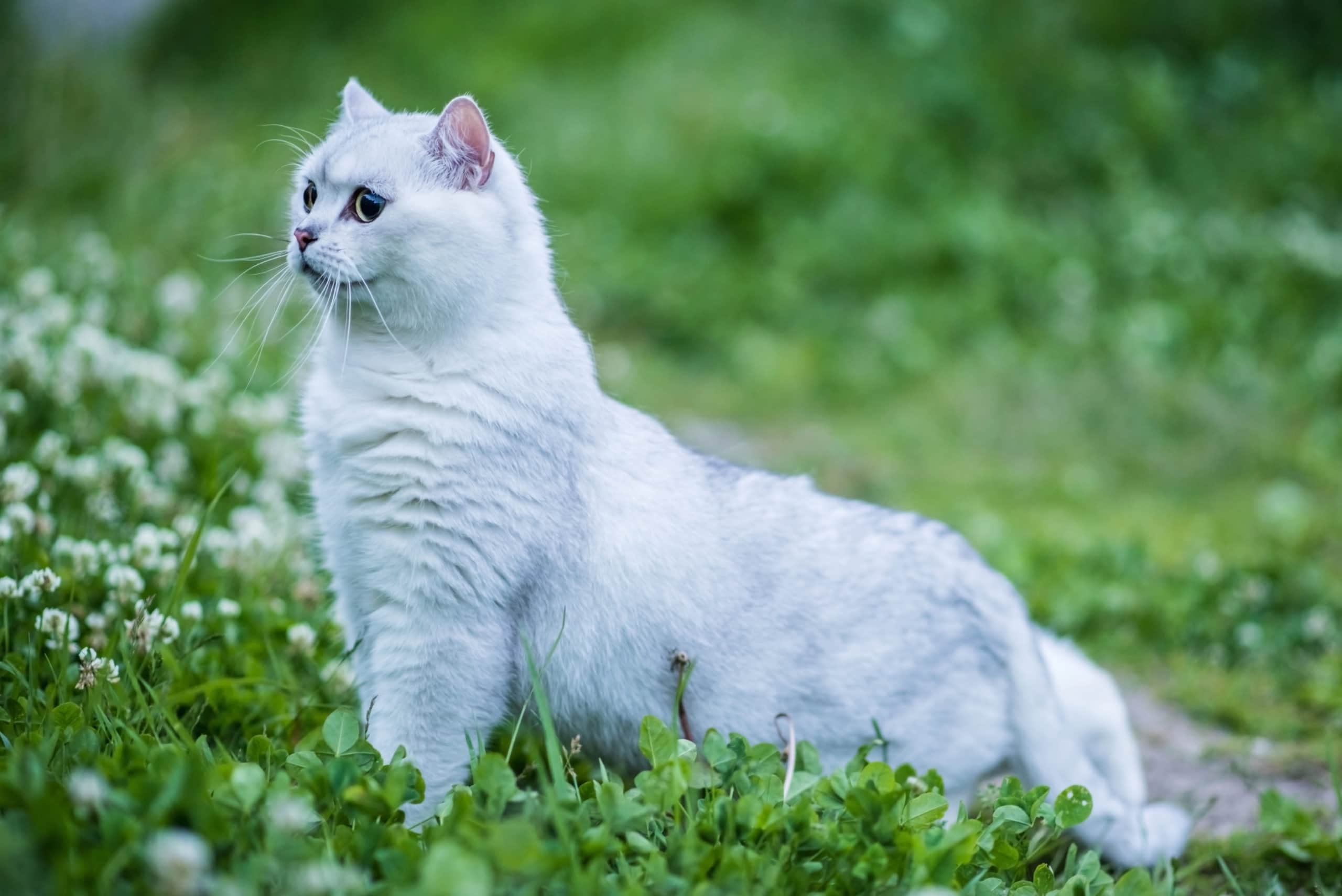
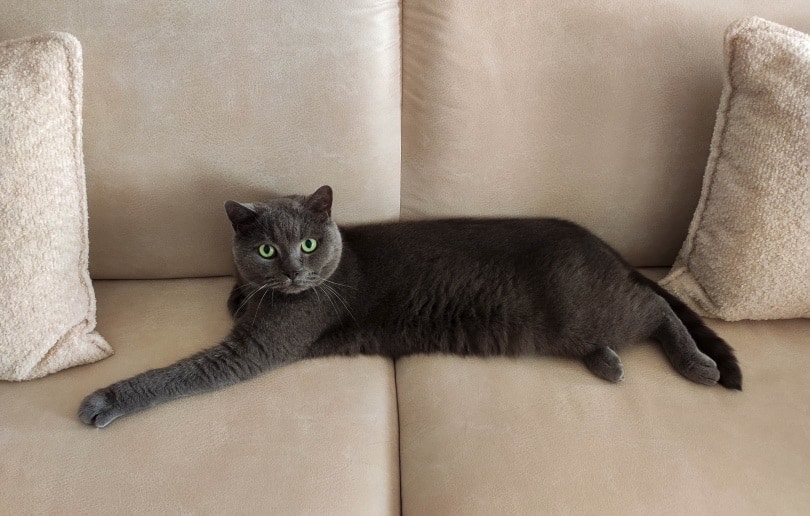
British Shorthairs are a rather popular cat in the UK. As their name suggests, they were developed in the United Kingdom and are one of the major shorthaired breeds still bred there today. They are most commonly seen in their blue-grey coloration. However, they actually come in many different colors.
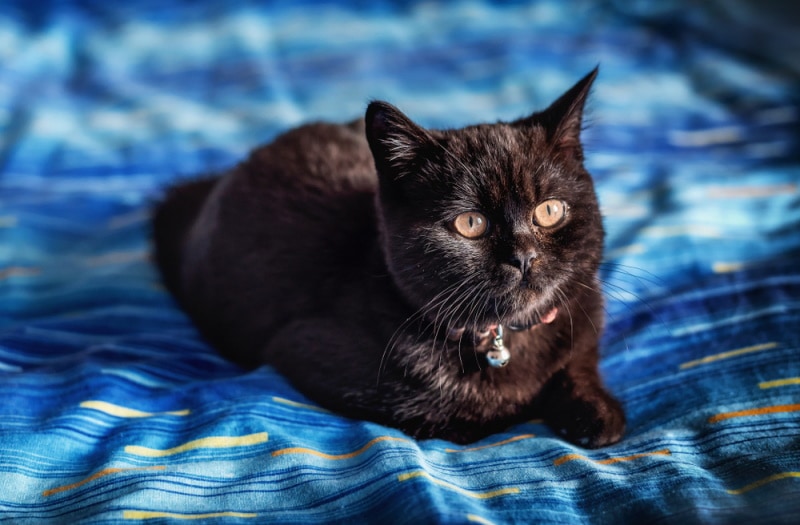
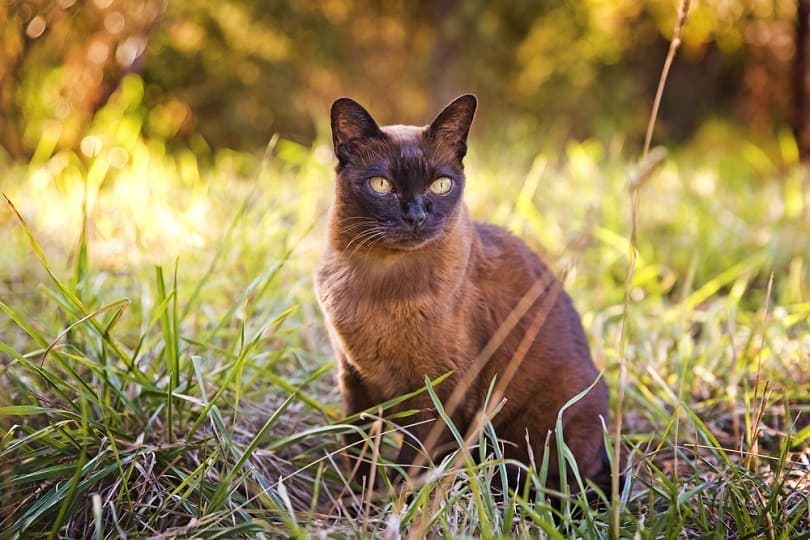
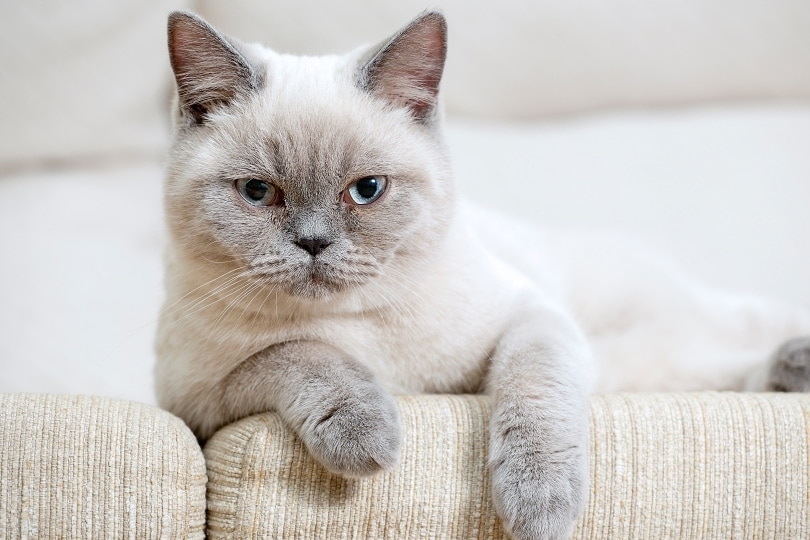
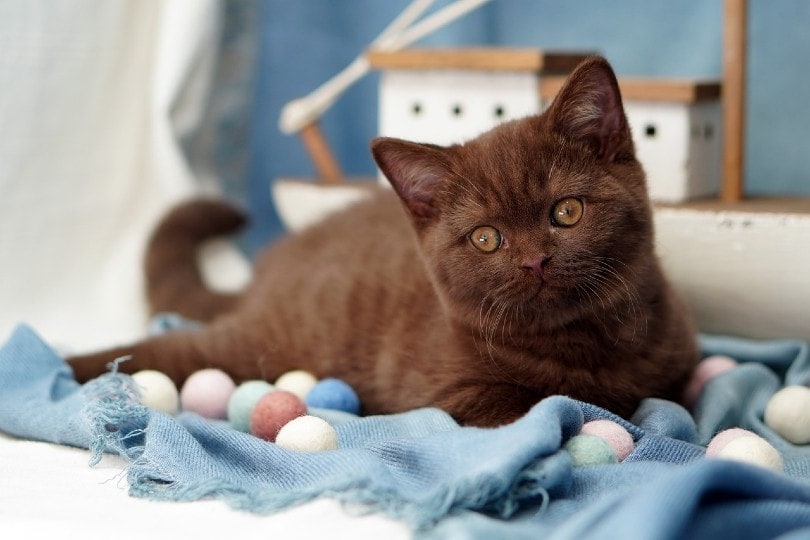
One of these colors is chocolate. Though it has a rather fancy name, this color is basically just a solid dark brown color. It wasn’t originally in this breed’s genetics, though. It was introduced to the breed through crossbreeding with chocolate Persians. This led to an improper fur length and texture, though, which took quite a while for breeders to reign in.
After careful breeding, they did manage to produce a chocolate British Shorthair with the correct hair length and personality. Read on for all the facts about this feline variety.

Origins & History
The British Shorthair is a relatively old breed of cat. In fact, they are one of the oldest cat breeds in the world, dating back to probably around the first century AD. These cats were originally friends of the Romans, who imported them to keep their camps clear from mice and snakes.
Over time, this breed interbred with other cats freely. They weren’t bred in a controlled manner but developed naturally into strong and stocky cats. They eventually ended up with a short, thick coat that helped them survive the climate of the British Isles.
Selective breeding didn’t occur until the 19th century, with the blue-grey coloration being bred primarily. This breed appeared at the first-ever cat show, which was held at the Crystal Palace in London in 1871. This led to the British Shorthair gaining in popularity quite quickly.
However, in the 1900s, the result of WWI and the introduction of cats like the Persian meant that this breed nearly became extinct. Because British Shorthairs were so hard to find, Persians and other cats got mixed into the line. There simply weren’t enough British Shorthairs to breed. Long-haired kittens were put into the Persian breeding programs, while shorthaired cats were kept as British Shorthairs.
The breed rebounded for a while, and interbreeding stopped. However, shortages occurred again in WWII, which encouraged more interbreeding with Persians.
This interbreeding was how the chocolate gene was introduced.
Top 3 Facts About Chocolate British Shorthairs
1. Chocolate wasn’t originally a British Shorthair color.
While the British Shorthair is quite ancient, this particular color variant is not. It occurred sometime during WWI when a shortage of purebred British Shorthairs led to crossbreeding with Persians. Persians did have the chocolate gene at this time and introduced it into the British Shorthair breeding pool.
While the kittens produced from this interbreeding were not technically purebred British Shorthairs, all kittens with shorthair were considered as such. This included chocolate-colored kittens, even though this color technically didn’t belong to the British Shorthair.
2. This color variant is rarer.
The blue color is by far the most popular British Shorthair coloration. Once upon a time, it was the only color variant that was bred for. While this has changed substantially today, many breeders still largely produce blue kittens. You have to find a breeder that specifically produces chocolate kittens to find a cat of this variant.
3. “Chocolate” can mean a few different things.
The exact shade of chocolate can vary widely. All shades are accepted by the breed standard, so most breeders don’t prioritize one particular shade over the other.

Appearance
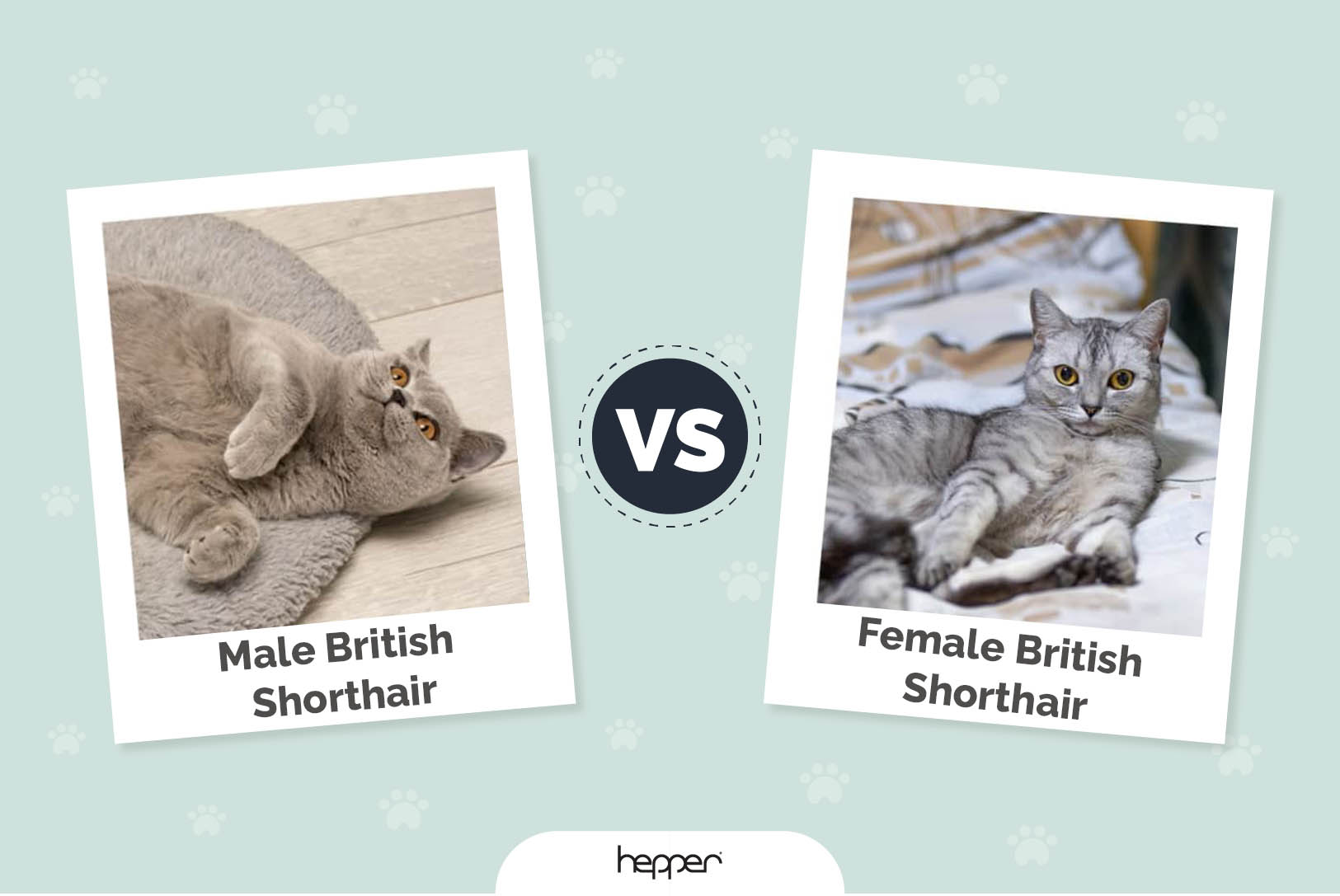
These cats are rather stocky and powerful. They are obviously built for practical purposes. They have a very broad chest and thick legs. Their tail is somewhat short with a blunt tip. Males, in particular, develop very prominent jowls with broad cheeks. Often, their eyes are extremely large and rounded.
Due to their somewhat larger size, these cats take longer to mature than most breeds. They usually don’t get done developing until closer to 3 years of age. Once they are fully grown, males will weigh about 9-17 pounds, while females will weigh 7-12 pounds.
The chocolate coloration is not accepted by all cat organizations. For instance, the Cat Fanciers’ Association (CFA) specifically forbids cat colors that show evidence of hybridization, which includes chocolate. Other cat registries do accept chocolate, as it has been part of this cat’s appearance for a while. In the end, it really just depends on who you talk to.
Where to Buy
It can be difficult to find these chocolate-colored British Shorthair kittens. Generally, you have to find a breeder that specializes in them. The blue-grey coloration is far more common and makes up most of the British Shorthair population. The fact that the CFA doesn’t accept chocolate as a breed color makes it even more difficult to find a kitten.
Luckily, there are a few breeders out there that produce cats of this coloration. Often, these breeders also produce other rare colors, like lilac and cinnamon. Because they are a bit rarer, they often have higher price tags. This can vary from breeder to breeder and depends on the demand. In areas with higher demand than supply, you should expect to pay a bit more than usual.

Final Thoughts
Whether British Shorthairs can come in chocolate is up for debate. Some cat organizations accept chocolate, and many people consider it to be one of the older colors today. However, this color was originally introduced in this breed using Persian genetics as far back as WWI. For this reason, some people do not consider it to be a real British Shorthair coloration.
Because these cats are not widely accepted, they can be a bit harder to find. The CFA does not accept chocolate as a British Shorthair color, so breeders associated with this organization commonly don’t breed them. You often have to look elsewhere for a breeder that specializes in this coloration.
Besides their coloration, these cats act very similarly to all other British Shorthairs out there. They have the same sturdy, stocky bodies and are generally quite affectionate.
Also see:
Featured Image Credit: Waldemar Dabrowski, Shutterstock
Get Hepper In Your Inbox


Pet care tips from our vets and experts, straight to your inbox.
You may opt-out at any time. View our Privacy Policy for more information.

Kristin is passionate about helping pet parents create a fulfilling life with their pets by informing them on the latest scientific research and helping them choose the best products for their pets. She currently resides in Tennessee with four dogs, three cats, two fish, and a lizard, though she has dreams of owning chickens one-day!
Join the conversation
Ask a question, share your story, or send private feedback.