Hepper is reader-supported. When you buy via links on our site, we may earn an affiliate commission at no cost to you. Learn more.
8 Common Pomeranian Health Issues You Need to Watch For


In this article
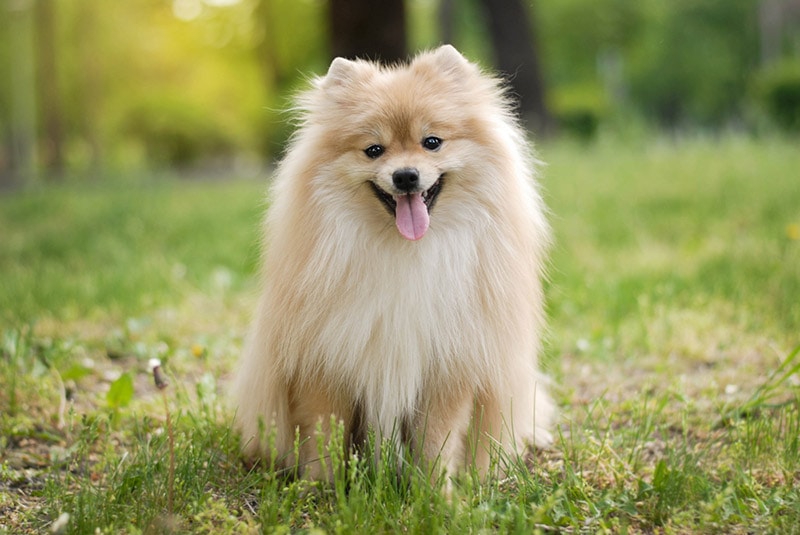
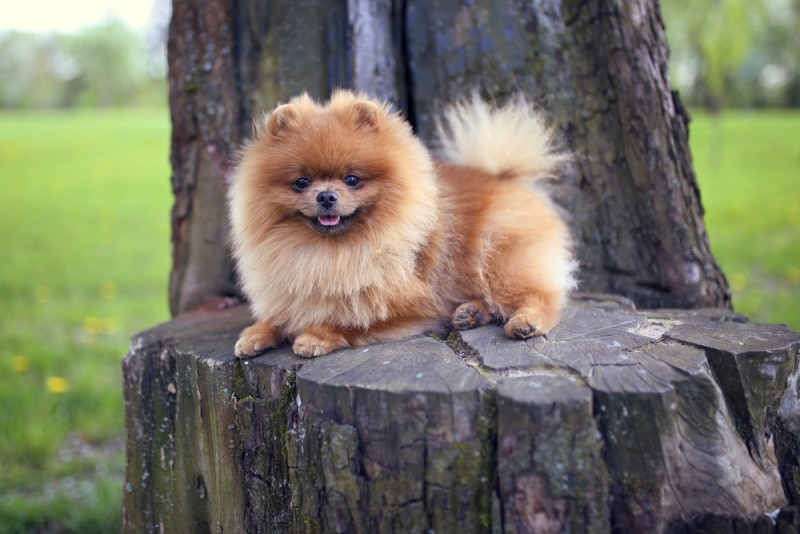
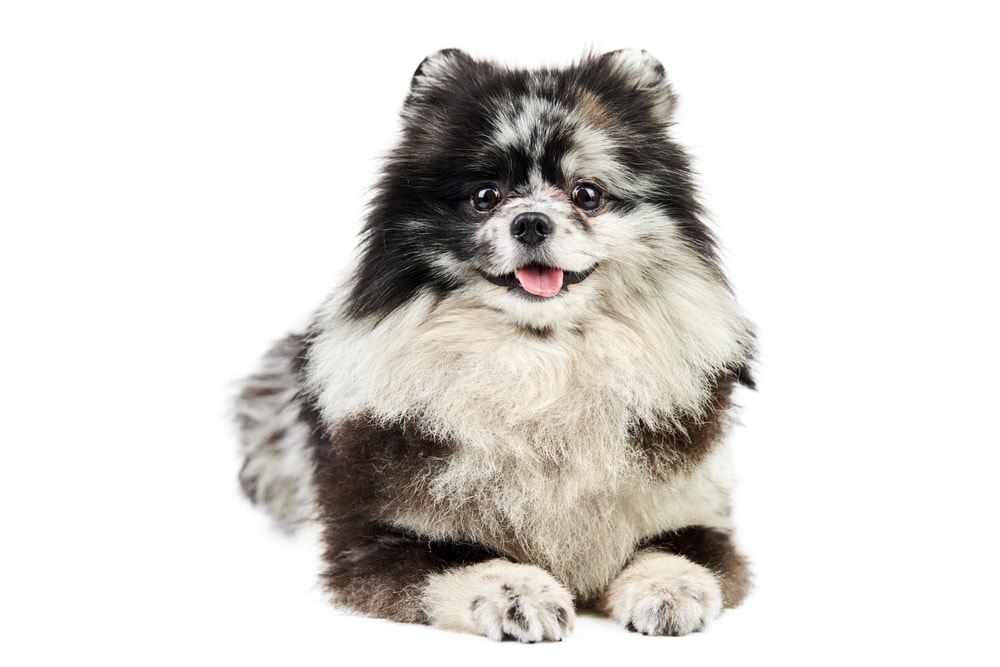
The Pomeranian's foxy face, gorgeous coat, and spunky personality make them one of the most beloved breeds in the world. They are also incredibly hardy little dogs that can live up to 16 years with proper care.
But like all dog breeds, Pomeranians (aka Poms) are prone to certain health issues. If you currently own a Pom (or planning to get one), it's important to familiarize yourself with the common health issues that may affect your pup. Knowing what issues to watch out for can help you spot symptoms and get a diagnosis as early as possible, which can also aid in successful treatment.
Here are some of the eight most common health issues in Pomeranians you should be aware of concerning your dog’s wellness.

The 8 Common Pomeranian Health Issues
1. Tracheal Collapse
A dog's trachea, aka their windpipe, is made of rings of cartilage held together with muscles and ligaments. These are often more delicate in smaller breeds like Pomeranians.
Tracheal collapse is caused by improper development of the cartilage rings making it harder for them to maintain the open shape of the windpipe. Tracheal trauma, which can be caused by things like excessive exercise, running and jumping, or even pulling too hard on a leash, can cause the trachea to collapse intermittently. Poms with collapsed tracheas will experience difficulty breathing, frequent coughing or gagging, or even collapse after exercise.
Treating tracheal collapse typically involves lifestyle changes, like providing more rest and avoiding certain activities or trauma that can worsen the condition. It may also require medication or even surgery in more severe cases.

2. Luxating Patella
The patella, or kneecap, is a small bone that sits in a groove of the femur and is held in place by muscles, tendons, and ligaments. When this kneecap slips out of the groove, it's called luxating patella, a common issue in Pomeranians and many other dog breeds.
Luxating patella can cause symptoms like sudden lameness in the affected leg or hind limb, skipping or hopping, popping or clicking sounds when the knee is moved, and even swelling around the joint.
Treatment often includes anti-inflammatory medications, physical therapy, and knee surgery in advanced cases.
3. Dental Disease
Pomeranians have a high risk of developing a dental disease due to their small-sized mouth, overcrowded teeth, and predisposition to periodontal disease. Good dental care is essential for preventing complications like infection, discomfort, and even tooth loss.
You can keep your Pom's teeth healthy by providing dental-specific treats, brushing their teeth regularly, and scheduling annual dental checkups with the vet.
4. Pharyngeal Gag Reflex
This is a condition where the Pomeranian has an exaggerated throat reflex that causes it to suddenly gag or retch after drinking, eating, or licking their nose. It is also referred to as reverse sneezing. This issue can be caused by a variety of factors, including over-excitement or food allergies, and is more common in smaller breeds.
Poms affected by this issue can usually be treated with anti-spasmodic drugs and dietary changes. Surgery may also be necessary in serious cases.
5. Cherry Eye
Cherry eye is an eye condition in which the gland of the third eyelid (located near the corner of the eye) becomes swollen and inflamed. Due to ligament laxity the gland protrudes out from its normal position and causes a bulge at the inner corner of the eye. It typically eventually affects both eyes and is more common in short faced breeds.
Cherry eye can usually be treated with a surgery that re-locates the gland to its natural position.

6. Progressive Retinal Atrophy (PRA)
This is an inherited disorder that affects the retina of Pomeranians and causes vision loss over time. Unfortunately, there is no cure for PRA, but early diagnosis and careful management can help maintain the quality of life for your pup.
7. Obesity
Pomeranians can quickly become obese due to their small size and love for treats. Excessive weight can cause problems like decreased mobility, joint pain, heart disease, and even diabetes.
8. Skin & Coat Issues
Pomeranians tend to have sensitive skin, which can lead to issues like itchy rashes, hair loss, and secondary infections. Allergies are the most common cause of skin issues, but other factors like poor nutrition or parasites can also play a role.
Typically, skin and coat issues can be managed with things like dietary changes, medicated baths or shampoos, and medications.

How to Keep Your Pomeranian Healthy and Happy
Given their vulnerability to a variety of health issues, it's important to provide Pomeranians with the necessary care and attention they need to stay healthy. Here are a few tips for keeping your Pom in top shape:
Feed Them a Balanced Diet
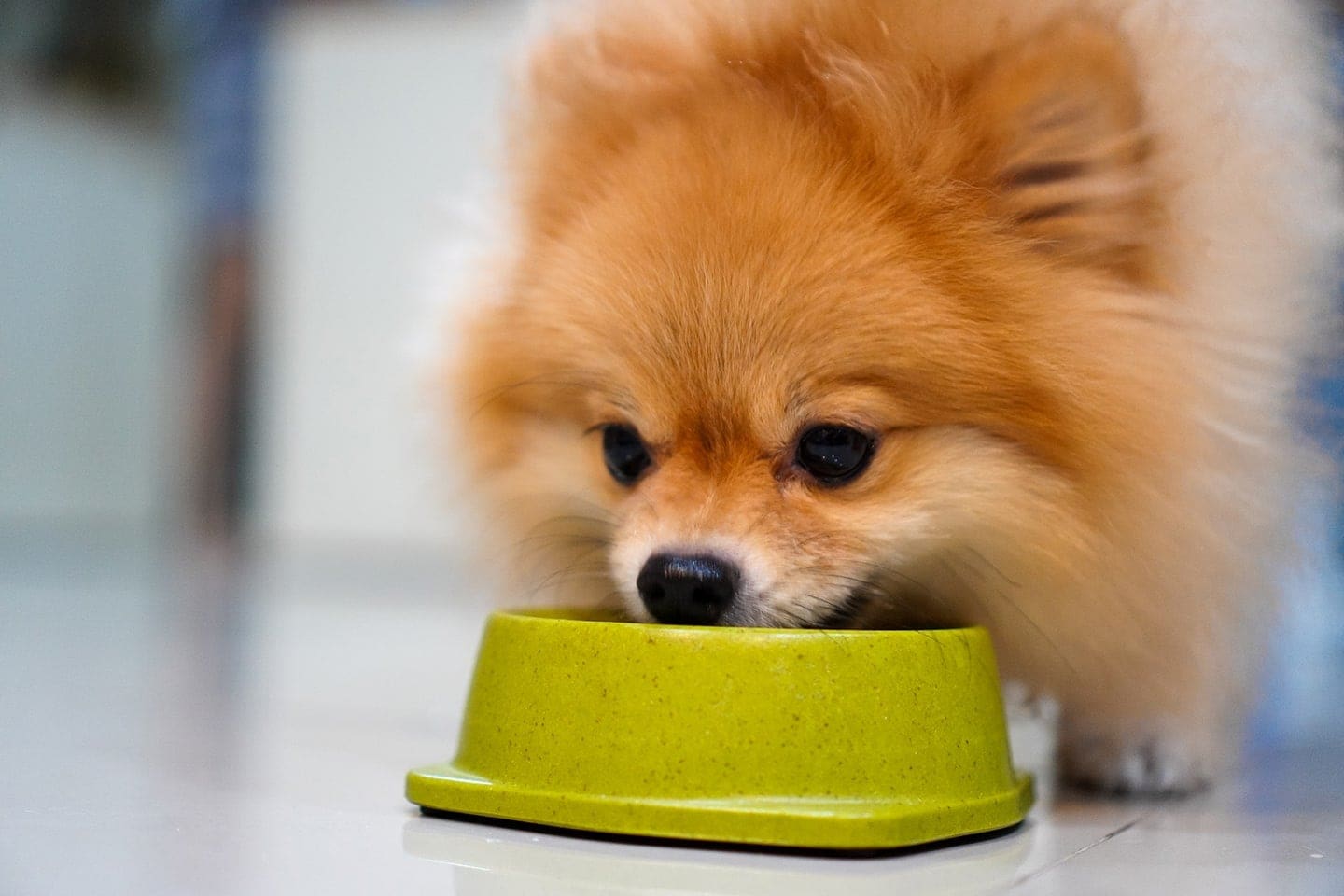
As a toy breed, Pomeranians don't need a lot of food to meet their dietary needs. Give them age- and size-appropriate dog food that has the complete and balanced phrase and AAFCO label.
Minimize the Treats
It can be hard to resist the cuteness of a Pom, but do your best! Because they are so small, it doesn't take much to pack on the pounds. If you do treat them, opt for healthy options like fresh fruits and vegetables or low-calorie snacks.
Observe Proper Dental Health
Healthy teeth are essential for preventing gum disease and other dental problems. Brush your Pom's teeth several times a week, supplement with dental treats, and schedule annual veterinary checkups to make sure their pearly whites stay in good shape.
Visit the Vet Regularly
It's important to take your Pomeranian to the vet regularly, even if they seem healthy. Your veterinarian can detect trouble signs early and help you keep your pup in good health.
Provide Adequate Exercise
Pomeranians are active, playful dogs who need regular exercise to stay healthy. Provide them with plenty of opportunities to explore and have fun, such as going for walks or playing fetch.
Still, be mindful of your Pom's limitations. For instance, they may be too small to jump off furniture or take long jogs. Instead of regular collars, consider having your Pom wear a harness to protect their neck.
Take Care of Their Grooming Needs
Poms require regular grooming to keep their thick double coats looking healthy and beautiful. Brush them a few times a week to remove dirt and tangles, and take them for regular professional grooming appointments. You may also want to give them skin and coat supplements to maintain their coat's natural luster.

Final Thoughts
The Pomeranian may act big for its size, but under all that fur and spunk is a delicate dog who needs extra attention and care. With good environmental and dietary conditions, Pomeranians can live long, healthy lives. Make sure to take them to the vet for regular checkups, feed them the right type of food, and provide them with plenty of exercise and TLC so you can enjoy life with your Pom for many years to come!
Sources
Featured Image Credit: Nick Stafford, Pixabay
Get Hepper In Your Inbox


Pet care tips from our vets and experts, straight to your inbox.
You may opt-out at any time. View our Privacy Policy for more information.
Nicole is a lover of animals of all sizes but is especially fascinated with the feline variety. She’s the proud mom of Baby, a Burmese, and works every day so he can relax in the sunshine or by the fire. She’s always had a cat in her home and has spent countless days with others, observing behaviors and softening up even the grouchiest of the lot. Nicole wants to share her kitty expertise with you so you and your cat can live happy, healthy, and care-free.
Join the conversation
Ask a question, share your story, or send private feedback.