Hepper is reader-supported. When you buy via links on our site, we may earn an affiliate commission at no cost to you. Learn more.
8 Common Havanese Health Issues (Vet-Approved Facts)



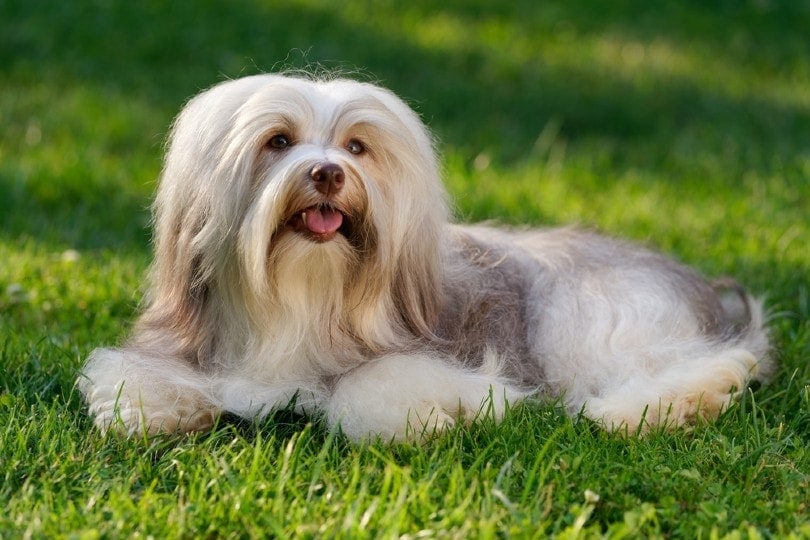
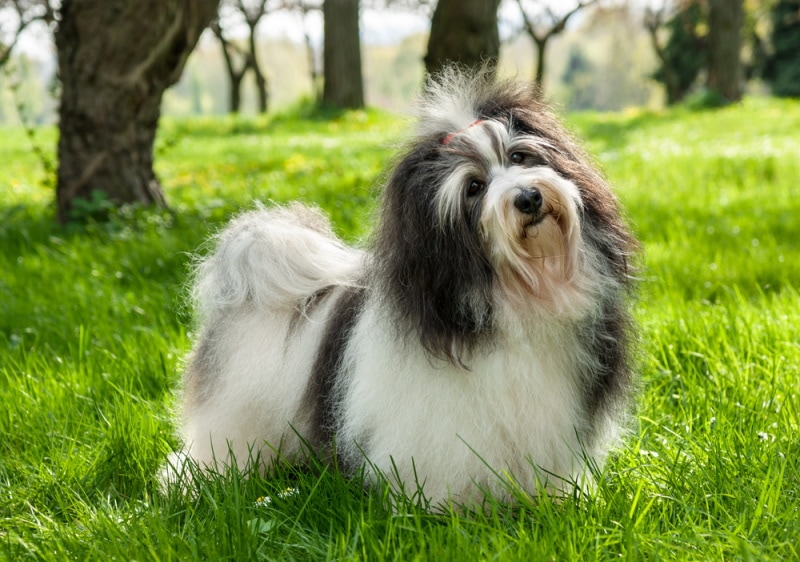
The Havanese is a fun-loving dog breed with plenty of energy and love to share with their companions. These dogs are always eager to please and will never pass up a chance to lounge in a family member’s lap. This is a smart breed of dog that takes well to obedience training and, given the right socialization as a puppy, makes a great family pet.
These dogs have a gentle disposition, yet they get a bit rambunctious when it is playtime. They are healthy dogs for the most part, but can be susceptible to the development of certain health conditions. Here are eight common Havanese health issues to be aware of.

The 8 Havanese Health Issues to Watch For
1. Cataracts
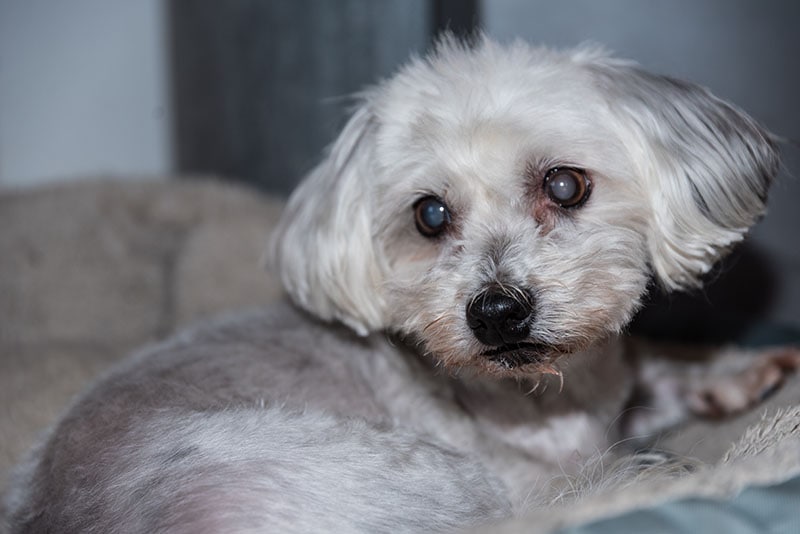
Cataracts are characterized by a cloudiness of the eye due to a change in the lens. They can progress over time and stop light reaching the back of the eye. This reduces vision and can eventually cause blindness. There is no medical treatment for cataracts but surgical cataract removal is available in specialist eye centers.
Signs of This Condition
- Loss of vision especially in low light
- One or both eyes that look cloudy or have a gray tinge, where you would normally see a black pupil.
2. Patellar Luxation
Patellar luxation ( dislocating kneecap) is a problem in which the kneecap moves out of place and no longer sits in its groove properly. Unfortunately it is a more common problem among small breeds like Havenese. When the kneecap dislocates it causes a limp and stops the knee from bending. Over time this can cause pain and arthritis. Some dogs with very mild patella luxation don’t need treatment but dogs with more serious luxation may need surgery, pain relief, and physiotherapy.
Signs of This Condition
- Intermittent hopping/skipping which lasts until the kneecap slips back into place again.
- Whimpering or whining while limping on one or more legs
- Stiffness or pain in one or both back legs.
3. Liver Shunts
Havanese can be more prone to a genetic condition causing liver shunts, also known as portosystemic shunts. Some of the blood flow that should go to the liver goes around it instead meaning that the liver cannot grow or do its job properly. The liver can’t then remove toxins from the bloodstream effectively. Surgery may be needed but in some cases, it can be treated with a special diet and medication.
Signs of This Condition
- Slow, stunted growth
- Lethargy, loss of appetite and gastrointestinal issues
- Unusual behaviors such as disorientation, circling and sometimes seizures.

4. Hip Dysplasia
Hip dysplasia occurs when one or both of the hip ball and socket joints develop abnormally while a puppy is growing. It is more common in medium and large breeds of dogs but Havanese can also be affected. This abnormal development means that the ball and socket rub and grind against each other rather than sliding smoothly. Unfortunately, this causes pain and eventually arthritis. Obesity is known to make symptoms of hip dysplasia worse, so maintaining a healthy diet is often an important part of dealing with this condition, as are careful exercise and pain relief medications. Severely affected dogs may also require surgery.
Signs of This Condition
- Development of an awkward gait, often a ‘swaying’ or ‘bunny hopping’ back leg gait.
- Struggling to keep weight on one or both back legs
- Disinterest in favorite games and physical activities
5. Legg-Calve-Perthes Disease
This is a painful condition affecting the hip joint. Lack of blood supply to the ‘ball’ part of the hip joint at the top of the femur ( thigh bone) causes the bone to die and crumble. This disease causes pups to limp and have a stiff and painful hip. It usually affects one hip and it is rare for both to be affected.. Sadly, this is a condition that the Havanese is genetically predisposed to and signs usually develop from around 5 months of age so a close eye on possible signs is crucial from day one.
Signs of This Condition
- Lameness in a back leg
- Pain that gets worse over time
- Lack of muscle in the affected leg
6. Sebaceous Adenitis
This is a rare, inherited skin disorder in which a dog’s body attacks its sebaceous glands causing inflammation and destruction of the glands. These glands produce a moisturizing sebum, which is responsible for healthy skin and a thick, luscious coat. When not enough sebum is produced, it can result in dry and itchy skin and coat problems. There is no treatment available that cures this skin condition, but there are medications that can help manage it so it doesn’t irritate your dog.
Signs of This Condition
- Thinning coat
- Musty-smelling coat
- Scaly skin
7. Heart Disease
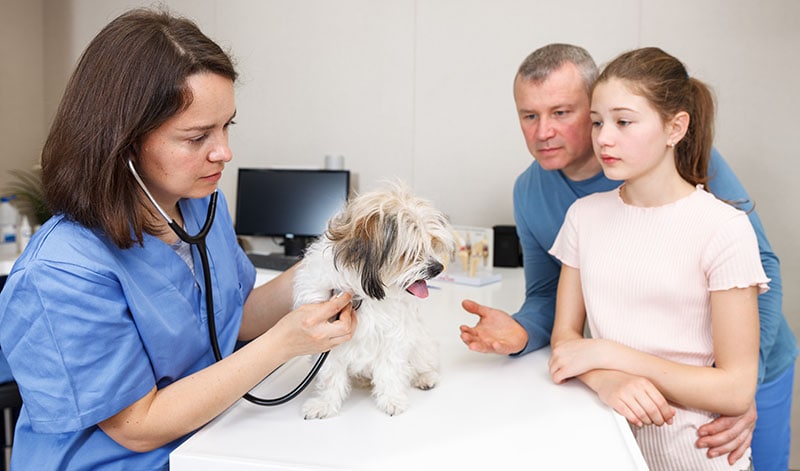
Havanese can be prone to heart disease- in particular mitral valve disease. This is due to a faulty heart valve which starts to leak meaning the heart needs to work much harder to pump blood around the body . The symptoms get worse over time and can lead to heart failure. It cannot be cured but there are medications which can help manage the condition.
Signs of This Condition
- Lack of energy
- Breathing faster than normal with more effort, increased panting, breathlessness.
- Sleeping much more than usual
8. Progressive Retinal Atrophy
Progressive Retinal Atrophy (PRA) is an inherited disease that causes slowly progressive blindness over a period of months or years. It is not painful but is unfortunately not curable.
Signs of This Condition
- Lack of vision at night
- Bumping into things especially when the light is dim
- Dilated pupils
Conclusion
Havanese dogs are bright, adorable, and fun to spend time with. They are generally a healthy breed but are susceptible to the development of various health conditions, though most dog breeds are. As an owner, you can keep an eye out for signs of these health conditions so they can be addressed early and hopefully ensure a long and healthy life for your beloved dog.
See Also:
Sources
Featured Image Credit: Sandra Huber, Shutterstock
Get Hepper In Your Inbox


Pet care tips from our vets and experts, straight to your inbox.
You may opt-out at any time. View our Privacy Policy for more information.
Rachael has been a freelance writer since 2000, in which time she has had an opportunity to research and write about many different topics while working to master the art of fusing high-quality content with effective content marketing strategies. She lives off the grid in Hawaii with her husband, her garden, and her rescue animals including 5 dogs, a cat, a goat, and dozens of chickens. She is an artist at heart and loves to read, paint, and make jewelry in her spare time. As a vegan, Rachael is obsessed with helping animals in need both in her community and anywhere in the world where she feels she can make a difference. Animals also happen to be her favorite topic to write about!
Join the conversation
Ask a question, share your story, or send private feedback.