Hepper is reader-supported. When you buy via links on our site, we may earn an affiliate commission at no cost to you. Learn more.
Coton De Tulear vs Havanese: Surprising Differences (With Pictures)
In this article
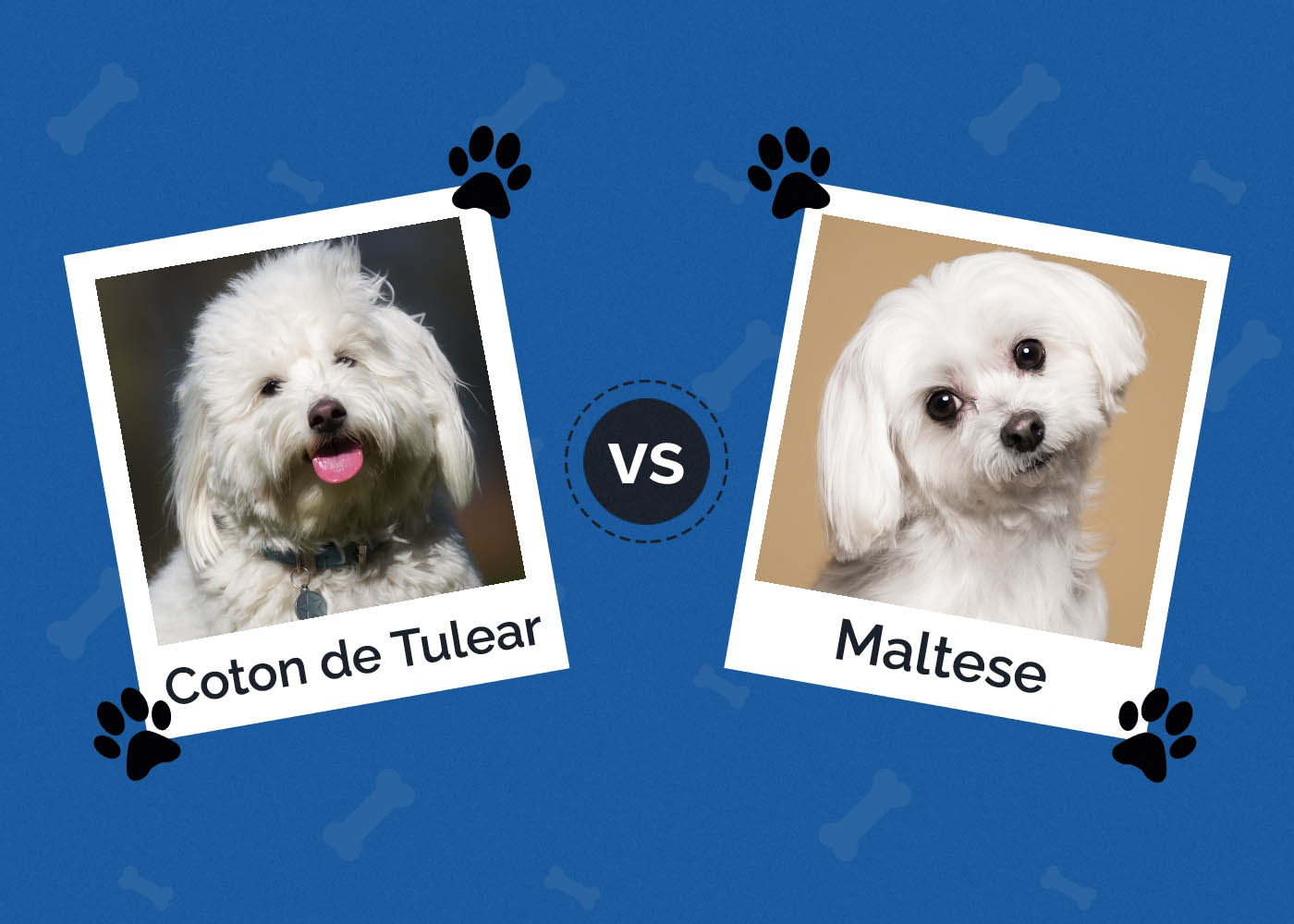
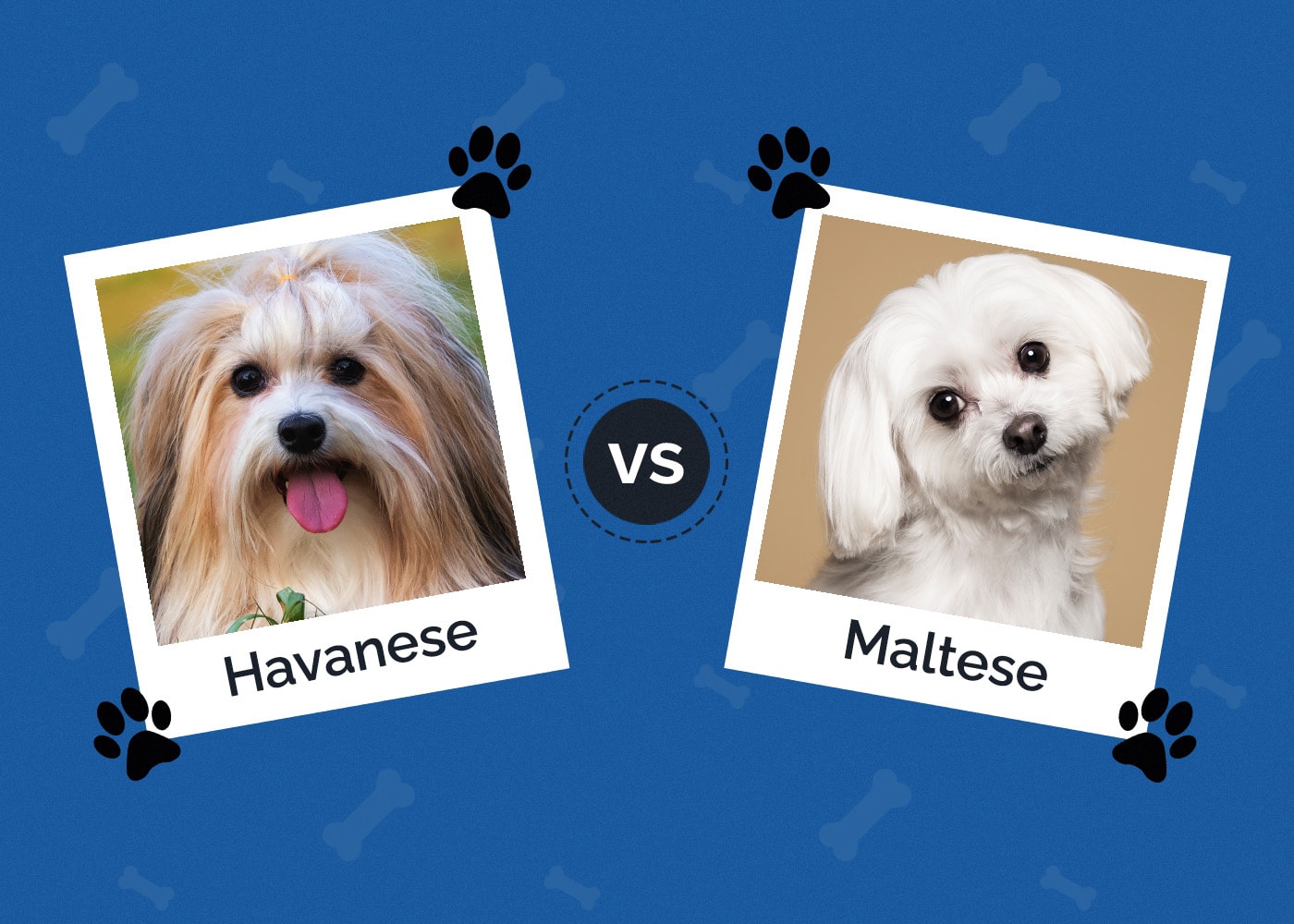
If you are looking for a small lap dog to provide you with endless companionship and affection, the Coton De Tulear and the Havanese are adorable options. The Havanese is a popular toy breed that’s loved for its charming personality and unconditional loyalty. The Coton de Tulear is similar, but it is a much rarer breed. But which one is right for you, and how are they different?
While these two toy breeds share many of the same traits, they have some unique characteristics that make them different, which we’ll discuss in this article.

Visual Differences
At a Glance
Coton De Tulear Overview
History
Although the Coton de Tulear's exact origins are unknown, it is thought that during the 16th century, trading ships carrying this breed's ancestors brought them to the island of Madagascar. According to legend, these dogs mated with the island's Terriers to produce the Coton de Tulear of today. The Coton de Tulear breed was quickly taken over by the island's dominant tribe, the Merina, who only allowed royalty to own one. The Coton de Tulear was designated the official "Royal Dog of Madagascar" and remained well-liked in Madagascar even after the tribe was vanquished.
In the US, Jay Lewis Russell is regarded as the breed's founder. He established Oakshade Kennel, the Western Hemisphere's first Coton de Tulear breeding program. He learned about the dogs from his son, who traveled to Madagascar often on research trips. Russell left his engineering position to focus solely on breeding Cotons, and until the late 1980s, he was the only source for puppies.
Personality/ Temperament
Coton du Tulears are charming, easy-going, and affectionate. If you are looking for a canine best friend, you can’t go wrong with a Coton De Tulear. It will light up your life and provide you with unconditional love. Because of its playful nature, the Coton de Tulear will keep you laughing.
While they are not great watchdogs, they are good communicators and will let you know when you have visitors. Your visitors will also be spoiled with love and attention the minute they walk through the door. They love to meet new people and get along with other animals. These sociable little dogs don’t like to be left alone but will happily join you on a trip to the grocery store or to visit a friend.
Appearance
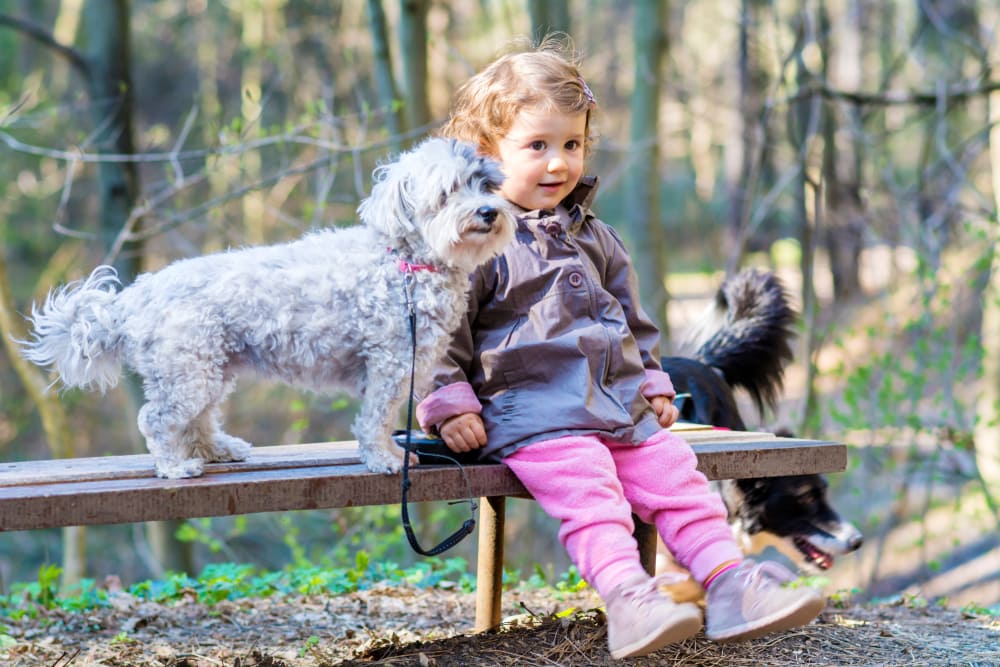
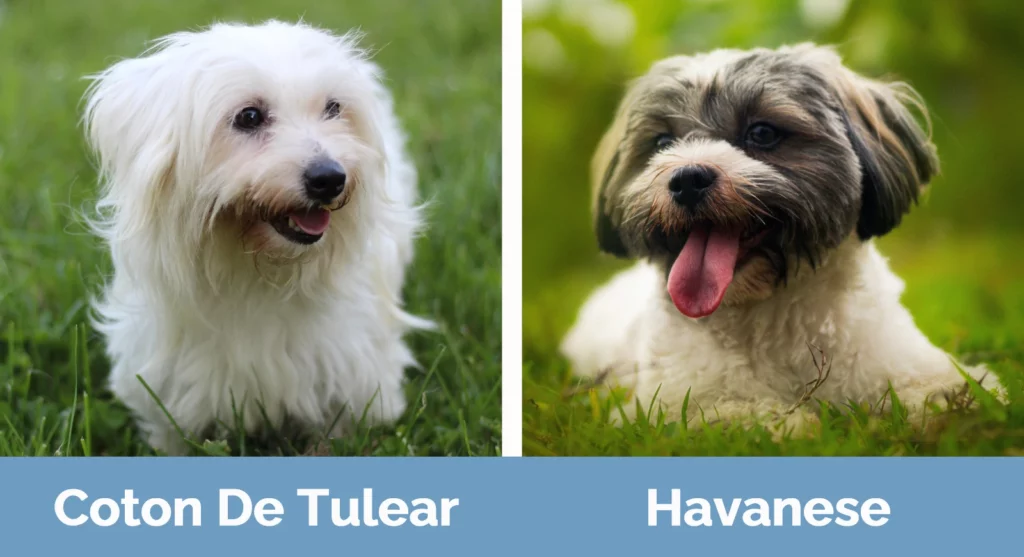
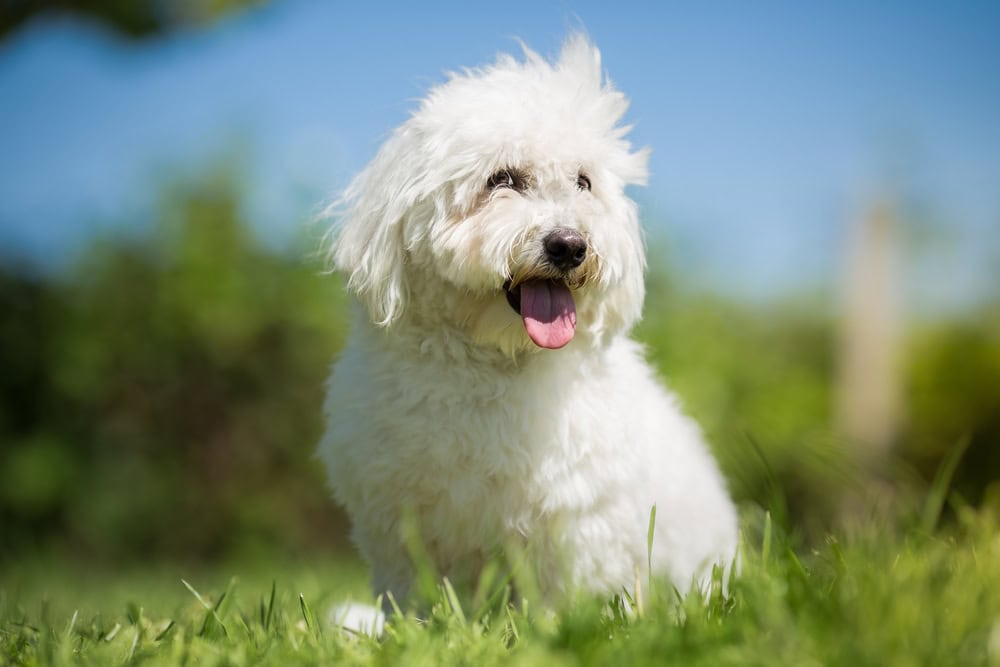
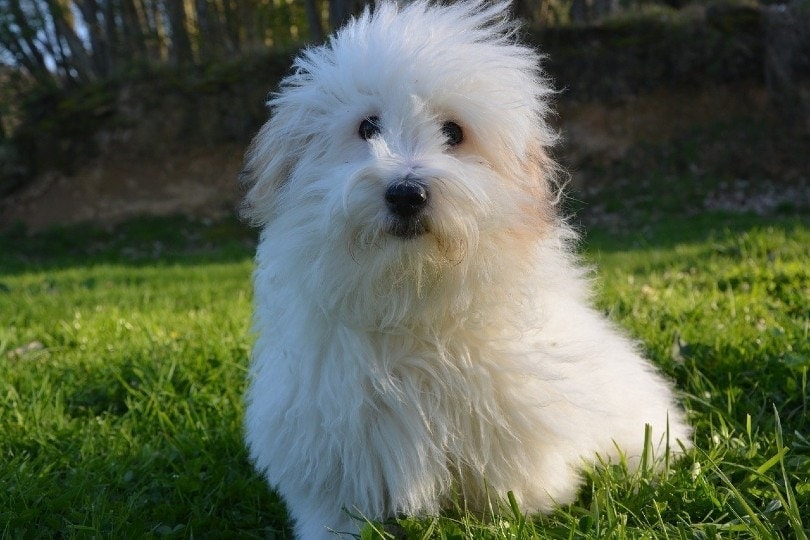
The Coton De Tulear has a medium to long coat that is silky soft and one of their most striking features. It is solid white, making them appear like a walking cotton ball or stuffed toy. They are adorably small, with beautiful, highly expressive eyes and a sweet black button nose. They reach 9–11 inches and usually weigh 8–13 pounds.
Health
The Coton de Tulear breed has an average lifespan of 14 to 16 years and is generally healthy with no known inherited diseases. That is not to say that they do not exist, but the likelihood of them happening is very low.
The most common medical conditions affecting Coton’s are ear problems brought on by improper ear cleaning and skin allergies, which can result in bacterial infections. Hip dysplasia and eye issues do occasionally affect this breed. Like all small breeds, a luxating patella is a possibility, as well as spinal disc disease.
Caring for a Coton De Tulear
The Coton de Tulear is simple to groom. They will need brushing about twice a week to prevent matting. To prevent ear infections, check the ears a few times weekly and clean out any extra hair, wax, or debris.
The Coton is a moderately active dog that needs exercise. Your Coton will be happy with a daily walk or a game of fetch. They are easy to train, intelligent, and eager to please, but don’t let your Coton get bored if you try to teach it a new trick. Early socialization is vital for Cotons to travel with their owners. A high-quality, balanced, age- and breed-appropriate diet is essential for a healthy and happy Coton De Tulear.

Suitable for:
Coton De Tulear dogs will be suitable for anyone looking for a small canine companion who can be by their side most of the day. They are ideal for less active owners, such as seniors or a family with kids and other pets looking for a bundle of joy to add to the family. They are also suitable for first-time owners since they are easy-going and low maintenance. A fenced yard would be a plus, but they are also suited for apartment living as long as they are not left alone for several hours. They also make excellent therapy dogs for owners looking for emotional support.
Pros
- Cheerful and playful
- Easy to train and Intelligent
- Perfect lapdog
- No Known genetic health issues
- Moderate grooming needs
- Suitable for families, seniors, therapy dog
Cons
- Rare breed
- Can get bored
- Don’t enjoy being left alone

Havanese Overview
History
The Havanese is an old breed from the bichon family, and it is suggested that the Maltese and Bichon Frise are likely to have shared ancestors. Tenerife dogs were first brought to Cuba by Spanish farmers and nobles in the early 1500s.
The Communist takeover of Cuba in 1959 was a turning point in the breed’s history. Many wealthy Cubans who emigrated to America brought their tiny dogs with them. The refugees preserved and continued the Havanese with the aid of American enthusiasts. The Havanese today is a popular and much-loved breed.
Personality/ Temperament
Havanese are friendly, playful, and lovable. They are also affectionate pups that love the extra attention, whether from you or a stranger, and they won’t lack affection with their adorable looks and personality. Even though they will lap up all the love that comes their way, they are happiest with their owner. They will always keep you company, whether relaxing with a book or busy with monotonous household tasks.
Most Havanese dogs are extremely intelligent, trainable, and eager to learn. But be careful when their energy evokes the zoomies. They will tear through your home and bounce off furniture. However, they enjoy lounging around the house and spending lazy afternoons with the family.

Appearance
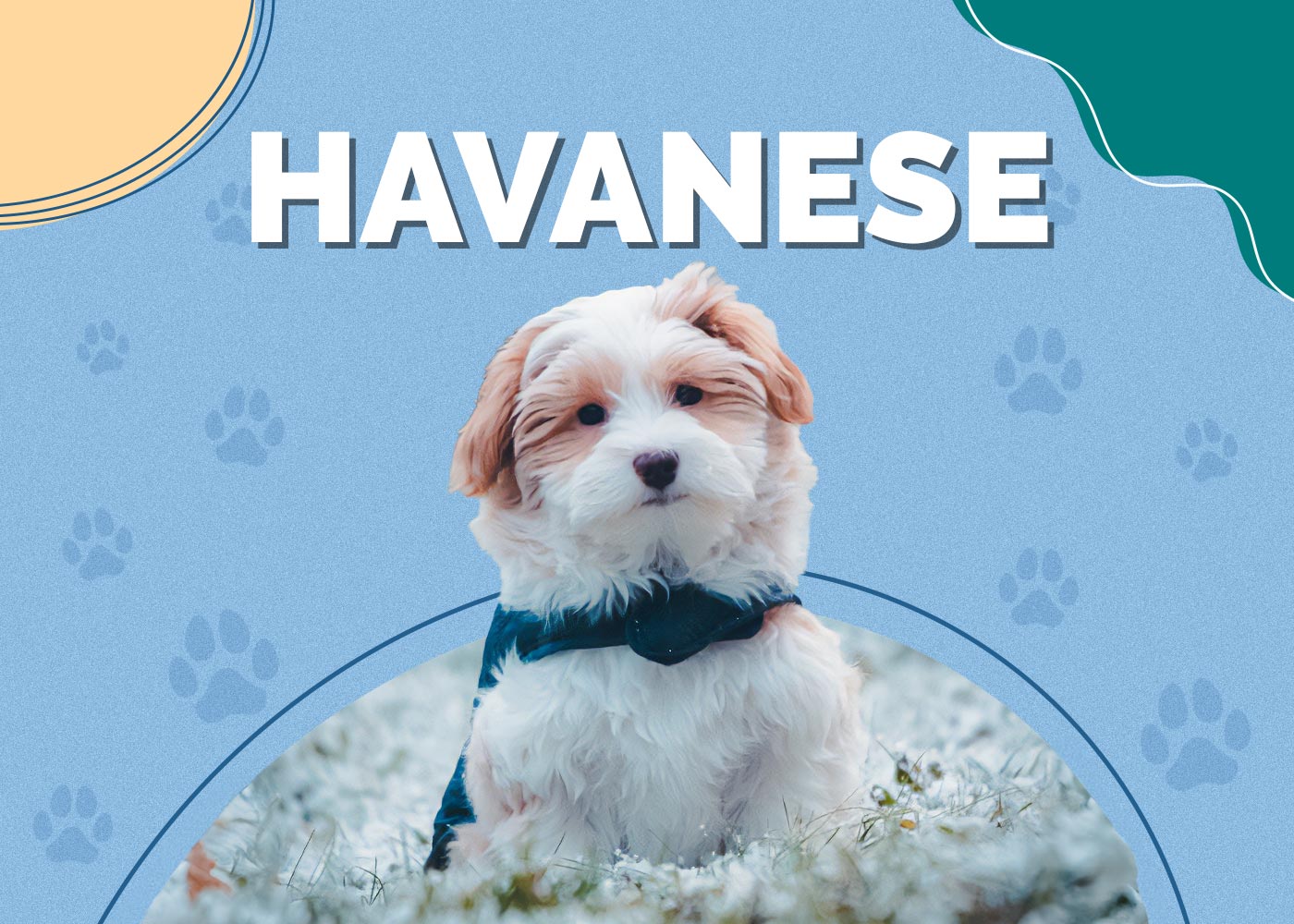
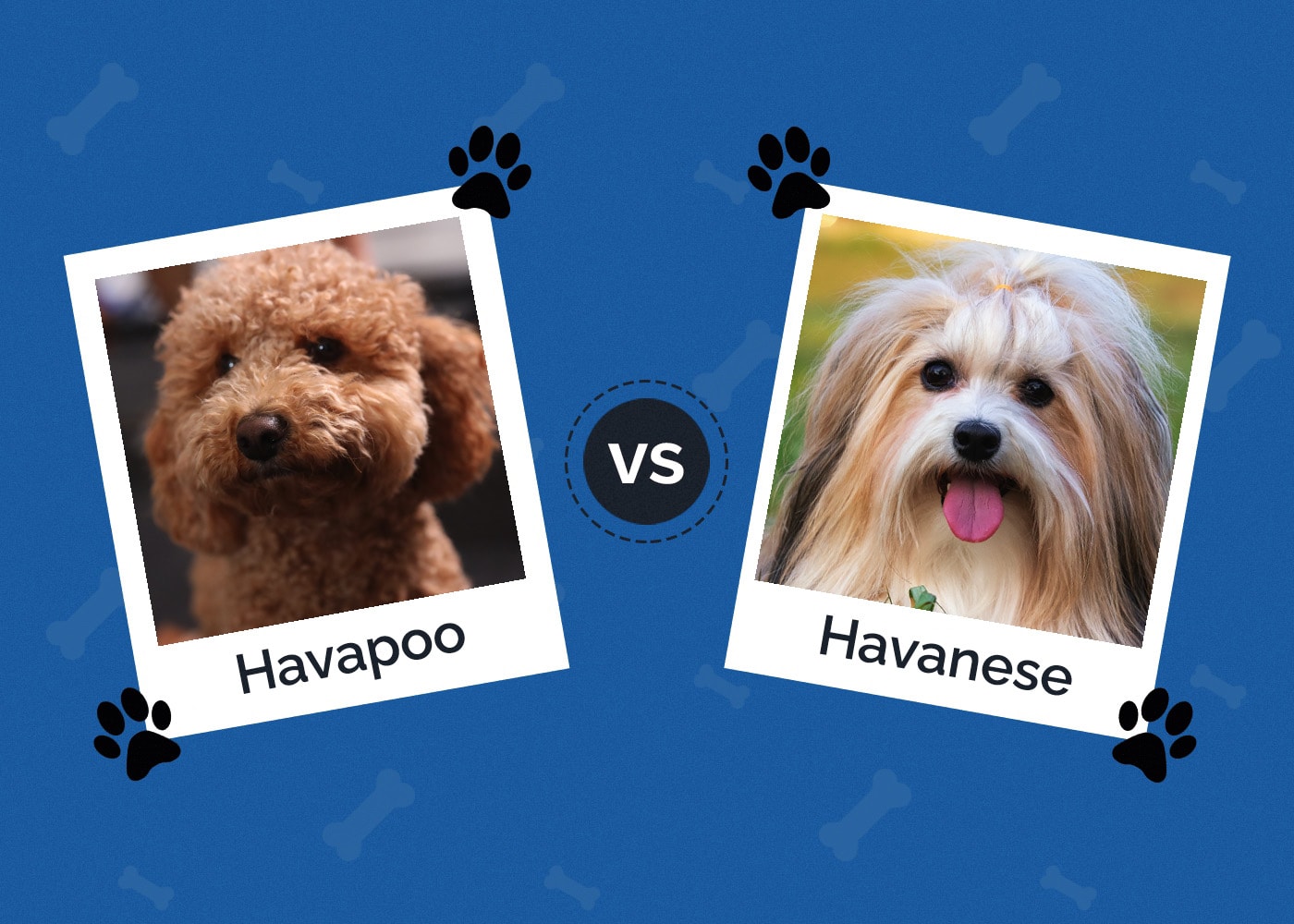
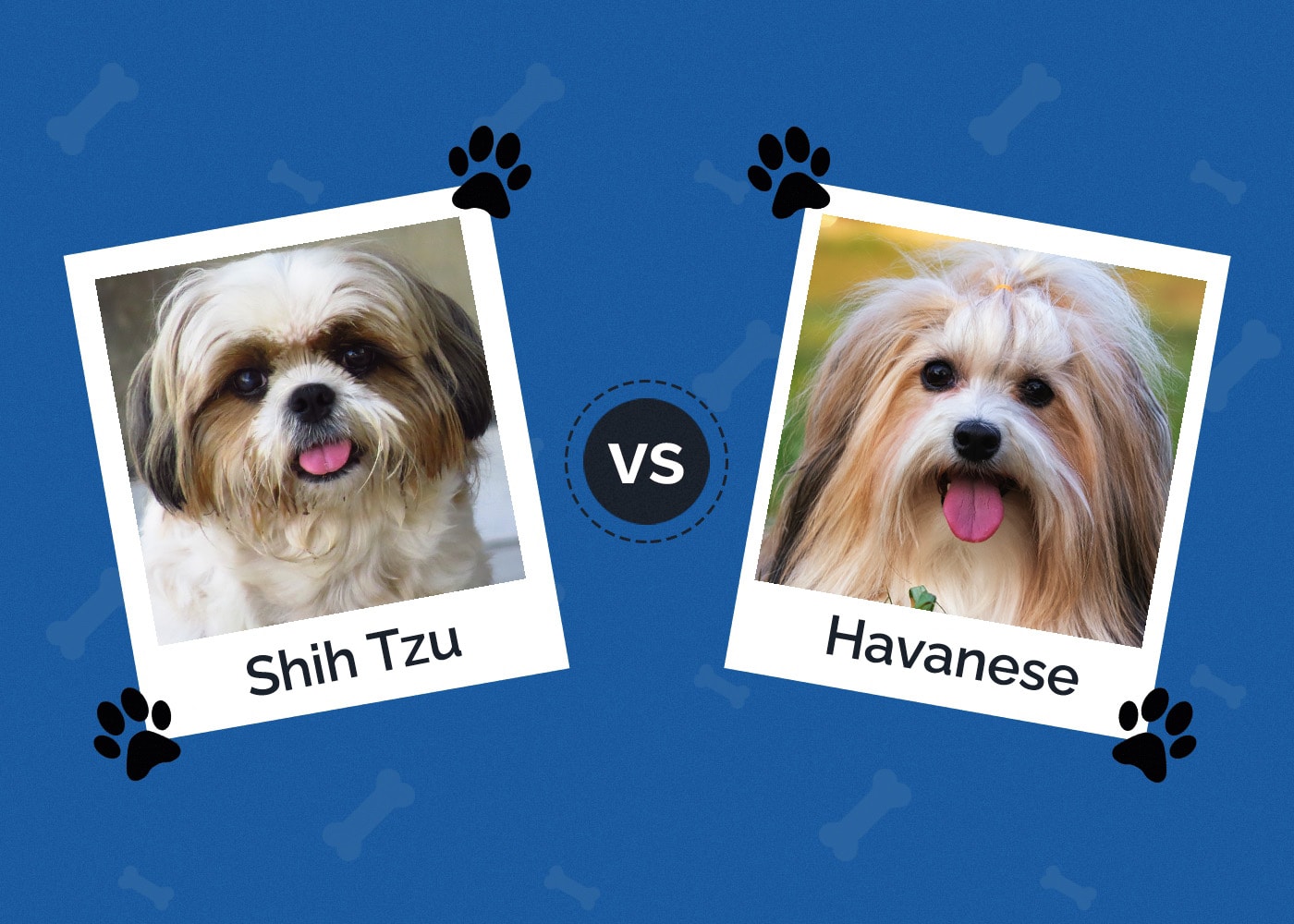
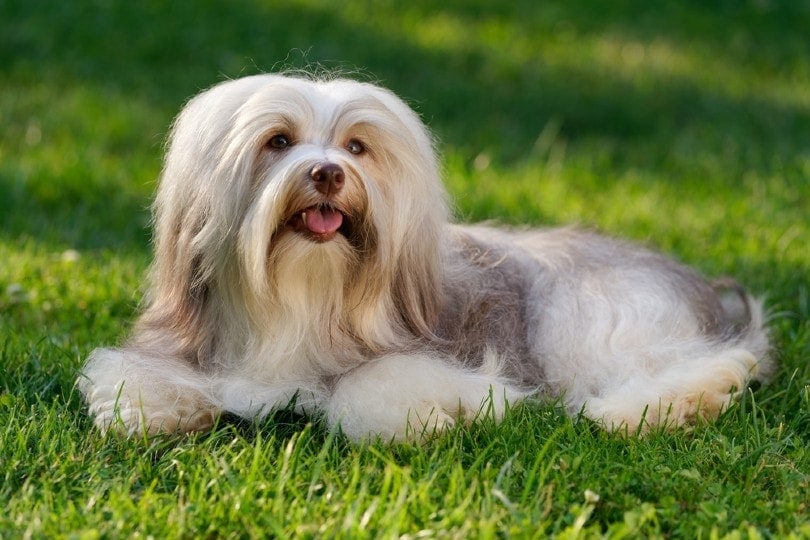
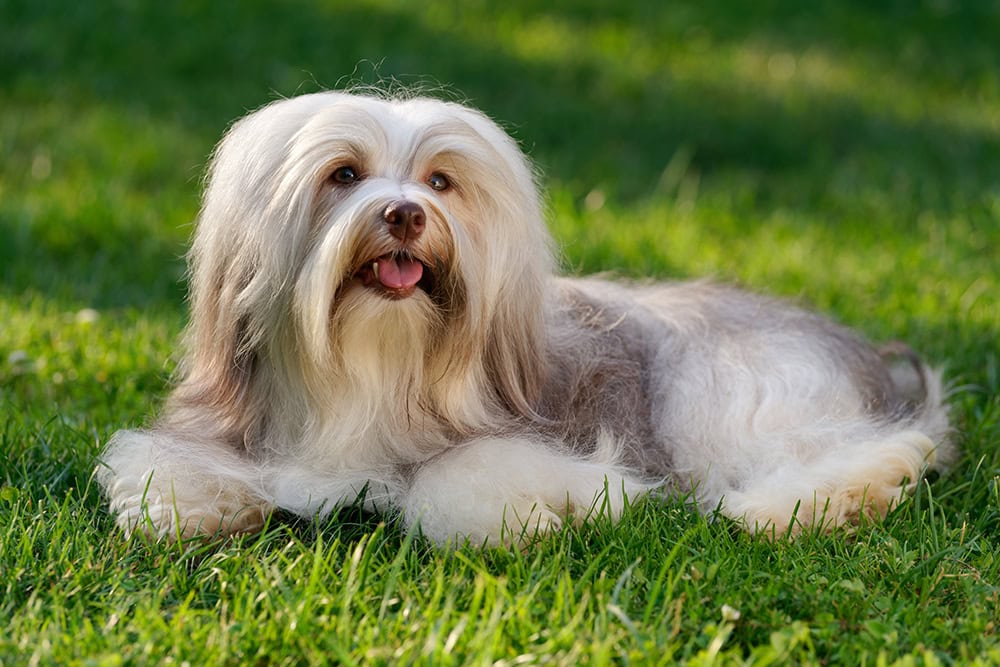
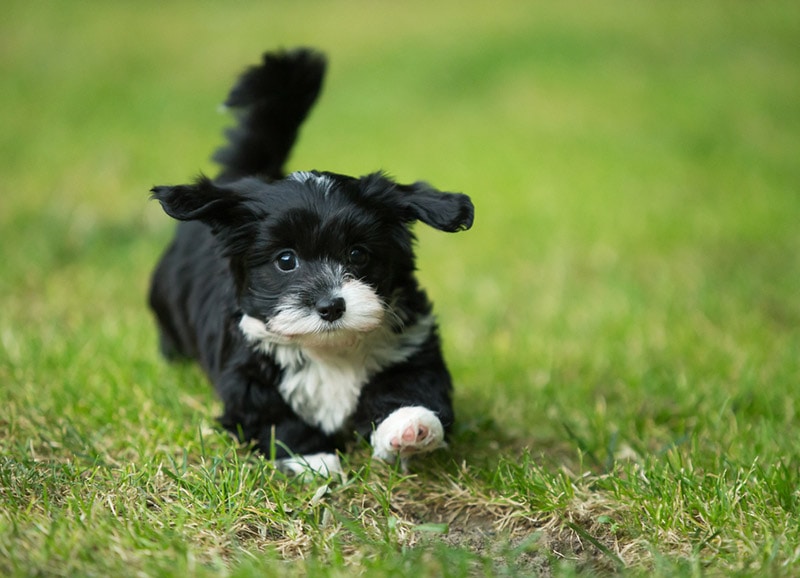
The Havanese is a small breed that reaches 8.5–11.5 inches tall and weighs 7–13 pounds. They have a double-layered coat, with the outer layer being light, wavy, and silky. The color of the coat can vary. Initially, they were available in white and closely related colors, but many kennel clubs now accept other colors as standards. The Havanese’s eyes are dark and almond-shaped, and it has floppy ears and a small button nose.
Health
The Havanese has a life expectancy of 14 to 16 years and is typically healthy. However, like a lot of dogs, they are predisposed to some health issues.
- Patella Luxation: This is common with small breed dogs, and it is a condition where the kneecap moves out of its groove, causing discomfort and potentially leading to arthritis.
- Legg-Calvé-Perthes Disease: This condition causes the head of the femur to degenerate, most likely due to inadequate blood supply, causing limping and pain. It is most common in puppies under 18 months.
- Progressive Retinal Atrophy (PRA): PRA results in the degeneration of the rods and cones that comprise the retina. The condition will eventually lead to complete blindness, and there is no known cure.
- Dental Disease: Dental disease is common in older dogs, especially the Havanese. This happens when plaque and tartar build up, resulting in tooth and bone decay.
Caring for a Havanese
Their naturally long coat needs a lot of grooming. It must be brushed 3–4 times a week to prevent matting. However, dog owners can simplify their grooming procedures by giving their dogs' hair a short "puppy cut." Ear infections can be avoided by cleaning your dog's ears every 2 to 4 weeks.
The Havanese is energetic but does not require too much exercise. A daily walk and playtime are ideal for this breed. They are also intelligent, so training won’t be too difficult, but positive reinforcement and games will help them train and learn more effectively.
Some Havanese dogs might experience separation anxiety and have trouble staying in their crates by themselves all day, so they will need an owner that is home often. Like all breeds, Havanese should be socialized early on to learn how to act around kids, other animals, and strangers.

Suitable for:
Pet parents can anticipate being closely followed by this lovable breed because they bond with people easily and dislike being left alone. They are suitable for big families with kids and other pets or singles or seniors looking for a companion. They are highly adaptable and are perfect for apartment living as long as they get playtime and a short walk. They are suited to owners who will take time to look after their gorgeous coats and won’t let them get bored or left to entertain themselves. If you own a Havanese, you will never feel alone.
Pros
- Playful and lovable
- Easy to train
- Affectionate
- Low exercise needs
- Suitable for families with children and pets
- Suitable for apartment living
Cons
- Regular brushing needed if the coat is left long
- Predisposed to a few health conditions
- Don’t enjoy being left alone
Which Breed Is Right for You?
These two adorable toy breeds don’t have many differences other than their size, which is so slight, their appearance, and their history. The Coton De Tulear is slightly bigger, while the coat of the Havanese may require a little more maintenance.
If you are looking for a small companion dog, you can’t go wrong with either breed. They are great for all types of families, seniors, children, and other pets. Both breeds are intelligent and eager to please, making them easy to train, so they are ideal for first-time owners. They are playful and energetic and require the same exercise needs, which is usually a short walk and a fun play session. As long as you can give these two breeds time and attention, they make great pets and bring your family many years of love and cuddles.
Sources
Featured Image Credit: (L) BIGANDT.COM, Shutterstock | (R) Sandra Huber, Shutterstock
Get Hepper In Your Inbox


Pet care tips from our vets and experts, straight to your inbox.
You may opt-out at any time. View our Privacy Policy for more information.

Nicole is a lover of animals of all sizes but is especially fascinated with the feline variety. She’s the proud mom of Baby, a Burmese, and works every day so he can relax in the sunshine or by the fire. She’s always had a cat in her home and has spent countless days with others, observing behaviors and softening up even the grouchiest of the lot. Nicole wants to share her kitty expertise with you so you and your cat can live happy, healthy, and care-free.
Join the conversation
Ask a question, share your story, or send private feedback.