Hepper is reader-supported. When you buy via links on our site, we may earn an affiliate commission at no cost to you. Learn more.
Daphnia for Betta Fish: Vet-Approved Nutritional Science & Info


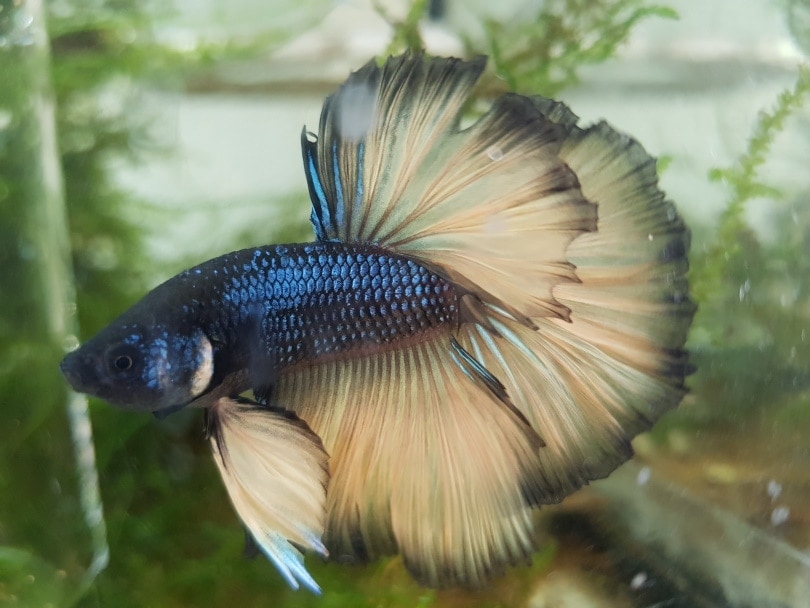
One of the most vital aspects of raising healthy Betta or any other fish, for that matter, is replicating the conditions in which they thrive in the wild in their captive habitat. This includes aspects like water temperature and pH, plants and aquarium fixtures, and of course, food. Betta fish love to hunt for live prey, and one of the best ways to replicate this in captivity is with daphnia.
Daphnia is one of the healthiest treats for Bettas and one of the easiest to obtain. However, there is a certain amount of confusion around the subject for some aquarium keepers, so read on to find out all about daphnia and feeding it to your Bettas!

What Is Daphnia?
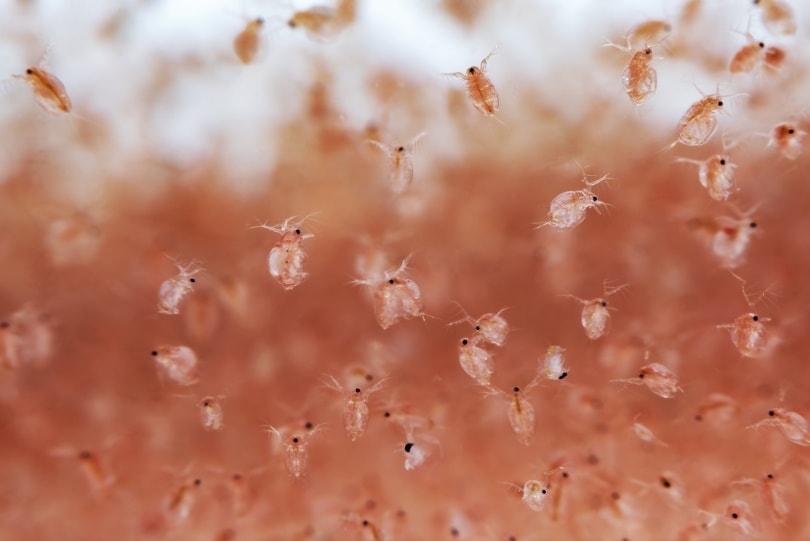
Daphnia is a genus of small planktonic crustaceans, better known as aquatic fleas due to the way that they swim resembling the movement of fleas. Various species of daphnia live in both salt and freshwater, and Bettas would likely come across some daphnia species in the wild and hunt them as a food source. They range from 1 to 5 millimeters in length, which is the ideal size for your Betta to eat, and they can be found in both frozen and live form as food from most aquatic stores.
Is Daphnia Beneficial to Bettas?
Since daphnia is likely found in a Betta’s natural habitat and something that they would naturally feed on, their nutritional profile, and a Betta’s nutritional needs, it makes sense for you to feed it to your captive Betta. You can buy daphnia frozen or live and even breed them at home if you have the space. They are packed with protein, an essential nutrient for Betta fish.
Feeding live daphnia to your Bettas will stimulate their hunting instinct. Since daphnia can survive in the tank if they don’t get eaten right away, they will not pollute aquarium water.
Frozen vs. Live Daphnia
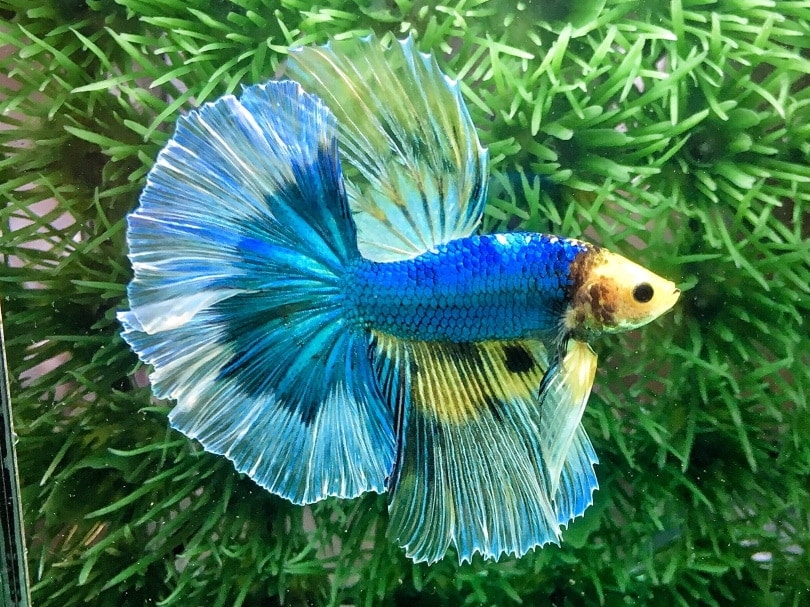
Since daphnia is so good for your Betta, it makes sense to feed them to your Betta as often as possible. But which is best, live or frozen daphnia?
Live Daphnia
Many aquarium owners argue that live daphnia is the best choice for Bettas and for good reasons. Breeding daphnia is fairly easy, so you may want to consider breeding them as a more long-term solution for your tank. If breeding is not for you, daphnia is readily available and inexpensive to purchase because they are so easy to breed. Also, your Betta will benefit from hunting live daphnia, as it will stimulate their natural hunting instincts.
There are a couple of downsides, though. Overfeeding is still possible, as any daphnia leftover will simply be picked off by your Bettas later. Also, you should make sure you get them from a reputable breeder to avoid chemicals, parasites, and potential diseases.
Freeze-dried and frozen Daphnia
The biggest advantage of freeze-dried daphnia is convenience. You can simply buy a large supply and keep them in the freezer. They will still give your Bettas all the health benefits of live daphnia, without the risk of some parasites, and you can coat them in medicines or multivitamins too. Of course, freeze-dried daphnia will not give your Bettas the same “thrill of the hunt” as live daphnia! Freeze-dried daphnia is very low in moisture, and should be pre-soaked for about 10 minutes before being offered to your Betta.
You can also purchase frozen daphnia, which usually comes in small blocks. This is great because it’s highly convenient, but be careful of overfeeding. Make sure you cut the blocks into smaller pieces and thaw them out before feeding.

Is Daphnia Good for Constipation?
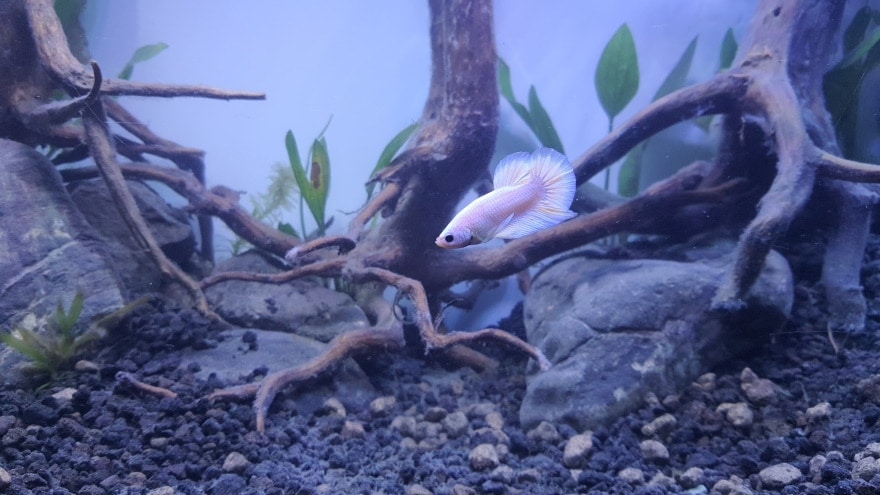
One of the often-touted health benefits of daphnia for Bettas is as an aid for constipation relief (for mild episodes). It turns out that this is true, and Betta fish keepers have been using daphnia as an aid for constipation for a long time. Constipation is fairly common in Betta fish, caused mostly by overfeeding and an improper diet lacking in fiber. Daphnia is known as a mild laxative, and small amounts may help fix bloat and constipation in your Bettas. When used for aiding constipation, you should not feed freeze-dried daphnia. Freeze-dried daphnia have very low moisture content (because they lose most of their moisture during the freeze-drying process). Frozen daphnia also lacks the moisture that live daphnia has, but they have more moisture than freeze-dried varieties.
How Much Daphnia Should You Feed Your Betta?
The correct amount of daphnia to give your Betta depends on the size and age of your fish.
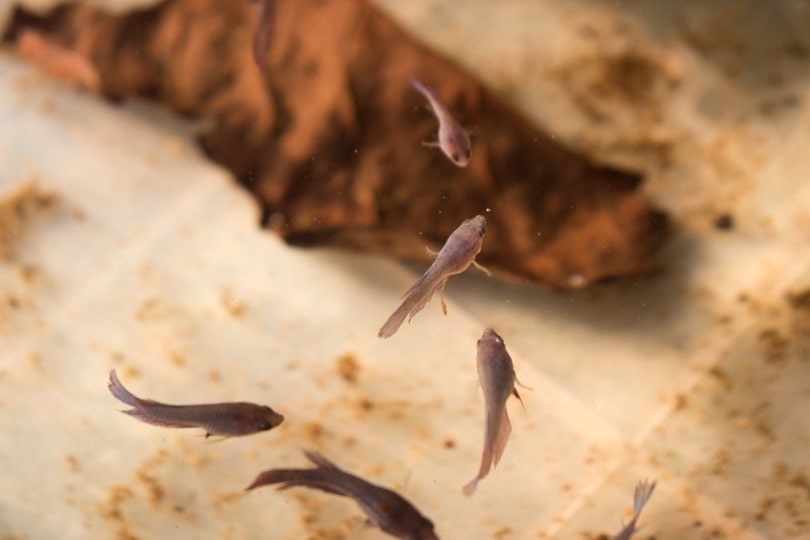
A good rule of thumb is to offer your Betta around 0.5-1 milliliters of daphnia-rich water (if you offer them live food) per day. This is fairly easy to measure with a dropper. Allow your Betta to eat as much as they like over a 10 minute duration. This form of feeding isn’t sufficient as a stand-alone diet, and your Betta will need to be fed a pellet diet on a daily basis as well. Bettas younger than 2 months of age need to be fed much more amounts of daphnia per day.
Frozen and freeze-dried options should be similar, with around 1-1.5 grams per day being sufficient for most adults. Such food is not advised for juveniles, as they do best on live feeds. Your Betta would still require a pellet diet as well.
Related Read: Best Live Foods for Bettas - Reviews & Top Picks
Final Thoughts
Daphnia is a great source of protein for Betta, and live daphnia is especially great because it will stimulate your Betta’s hunting instincts. Daphnia is readily available through most aquatic stores, and breeding it at home is also an easy process if you want to save money. As a simple, inexpensive protein source for your Betta fish, daphnia is a great feeding option.
You might also be interested in:
Featured Image Credit: Produktfoto Putten, Shutterstock
Get Hepper In Your Inbox


Pet care tips from our vets and experts, straight to your inbox.
You may opt-out at any time. View our Privacy Policy for more information.
Lindsey discovered her passion for fish keeping after a junior high school field trip to the Shedd Aquarium in Chicago. Prior to becoming Editor-in-Chief of It's a Fish Thing, Lindsey studied marine biology at the University of California-Santa Cruz. She loves goldfish, tetras, and mystery snails, and recently began experimenting with a saltwater aquarium.
Join the conversation
Ask a question, share your story, or send private feedback.