Hepper is reader-supported. When you buy via links on our site, we may earn an affiliate commission at no cost to you. Learn more.
Depressed Betta Fish: Signs, Causes & Treatments
In this article
Bettas are popular pet fish with attractive colors and markings. They are plentiful in the aquarium trade and many pet stores have these fish in stock. Bettas are dedicated tropical, freshwater fish that is greatly misunderstood. Due to the wide availability of betta fish, they can easily fall into the wrong hands and become subjected to poor care. This eventually reflects in their health and appearance and the betta may become depressed amongst other symptoms.
This article will provide you with all the information you should know about depression in betta fish and how you can effectively treat and prevent it.

Understanding Depression in Fish
Depression in fish is slightly different than in humans, but there are some similarities. It can be difficult to understand depression in the bettas because not much is known about exactly how depression in a fish’s brain works. Bettas are highly intelligent fish that need constant enrichment and an environment free of stressors (causes of stress). Bettas are not the only fish that can get depression.
A recent study done on zebrafish showed that they stay near the bottom of a small tank to which they have been newly introduced. This lasted for a few days, and they showed classic symptoms of depression like a human would experience. They were uninterested in food and interaction and showed lethargic behavior as if they were sick. Fish will generally show this behavior when their environment is inadequate or if they are kept with incompatible tank mates.
Depression can appear out of nowhere, or constant stressors can contribute to a form of chronic depression in fish.
Do Fish Have Feelings?
The answer is much more complicated than it appears. Much like humans, fish have personalities and feelings. When certain things are wrong in their environment, they begin to feel negative emotions like sadness and anger. In a home aquarium, fish are subjected to live in whatever environment their owner places them in.
This can contribute to their depressive state as fish are aware they are unable to escape their living conditions. This makes it important that you as the owner ensure you are doing everything right to ensure your fish are kept happy and healthy.

The Main Causes of Depression in Bettas
A common problem with bettas is inadequate housing. Since they are so cheap and readily available, bettas are typically bought on impulse or as gifts for young children. This leads them to be cared for improperly.
Lack of Space
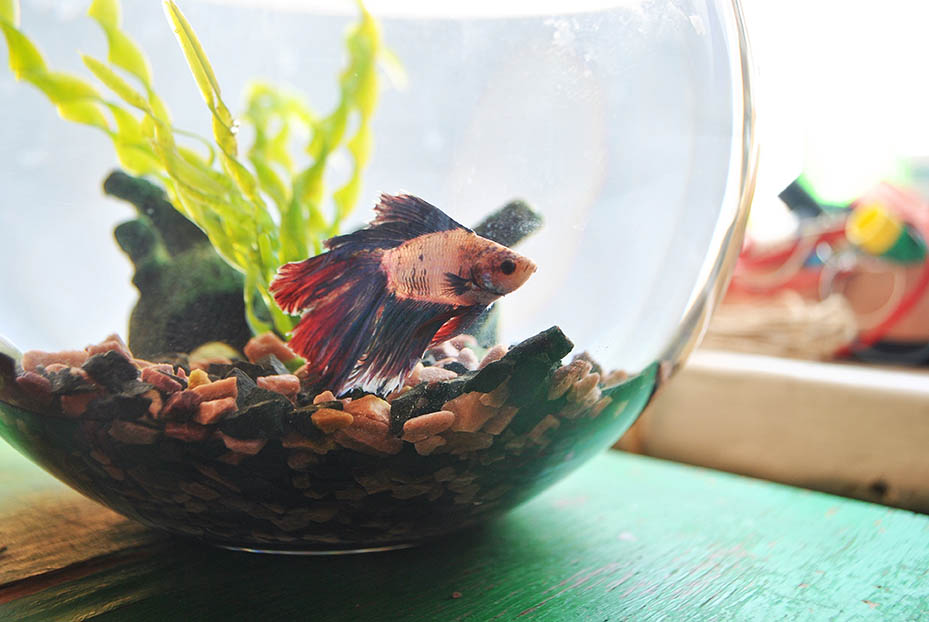
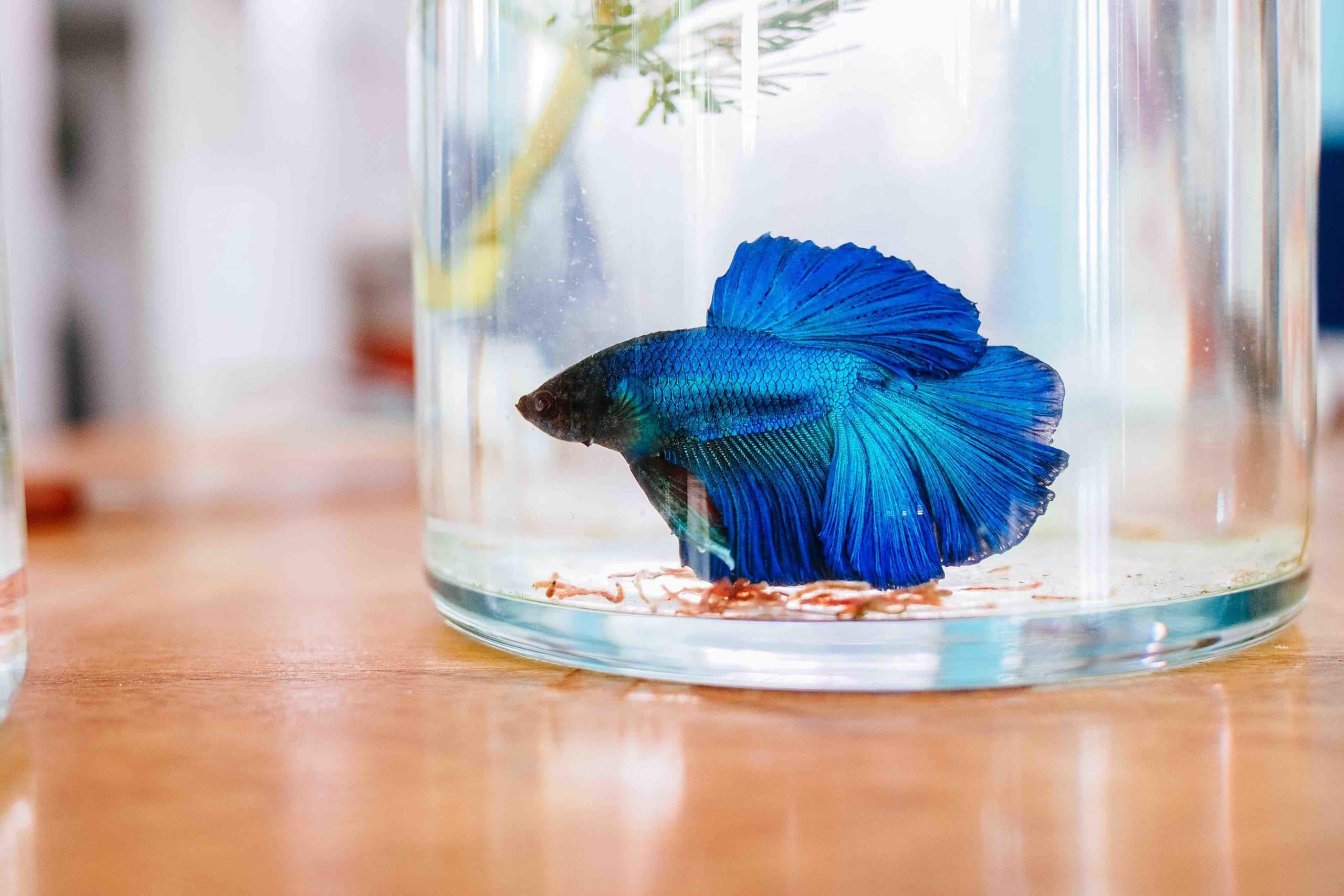
They are placed in small aquaria like bowls, vases, bio-orbs, or small tanks. The lack of space becomes an immediate stressor and can be seen as soon as they have been added to their new environment. It is also common for aquaria to have no filter or form of oxygenation.
Water Quality
This causes the water quality to diminish, and the tank is typically not cycled during this time. The high level of ammonia, nitrite, and nitrates in the water eventually becomes overbearing for the betta fish. The environment becomes so stressful for the betta fish to comfortably live in that they begin showing depressive symptoms.
Boring Environment
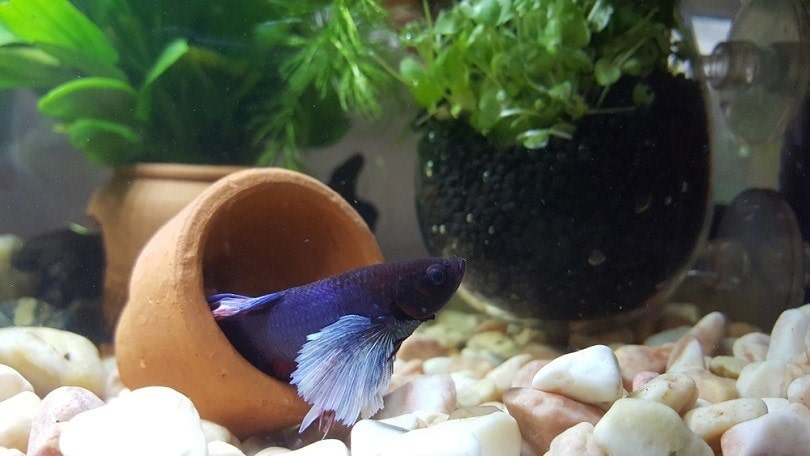
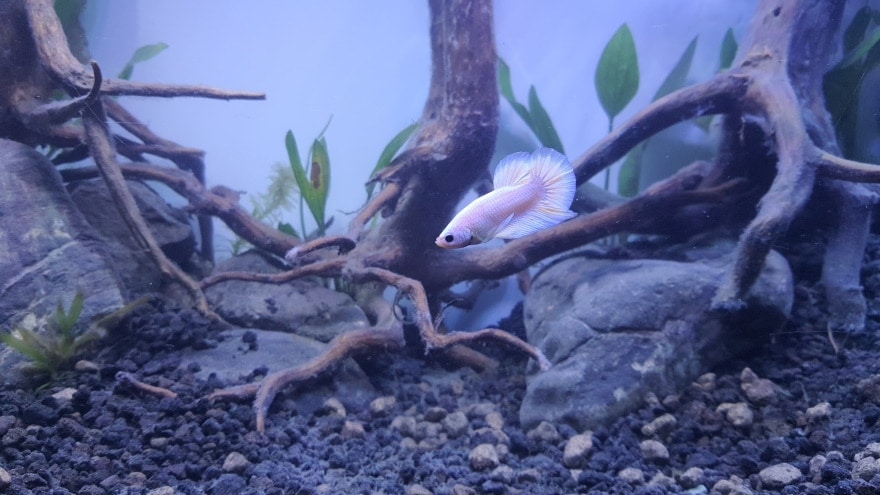
Aquaria that lack enrichment like live plants, hiding places, and other types of decoration can cause your betta to become bored and uninterested in exploring their environment. This causes the betta to hide in one spot and show no interest in displaying natural behaviors like swimming, eating, or interacting with their owners or tank mates.
Over time, depression can set in, and your betta's mental state will start to diminish.

Signs of a Depressed Betta
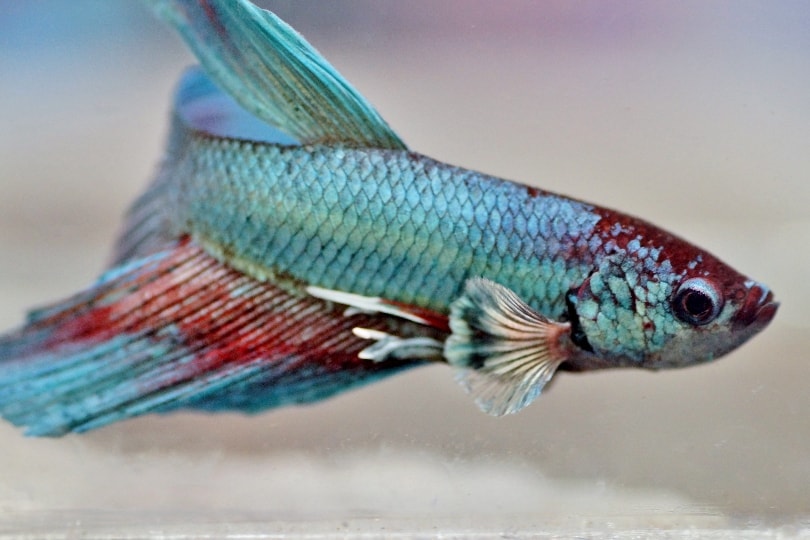
These are the typical symptoms of depression you may notice in your betta fish. It is important to ensure that these are not a symptom of underlying health issues your betta may have since most of these symptoms correlate with certain diseases, infections, and illnesses.

Treatment
If you notice that your betta fish is depressed, it is important to act promptly and fix any potential stressors that are causing your betta to be depressed.
Ensure the tank is large enough
The first thing you should check is if the tank is large enough for the betta fish. The tank should be a minimum size of 5 gallons. The tank should also be fully cycled for several weeks before adding your betta fish in. Avoid housing them in spherical aquaria like bowls, vases, and bio-orbs. Not only are these too small, but they also distort their vision due to the curved sides.
In some instances, bettas are housed in cups at the pet store, and this is the number one reason your betta could be depressed as soon as you get it. They may need a few days to settle into their new environment.
Live plants
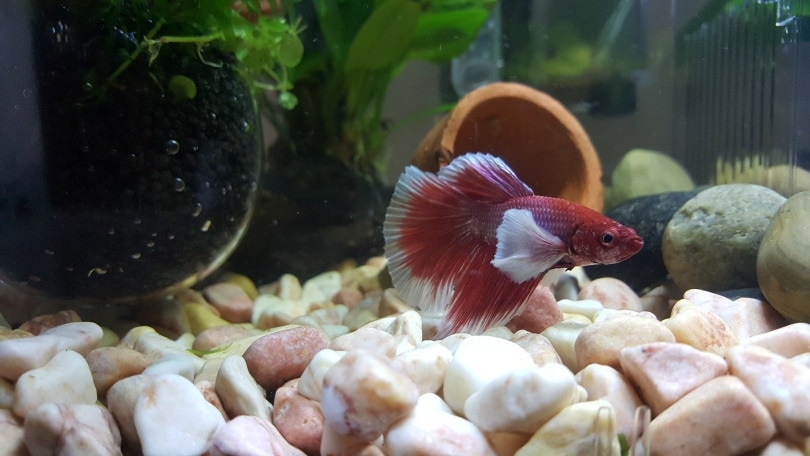
Plastic plants and decorations are generally unappealing for bettas. These fish should be housed in tanks with live plants. They also leach toxins into the water over time, which is another reason you should switch your betta to a heavily planted tank. This makes their environment more natural, and they will feel eager to explore a more naturalistic tank setup.
Filtration
Betta fish require a filter to help aid in good water quality. It is important to ensure that the filter does not make a harsh current since bettas are poor swimmers. A gentle current will suffice and will encourage your betta to become more active.
Oxygen
Oxygenation is generally overlooked when it comes to betta fish. Since bettas have a labyrinth organ that allows them to gulp in oxygen and hold it the way a lung works, people believe that they do not need oxygen in the water. This is false and can cause your betta to feel like they are suffocating. A simple airstone attached to an air pump will suffice. Surface agitations lead to higher amounts of oxygen entering the water.
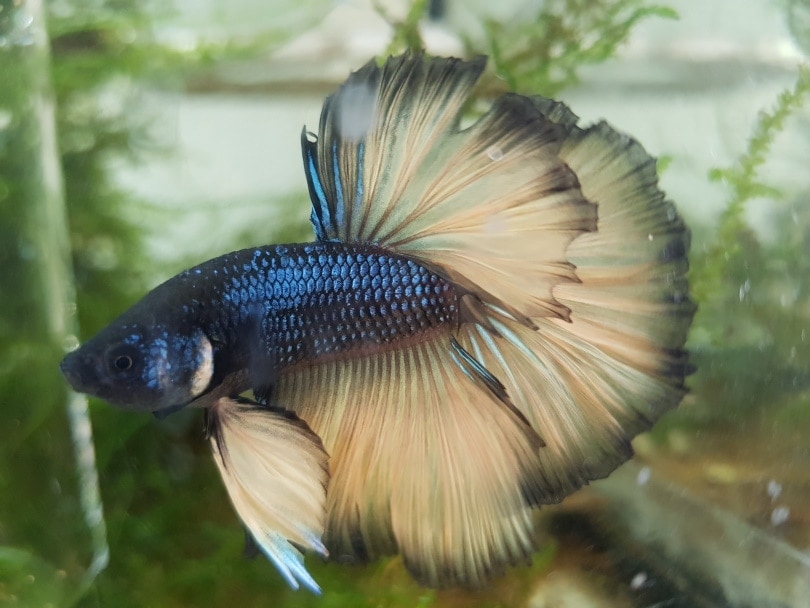
Mental stimulation
These intelligent fish require enrichment in their environment. Live plants, floating betta logs, betta hammocks, and other entertaining items provide your betta with plenty of things to do around the tank. Always ensure that the tank is large enough to accommodate the number of items you plan to add to the tank, you do not want your betta fish to feel cramped!
It is also recommended by many expert betta owners to place a mirror on the outside of the tank so that the betta can flare in it for a maximum of five minutes every third day.
Tankmates
It's widely known that bettas are loners. They enjoy being by themselves, and not with other bettas whom they will fight with. However, bettas can benefit from having some compatible tank mates to share their home with. Fish like neon tetras, danios, fancy guppies, tiger barbs, loaches, and even bristlenose plecos offer that extra socialness they may crave.
In the wild, bettas share their habitat with different species of fish and invertebrates which provides them with company. The tank size should be increased depending on the type of tank mate you want to add.
Varied diet
Just like humans, bettas can get bored eating the same type of food every day. Enriching the diet with live foods like worms, insects, or larvae can increase their interest in food and allow them to catch their food and keep busy.
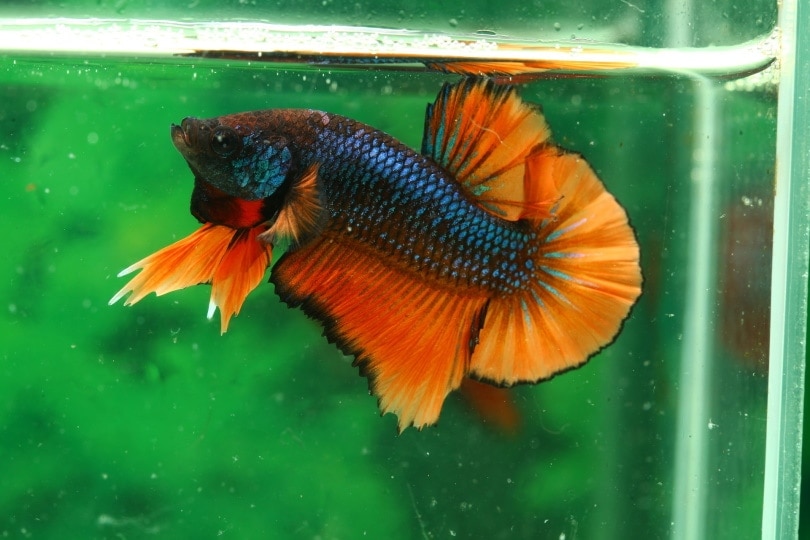
Signs of a Happy Betta
It is clear if your betta fish is happy or not. A happy betta will explore their tank, eat, and forage for extra morsels of food in the substrate. They will also take little naps throughout the day and lay near the surface on a flat leaf. These are general ‘betta’ things they will do, once they overcome their state of depression, your betta will become a different fish! They will become more pleasing to own once they are kept appropriately.
These are some of the best ways to determine if your betta is happy:
Conclusion
Depression in fish is a confusing phenomenon and researchers are always finding new information to better understand how it works. If you provide your betta with the best life possible and perfect living conditions with everything they need, your betta should not become depressed.
If they are, by correcting the stressors in their life, you can make your betta feel happy and healthy.
Featured Image Credit: ivabalk, Pixabay
Get Hepper In Your Inbox


Pet care tips from our vets and experts, straight to your inbox.
You may opt-out at any time. View our Privacy Policy for more information.

Sarah is residing in South Africa with her partner and pets. She currently is interested in veterinary science and ichthyology, which she wants to study alongside her main passion: pet content writing. Sarah has over 60 fish including goldfish, tropicals, shrimp, and snails. She also keeps hamsters and a tarantula and wishes to provide quality content for readers and allow others to learn from her knowledge and experience. Sarah has much experience in all aspects of pet care, and providing the world with knowledge on ethical pet ownership is her lifelong dream.
Join the conversation
Ask a question, share your story, or send private feedback.