Hepper is reader-supported. When you buy via links on our site, we may earn an affiliate commission at no cost to you. Learn more.
Betta Fin Rot vs Fin Loss: What’s the Difference? (Vet-Approved Guide With Pictures)


In this article
Betta fish are well known for their long, flowy fins. They are highly prized for their colors and different fin shapes and lengths. This means that people strive to maintain the health of their Betta fish’s fins. Unfortunately, there are some diseases and infections that can alter the appearance of the fins and even lead to rotting and loss of fins. Understanding the difference between the disease called Fin Rot and generalized fin loss in your Betta fish will help you understand how to treat the problem. It will also help you understand what changes to make to prevent this problem from reccurring.

At a Glance
Overview of Fin Rot
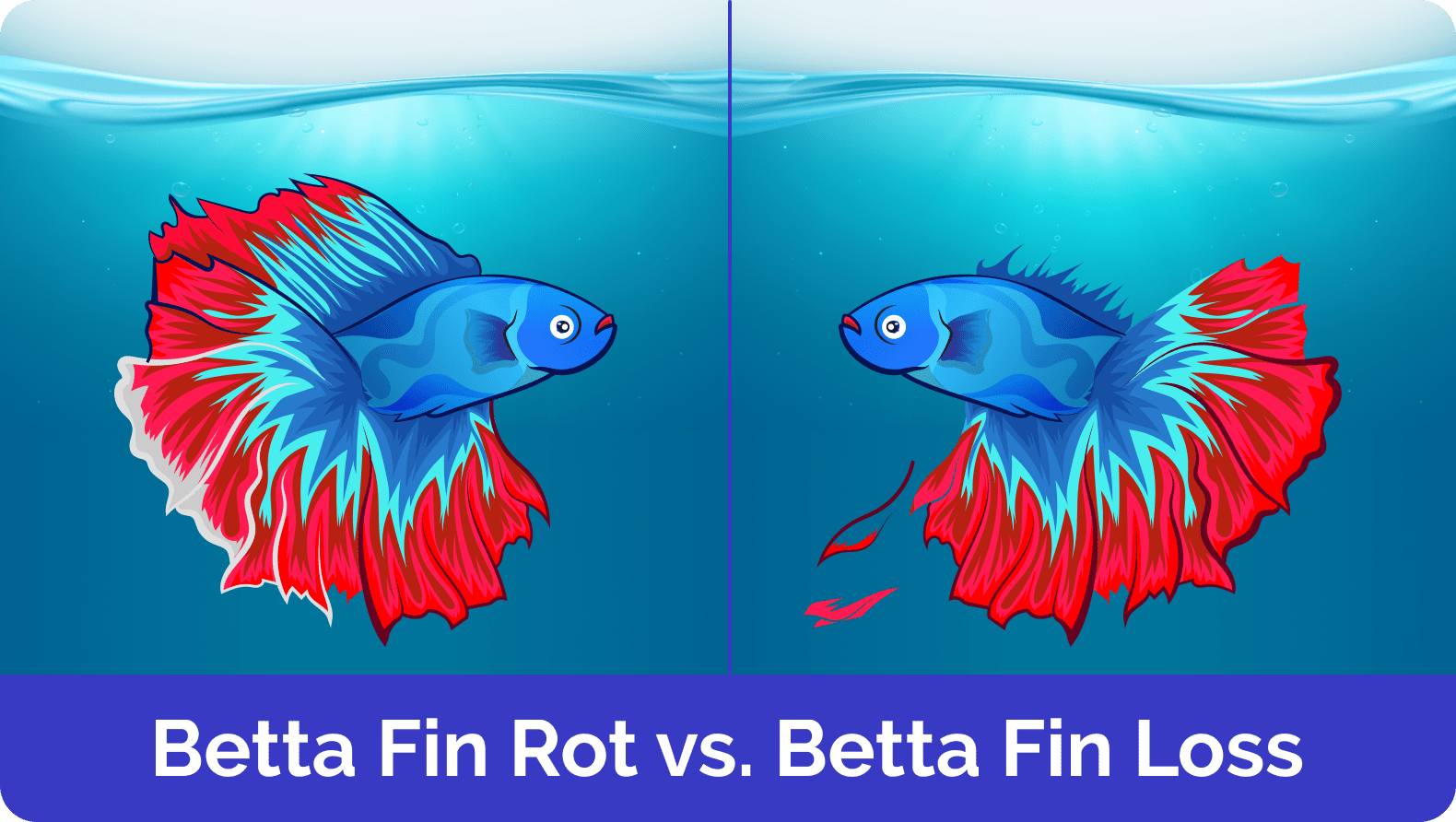
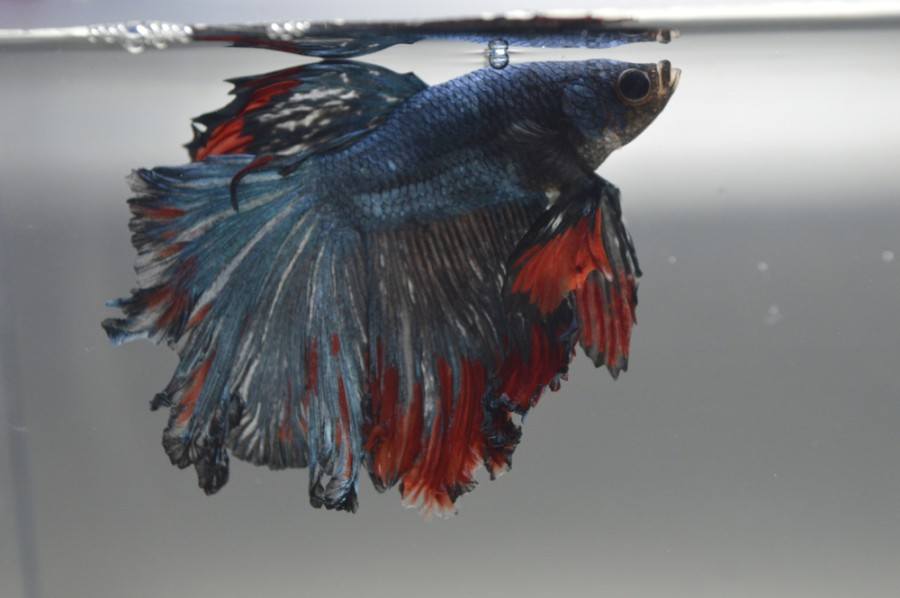
Fin Rot is a disease in fish that is usually caused by either the bacteria, Pseudomonas fluorescens, or a fungus. The appearance of the fins with this disease will help you determine whether it is fungal or bacterial. Fungal Fin Rot leads to an even rotting of the fin, leaving the fin with smooth, even edges that are often accompanied by a white film or edge on the fins. Bacterial Fin Rot leads to uneven, jagged fin edges as they rot. There is not a white film or coloration associated with bacterial Fin Rot.
Both types of fin rot can be introduced to your tank via the addition of new fish that are infected. However, they are usually associated with water quality issues. If your tank is not well maintained or you are struggling with maintaining the beneficial bacteria colonies in your tank, then your Betta fish may be at risk of acquiring either type of Fin Rot.
How Do You Treat Bacterial or Fungal Fin Rot?
Bacterial fin rot can be treated with over the counter antibiotics or antibacterial products.. Indian almond leaves have been shown in some studies to help treat bacterial infections in Betta fish. Follow all instructions on the product thoroughly. Many products require multiple rounds of treatment and often require you to remove any carbon filters in your tank.
To treat fungal fin rot, you will need to use an antifungal medication or product. Melaleuca is often effective against fungal fin rot, and some studies have shown that Indian Almond leaves may have antifungal properties. Adding these to your tank may help treat the infection, but more severe infections may require medications from a veterinarian.

Overview of Fin Loss
Fin loss is not usually caused by fungus or bacteria, but it does indicate problems within your tank. The main cause of fin loss in fish is bullying and fin nipping. If your Betta fish lives in a tank alone, then this is not a concern. Keep in mind that some invertebrates can damage fins as well, so don’t rule out invertebrates as the culprit if your Betta fish is experiencing fin loss.
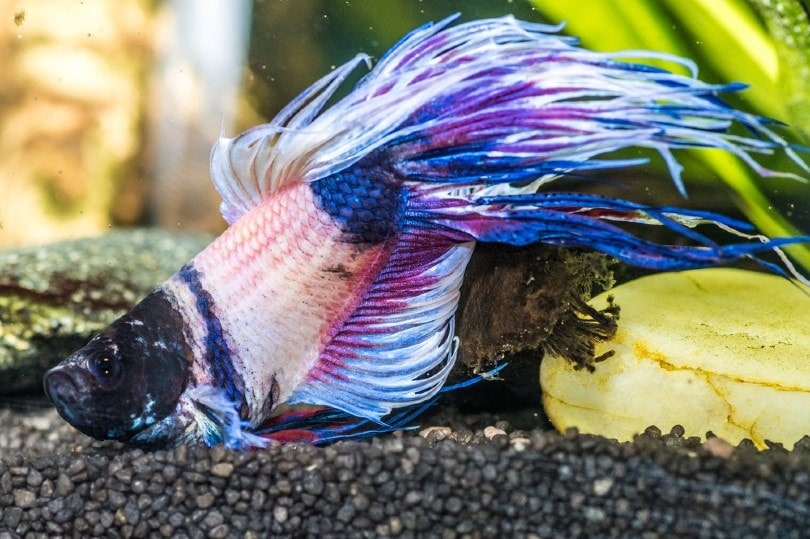
The other main cause of non-infectious fin loss in Betta fish is ammonia poisoning. This is usually a late stage of ammonia poisoning and indicates that your fish has been exposed to ammonia for an extended period of time. There are other signs of ammonia poisoning that may appear before fin loss, including lethargy, fin clamping, rapid breathing, gill redness, and inappetence.
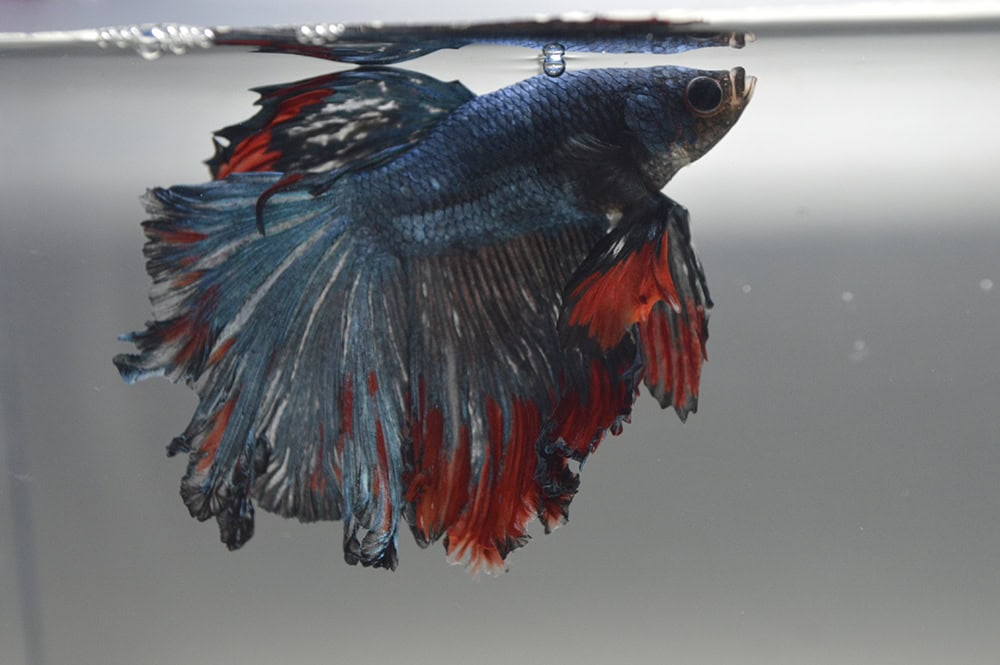
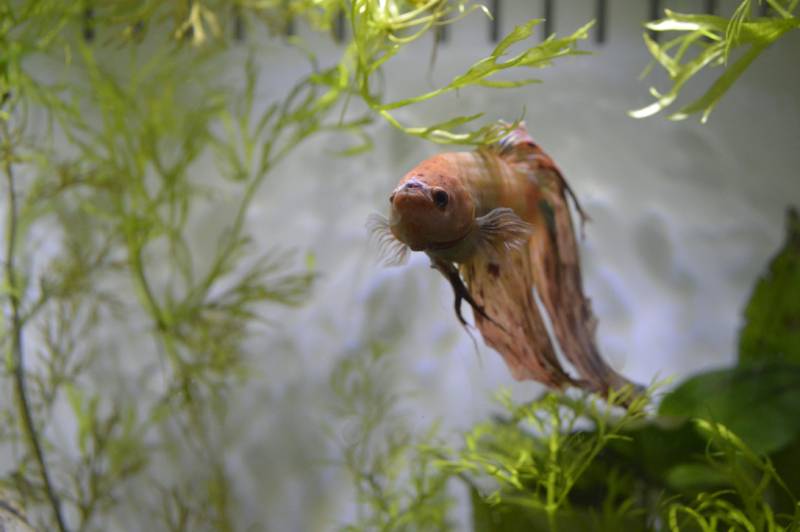
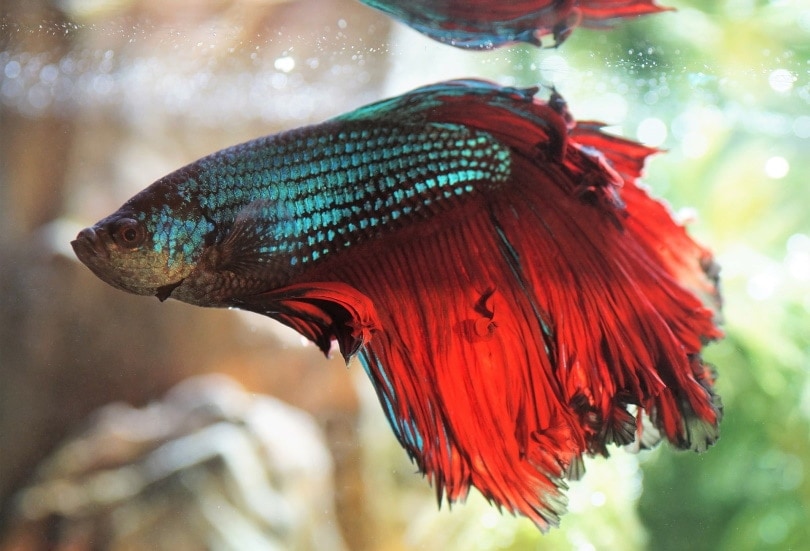
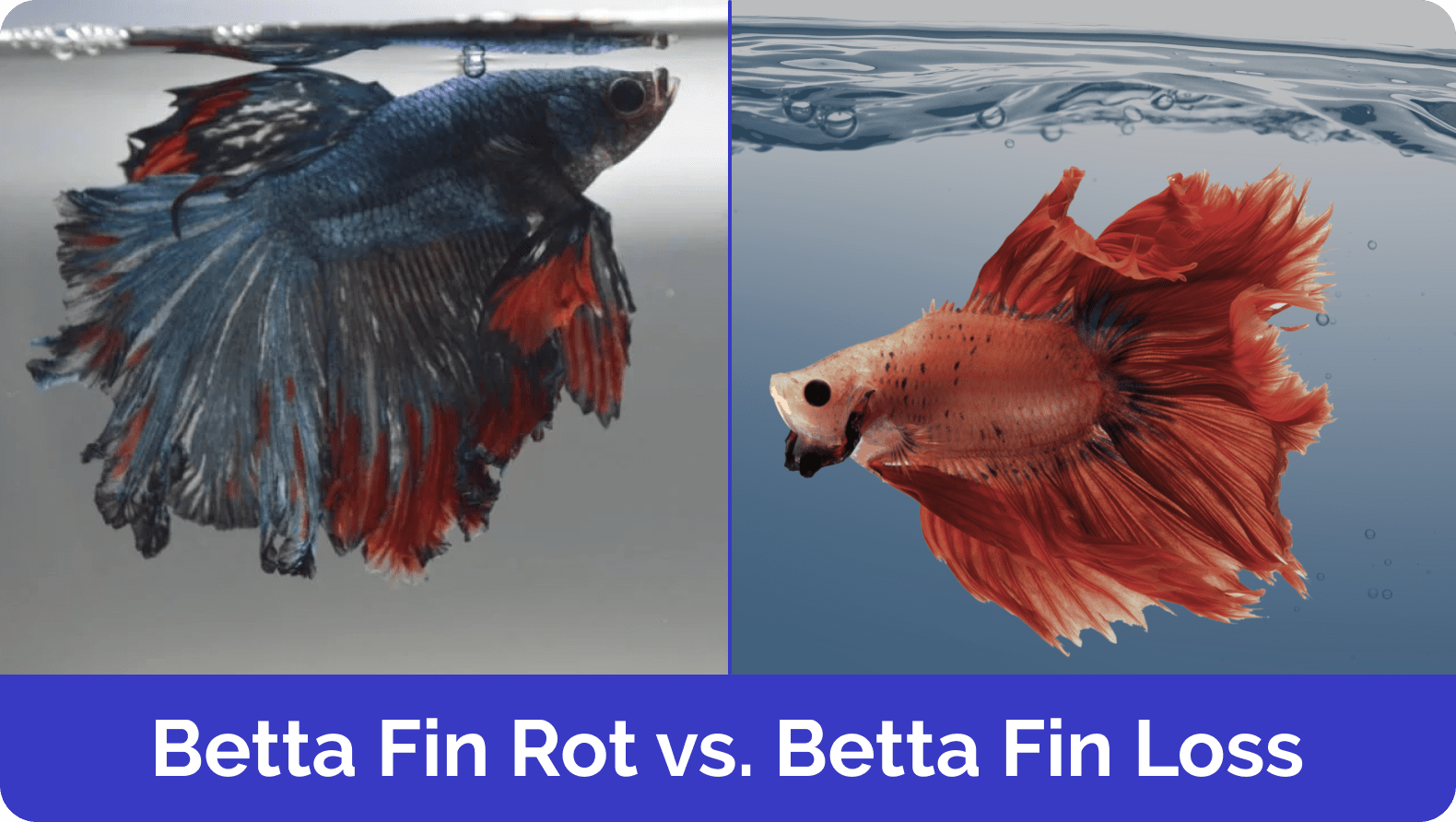
Whether your Betta fish’s fin loss is caused by fin nipping or ammonia poisoning, you will likely see jagged edges along the fins. With ammonia poisoning, you may see the fin rotting off slowly, sometimes leading to dead pieces of the fin trailing behind your fish. You will not see a white film like the whiteness you see with fungal infections, but it is possible there will be a cloudiness to the edges of the fin as it is rotting. This is more common with ammonia poisoning than fin nipping. It may be difficult to tell the difference between bacterial fin rot and fin loss since both result in jagged edges, but fin nipping often leads to more noticeable “chunks” being taken out of the fins.
How Do You Treat Fin Loss?
If you notice fin loss in your Betta fish, you need to evaluate the environment. Are there tank mates with your Betta fish? If there are, tank dividers or finding other ways to separate the Betta from the other tank mates may be necessary. Regardless of whether you think fin nipping is the cause of the fin loss, you need to check your water parameters. Ensure all levels are where they should be, especially ammonia. If your water quality is poor or your parameters are off, then it’s possible for your fish to experience Fin Rot and fin loss at the same time. You need to carefully evaluate the environment as a whole.
Caring for damaged fins typically involves preventing further damage, adjusting water parameters to proper levels, and treating the fins with gentle products to encourage healing and reduce inflammation. Melaleuca, Indian almond leaves, and products that support healing and slime coat health can help prevent infections while the fins heal.

Improving Your Tank Environment
Both fin rot and fin loss indicate there is some type of problem occurring within your tank. Fin rot can almost always be prevented with proper tank care, and fin loss often can be as well. When it comes to caring for your tank, you should be routinely checking water parameters to ensure they are staying at safe levels. Betta fish need to be kept in a tank with no ammonia or nitrites and nitrate levels below 20. Regular water changes should be performed, and filtration should be adequate for the number and type of fish living in the tank.
If you see any indication of fin loss in your Betta, you should check your water parameters, even if you know for a fact that you’ve seen bullying from tank mates. Sometimes, bullying and fin nipping can indicate stress, which can be brought on by poor water quality. Make any adjustments necessary to ensure your water quality is high, your parameters are correct, and your Betta and its tank mates are living in a low stress environment. You can often improve water quality and parameters simply by performing a water change and conditioning the new water. It is possible, though, that you will need additional products to help reduce ammonia or otherwise improve the quality of the water and the parameter readings.

Final Thoughts
Determining whether your Betta fish is experiencing fin rot or fin loss will help you know which direction to go with treatment. Being able to identify the difference between bacterial and fungal Fin Rot will as well. Regardless of the cause of the fin rot or fin loss, check your water parameters and ensure your parameters are in check and your water quality is high. If there’s any question, perform a water change and condition the new water. Both fin rot and fin loss are highly treatable, but both can open pathways for deadly infections and other medical issues that can lead to death, so work to identify the cause and treat it quickly.
See Also:
Galaxy Koi Betta Fish: Care Guide, Varieties, Pictures & Lifespan
Betta Fish Fin Rot: Vet-Approved Causes, Signs, Treatment & Prevention Tips
Featured Image Credit: Wirestock Creators, Shutterstock
Get Hepper In Your Inbox


Pet care tips from our vets and experts, straight to your inbox.
You may opt-out at any time. View our Privacy Policy for more information.
After nine years as a veterinary assistant, Brooke Billingsley transitioned to a career as a nurse in 2013. She lives in Arkansas with her boyfriend, sharing their home with three dogs, two cats, five fish, and two snails. A dedicated animal lover, Brooke has a special place in her heart for special needs pets, including a three-legged senior dog and a famous cat with acromegaly and cerebellar hypoplasia. Fish keeping is one of her hobbies, and she is constantly improving her knowledge to care for her aquarium pets. Brooke is an active yoga enthusiast, having obtained her 200-hour yoga teacher certification in 2020. She believes in the importance of continuous learning and dedicates time each day to developing new skills and expanding her knowledge.
Join the conversation
Ask a question, share your story, or send private feedback.