Hepper is reader-supported. When you buy via links on our site, we may earn an affiliate commission at no cost to you. Learn more.
Preventive Care for Dogs: A Vet-Approved Healthcare Guide


In this article
All dog owners want their precious four-legged companions to stay by their sides for as long as possible. While there is sadly no magic potion that will prolong the life of your beloved dog, there are steps that you can take to prevent life-threatening illnesses and health problems as much as possible. Preventive care is one of those measures: It can help improve your pup’s quality of life and maintain their overall health.
Preventive care doesn't have to be expensive or take up too much of your time. In fact, it can save you money in the long run by reducing the risk of hefty vet bills. Simply put, preventive care involves an annual visit to the vet for a wellness exam, necessary vaccinations, parasite testing and treatment, and prescription medications. You are probably already meeting many of your pet’s preventive care needs without even realizing it.
Read on to learn all the details of canine preventive care and what you can do to ensure your dog’s well-being and happiness for as long as possible!

How Does Preventive Dog Care Work?
Dog preventive care is a multifaceted approach to identifying and resolving potential health issues before they become serious problems.
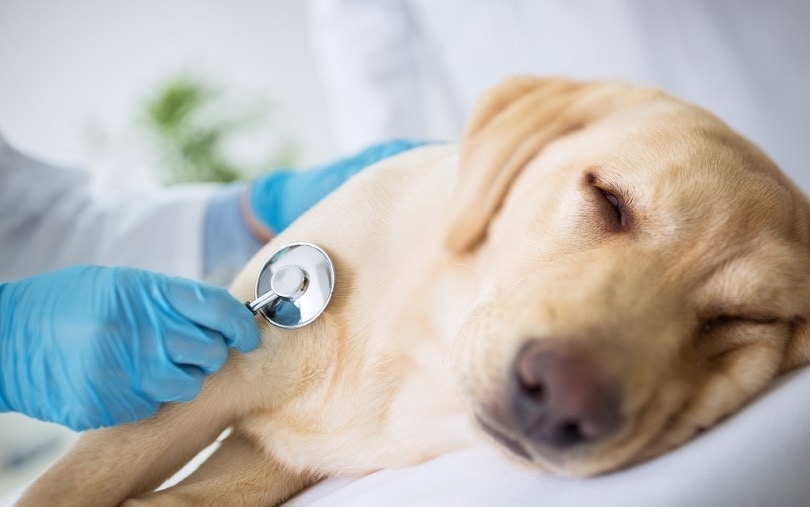
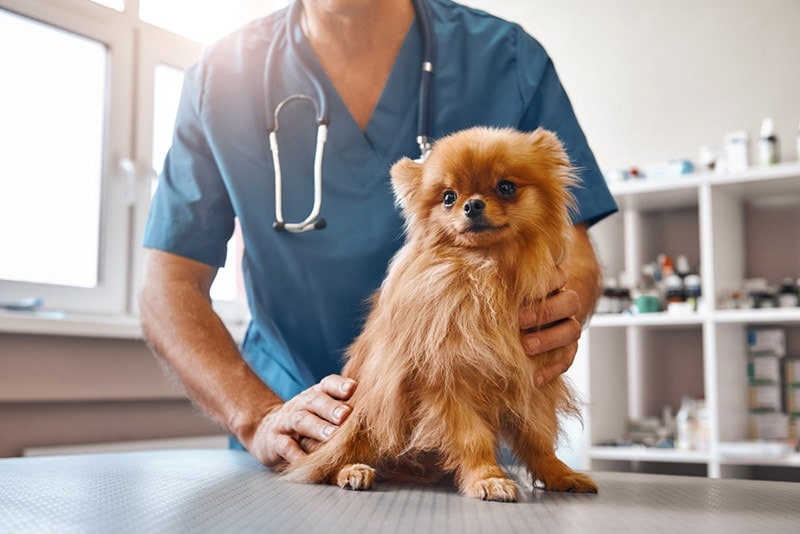
For starters, regular visits to your vet—at least once a year—are fundamental for assessing your pup’s overall health, monitoring their growth, administering core vaccines and subsequent boosters, providing dewormers and other antiparasitic medications, and addressing any breed-related conditions.1

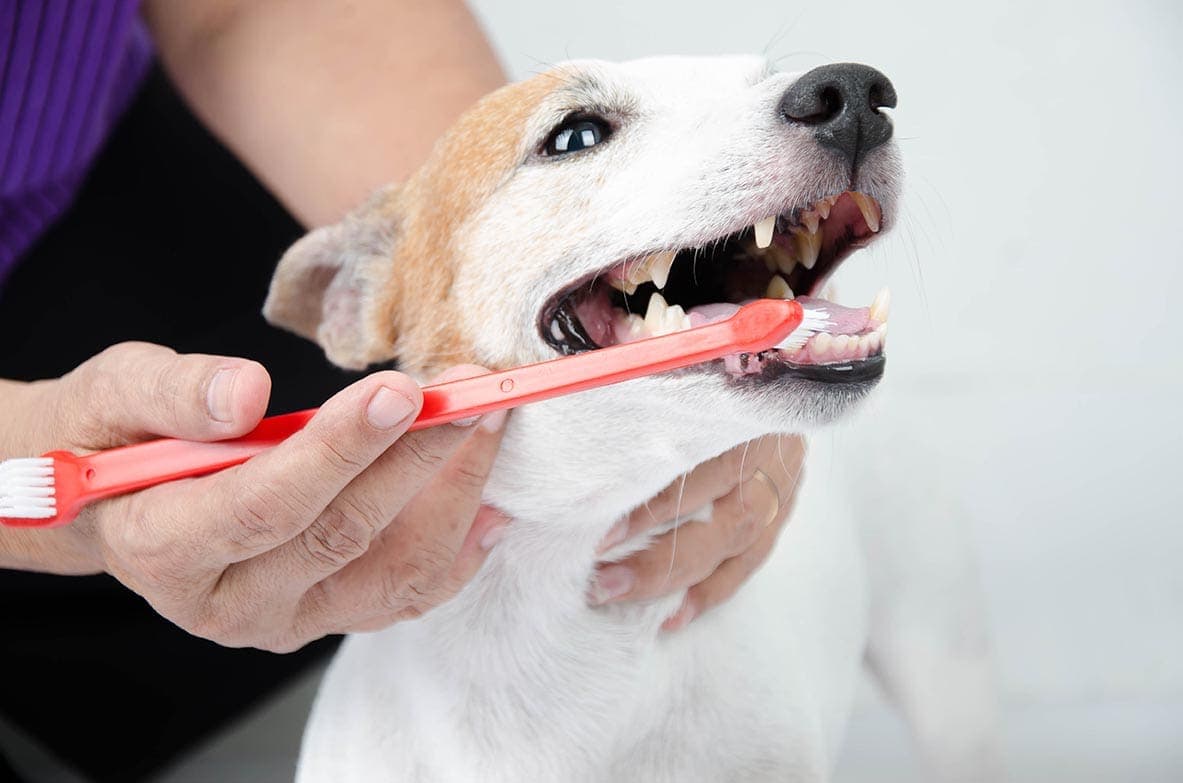
But preventive care doesn't just stop at visits to the veterinary clinic! A balanced, high-quality diet, daily exercise, regular grooming, and even nail trimming are all key aspects of maintaining your dog’s optimal health. In addition to these basic at-home care practices, there's toothbrushing, which is sometimes overlooked in the care routine but is essential for preventing the onset of dental diseases.
What Are the Different Types of Dog Preventive Care?
Preventive care includes veterinary exams, immunizations, good nutrition, exercise, maintaining a healthy weight, dental care, parasite control and prevention, grooming, spaying and neutering, and mental stimulation. It is that simple, and you probably already do most of these things at home.
But to go further, you should familiarize yourself with the Canine Preventive Health Care Guidelines, established by the American Animal Hospital Association and the American Veterinary Medical Association.2
These guidelines are divided into three parts:
By adhering to these recommendations, you ensure that your canine companion receives the care needed to prevent disease, maintain their ideal weight, keep their teeth healthy, and protect them from common parasites.
Does Pet Insurance Cover Dog Preventive Care?
Unfortunately, most pet insurance companies do not cover routine preventive care and wellness exams. It is primarily designed to provide financial assistance for unexpected (and often costly) medical expenses that result from accidents or illnesses, including diagnostic tests, surgeries, medications, and hospitalization.
That said, some companies offer optional wellness or preventive care add-ons for an additional fee. Just make sure to carefully review the terms and coverage options to avoid unpleasant financial surprises! Some veterinary practices will also have health care plans that you can join, which may include vaccinations and parasite control.

What Types of Preventive Care Can You Do at Home?
There are many things that you can do at home to ensure your dog's safety and well-being:
- Take note of any changes to their lifestyle habits, behavior, appetite, weight, etc. Bring these observations with you to your vet visit.
- Adapt the physical activities that you do with your dog based on their life stage. A senior dog obviously does not have the same energy reserve as an exuberant puppy, but did you know that over-exercising a puppy can be harmful to their health and growth? Do not hesitate to ask your vet for advice if you have any doubts about your dog's real exercise needs!
- Be diligent about parasite control and other preventive medications. Depending on where you live, additional precautions against new pesky pests may be necessary.
- As your dog ages, your vet may recommend routine health exams to detect age-related problems early, making it important to increase the number of office visits.
- Be aware of the body condition scoring system, and the ideal weight for your dog, and adjust their diet accordingly. For example, as your dog gets older, they may exercise less, so their calorie intake needs to be reduced.
Frequently Asked Questions
How Often Should I Take My Dog to the Vet for Preventive Care?
The frequency of vet visits depends on your dog's age and health status. Puppies will require more frequent visits during their first few months, while healthy adult dogs typically see the vet once a year. Senior dogs should have at least two check-ups per year.
Are Vaccinations Necessary for All Dogs?
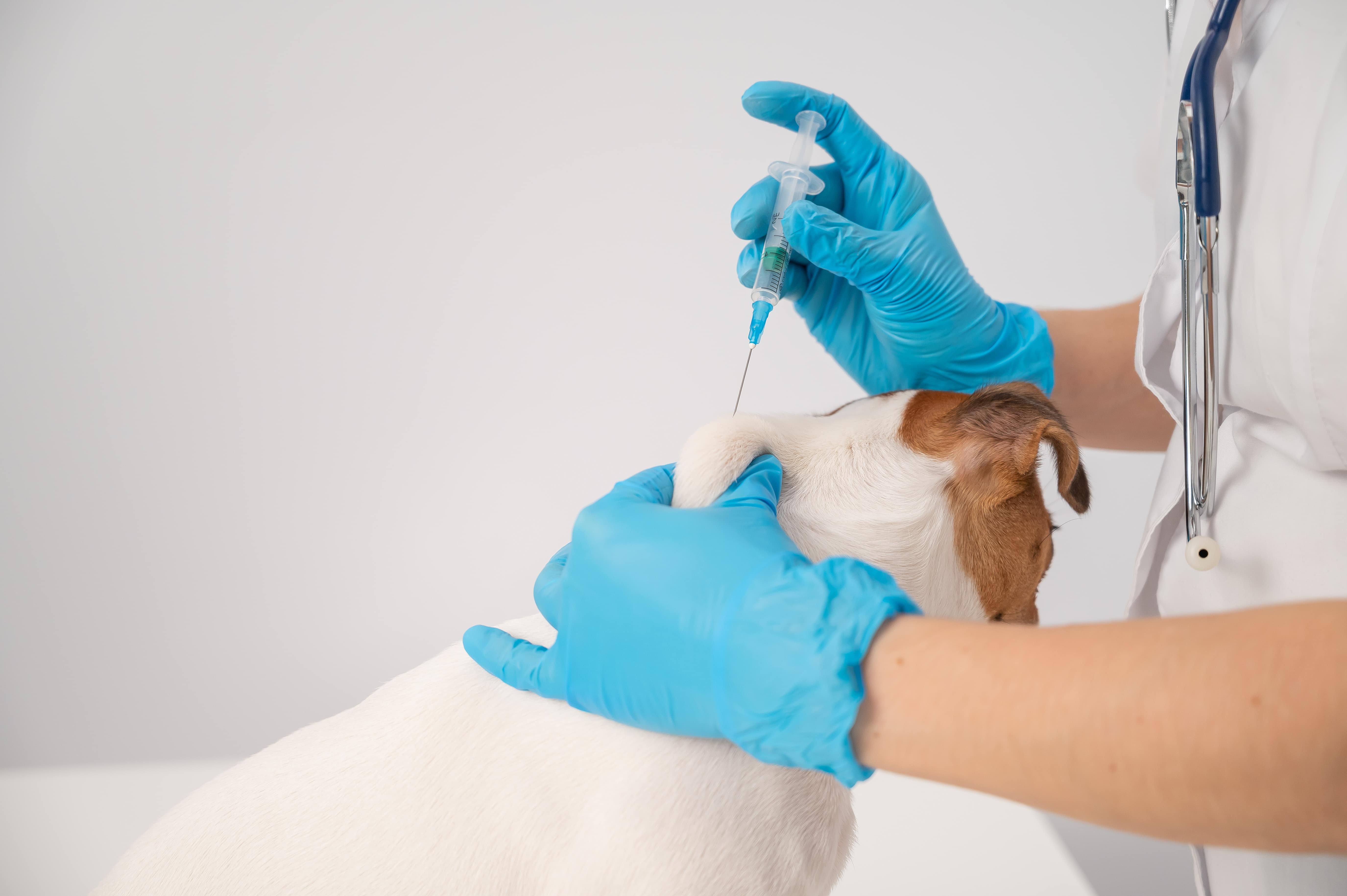
Yes! Core vaccines are crucial for preventing infectious diseases, but the non-core vaccines that your dog needs can vary. Your vet will create a vaccination schedule tailored to your dog's personal risk factors and lifestyle. Remember, some dogs have health conditions that prevent them from being able to have vaccinations, and they rely on being surrounded by vaccinated dogs to protect them.
Do I Need to Groom My Dog Regularly?
Grooming needs vary by breed. Long-haired dogs need more frequent grooming, while short-haired breeds require less. Regular brushing and occasional baths will help maintain a healthy coat and skin.
What About Spaying or Neutering?
Spaying and neutering can reduce the risk of serious health diseases, such as uterine infection and mammary and testicular cancers, reduce mating-related behaviors, etc. You should discuss the risks and benefits with your vet to make an informed decision for your dog.
How Can I Prevent Dental Problems in My Dog?
Don't underestimate the importance of your dog's dental health. In fact, according to VCA Animal Hospitals, dental problems are among the most common health issues encountered by veterinarians. Worse, more than 80% of dogs over the age of 3 suffer from persistent dental problems. This highlights the importance of brushing your pup’s teeth and scheduling an annual professional cleaning.
Conclusion
There are many things in our pet’s lives that we cannot control or predict. That said, you can still do everything in your power to ensure a long, beautiful life for your furry best friend. In this sense, preventive care is not only a commitment but also a gift for your four legged companion. Your dedication to ensuring optimal health for your dear pup will be rewarded a hundredfold.
Sources
Featured Image Credit: SeventyFour, Shutterstock
Get Hepper In Your Inbox


Pet care tips from our vets and experts, straight to your inbox.
You may opt-out at any time. View our Privacy Policy for more information.
Genevieve, a biologist and science writer, who harbors a profound affection for capuchin monkeys, pumas, and kangaroos. This passion has led her to travel extensively, volunteering and working at wildlife rehabilitation centers in Bolivia, Guatemala, Canada, and Australia. Now residing in Argentina as a Canadian expat, Genevieve enjoys the view of horses and cows greeting her from the vast plains outside her home office window. She proudly cares for three rescued dogs—Lemmy, Nala, and Pochi—and a playful kitten named Furiosa. Sharing her extensive knowledge and love for animals brings her immense joy and fulfillment.
Join the conversation
Ask a question, share your story, or send private feedback.