Hepper is reader-supported. When you buy via links on our site, we may earn an affiliate commission at no cost to you. Learn more.
Why Is My Dog Falling Over? 15 Balance Loss Reasons (Vet Answer)

In this article
When our dogs learn to move their bodies in unique or funny ways, we often use these tricks for our amusement and to enrich our dogs’ lives. When dogs can’t properly control how their bodies move on their own, though, that is always a cause for concern. If they fall sideways and show other signs of illness, it’s enough to make a veterinarian panic, nonetheless, a pet’s parent.
Some causes of loss of balance for dogs are more serious than others, and some are more permanent than others. We have 15 possible reasons a dog may be falling over and what each cause means for them.

What Causes a Dog to Lose Their Balance?
For a dog to lose their balance, there is one of two things wrong. If a dog wants to move, the first step is for the brain to plan the movement and send information via nerves to their muscles so they can all coordinate the movement.
So, the first reason a dog can lose their balance would be due to a problem with the brain. The second is that something is wrong between the brain and the part of the body that was supposed to move. This can be a breakdown along the nerves in between or something structurally wrong with the part of the body that wants to move, leading to a lack of good control.
Of course, not all dogs that fall over have lost their balance, so what are your clues that this is why?

Signs My Dog Is Falling Over Because They Lost Their Balance
A dog’s vestibular system is in charge of maintaining their balance. This vestibular system functions through the communication of the inner ear with the brain and spinal cord to assess what position a dog’s body is in the space around it. The first sign of a problem with the vestibular system is ataxia. Ataxia is an unsteady, wobbling, or weaving gait.
In cases of balance failure due to problems in the brain or inner ear, another common sign you may see is nystagmus. Nystagmus is abnormal, spontaneous eye movement even when your dog is not moving and is not changing where they are looking. You know those cat wall clocks where the eyes flick back and forth? That’s what nystagmus looks like. It’s an indication of a problem within the brain, and the direction and speed of the eye movement can tell a doctor about where the problem might originate.
Other signs that are less specific to one affected body area are falling, knuckling, circling, head tilts, weak reflexes, confusion, lethargy, abnormal mentation, pain, and more.

The 15 Reasons for a Dog to Lose Their Balance
1. Idiopathic Vestibular Syndrome
It might not be great for me to start by saying sometimes we don’t know why, but there is a common syndrome in senior dogs in which they spontaneously experience vertigo (dizziness) with balance loss and often nausea, and we’re not entirely sure why it happens. It passes after a week or two in most cases, with most symptoms resolving if not at least improving, though they can have repeat episodes in the future.

2. Otitis Interna and Otitis Media
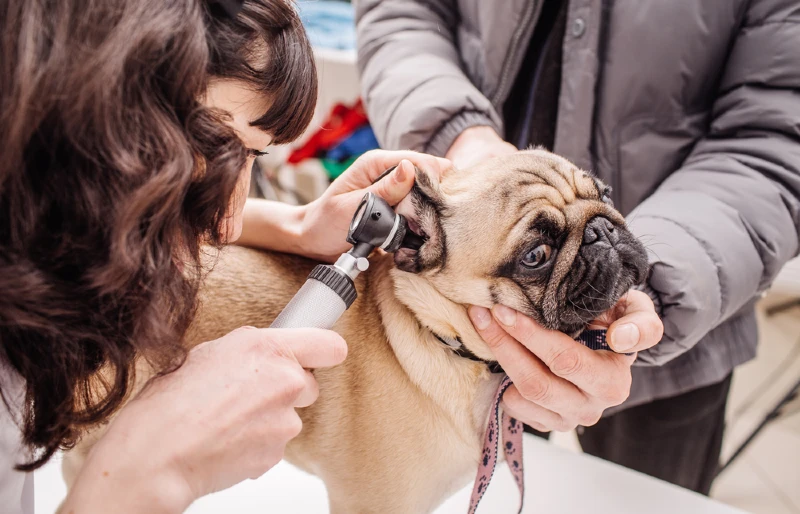
Infections of the middle or inner ear can directly affect the vestibular system causing head tilts and loss of balance. This is almost always treatable though it can be trickier to treat than infections of the outer ear canal, and in some cases, the infection can be in all three regions of the ear.
3. Trauma
Damage to areas of the brain, inner ear, or even bones/muscles/connective tissue of parts of the body needed to maintain balance can leave pets falling and unsteady. Sometimes these are injuries that can heal and return to normal, while others, especially damage to important nerves or brain areas, can leave dogs with permanent vestibular symptoms.
4. Stroke
A stroke is a loss of oxygen to an area of the brain caused by a clot in a blood vessel. This loss of oxygen causes cell death in the area, and then that part of the brain can’t function. This can impact any body system, as I’m sure you can imagine, and included with that is commonly a loss of fine motor control in regions or the entirety of the body.
Strokes are not as common in dogs as in people, but just like with us, sometimes it's possible to recover from a stroke entirely; sometimes, signs of the stroke can persist.

5. Tumors
Brain tumors, spinal cord tumors, inner ear tumors, nerve sheath tumors, and tumors in problematic areas of a limb can all be at fault for a dog that can’t maintain their balance. In some cases, tumors can be removed or treated through chemotherapy and radiation, but some may still lack treatments.
Some tumors are benign, slow growing, and may not further impact a dog’s quality of life; others are malignant and can spread to other parts of the body, making them fatal eventually if left untreated.
6. Encephalitis
Encephalitis is inflammation of the brain. This inflammation can cause the nerves of the brain to malfunction. Encephalitis can be triggered by almost anything: tick-borne diseases, bacteria, viruses, fungi, parasites, fevers (or it can cause fevers), trauma, and more.
7. Seizures
Seizures can cause transient but significant ataxia. During and after the seizure during the postictal phase, dogs are often dizzy, wobbling, unable to stand, will fall over and even roll, and cannot walk straight. This can last for as little as a few seconds and up to several hours, with many dogs not returning to normal until the next day even.
Seizures may be triggered by many of the same things that can also cause vestibular symptoms on their own, but dogs can also develop genetic epilepsy.

8. Vision Loss
Pets that are newly blind will often stumble and fall. Their brain is used to having input from their sight when processing information for their vestibular system, and loss of this sense can lead to a learning curve to correct their balance without it.
9. Poisons/Toxins/Drugs
Some substances can affect brain function, and vestibular function, or can cause liver damage that can lead to ammonia accumulation in the blood, triggering neurological symptoms like ataxia or seizures. Sedated dogs can also be weak and unsteady with poor balance.
10. Arthritis
Severe arthritis can lead to inflammation of the surrounding nerves, which can progress to loss of function of those nerves. Dogs can develop less sensation in their toes, and this lack of sensory input can leave them stumbling, falling, and unable to maintain their balance. Their muscles also become weaker from disuse in trying to avoid painful movement, which makes it that much harder for them to balance.

11. Degenerative Myelopathy
This chronic disease leads to progressive degeneration of the spinal cord. The beginning stages include ataxia, a signature wobbling gait, and hindlimb weakness with frequent falls and knuckling, but it progresses to paralysis. This genetic disease can be found in many dog breeds, but the most well-known would likely be German Shepherds.
12. Intervertebral Disc Disease (IVDD)
This injury, common in overweight dogs with short legs and long backs that often occurs after a jump down, is due to pressure from the disc between vertebrae on the spinal cord when the disc isn’t in the position and condition it’s supposed to be in. The pressure on the spinal cord can cause extreme pain, loss of sensation in extremities, complete paralysis, ataxia, and more neurological symptoms.
Dogs recovering from an IVDD injury will often have very little control of their balance and will need help from their owners to get around until they heal, though these signs can be permanent depending on the severity of the injury and how long it takes to get treatment.
13. Hypothyroidism
Although not a common presentation, hypothyroidism in dogs can cause degeneration of some nerves, including the cranial nerves involved in the vestibular system. Untreated hypothyroidism also increases the risk of strokes for dogs.
14. Hypertension
Since you cannot technically diagnose high blood pressure (hypertension) without assessing a dog’s blood pressure, one of the signs an owner might notice first that leads to a veterinarian checking this is reports of vertigo from a dog such as ataxia, a head tilt, vomiting, loss of appetite, etc.
15. Infectious
Infections in the brain can affect the vestibular system. One example would be the distemper virus, which can cause neurological signs like ataxia, head tilts, wobbling, weakness, and more in puppies, which may have persistent signs like this even if they survive the infection.


Conclusion
With a dog’s balance relying on the sensory input of their surroundings, their brain’s interpretation of that input, and their body’s ability to follow through on instruction from the brain to maintain balance, it’s no surprise to find out how many different things can explain why your dog might be falling over.
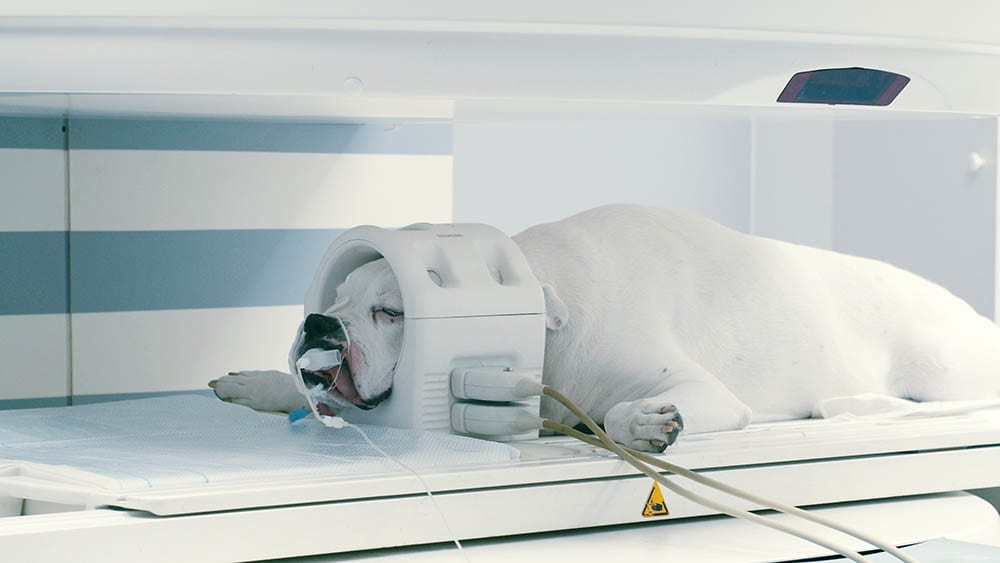
If you notice any signs that your dog is struggling with their balance, such as falling, rolling, circling, a head tilt, walking unsteadily, vomiting, or not eating, it is best to bring them straight to your veterinarian so they can run tests to narrow down the cause. These tests may include bloodwork, imaging such as X-rays, CT scans, an MRI, a spinal tap, or reflex challenges.
Sources
Featured Image Credit: Jurijus Petrulis, Pixabay
Get Hepper In Your Inbox


Pet care tips from our vets and experts, straight to your inbox.
You may opt-out at any time. View our Privacy Policy for more information.
Dr. Zayas has a passion for sharing her extensive knowledge base with everyone she can. She lives in Colorado with her dogs, cat, and fish and has traveled all over the world with them. Her various life and work experiences have allowed her to focus on not only clinical practice, but also providing informative, accurate answers to almost any question her clients and readers can ask of her.
Education
Dr. Zayas received her Bachelor’s degree from Bryn Mawr College and her Doctor of Veterinary Medicine degree from Ross University School of Veterinary Medicine.
Experience
Dr. Zayas owns a house call small animal and exotics veterinary practice. She has special interests in allergies, pain management, end of life/hospice care, and finding unique solutions tailored to her patients’ and families’ individual needs. She has worked in shelter medicine, home health, and everything in between.
Join the conversation
Ask a question, share your story, or send private feedback.