Hepper is reader-supported. When you buy via links on our site, we may earn an affiliate commission at no cost to you. Learn more.
Do Antibiotics Make Cats Sleepy? Cat Antibiotic Side Effects & FAQs


In this article
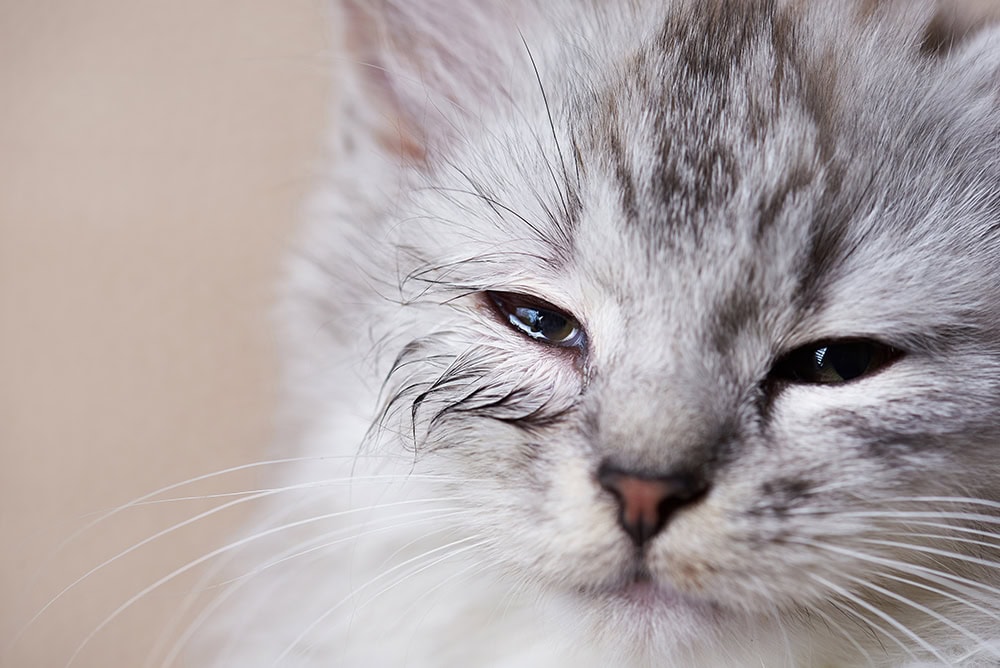
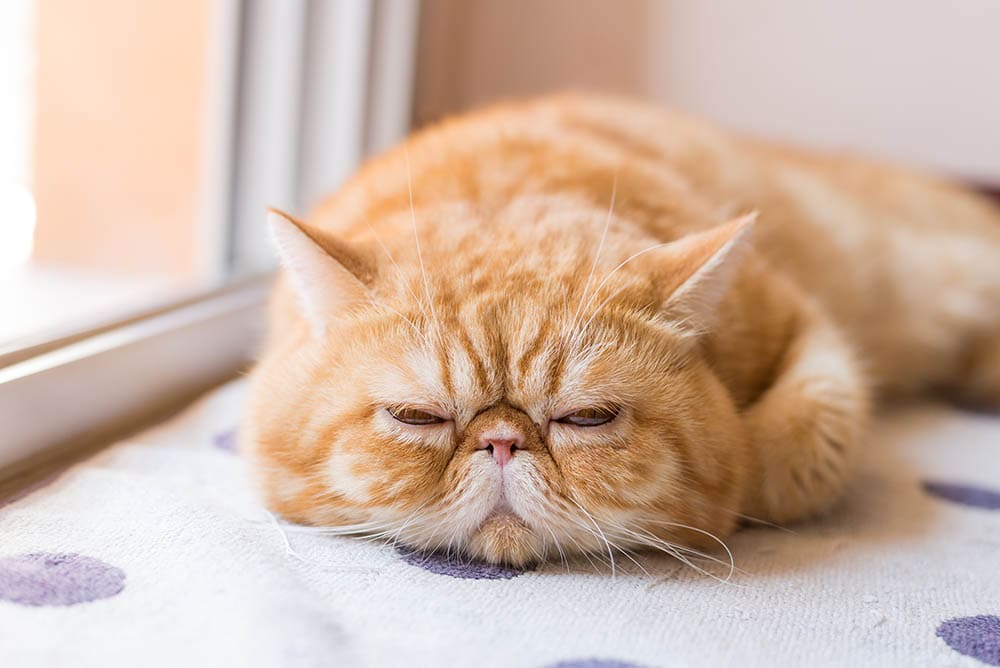
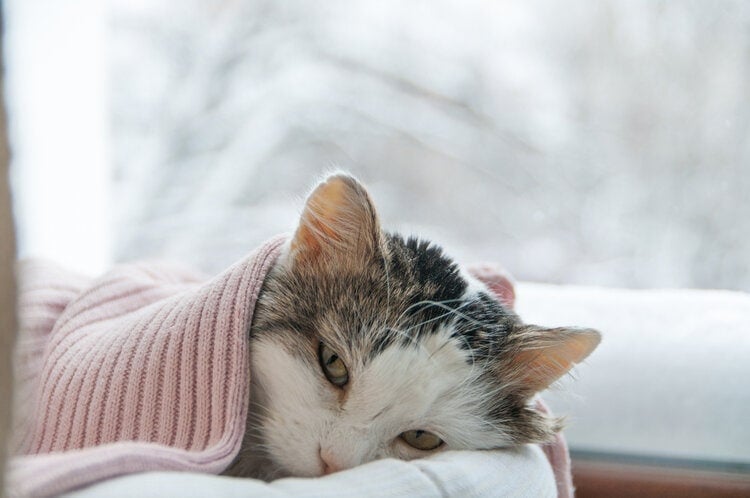
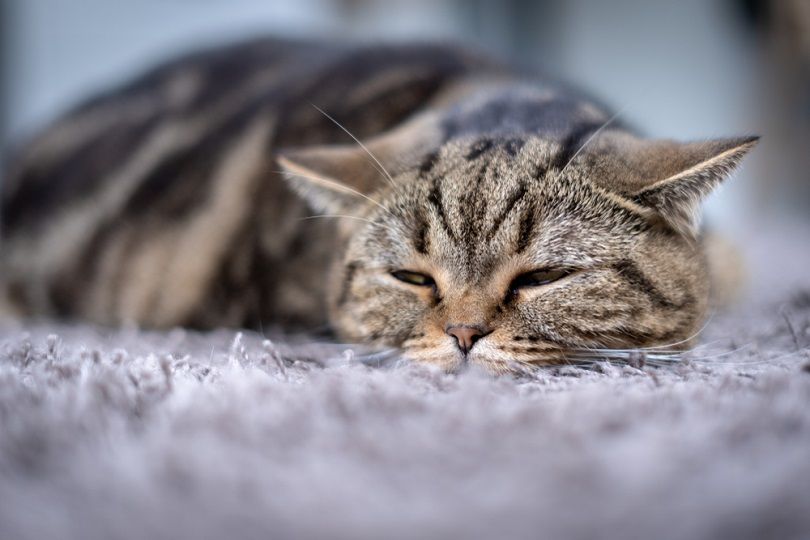
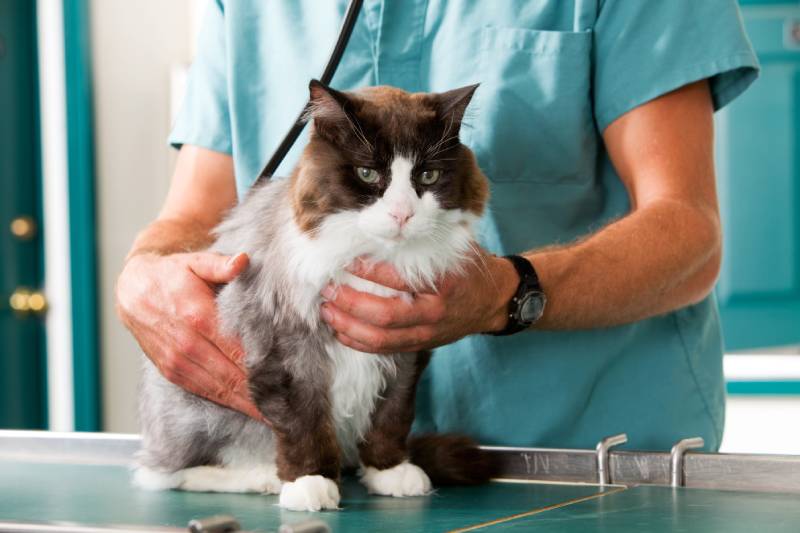
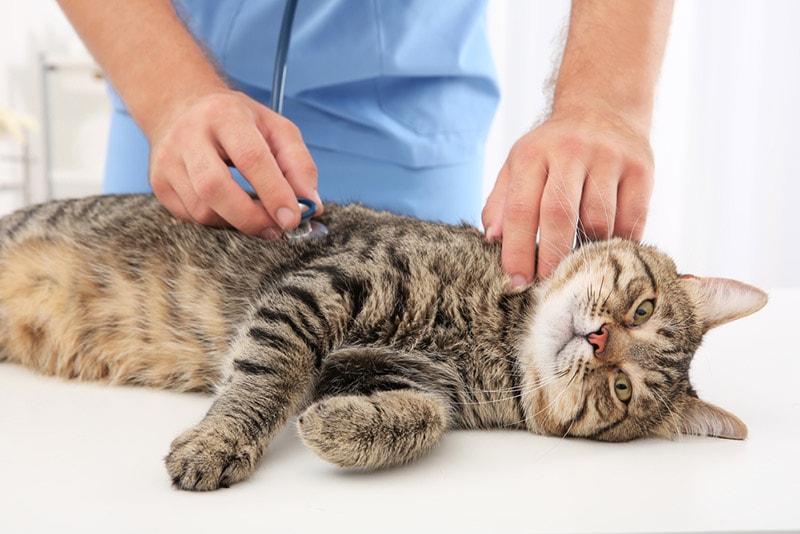
Treating felines with antibiotics is vital for fighting off infections, but some cats handle the medications better than others. Depending on the antibiotic, cats can experience several side effects, but thankfully, most are not life-threatening. You may have wondered, do antibiotics make cats sleepy? Yes, some medicines can make felines sleepy, but they may also be tired from dealing with an infection. Veterinarians use many antibiotics to treat infections in animals that have been proven to be safe and effective. However, even safe drugs have side effects, these are usually milder than the illness they are trying to treat.

Common Antibiotics Used to Treat Infections in Cats
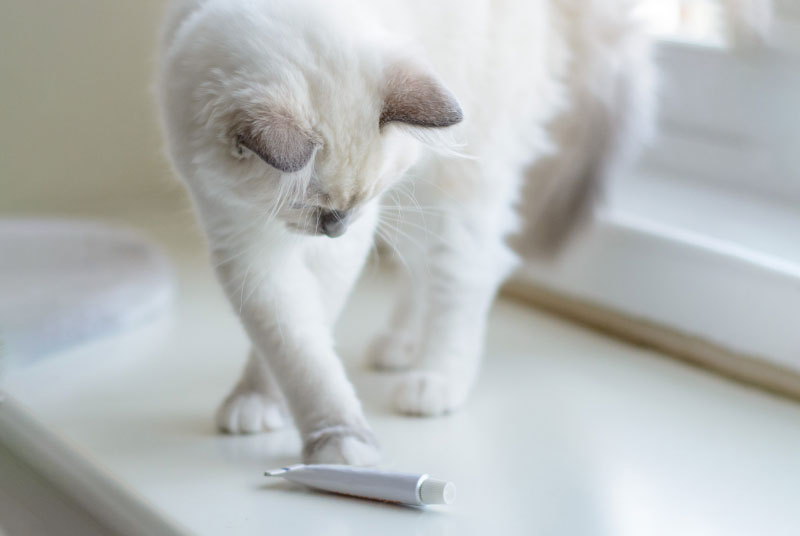
From an eye infection to a gastrointestinal issue, antibiotics have many uses. Several medicines treat the same symptoms, but your vet may decide to use one over the other when your pet is sensitive or allergic to specific chemicals in the medication. It is important that the appropriate antibiotic is used for the body system and infection being treated.
Amoxicillin

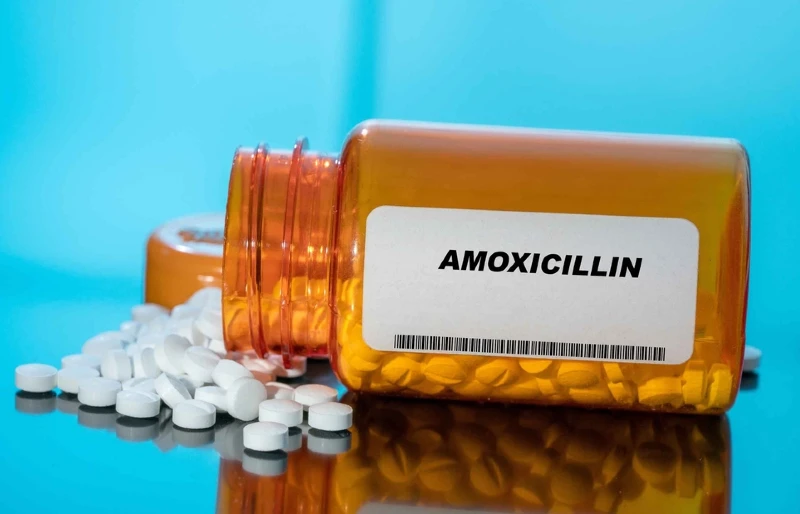
Amoxicillin is one of the most widely used antibiotics for treating animals, birds, reptiles, and people. Its primary use is for treating bacterial infections in the skin, urinary tract, and respiratory system. Amoxicillin begins working after 1 to 2 hours, but noticeable results are usually not evident for a couple of days. The medicine is available in pills, capsules, and liquid suspensions, but most cats will typically do best with the liquid since they have problems taking tablets. The most common side effects of the antibiotic include vomiting, diarrhea, and appetite loss, but severe reactions related to allergies may include fever, skin rash, facial swelling, breathing issues, and coordination problems.
Amoxicillin + Clavulanic Acid
Also known by the brand name Clavamox, amoxicillin and clavulanic acid are used together to treat periodontal disease and soft tissue and skin infections. Clavulanic acid is added to prevent specific enzymes from eliminating amoxicillin before it can kill the bacteria causing the infection. Clavamox should be taken with food, and it’s available in a liquid suspension and tablet.
Typical side effects of the antibiotic combination include diarrhea, vomiting, and an upset stomach. Less common reactions from allergic cats are fever, rash, face swelling, breathing problems, and puffiness around the face. Cats allergic to drugs similar to penicillin should not take amoxicillin and clavulanic acid. Guinea pigs, rabbits, hamsters, and other rodents can experience deadly diarrhea if they take the antibiotic.
Metronidazole
Also called Flagyl, metronidazole is typically used as an anti-diarrheal treatment for cats and dogs. It also treats infections in the central nervous system, teeth, bones, and protozoal diseases such as Trichomonas and Giardia. Unlike some of the other antibiotics, metronidazole can cause neurological side effects such as mobility problems, depression, tremors, stiffness, seizures, and abnormal eye movements, these effects should stop when the antibiotic is stopped.
However, neurological effects are often attributed to pets who consume too much of the antibiotic while recovering from liver dysfunctions. The more common side effects include vomiting, diarrhea, lethargy, bloody urine, appetite loss, drooling, and liver damage. Lactating or pregnant cats should not take metronidazole.
Penicillin
As the first antibiotic discovered, penicillin has a long track record of successfully treating infections. Veterinarians use the antibiotic on cats, dogs, livestock, horses, hedgehogs, and some species of birds. Penicillin is primarily used to treat urinary tract infections, skin abscesses, dental infections, and respiratory illnesses. The antibiotic works best when given to cats 1 hour before feeding or 2 hours after feeding. Although it’s one of the safest antibiotics, penicillin has side effects that may include itchiness, vomiting, diarrhea, appetite loss, swelling, breathing problems, and hives. Anaphylaxis can also occur with cats that are allergic to the antibiotic. Penicillin treats several creatures, but it should not be given to guinea pigs because it can cause a fatal condition.
Clindamycin
Also known by the brand names Antirobe and Cleocin, clindamycin is an antibiotic used to treat pyoderma, skin wounds, abscesses, toxoplasmosis, and dental and bone infections. It’s available in liquids, capsules, and tablets and can be given with or without food. However, it should be accompanied by a liquid if administered as a pill because a dry tablet can become stuck in the esophagus and cause ulcers. Clindamycin has a bitter taste, and some cats can experience lip-smacking or drooling after taking the antibiotic. Other symptoms include diarrhea and vomiting in cats and bloody diarrhea in dogs. Cats with kidney or liver disease are more vulnerable to side effects from clindamycin.
Orbifloxacin
Using orbifloxacin to treat cats and dogs is FDA-approved, but veterinarians also use it on birds, rabbits, and horses. It’s typically used to treat respiratory, skin, soft tissue, and urinary tract infections. Orbifloxacin can be given to cats without food, but kitties who vomit after consuming the antibiotic can have food on subsequent doses. Side effects include vomiting, appetite loss, and diarrhea, but it can lead to seizures, fever, skin rashes, breathing problems, incoordination, and cartilage abnormalities in rare cases.
Doxycycline
Like clindamycin, doxycycline should never be given as a dry pill to a cat without food or water, but most cats prefer the liquid suspension. The antibiotic treats periodontal disease, tick-borne diseases like anaplasma, and heartworm disease in cats and dogs. Food containing dairy or iron should be avoided when giving the antibiotic because iron and calcium can inhibit the antibiotic’s effectiveness. Side effects of doxycycline may include appetite loss, diarrhea, and vomiting. Cats taking the medication may experience skin sensitivity to sunlight, and pet parents should avoid allowing their felines to bask in the sunlight to prevent sunburn. Nursing animals and those with liver disease should avoid antibiotics.
Cephalexin
Also known by the brand names Rilexine and Keflex, cephalexin is used to treat skin infections, urinary tract issues, and pyoderma in cats. Unlike other antibiotics, cephalexin is available in a chewable tablet in addition to a tablet and liquid suspension. In Canada, it is also administered as an oral paste. Side effects from the antibiotic are rare but may include vomiting, appetite loss, and diarrhea. Felines with allergic reactions to the medication can experience rashes, fever, skin conditions, and breathing problems. Pregnant and nursing kitties should not be given cephalexin.
Frequently Asked Questions About Antibiotic Treatments
As we’ve discussed, antibiotics are generally safe for your cat, but following the veterinarian’s dosage and care instructions is critical for favorable results and fewer side effects.
What do you do if you miss a dosage?
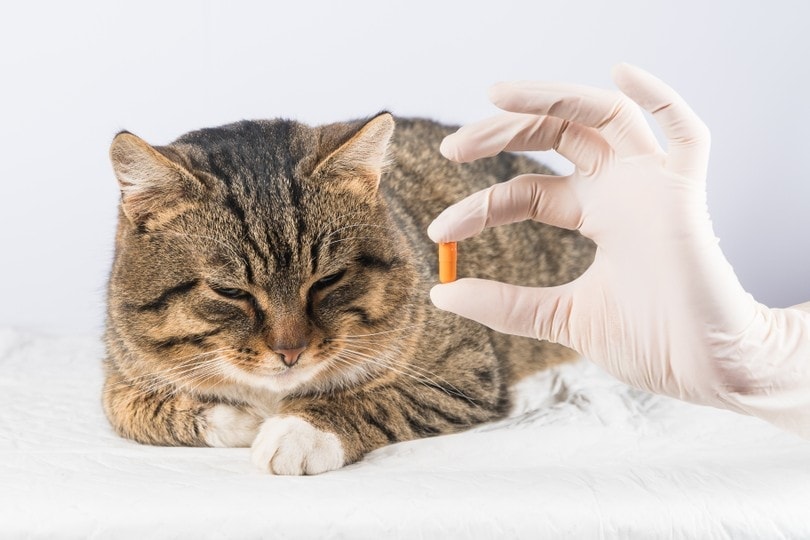
Setting a reminder on your phone or device to administer an antibiotic to your cat can help prevent skipped doses but missing a dose usually does not require a visit to the veterinarian. If you miss a dose, you can give your cat one if it’s close to the time you usually give the antibiotic. If it’s the day after you missed one, provide the daily dosage but do not double the medication. Giving too much is usually more harmful than skipping a day, but speak to your vet if you have any questions.
How do you store antibiotics?
Pills and tablets should be stored in a cabinet away from direct sunlight at room temperature. Liquid suspensions must be kept in a refrigerator to remain effective.
How long do antibiotics take to work?
The treatment period varies depending on the medication and the severity of the infection. Some cats can finish their antibiotics in 5 to 14 days, while others with severe conditions may be on the drugs for several weeks. Even if your cat looks and feels better, it’s essential to finish the antibiotic dosage recommended by your veterinarian. If your cat displays symptoms after treatment, go back to the doctor.
Can cats die from taking antibiotics?
Although antibiotics have cured infections in humans and animals for decades and longer, they can be toxic if incorrectly administered. A toxic dosage can cause diarrhea, vomiting, discolored teeth, skin lesions, kidney or liver failure, seizures, tremors, and death. Cats and other pets who ingest antibiotics designed for humans can also experience deadly side effects. Isoniazid is prescribed to people with tuberculosis but can result in seizures, tremors, or death if consumed by a cat.
Final Thoughts
Only a couple of antibiotics list lethargy as a side effect, but the symptoms may be related to the effects of the infection rather than the antibiotics. While your pet is receiving antibiotic treatments, it’s vital to monitor the cat for any troubling symptoms. Some medications begin working in a few hours, but signs that your cat is recovering may not be apparent for 2 or 3 days. Following the doctor’s instructions and providing ample love and patience can help your feline recover and return to pestering you for food and scratching your favorite chair.
See also:
Featured Image Credit: biglinker, Pixabay
Get Hepper In Your Inbox


Pet care tips from our vets and experts, straight to your inbox.
You may opt-out at any time. View our Privacy Policy for more information.
Oliver (Ollie) Jones is a zoologist turned freelance animal writer living in South Australia with his partner Alex and their mini zoo consisting of many aquatic creatures, dog Pepper, and of course, cat Steve. Ollie is originally from the USA and holds a Master's degree in wildlife biology. He hopes to share his feline knowledge and expertise with people so they can share in his passion and help their cats live their best lives.
Join the conversation
Ask a question, share your story, or send private feedback.