Hepper is reader-supported. When you buy via links on our site, we may earn an affiliate commission at no cost to you. Learn more.
Metronidazole for Cats: Our Vet Explains Dosage & Uses


In this article
If your cat shows serious signs of an illness, your veterinarian will run some tests and perform a thorough physical exam. If your cat has severe diarrhea, your veterinarian may suggest using metronidazole to treat it.
What is metronidazole? How much do you give, and why is your veterinarian prescribing it for your cat?

What Is Metronidazole?
Metronidazole is a dual-purpose medication. It is most commonly used as an antibiotic, but it is also an antiprotozoal medication used for certain infections, such as Trichomonas and Giardia. The classification is a nitroimidazole medication.
Metronidazole is particularly effective against anaerobic bacteria, which thrive without oxygen. This medication works by interfering with protein synthesis within the DNA of certain bacteria, breaking the strands.

Forms of Metronidazole
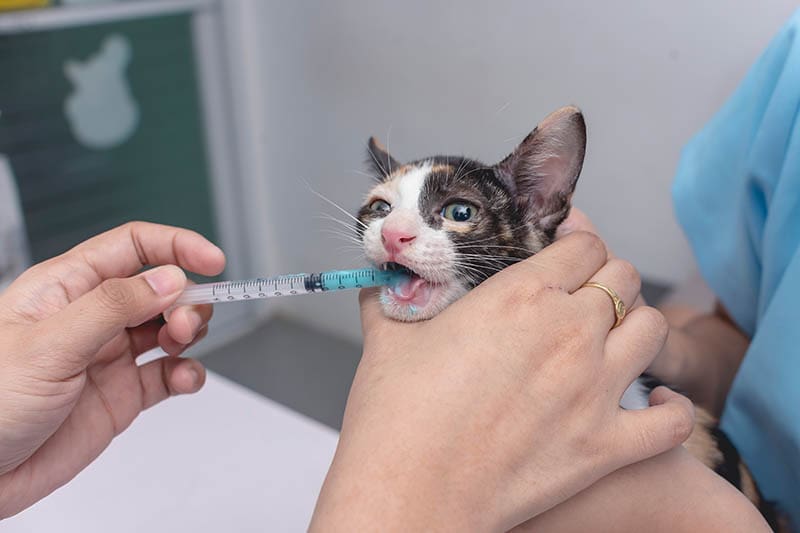
Metronidazole comes in several forms. While the tablet is the usual form, your veterinarian may prescribe it as a capsule or liquid suspension.
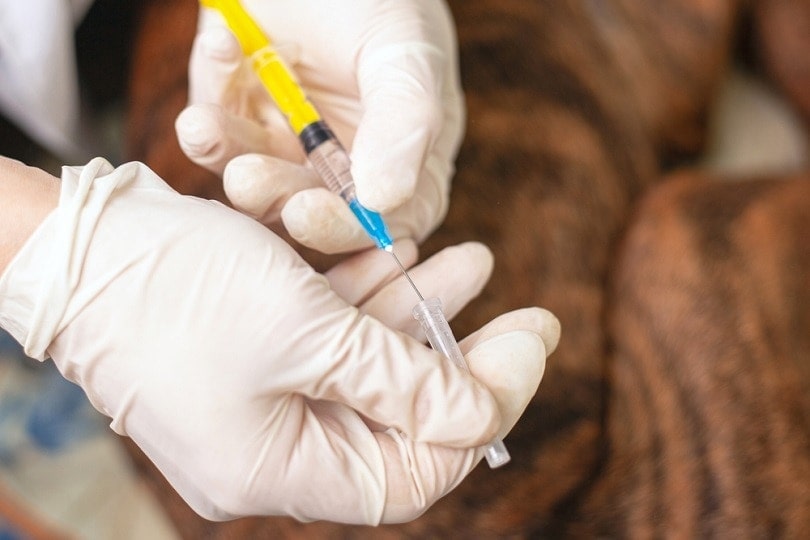
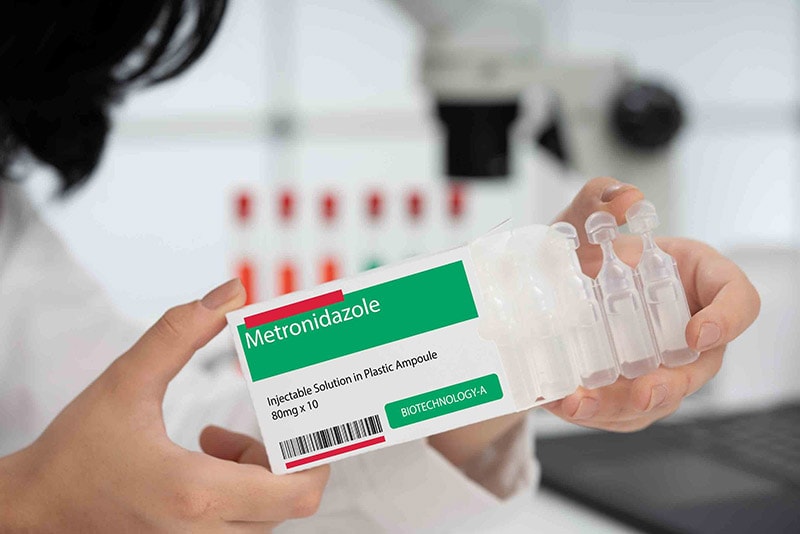
There's also an injectable form of metronidazole that your veterinarian may give your cat IV.
Your veterinarian may recommend a compounded formulation of metronidazole. Because this antibiotic tends to be bitter, cats are more likely to take it willingly in a more palatable formula.

Uses of Metronidazole
Metronidazole is FDA-approved for people, not pets, but veterinarians use it extra-label or off-label in animals. Metronidazole, also known by the brand name Flagyl, treats certain infections. Gut infections that contribute to diarrhea may respond well to metronidazole.
Some pets will contract protozoal infections, such as Giardia. While metronidazole isn't as effective for these infections as a single treatment, it can be very effective with fenbendazole (also known as Panacur).
Metronidazole also has some natural anti-inflammatory effects, particularly in the intestines. Although the exact mechanism is unknown, the medication is believed to block specific inflammatory pathways.
How Is Metronidazole Given to Cats?
The typical dosage of metronidazole in cats is 15 milligrams per kilogram of body weight every 12 hours. Your average-sized cat will usually take one-quarter of a 250-milligram tablet. A more comprehensive range for the medication is 10 to 25 milligrams per kilogram of your pet's body weight every 12 hours.
When treating Giardia, your veterinarian will usually prescribe metronidazole at 25 milligrams per kilogram in combination with fenbendazole at 50 milligrams per kilogram of your cat's body weight.
Potential Side Effects of Metronidazole for Cats
Metronidazole should only be given if your veterinarian prescribes it and only in the way your veterinarian prescribes it.
This antibiotic can have significant health complications, including neurologic problems and death. Neurologic signs you should watch for include tremors, muscle weakness, and seizures. It has even been linked to death at high doses, especially when given over an extended period.
More common side effects are gastrointestinal signs, such as:
A less common side effect of metronidazole is cutaneous vasculitis. Signs of this condition include hair loss, skin bumps, and even bruising.
Metronidazole can contribute to liver damage. You'll want to keep an eye on your cat for jaundice or yellowing of their gums, sclera, eyes, and skin. If you see these changes, you need to contact your veterinarian immediately.
Your veterinarian will consider the risks versus benefits of using metronidazole, especially if your cat is young, old, or has liver or kidney problems. Your veterinary team will not use metronidazole in pregnant or nursing cats.

Frequently Asked Questions (FAQ)
How should metronidazole be stored?
It depends on the form. With capsules and tablets, they can be kept in a sealed container at room temperature. Avoid keeping the medication in a place where the temperature reaches 86°F.
If the metronidazole is in liquid form, store the medication in the sealed container it came in inside the refrigerator.
Your vet will go over how to store this medication when they prescribe it to you.
Should I monitor my cat when giving them metronidazole?
Yes. You should always monitor your pet when giving them medication to be sure there are no reactions. It is also important to make sure they ingest all the dosage. With tablets, some cats might spit them out.
Conclusion
If your cat has certain infections, such as gut bacterial overgrowth of Clostridium or a protozoal infection with Giardia, your veterinarian might prescribe metronidazole. Due to potential side effects, including neurologic issues, this antibiotic should only be used as prescribed. If you have issues giving the medication to your cat or notice any side effects, contact your veterinarian immediately.
Sources
Featured Image Credit: luchschenF, Shutterstock
Get Hepper In Your Inbox


Pet care tips from our vets and experts, straight to your inbox.
You may opt-out at any time. View our Privacy Policy for more information.
Dr. Samantha Devine is a veterinarian who loves sharing her knowledge about animal species and their care with others. Whether it's a guinea pig question or a pressing matter about something your dog ate, Dr. Devine is always striving to provide clear and helpful answers.
Dr. Devine received her degree from the Virginia Maryland Regional College of Veterinary Medicine.
Dr. Devine has been practicing veterinary medicine for over 12 years and has spent a great deal of that time writing online to educate pet parents. She is particularly passionate about preventative care.
Dr. Samantha Devine is a veterinarian who loves sharing her knowledge about animal species and their care with others. Whether it's a guinea pig question or a pressing matter about something your dog ate, Dr. Devine is always striving to provide clear and helpful answers. She is passionate about preventative care and firmly believes in the old adage, "An ounce of prevention is worth a pound of cure."
Education
Experience
Dr. Devine has been practicing veterinary medicine for over 12 years and has spent a great deal of that time writing online to educate pet parents. In addition to general practice small animal medicine, she has worked with horses. zoo animals and aquatic species. She enjoys all aspects of preventative medicine, from nutrition to vaccines.
Join the conversation
Ask a question, share your story, or send private feedback.