Hepper is reader-supported. When you buy via links on our site, we may earn an affiliate commission at no cost to you. Learn more.
Chlamydia in Cats: Causes, Signs & Treatments (Vet Answer)

In this article
Chlamydia is a group or “family” of bacteria that affects a number of different species. Generally, the different strains of chlamydia are species-specific, meaning they infect only one species of animal (or a small number of species). So, the chlamydia you may have heard about in humans, which is a common sexually transmitted disease, is very different from the chlamydia that infects cats.
Chlamydophila felis is the strain of chlamydia that infects cats, and it is a common cause of eye infections and conjunctivitis. This bacterium was previously referred to as Chlamydia psitacci vars felis but recently underwent a name change. Read on to find out about how infection occurs, what to watch for, and what can be done to treat Chlamydiosis in cats.

What is Chlamydia in Cats?
Chlamydia in cats refers to infection by Chlamydophila felis, a common bacterium in the feline population. When a cat is infected with Chlamydophila felis, it is said to have “chlamydophilosis” or “chlamydiosis”; the latter term will be used in this article.
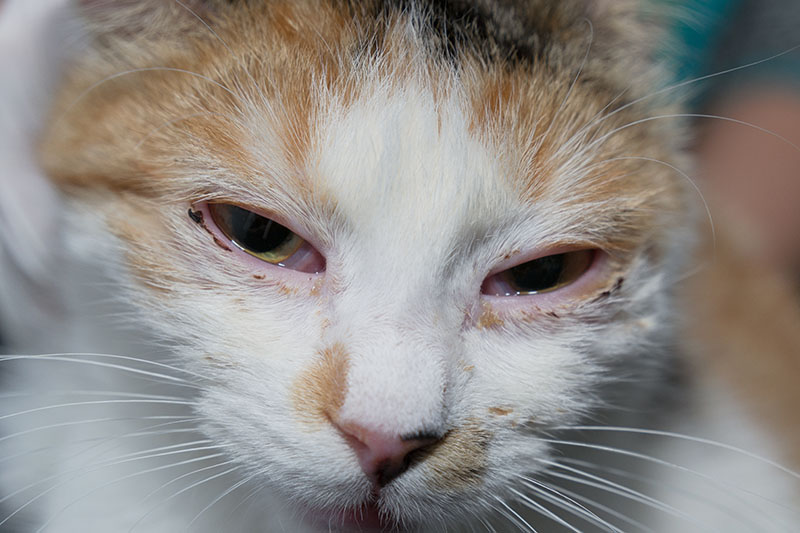
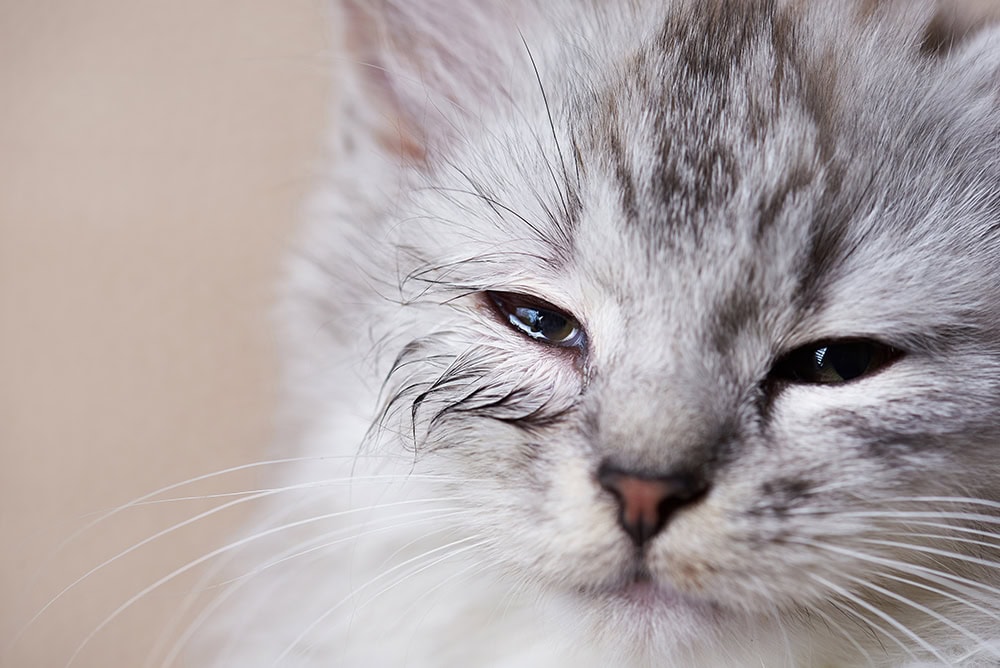
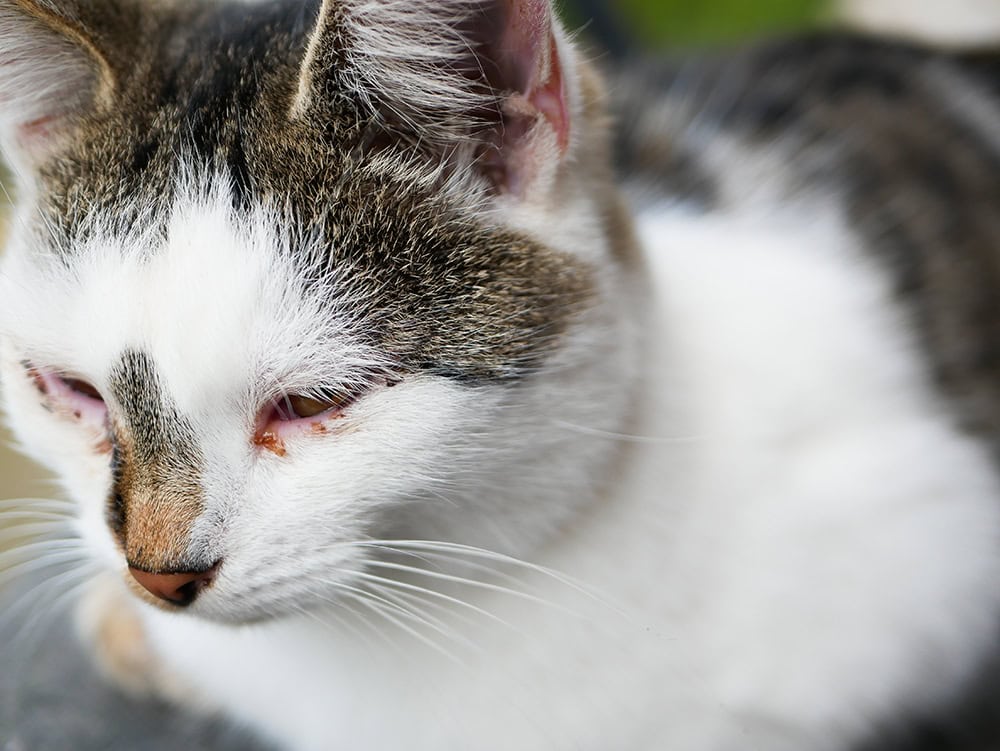
Chlamydiosis causes ocular (eye) infection that often results in conjunctivitis, which is inflammation of the pink fleshy membrane that lines the eyelids. Chlamydiosis is not life-threatening but can cause significant discomfort.
What Are the Signs of Chlamydiosis in Cats?
Most cats will remain bright and happy, continuing to eat and drink normally. Occasionally, a temporary or transient fever occurs, which may cause some lethargy or loss of appetite. It is worth mentioning here that several other infections can cause conjunctivitis and flu-like signs in cats, including feline herpesvirus, calicivirus, and mycobacteria.
What Are the Causes of Chlamydiosis in Cats?
As we’ve mentioned, chlamydiosis is caused by infection with the bacterium Chlamydophilus felis. But how does infection occur? Infection occurs by direct contact with bacteria shed by another cat.
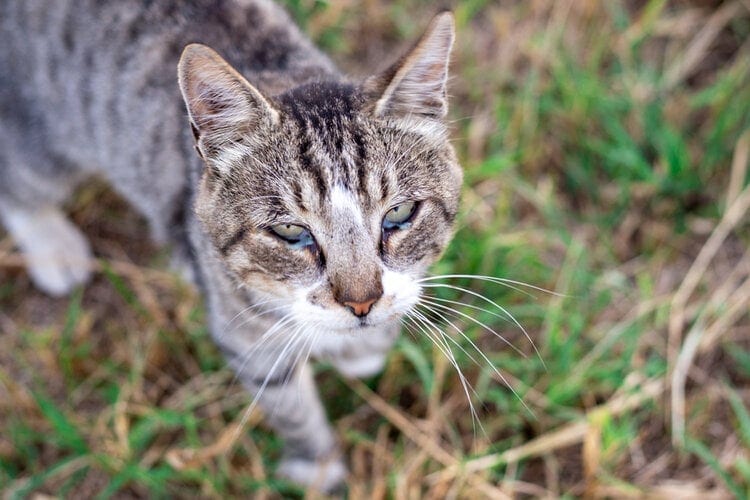
For this reason, infection is more common in places where lots of cats are housed together—multi-cat households, catteries, breeding facilities, and shelters. Kittens appear to be particularly prone to chlamydiosis.

How Do I Care for a Cat with Chlamydiosis?
Antibiotics are the cornerstone of treatment for chlamydiosis in cats. The tetracycline family of antibiotics are most effective, and many vets will choose a specific antibiotic called doxycycline. This is available in both tablet and liquid form and must be given orally once or twice daily. Treatment may be necessary for one month or longer. However, cats in single-cat households that have very mild signs of chlamydiosis may not require any treatment at all.
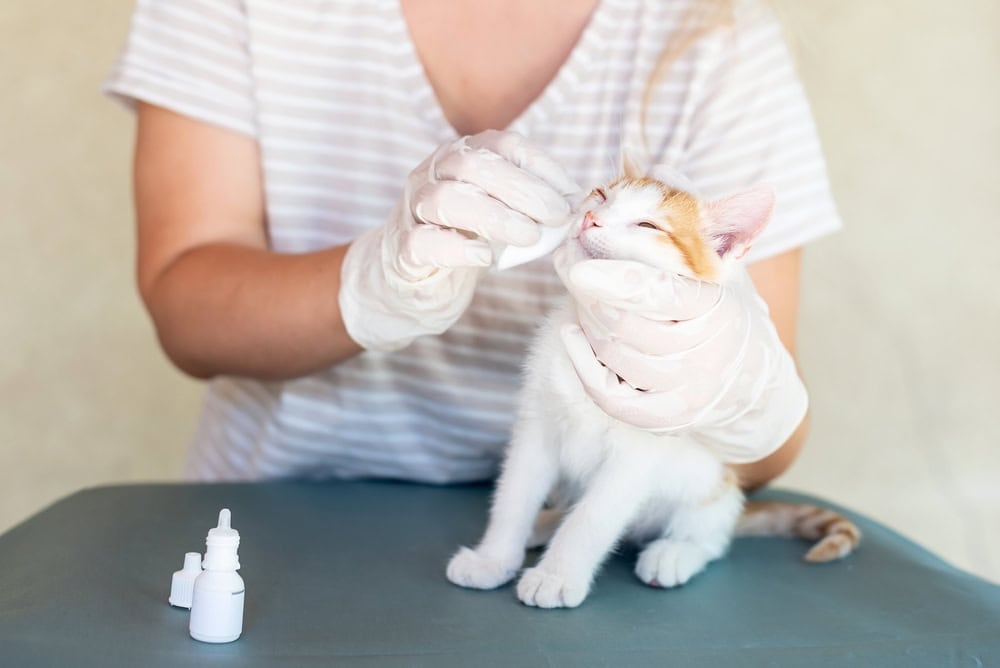
In the initial stages, when the eyes are swollen, sore, and weepy, topical drops may also be prescribed to make your cat more comfortable. Discharge or “gunk” should be wiped away from the eyes daily to prevent it from getting stuck and forming crusts in the hair beneath the eyes.
For cats considered at high risk of chlamydial infection, such as those in breeding facilities, catteries, or shelters, a vaccine is available. The vaccine is safe, but may not actually prevent infection. Rather, it reduces the severity of the signs of disease.
Frequently Asked Questions (FAQ)
What is the Prognosis for Cats with Chlamydiosis?
The prognosis for cats with chlamydiosis is very good. This is not a life-threatening disease, though it can be a bit of a “nuisance” and persist for longer than expected. Cats with severe conjunctivitis can be in significant discomfort.
How is Chlamydiosis in Cats Diagnosed?
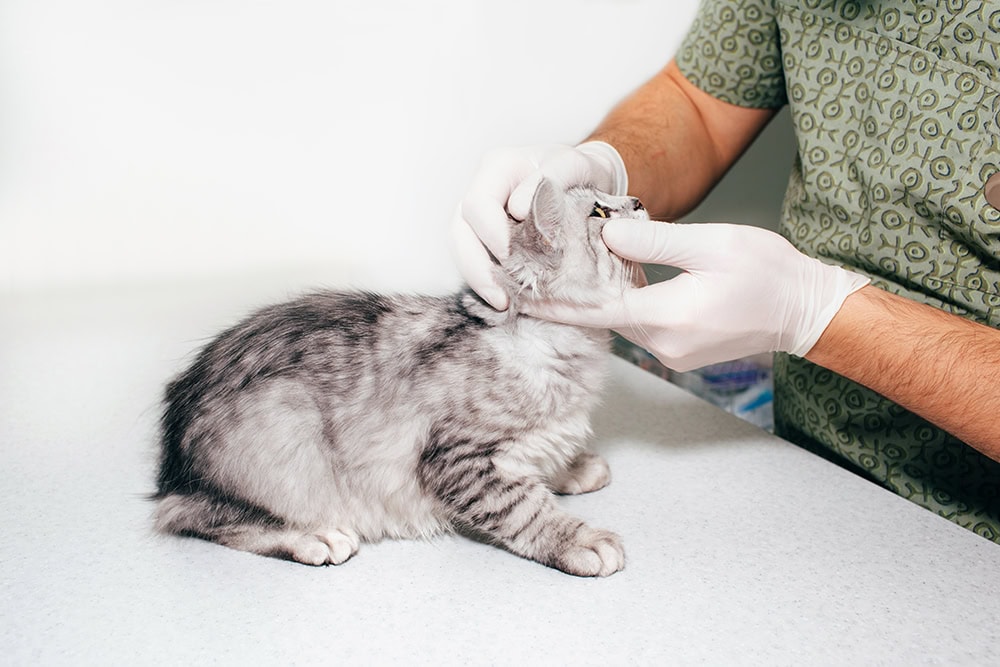
Diagnosis is made by sampling some of the discharge from the conjunctiva. This can be analyzed in-house at most vet clinics, but for a definitive diagnosis, it must be sent off to a laboratory for either culture or polymerase-chain-reaction (PCR) testing.
Can Humans Catch Chlamydia from Cats?
In short, no. Humans can contract their own form of chlamydia, but Chlamydophilus felis is specific to cats. Still, basic hygiene including handwashing is recommended when handling cats with chlamydiosis.
Conclusion
Chlamydiosis is a common bacterial infection in cats that causes conjunctivitis, and occasionally flu-like signs too. While it is not life-threatening, it can cause your cat discomfort, and treatment with antibiotics is often recommended. As infection occurs by direct contact with cats shedding the bacteria through eye and nasal discharge, keeping your cat away from infected cats is important.
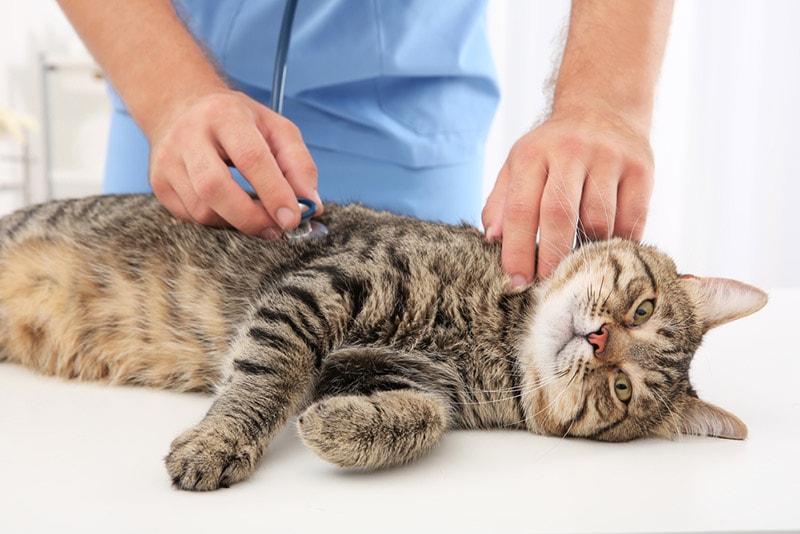
If you’ve noticed any changes to your cat’s eyes, or wish to discuss chlamydiosis further, do not hesitate to contact your veterinarian.
Sources
Featured Image Credit: PixieMe, Shutterstock
Get Hepper In Your Inbox


Pet care tips from our vets and experts, straight to your inbox.
You may opt-out at any time. View our Privacy Policy for more information.
Joe is a veterinarian from Sydney, Australia and has two beautiful Golden Retrievers who love the ocean as much as he does. Joe completed his Bachelor of Veterinary Biology and Doctor of Veterinary Medicine at the University of Sydney in 2020, and his areas of particular interest include internal medicine, wound management and oncology. His passion for veterinary medicine comes not only from helping pets, but also from helping their owners and working with wonderful teams of people. When he's not working, you can find Joe exercising, cooking, and exploring Australia’s wilderness. He has worked for 2 years at a busy mixed practice on New South Wales’ mid-north coast, treating animals of all sizes.
Joe is a veterinarian from Sydney, Australia. He has two beautiful Golden Retrievers who love the ocean as much as he does. When he's not working, he can be found exercising, cooking, and exploring Australia’s wilderness.
Education
Joe received a Bachelor of Veterinary Biology and Doctor of Veterinary Medicine from the University of Sydney in 2020.
Experience and Interests
Joe has worked for 2 years at a busy mixed practice on New South Wales’ mid-north coast, treating animals of all sizes. The areas of particular interest to Joe include internal medicine, wound management, and oncology. His love for the profession comes not only from helping pets but also from helping their owners and working with wonderful teams of people.
Join the conversation
Ask a question, share your story, or send private feedback.