Hepper is reader-supported. When you buy via links on our site, we may earn an affiliate commission at no cost to you. Learn more.
Do Dogs Need Snow Boots? How to Keep Your Pup Safe in Winter


In this article
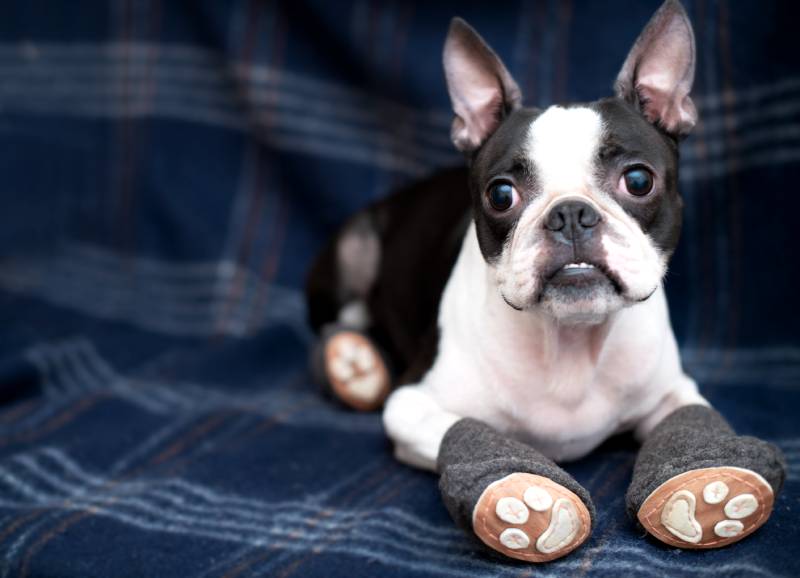
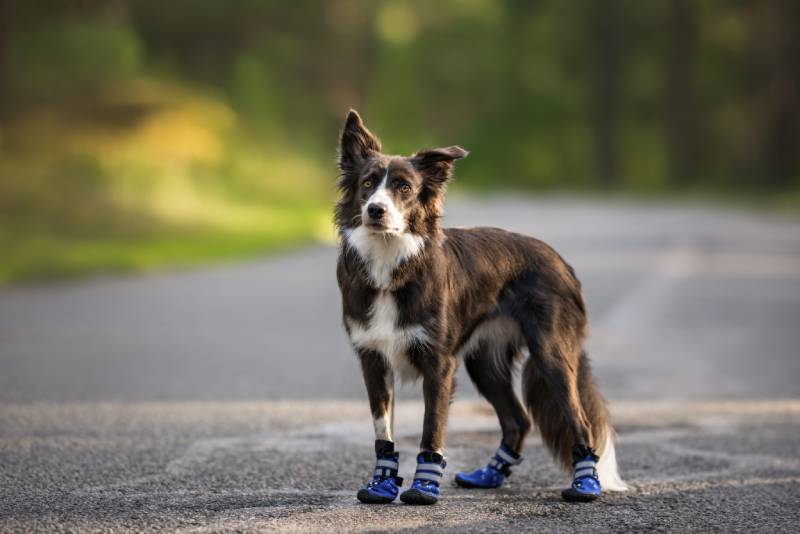
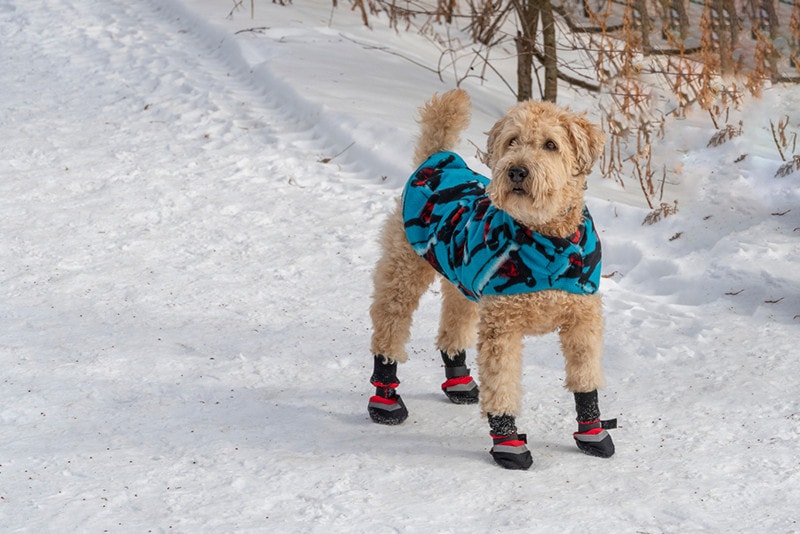
Do you live in an area with harsh winter conditions? You may wonder if your dog needs to wear snow boots when the temperature drops or when there's snow and ice on the ground. The answer is that snow boots are effective at protecting your dog’s paws from extreme ground temperatures as well as salt and de-icing chemicals. Let’s look at how you can tell your pup should wear snow boots, how to choose the right ones, and how to help your dog adjust to wearing them.

The Telltale Signs Your Dog Needs Snow Boots
There are a few signs that it’s time you should fit your pup with dog boots. Any of these could indicate that your dog’s paws are uncomfortably cold, they’ve become cold because their paws are, or the cold is making their paws chapped and raw.
Signs Your Dog Needs Snow Boots
If your dog is recovering from an injury, especially a paw injury, it’s especially important to protect them from the cold. Even mild cold temperatures could exacerbate an existing injury. Older dogs may be more susceptible to cold temperatures, so boots and a warm jacket may be necessary.
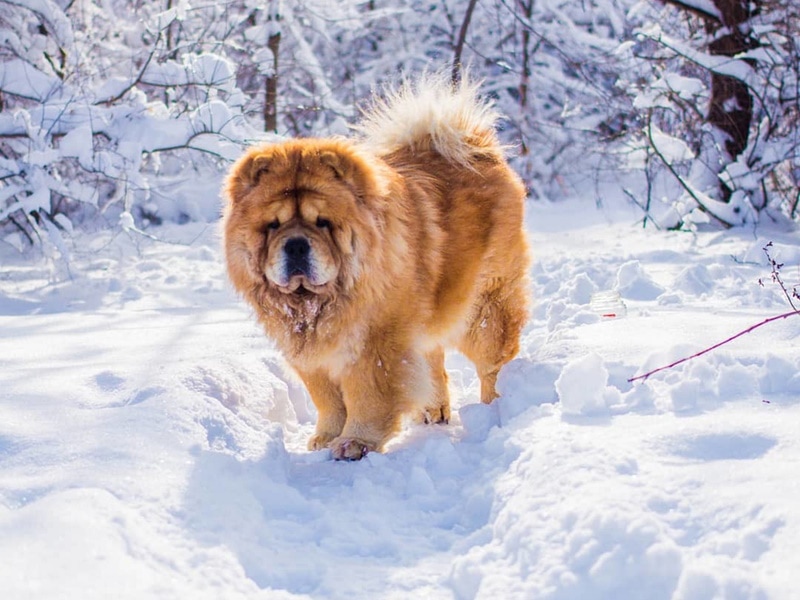
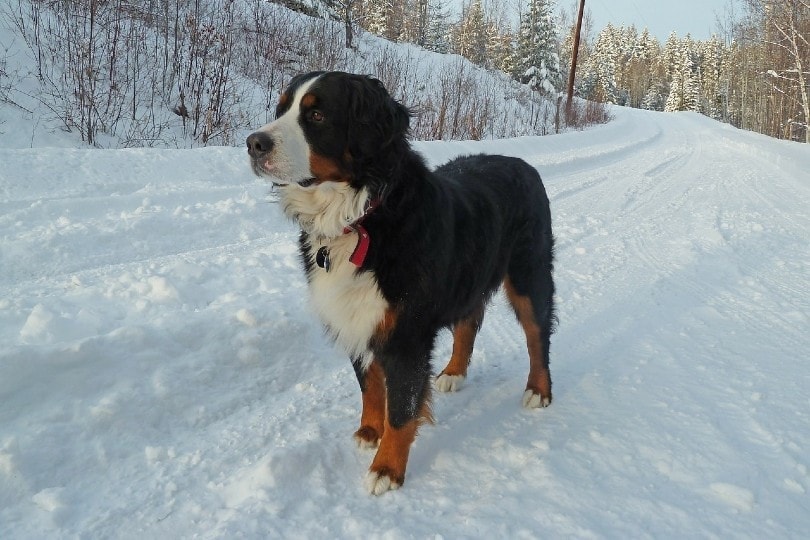
Some dog breeds, like the Husky, Bernese Mountain Dog, and Great Pyrenees, do exceptionally well in cold weather. However, you should still look for signs that they should be wearing boots and consider the additional benefits.
Benefits of Dog Boots
Snow boots protect your pup’s paws from extreme cold. However, they can also safeguard them from the damaging effects of salt and chemical de-icers. They are harmful to their paws and can pose a threat should your dog lick the chemicals during grooming.
Boots aren’t necessarily a wintertime accessory. There are many benefits to wearing them year-round in the right environment:
Wearing boots is especially beneficial when protecting existing injuries in any environment but can be most important in the harshest winter conditions.

Choosing the Right Dog Boots
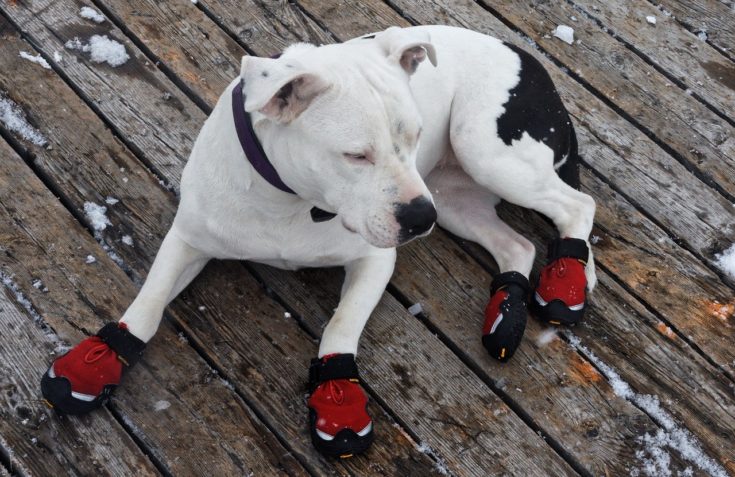
The ideal dog boots will vary depending on your location and where you intend to use them. You may have several sets on hand for various weather or excursions. For example, snow boots should have a much stronger tread than rain boots. All soles should be flexible to give your pup the most natural walking feel and help them adjust as easily as possible.
Other features you should consider include a waterproof upper material and an easy-to-use, adjustable Velcro strap. Some dog owners choose to pair dog boots with a set of socks to wear underneath. This can make them more comfortable and much warmer in cold environments.
Dog Boot Tips
Humans grow up wearing socks and shoes from a young age, so it feels perfectly natural for us. Dogs don’t, so they’ll need time to adjust. Remember, this is a process, and it may take a while. Some pups may take to wearing boots fairly quickly, while others could need extra time. The key is patience.
- Handle Their Paws - Not all dogs like people touching their paws, so this first step may take the longest. While they are comfortable sitting with you or relaxing on the floor, gently touch the tops of their paws or toes. If they pull their paw away, let them. But if they allow it, offer them a small treat while you keep your hand on the paw. Eventually, this action will become natural, and they won’t pull away. If they pull the paw away, you just need to ignore it and stop touching your dog for a short while. Try again, gently starting by the leg. Make sure you offer a treat if they allow you to touch the paw without moving away. Once this happens, gently take hold of their paw. Once again, they may pull away, and that’s okay. If they don't, offer them a small treat. You should repeat this process with all four paws in multiple sessions over several days until they are secure with you handling their paws.
- Introduce the Boots - You should introduce the boots slowly. If your pup doesn’t know what they are, they likely won’t feel comfortable with you placing them on their paws. Let them smell the boots. Leave them out near their food and water dishes or their bed, although you shouldn’t encourage them to treat them like toys. Once they no longer react to them as something new, you should be able to continue to the next step.
- Start With Front Paws - It may be easier to start with only the front paws. Remember to offer your dog a small treat for every milestone achieved in a calm manner. The first milestone would be to touch the paw with the boot while you are holding the paw. Progress slowly until you manage to put the boot on. The front paws are the easiest to place and for your dog to walk in. Once they are more comfortable with the front paws, you can move to the back paws.
- Short Periods Only - Remember that the snow boots are completely new, and it will take time for your pup to learn how to walk in them. Allow them to walk only indoors and for short periods at first. Once you see them walking normally and even playing as if wearing them is natural, try walking them outdoors to see how they react. Remember that short walks are best until they no longer react to wearing them.
- Repeat if Necessary - If your dog isn’t adjusting well to wearing boots, you may need to start again with step one and take more time getting them used to having their paws touched and the boots put on.
- Try Different Boots or Paw Socks - It could be the style of boots causing trouble if your dog isn’t adjusting to them. You may also want to try paw socks before transitioning to boots. They are easier to walk in and feel less restrictive. You wouldn’t want to wear uncomfortable socks or shoes, and the same is true for your dog. Trying something different might do the trick.

Other Paw Care Recommendations
Snow boots can help protect their paws during winter and other harsh conditions. However, you can do more to help keep their paws healthy year-round. Be sure to include these steps as part of their regular grooming routine.

Final Thoughts
There you have it. Dogs can benefit from wearing snow boots in cold temperatures as well as snow and ice. Be sure to take your time helping your pup adjust to wearing them so they can enjoy their time outdoors just as much as you do. After you walk your dog, you can clean its paws and apply a canine-friendly wax to its pads to keep them healthy.
Featured Image Credit: Wilfried Santer, Pixabay
Get Hepper In Your Inbox


Pet care tips from our vets and experts, straight to your inbox.
You may opt-out at any time. View our Privacy Policy for more information.
Krysha is a proud mom to Shelly, a tortoiseshell “Tortie” rescue kitty that loves to talk back, especially if I’m late with breakfast. Shelly’s big personality, despite her small stature, has been a driving force behind my ambition to spread awareness about local shelters and the small things residents, support groups, and non-profits can do to support them. Growing up, Krysha experienced the care of many pets, from cats and dogs to turtles and small lizards to hamsters and tropical fish.
Krysha is a freelance content writer specializing in pets, travel, and wellness. Her writing career began in 2009 while still studying English and Creative Writing at the University of Nevada, Las Vegas. Now, her creative writing skills combine with technical SEO experience to provide high-quality blog and web content for eCommerce and service-based websites.
Join the conversation
Ask a question, share your story, or send private feedback.