Hepper is reader-supported. When you buy via links on our site, we may earn an affiliate commission at no cost to you. Learn more.
Is Ice Melt Safe for Dog Paws? Vet Reviewed Facts & Tips


In this article
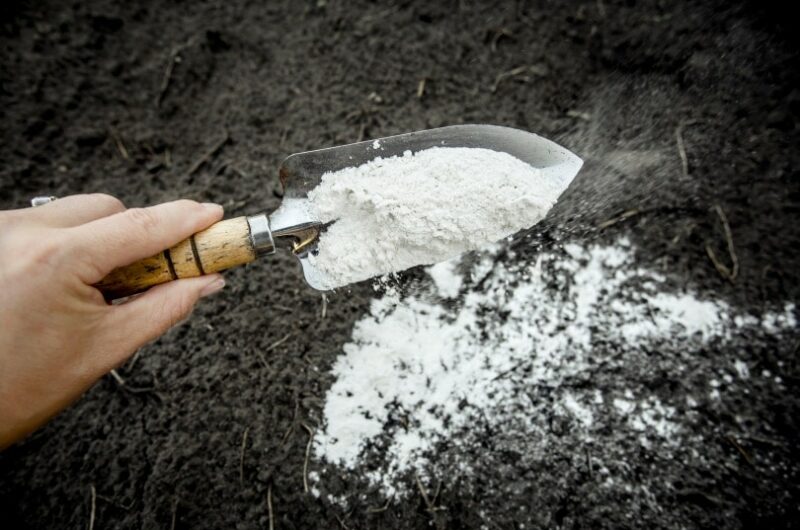
Ice melts are typically not safe for dog paws. While melting products are an easy way to prevent potentially dangerous icy situations, they can dry out your dog’s paws and are potentially toxic.
The most common ice melt product is rock salt. However, many different kinds of products can be utilized, including sodium chloride, calcium chloride, potassium chloride, and magnesium chloride. Any exposure to these salts is considered potentially harmful to dogs.
Not only does it dry out their paws (causing cracks and potential infections), but it can also be toxic when consumed. Many salts can cause salt toxicity, which is a potentially deadly condition. Certain types are more dangerous than others.
Your dog may never consume ice melt on purpose. However, if it gets on their paws, there is a good chance they may consume some when grooming themselves. Therefore, it is often best to limit exposure as much as possible by using booties and washing your dog’s feet after a trek in the snow.

The 5 Ingredients Used in Ice Melts
Ice melt, or de-icer, is used to melt ice and snow on sidewalks, driveways, and roads. It can be made of several different ingredients. Therefore, you must consider the exact ingredients in an ice melt to determine how dangerous it may be for your dog.
1. Sodium Chloride
Sodium chloride is an extremely common ice melt that isn’t safe for dog paws. It’s very effective at melting ice. However, it can be potentially harmful to your canine. The salt is dangerous, and the salty water it creates can also be harmful.
Ingesting too much sodium chloride can lead to salt toxicity, which can cause dehydration, seizures, and death. There isn’t a cure for this condition, either. You just have to wait it out, though supportive care can help reduce the chance of complications.
You should keep your pet away from any area treated with this ice melt.

2. Calcium Chloride
Calcium chloride is more expensive, but it is also more effective than rock salt. Plus, it’s also less of a potential problem for dogs, cats, and plants. Therefore, it’s often billed as a “pet-safe” ice melt. However, this doesn’t mean it’s completely safe.
It can be dangerous if ingested in large quantities. Luckily, most dogs won’t ingest enough if they’re just licking their paws. Drinking water contaminated with calcium chloride, licking the ground, or getting into the package can still be dangerous.
Plus, it can also hurt your dog’s paws.
3. Magnesium Chloride
Magnesium chloride is often billed as a safe alternative to rock salt and calcium chloride. It’s much less harmful to pets and may even be safer for certain surfaces. It’s also less likely to harm the local wildlife, including fish and aquatic plants.
With that said, it can cause gastrointestinal upset if consumed. Some dogs may be more sensitive to it than others. Luckily, the risk of toxicity is much lower than it is with most other types of ice melts.
With that said, you should always follow the instructions on the package, as using too much increases the risk of toxicity. You should also keep your dog away from treated areas, as exposure can dry out their paws.
4. Potassium Chloride
Potassium chloride is often considered one of the safest ice-melt products for dogs. It’s often the primary ingredient in many “pet-safe” ice melt products. It works by lowering the freezing point on the ice, which helps it to melt faster. However, it’s also less effective than other options on this list, which may not make it practical in all situations.
Ingesting small amounts of potassium chloride shouldn’t be a problem for most dogs. However, large amounts can lead to health problems like salt toxicity. Minor cases of toxicity will cause stomach upset, vomiting, and diarrhea. However, very serious cases can cause tremors and seizures. Death is extremely rare but theoretically possible.
We recommend keeping pets away from areas treated with this ice melt, even if it is safer than other options. It isn’t completely safe, as it can cause chemical burns and irritation on your dog’s paws.
5. Urea
Urea is also considered one of the safer ice melts. It’s often utilized in areas where other types of melting products would harm the environment. Therefore, it’s also very safe for dogs.
It isn’t considered toxic and can’t cause salt toxicity. However, ingesting it can still upset your dog’s stomach, though this often requires the dog to consume quite a bit. It can cause vomiting and diarrhea if your pet consumes much of it.
With that said, this ice melt isn’t the most effective option and is often expensive. There is a reason it isn’t used as the primary ice melt ingredient in most cases.

How Does Ice Melt Affect Dog Paws?
Most types of ice melt can affect a dog’s paws by drying them out. Not all ice melts do this, as we discussed above. However, rock salt is the most common ice melt and is extremely drying on dog paws.
Some ice melt products can cause chemical burns if left on a dog’s paws long enough. If the dog walks on treated surfaces often, the risk is increased. Therefore, it’s best to avoid treated areas. Cold weather can cause dryness, and ice melts often exacerbate this problem. Salt is drying, and the salt on your dog’s paws is no different. Luckily, dryness typically only occurs if the salt sits on your dog’s paws for a while.
How to Protect Your Dog’s Paws from Ice Melt
We can’t control how our neighbors or the city treats the roads or sidewalks. However, there is a lot we can do to prevent potential side effects in our dogs.
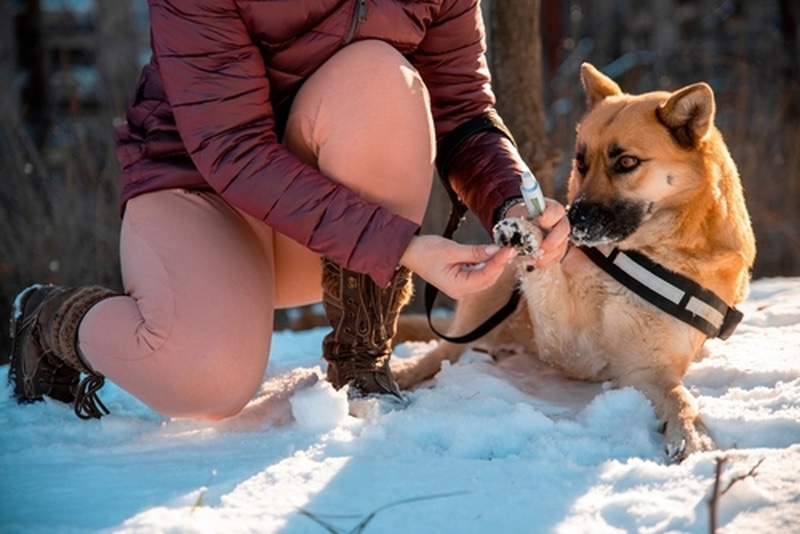
Always wash your dog’s paws after walking on a treated surface. This reduces the chance of dryness and burns, as well as ingestion. You can reduce many effects by reducing the time the melt sits on your dog’s paws. Long hair can trap ice melt and snow, making cleaning your dog’s paws more challenging. Therefore, you should trim your dog’s paw hair to reduce this risk.
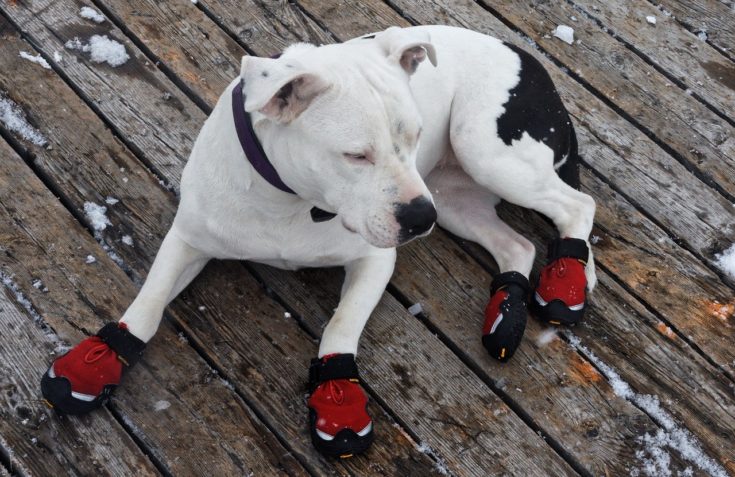
You can also use dog booties, which prevent the ice melt from contacting your pet directly. It often takes a dog some time to get used to these booties, but they can be a lifesaver in places that experience ice for months.

Conclusion
All types of ice melt can be potentially dangerous to your dog. Some types are more dangerous than others, though. Sadly, the most common type of ice melt (rock salt) is also the most dangerous. Therefore, if you’re walking in an area treated with ice melt, the odds of it being able to hurt your dog’s paws are high.
Rock salt can dry out your dog’s paws and potentially cause chemical burns. It’s also toxic if ingested. The best defense is to clean your dog’s paws off immediately after exposure. You should also consider booties, which prevent the salt from directly contacting your dog’s feet.
Also Read:
Sources
Featured Image Credit: Mateusz Sommer, Shutterstock
Get Hepper In Your Inbox


Pet care tips from our vets and experts, straight to your inbox.
You may opt-out at any time. View our Privacy Policy for more information.
Kristin is passionate about helping pet parents create a fulfilling life with their pets by informing them on the latest scientific research and helping them choose the best products for their pets. She currently resides in Tennessee with four dogs, three cats, two fish, and a lizard, though she has dreams of owning chickens one-day!
Join the conversation
Ask a question, share your story, or send private feedback.