Hepper is reader-supported. When you buy via links on our site, we may earn an affiliate commission at no cost to you. Learn more.
How to Protect Your Dog’s Paws in the Winter: 9 Expert Tips
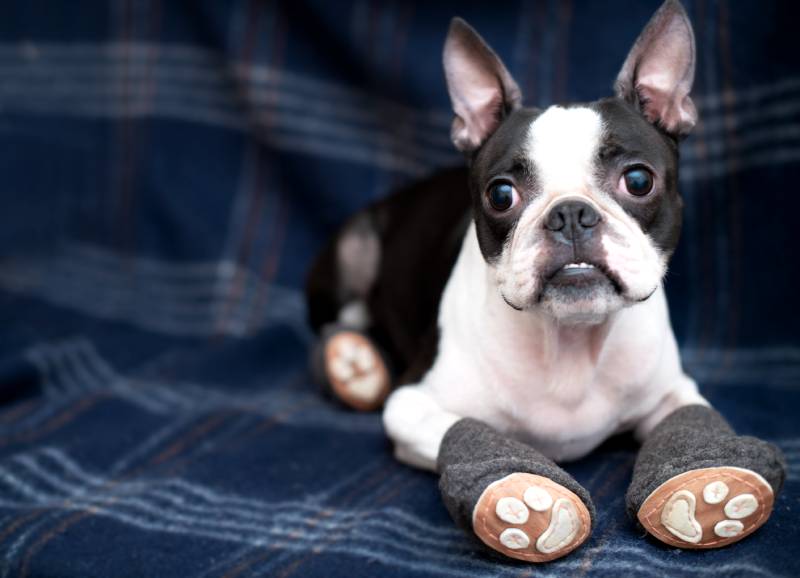
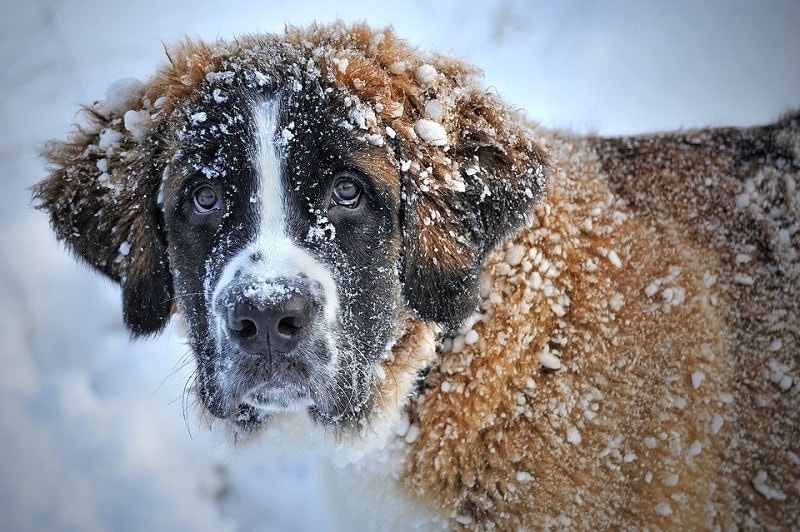
No matter the weather, unless your dog is small enough to use a potty pad, they’ll need to go outside at some point during the day. If you live in a cold climate, the winter months can coat the ground in a mix of ice, sleet, and snow that can be rough on your pup’s feet. Here are nine expert tips on protecting your dog’s paws in the winter, plus why taking these precautions is essential.

The 9 Tips for Protecting Your Dog’s Paws in the Winter
1. Keep Their Path Clear
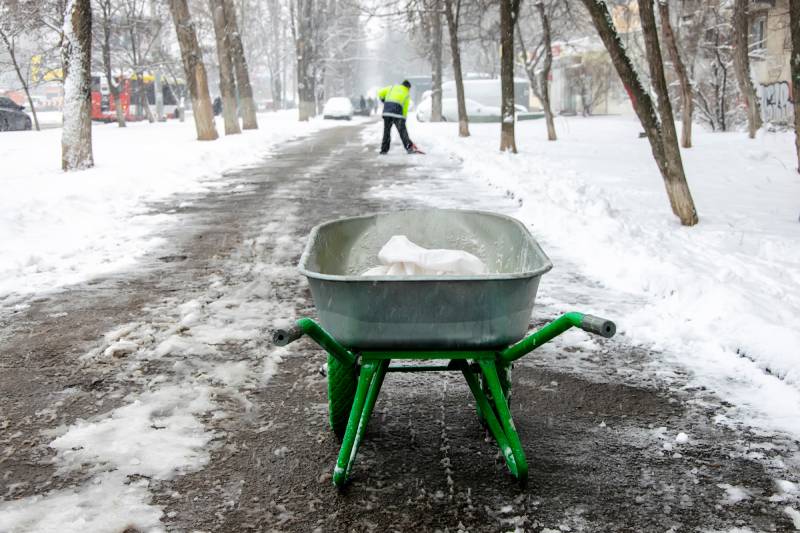
If your dog goes out into the backyard to do their business, protect their paws by shoveling out a path for them to use. Adding a layer of straw can help cushion their feet and reduce mud and dirt tracked back inside. This strategy can be time-consuming and tedious if you live in a location with multiple snowstorms per season. However, encouraging your dog to keep all their mess in one area will make your spring yard cleanup easier.

2. Give Them a Pedicure
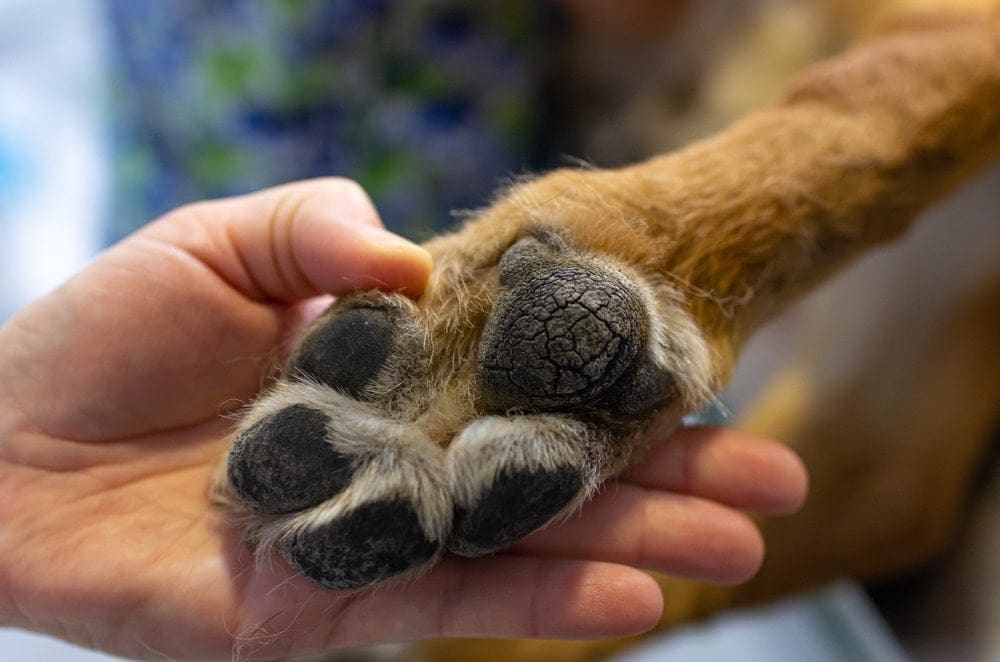
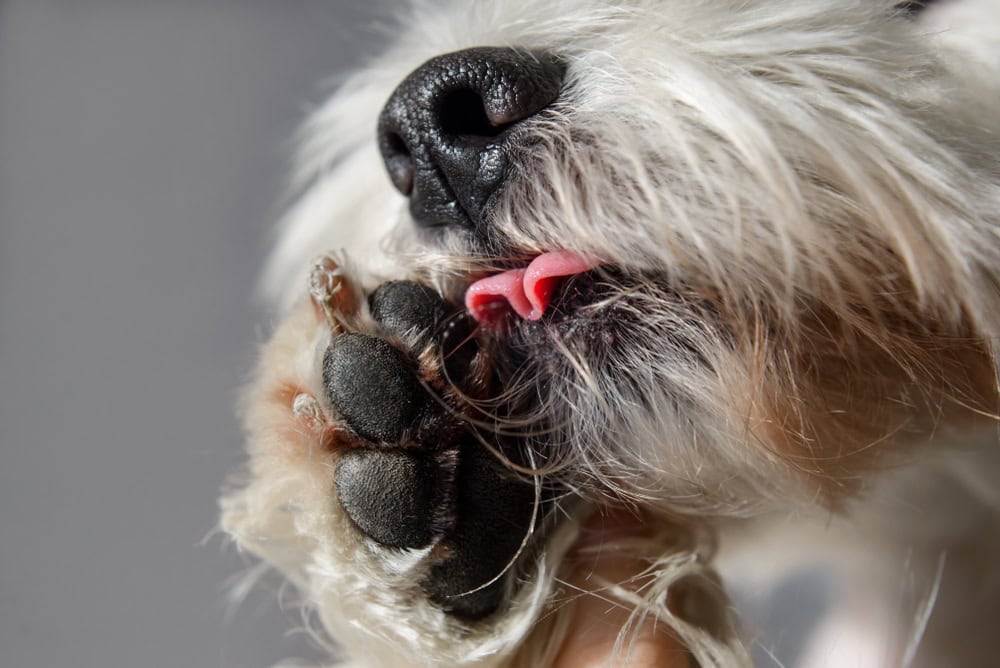
Keeping your dog’s paws well-groomed can help protect them when they encounter winter weather. Trim their nails short so they don’t get caught or torn on rough ice and snow. If your dog has hairy feet, keep the fur cut short to avoid ice and snow building up between their toes. Check your pup’s feet every time they come in from outside in the winter to locate and treat any injuries or pad irritation quickly.
3. Keep Walks Short
Frozen sidewalks are not ideal for marathon walks. Protect your dog’s paws by limiting their time in contact with cold or rough surfaces. If you experience periods of milder winter weather, take the opportunity to get your dog some more exercise. Otherwise, stick to short walks and find other, safer ways to help your dog burn energy. If your dog needs to spend more time outside, try one of the other tips on our list to keep them safe.

4. Use Paw Protection Products
Before your dog goes outside in winter, protect their feet by spreading a paw protection product on the surface and between their toes. You can try regular petroleum jelly or purchase specially formulated paw balm or wax. These products provide a protective layer that helps keep snow, ice, and snow melt residue from sticking to your dog’s feet. They can also keep the pads moist and prevent chapping. If you use these products, you’ll need to wipe off your pet’s paws after each walk.
5. Use Dog Snow Boots
The most effective way to protect your dog’s paws is to dress them in snow boots. However, this isn’t the most affordable option because you’ll have to buy and replace the boots when worn out. In addition, some dogs have difficulty adjusting to wearing boots and may not want to walk with them on.
While this may make for hilarious YouTube content, it is not helpful when taking your dog out to pee. If you want to use snow boots, be prepared for a period of training and adjustment with the generous use of tasty treats!

6. Clean Their Paws
If you’re walking your dog over sidewalks and roads treated with salt or chemical deicers, washing their paws is vital as soon as you get home. Ideally, avoid walking your pup over areas that have clearly received these products. Your dog’s paws can suffer chemical burns from some deicing agents. In addition, many are toxic if your dog tries to lick their feet clean and ingests the chemicals. A quick paw bath as soon as you get home can help protect your dog and help them warm up from the chill.
7. Hydration Is Key
If you struggle with dry skin in the winter, you know the combination of cold air outside and warm inside can be troublesome. Your dog’s paws can also suffer if they get too dry. Keeping your dog hydrated can help protect their feet by keeping the pads moist.
Make sure your dog has plenty of water, especially if you’re spending extended periods outside in the cold. Pack water, and don’t expect your dog to stay hydrated eating snow. At home, try using humidifiers to keep the air moist. This tip can benefit you and your dog.

8. Keep Your Dog Warm
When it’s cold out, your dog’s body automatically tries to keep their vital organs warm before their legs and paws. This means shifting circulation away from the extremities and into the core if necessary.
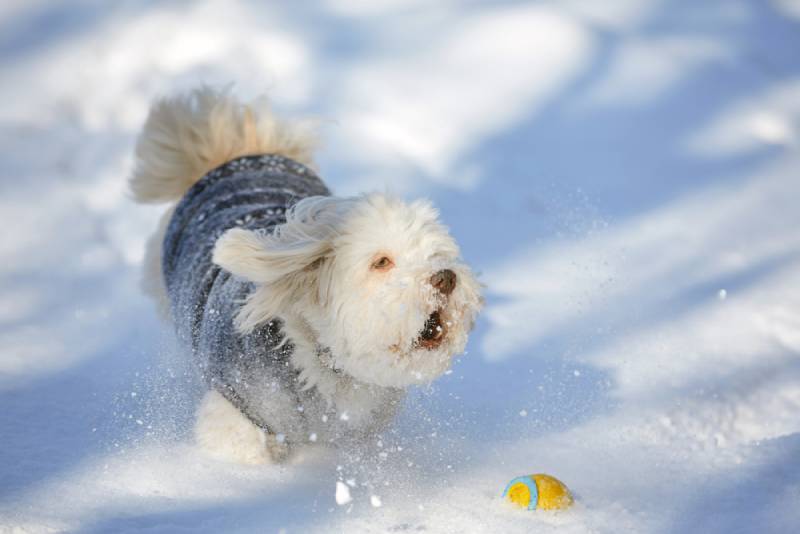
While this step can help your dog survive, if necessary, it makes it more likely that your dog’s paws may become injured or develop frostbite. Dressing your dog in a sweater or jacket can add a layer of warmth to their core. This precaution helps protect your dog’s paws by keeping circulation normal because your pup won’t need to work as hard to stay warm.
9. Use Pet Safe Melting Products
If you want to use snow melt or similar products to clear your driveway and sidewalks, choose pet-safe options. Avoid melting products that contain sodium chloride or calcium chloride. Read the product labels carefully or ask your veterinarian for recommendations.
You can also talk to your neighbors and ask them to use safe products. Again, as we mentioned earlier, play it safe by not walking your pup through any areas treated with unknown deicers, and wash their paws when you get home.
Winter Dangers for Your Dog’s Paws
We mentioned chemical burns as a potential hazard for your dog’s paws in winter, but there are also other dangers.
Deicing products and antifreeze could poison your dog if they get onto their paws and are licked off. Your dog’s paws may be cut or injured from walking on sharp ice or hidden rocks under the snow. Like human extremities, a dog’s toes and feet are vulnerable to frostbite.
A dog’s paw pads can become chapped and cracked like your own hands due to the dry winter weather. Even if you protect your pup’s feet, they may slip and fall on ice, especially older dogs with mobility struggles.
Finally, hypothermia can threaten your dog’s paws and whole body.
If your dog spends extended time outdoors in winter, learn the signs of hypothermia:
If you notice any of these signs, your dog must get warm. If you’re concerned about your dog’s paws or a cold weather injury, it is time for a trip to the vet.
Conclusion
Whether your dog loves cold weather or barely tolerates it, their paws are at risk anytime they spend time outside in the winter. These nine expert tips can help protect your dog’s feet and avoid injury in the winter. If you plan to enjoy some cold weather excursions with your pup, schedule a checkup with your vet first to ensure your pet is healthy overall.
Sources
Featured Image Credit: Zakharova_Elena, Shutterstock
Get Hepper In Your Inbox


Pet care tips from our vets and experts, straight to your inbox.
You may opt-out at any time. View our Privacy Policy for more information.

A lifelong lover of all creatures great and small, Elizabeth got her first cat at 5 years old and at 14, she started working for her local veterinarian. After spending more than 20 years working as a veterinary nurse, Elizabeth decided to step away to become a stay-at-home parent to her daughter. Now, she is excited to share her knowledge with our pet parents. Elizabeth lives in Iowa with her family, including her two fur kids, Linnard, a husky mix and Algernon, the worldʻs most patient cat. When not writing, she enjoys reading, watching soccer, and spending time outdoors with her family.
Join the conversation
Ask a question, share your story, or send private feedback.