Hepper is reader-supported. When you buy via links on our site, we may earn an affiliate commission at no cost to you. Learn more.
Do Dogs Need Supplements? Vet-Approved Facts & Tips



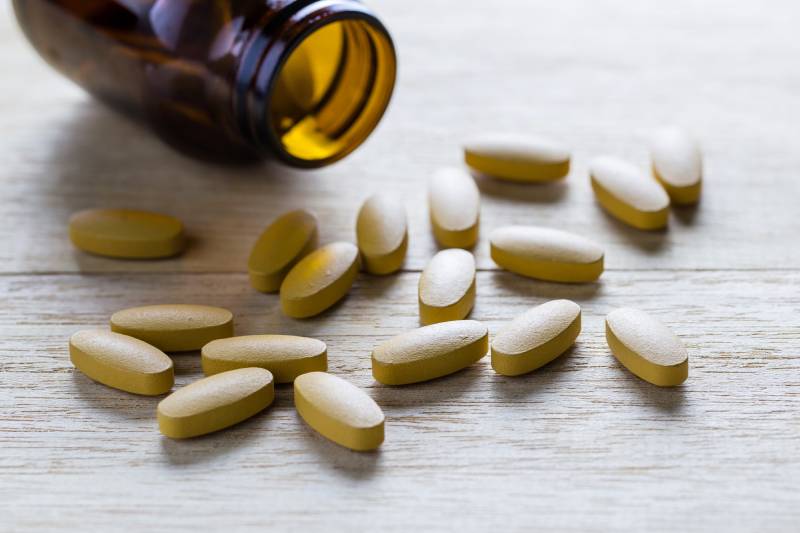
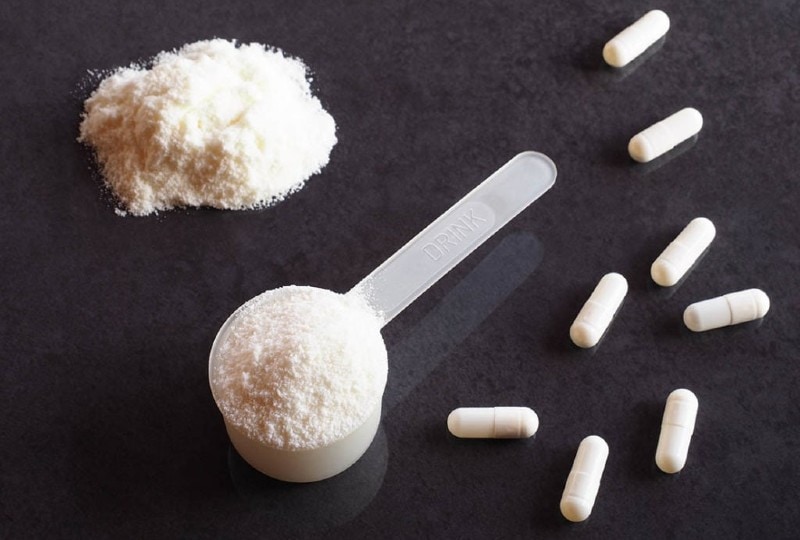
One of the most important jobs that we have as dog owners is keeping our pets healthy throughout their lives. Going on walks together, playing in the house, offering plenty of attention, and providing a quality diet are all things that we do to promote our pet’s good health. To ensure that our dog’s nutritional needs are met, we may even consider providing them with supplements.
But are supplements something that a dog needs to stay healthy? Are supplements beneficial or harmful to dogs? The truth is that dogs that eat nutritionally complete commercial food rarely require the addition of supplements, at least if they are not suffering from any health issues. Here’s what else you should know.

Dog Supplements for Health: Yes or No?
Not all commercial dog food is created equal. High-quality options go through extensive testing and are designed to meet all the nutritional needs of your pooch. Many of these options are designed for a specific stage of life. is higher in nutrients than food made for adults or seniors. Senior dog food contains more of certain vitamins and fewer of others to accommodate their slower lifestyles and a higher need for bone support. Adult dog food is designed to support active lifestyles.
If your dog is healthy and eats a high-quality diet, there is likely no need for supplements of any kind. However, if your pooch suffers from problems like joint pain or skin irritation, supplementation might be beneficial. Lesser quality food can contain artificial ingredients and fillers that are not necessary for a dog’s good health. This leaves less room for the stuff that provides all the nutrients needed for good health. In this case, supplementation can help fill in the gaps. However, it’s best to opt for a more nutritionally complete food before investing in supplements.

Circumstances That Could Create the Need for Supplements
There are a few reasons to provide a dog with supplements for better health and more comfort. For example, glucosamine and chondroitin supplements are often recommended by veterinarians to help lubricate the joints and reduce joint pain. These supplements can also help slow arthritis progression. Other circumstances that might justify the use of supplements include:
Choosing Supplements for Your Pooch
It is extremely important to work with your veterinarian when deciding whether to give your dog supplements. Your vet can do a blood test to determine if your dog is deficient in any vitamins or minerals and if supplementation would improve any health problems. If supplementation is necessary, your veterinarian will recommend the types to be used and help you create a supplementation schedule to follow at home. Your vet will likely want to do testing again after a few months to find out if the supplementation is working and if so, how well.

Dangers to Consider When Giving Your Dog Supplements
Vitamins and minerals are essential for your dog’s good health, but too much of a good thing can lead to toxicity and health problems. For example, too much vitamin A can result in the development of symptoms such as vomiting, irritability, and skin peeling. Over-supplementing your dog with vitamin A can also lead to problems like a rough coat, weight loss, and even painful movement as time goes on.
Too much vitamin D can lead to problems like kidney failure. If your dog takes supplements with too much iron in them, poisoning can occur that results in diarrhea, depression, fever, and liver failure. Therefore, you and your veterinarian must be aware of exactly how much supplementation your dog is getting at any given time. You should never just start giving your dog supplements because you feel that they need them, as you could end up doing the wrong thing.
Final Thoughts
Supplements can be beneficial to dogs but only under certain circumstances. If your pooch eats a high-quality diet and your vet says that they are generally healthy, supplementation is probably not necessary for them. If supplements will help your dog, your vet should be the one to let you know which ones and how much based on your pet’s age, lifestyle, activity level, type of diet, and overall health. Keep in mind that any snacks and treats that you give your dog will also provide extra nutrients and might work well as supplements themselves.
Featured Image Credit: Tanya Dol, Shutterstock
Get Hepper In Your Inbox


Pet care tips from our vets and experts, straight to your inbox.
You may opt-out at any time. View our Privacy Policy for more information.
Rachael has been a freelance writer since 2000, in which time she has had an opportunity to research and write about many different topics while working to master the art of fusing high-quality content with effective content marketing strategies. She lives off the grid in Hawaii with her husband, her garden, and her rescue animals including 5 dogs, a cat, a goat, and dozens of chickens. She is an artist at heart and loves to read, paint, and make jewelry in her spare time. As a vegan, Rachael is obsessed with helping animals in need both in her community and anywhere in the world where she feels she can make a difference. Animals also happen to be her favorite topic to write about!
Join the conversation
Ask a question, share your story, or send private feedback.