Hepper is reader-supported. When you buy via links on our site, we may earn an affiliate commission at no cost to you. Learn more.
Probiotics for Dogs: Vet Reviewed Uses, Benefits & FAQ


In this article
Probiotics have made a name for themselves in the last few years, and studies have been coming out left and right touting their benefits for people. Has science shown any benefits for dogs taking probiotics, though?
Yes! Studies have shown that probiotics for dogs can be effective at helping to manage a variety of conditions, including certain digestive and behavioral problems. It seems that we’ve really just scratched the surface of uncovering just how effective probiotics can be for dogs.

What Are Probiotics?
Probiotics are microorganisms, including beneficial bacteria and yeast, and there are lots of different microorganisms that are used in probiotics. There are also different combinations and concentrations of microorganisms available. Human probiotics and dog probiotics are often not the same because dogs have a completely different microbiome than humans, so it’s important to stick to dog probiotics for your pup.
You may often see probiotics and prebiotics mentioned alongside each other, and this is because these two things work best together. Prebiotics are compounds, usually a source of specific types of fiber, that are the ideal meal for the microorganisms that make up probiotics, and they are most effective at supporting probiotics in the digestive system. Prebiotics provide nutritional support to the probiotics, allowing them to grow and multiply, replenishing a healthy microbiome.
How Are Probiotics Given?
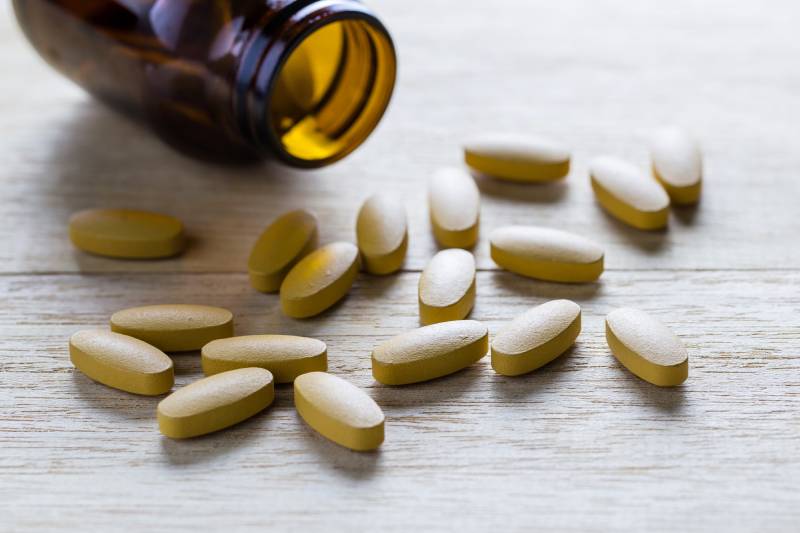
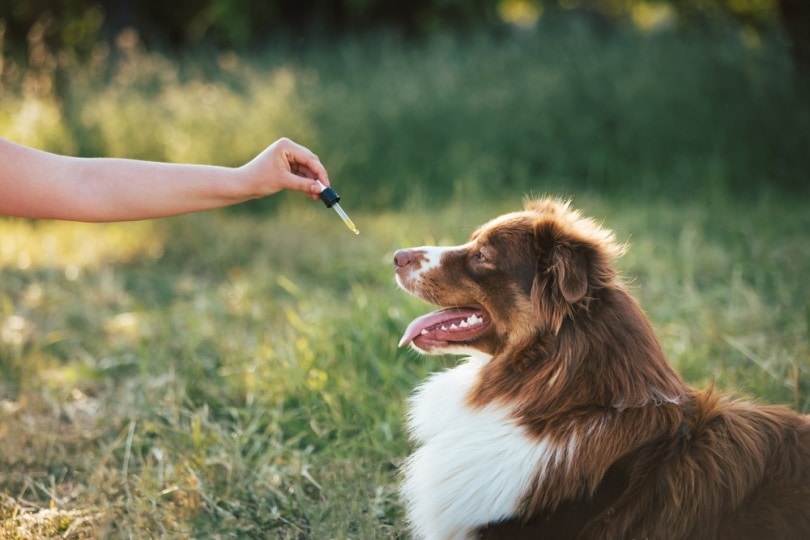
Probiotics are available in multiple forms, with capsules being the most common, but you may spot them in powders and foods. Some probiotics require refrigeration to support the microorganisms, but many are shelf-stable. Always check your dog’s probiotics to verify the necessary storage environment. Keeping a refrigerated probiotic at room temperature for too long can allow the microorganisms to die, rendering the probiotic ineffective.
Probiotics are typically given once daily, but the amount given will vary depending on the specific probiotic your dog is getting. Powders are often mixed in with food, and capsules can usually be opened and mixed into food as a loose powder. They can be given to help remedy an active condition or given in advance as a preventive measure against problems, like before a stressful event that may lead to digestive upset.

What Happens if You Miss a Dose?
Missing a single dose of a probiotic is unlikely to have a negative effect. Oftentimes, probiotics are given for a limited period to support the recolonization of beneficial microorganisms, so it’s best to try not to miss any doses. However, missing a dose or two isn’t going to lead to notable problems. Missing several doses of probiotics, though, can allow for whatever condition the probiotics are being used to support to begin to flare back up.
Potential Side Effects of Probiotics
Although the negative side effects of probiotics are uncommon, they can lead to some stomach upset. This is most likely to occur with probiotics that are formulated to support the digestive system.
Signs of side effects of probiotics include:
In many cases, side effects of probiotics are experienced shortly after starting them, while the microbiome is fighting to be replenished. Typically, these uncomfortable effects get better within a couple of days.

Frequently Asked Questions (FAQ)
What conditions have studies indicated that probiotics may help treat or support?
- Anxiety
- Skin allergies
- Poor coat
- Diarrhea
- Intestinal inflammation
- IBS
- UTI
- Liver disease
- Immune system conditions
- Obesity
Can immunocompromised dogs take probiotics?
This should be discussed in depth with your vet, and if your dog is under the care of a specialist, make sure to talk to them about it. While probiotics may support the immune system, immunocompromised dogs may suffer negative effects from the introduction of bacteria, even if it’s beneficial bacteria.
Are human probiotics safe for dogs?
While they are safe for most dogs, human probiotics are very unlikely to be effective for your dog. The microbiome differences between the two species are too significant.

Final Thoughts
Probiotics have shown great promise in supporting dogs with a variety of health conditions. New science is regularly coming out supporting the efficacy of probiotics. If your dog is having any issue that you think they may need probiotics for, though, make sure to talk to your vet. It’s important to ensure that there isn’t an underlying medical condition that needs to be addressed.
Talk to your vet about an appropriate probiotic for your dog. Since there are multiple types of probiotics, it’s important to find the right one for your dog’s condition. Otherwise, the microorganisms may be ineffective.
Sources
Featured Image By: Chendongshan, Shutterstock
Get Hepper In Your Inbox


Pet care tips from our vets and experts, straight to your inbox.
You may opt-out at any time. View our Privacy Policy for more information.
After nine years as a veterinary assistant, Brooke Billingsley transitioned to a career as a nurse in 2013. She lives in Arkansas with her boyfriend, sharing their home with three dogs, two cats, five fish, and two snails. A dedicated animal lover, Brooke has a special place in her heart for special needs pets, including a three-legged senior dog and a famous cat with acromegaly and cerebellar hypoplasia. Fish keeping is one of her hobbies, and she is constantly improving her knowledge to care for her aquarium pets. Brooke is an active yoga enthusiast, having obtained her 200-hour yoga teacher certification in 2020. She believes in the importance of continuous learning and dedicates time each day to developing new skills and expanding her knowledge.
Join the conversation
Ask a question, share your story, or send private feedback.