Hepper is reader-supported. When you buy via links on our site, we may earn an affiliate commission at no cost to you. Learn more.
Can My Dog Take Too Much Glucosamine and Overdose? What Science Says


In this article
If your dog suffers from joint pain, you’re probably familiar with glucosamine supplements frequently prescribed to pets with the condition. Because it is a supplement and not a drug, many dog owners may assume that glucosamine is always safe and not worry much about the appropriate dosage. However, your dog can take too much glucosamine and overdose, with dangerous results.
In this article, we will discuss how glucosamine overdoses can happen and the dangers of taking too much of the supplement. We’ll also cover some basics about glucosamine, including how it benefits your dog and its recommended dosage for dogs.

Glucosamine: How Overdoses Happen
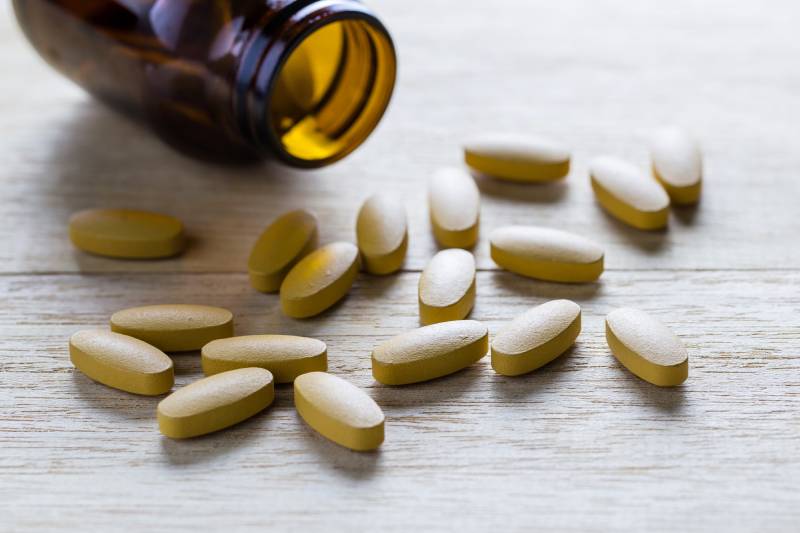
Traditionally, glucosamine supplements were considered safe for dogs because they typically cause minimal side effects. While limited safety information is available, some studies determined that the deadly dose of glucosamine is relatively high (8000 mg/kg or about 16,000 mg/lb.)1 However, a case study from 2015 reported a fatal glucosamine overdose in a dog that ate only about a quarter of that amount.2
In the United States, joint supplements are not well-regulated. Because of this, there’s no guarantee that the products contain the amount of glucosamine they claim on the label. Without accurate information, dog owners cannot know how much glucosamine their pet takes, which increases the risks of accidental overdose.
Unregulated glucosamine supplements could also contain other ingredients toxic to dogs that could complicate matters.
What Happens If My Dog Overdoses on Glucosamine?
According to Pet Poison Control and the previously mentioned case study, glucosamine overdoses primarily cause liver damage and failure. Liver failure from glucosamine supplements has been reported in dogs and humans. Glucosamine overdoses in dogs are generally the result of the pup helping themselves to too many pills.
Early signs of glucosamine overdose are not specific and may be mistaken for other conditions.
Signs of Glucosamine Overdose:
As the dog’s liver is impacted, which in turn leads to bleeding issues, more serious signs may develop, including:
- Jaundice (yellow skin, gums, and eyes)
- Bruising
- Swollen belly
- Belly pain
Liver failure is difficult to treat and usually requires hospitalization for fluids, liver-protecting medications, blood work to measure liver function, and sometimes blood transfusions. Contact your veterinarian immediately if you suspect that your dog has eaten excessive glucosamine.

The Benefits of Glucosamine
Glucosamine has anti-inflammatory properties and is one of the cartilage’s building blocks. Most glucosamine supplements contain another substance, chondroitin, that also helps build joint cartilage.
While there aren’t many studies examining how well glucosamine supplements work, the ones available indicate that it is effective in helping manage joint pain and arthritis. Vets and owners of dogs with joint pain widely seem to notice an improvement when using glucosamine, even if the studies are still catching up with the observations.
Glucosamine Dosage for Dogs
While more research is needed to determine effective doses of this supplement, a common glucosamine dosage for dogs is 15 mg/kg or 30 mg/lb. However, vets usually suggest giving a loading (increased) dose for 4-6 weeks because it can take a long time for glucosamine to build up to an adequate level in the dog’s body. Loading doses are generally double the recommended amount but check with your vet to confirm this.
Because glucosamine takes so long to reach the proper levels to help your dog, you’ll likely need to serve it consistently for at least 6 weeks to tell if it’s working.
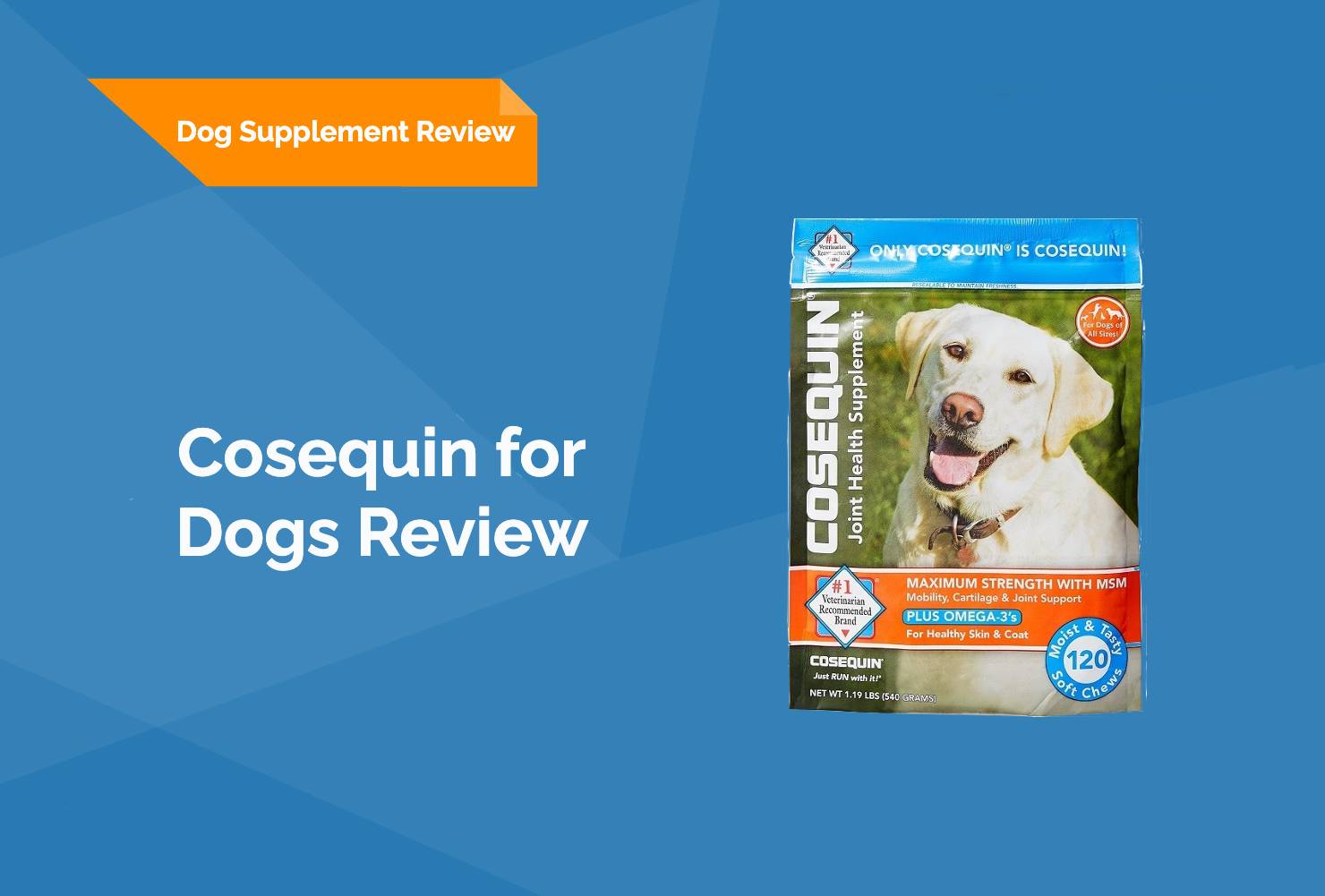
Several dog-specific glucosamine and chondroitin supplements, such as Cosequin, are also options for your pup. Ask your vet for help determining the best product and how much glucosamine your dog should be taking.

In Conclusion
While widely considered a safe supplement, your dog can overdose on glucosamine if they consume too much. Glucosamine overdoses can lead to liver failure and blood clotting issues and often require expensive and lengthy treatments. Because supplements aren’t regulated by the FDA, you can’t always determine the exact amount of glucosamine your dog is ingesting.
To prevent accidental poisoning, keep your dog’s glucosamine supplements safely locked away, especially if they are a flavored chewable tablet or treat. Never start any new medication or supplement without consulting your veterinarian, including glucosamine. Glucosamine supplements can be beneficial in treating joint pain, but only if you give the correct amount with veterinary approval.
Sources
Featured Image Credit: ElenVik, Shutterstock
Get Hepper In Your Inbox


Pet care tips from our vets and experts, straight to your inbox.
You may opt-out at any time. View our Privacy Policy for more information.
A lifelong lover of all creatures great and small, Elizabeth got her first cat at 5 years old and at 14, she started working for her local veterinarian. After spending more than 20 years working as a veterinary nurse, Elizabeth decided to step away to become a stay-at-home parent to her daughter. Now, she is excited to share her knowledge with our pet parents. Elizabeth lives in Iowa with her family, including her two fur kids, Linnard, a husky mix and Algernon, the worldʻs most patient cat. When not writing, she enjoys reading, watching soccer, and spending time outdoors with her family.
Join the conversation
Ask a question, share your story, or send private feedback.