Hepper is reader-supported. When you buy via links on our site, we may earn an affiliate commission at no cost to you. Learn more.
Dog Pancreatitis Recovery Time: Our Vet Explains How They Get Better

In this article
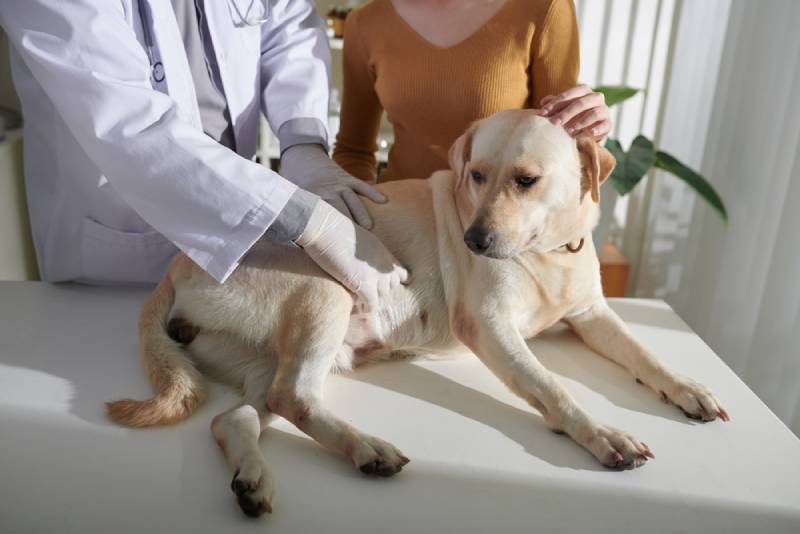
Pancreatitis is an example of a small organ causing big problems. The term means inflammation of the pancreas, which is found in the abdomen next to the stomach.1 "The pancreas produces two important things for the body, enzymes to help digest food and hormones such as insulin.
Pancreatitis is thought to occur when digestive enzymes are activated too early.2 Rather than traveling to the small intestine before they get to work, they're released in the pancreas and start breaking down the organ itself. This causes a tremendous amount of inflammation, which quickly spreads to nearby organs.
Pancreatitis can be acute (happen suddenly) or chronic (repeated bouts over time). It occurs in dogs of all ages and genders. Recovery may take anywhere from several days to weeks.

What Causes Pancreatitis?
The cause of pancreatitis is often not identified in dogs, but certain factors may play a role:
- Breed predisposition (e.g., Miniature Schnauzers)
- Eating a high-fat diet
- Being overweight or obese
- Certain toxins (e.g., chocolate, zinc, organophosphates)
- Blockage of the pancreatic duct or common bile duct (e.g., due to trauma, gallstones, tumors)
- Some medical conditions (e.g., diabetes mellitus, hyperadrenocorticism, hypothyroidism)
How Is Pancreatitis Treated?
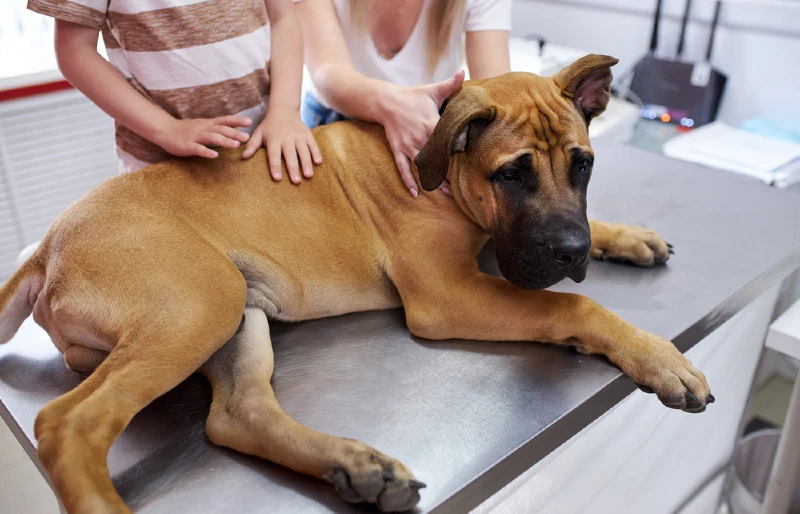
Dogs with mild pancreatitis can sometimes be managed as outpatients, but many require a hospital stay until they are eating readily on their own and able to take medication by mouth.
The principles of treatment include:
Dogs with severe pancreatitis may require surgery due to abscesses in the pancreas or bile duct blockage.
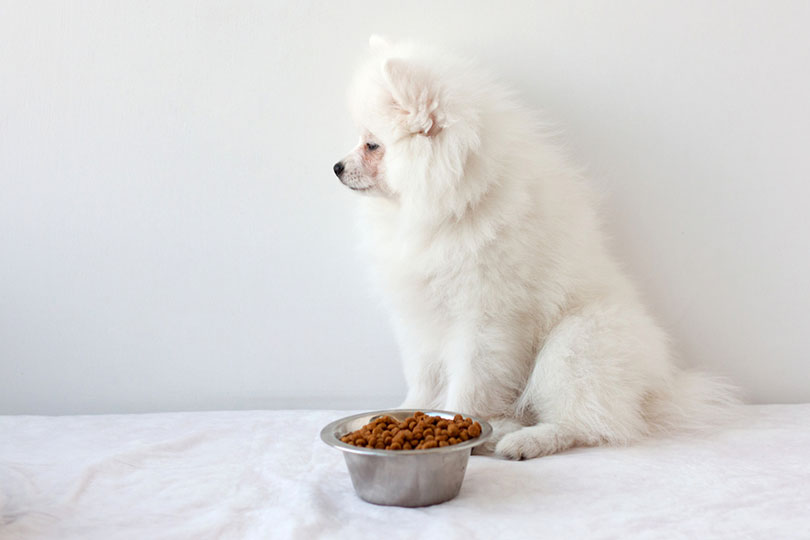
It is recommended that dogs with a history of pancreatitis are fed a low-fat diet for the rest of their life, to help reduce the likelihood of recurrence.
Can Dogs Recover From Pancreatitis?
There are currently no generally accepted guidelines outlining the prognosis for pancreatitis based on certain symptoms or lab values. Every case is different.
The good news is that most dogs with mild pancreatitis tend to respond well to treatment and show significant improvement within a few days. Some dogs require a more extended stay in the hospital but still make a full recovery.
Dogs who are extremely ill, particularly those requiring surgery, have a very guarded prognosis. It is possible for severe pancreatitis to be fatal.
What Is the Recovery Time For Pancreatitis In Dogs?
Each patient is an individual and affected by pancreatitis differently, so unfortunately it is difficult to provide general expectations. Recovery may take anywhere from several days to weeks.
Are There Any Long-Term Complications?
Some dogs who recover from pancreatitis suffer recurrent bouts of the condition throughout their life.
Chronic damage to the pancreas may lead to the development of:
Both conditions can often be managed successfully but will require regular follow-up with your veterinarian.

Can Pancreatitis Be Prevented in Dogs?
Not all cases of pancreatitis are preventable, but there are things you can do to reduce your dog’s risk:
- Help your dog maintain a healthy body weight
- Do not give them dog food, treats, or human food that is high in fat
- Ensure they do not have access to garbage and other potential toxins
- Schedule regular veterinary check-ups, which may include bloodwork to screen for medical conditions that could increase your dog’s risk of developing pancreatitis
If you suspect that your dog may have pancreatitis, it is important to seek veterinary attention right away. Initiating treatment as soon as possible is the best thing you can do to maximize your dog’s chance of a full recovery.
Featured Image Credit: UfaBizPhoto, Shutterstock
Get Hepper In Your Inbox


Pet care tips from our vets and experts, straight to your inbox.
You may opt-out at any time. View our Privacy Policy for more information.
Dr. Sharon (as she is known by her clients) has had an intense love for animals for as long as she can remember. She grew up in Guelph, Ontario and fulfilled her childhood dream by obtaining her Doctor of Veterinary Medicine (DVM) degree from the Ontario Veterinary College in 2009. She has since found joy working in a variety of small animal clinics, focusing on cat and dog care. She loves sharing her expertise and empowering pet owners to take the best possible care of their fur babies!
Sharon currently lives in beautiful British Columbia with her husband, daughter, and Parker, her loveable Great Dane. When she’s not at work, she enjoys clogging, photography, and exploring the outdoors with her family.
Dr. Sharon (as her clients call her), was raised in Guelph, Ontario, and has loved animals for as long as she can remember. She fulfilled her childhood dream when she obtained her Doctor of Veterinary Medicine (DVM) degree. Sharon now lives in British Columbia, Canada with her husband, daughter, and Parker, their loveable Great Dane. When she’s not working, she enjoys clogging, photography, hiking, and camping with her family.
Education
Dr. Sharon obtained her DVM in 2009 from the Ontario Veterinary College in Ontario, Canada.
Experience
Dr. Sharon loves sharing her knowledge and empowering people to take the best possible care of their fur babies, which she has been able to do through her work. She has practiced in a variety of small animal clinics since graduating, with a main focus on cats and dogs.
Check out some of our top posts written by our veterinary team:
Why Does My Dog Snore? Should I Act?
My Cat Ate Paint! Our Vet Explains What to Do Now
How Common is Heartworm in Cats? 7 Things to Know About Heartworm Disease
Join the conversation
Ask a question, share your story, or send private feedback.