Hepper is reader-supported. When you buy via links on our site, we may earn an affiliate commission at no cost to you. Learn more.
How To Comfort A Dog With Pancreatitis: 4 Care Tips (Vet Answer)


Pancreatitis is inflammation of the pancreas, a small organ located near the stomach that helps with digestion and produces important hormones (e.g., insulin).1 Pancreatitis in dogs may occur suddenly (acute) or as repeated flare-ups over time (chronic). Symptoms can range from mild gastrointestinal upset to life-threatening disease.
It's important to note that many dogs with pancreatitis require hospitalization because intravenous (IV) fluid therapy is one of the most important ways veterinarians treat pancreatitis. It's used to maintain hydration and electrolyte balance, as well as administer medications to reduce nausea and alleviate pain.
The suggestions listed below should only be considered for dogs who have been diagnosed with pancreatitis by a veterinarian and deemed stable enough to recover at home.

Top 4 Ways to Comfort a Dog with Pancreatitis:
1. Offer small, frequent meals of a low-fat, easily digestible diet
Veterinarians historically recommended withholding food and water from dogs with pancreatitis until they were no longer vomiting (sometimes for extended periods of time) The goal of this approach was to “rest” the pancreas. However, we now recognize the important role of nutrition in healing and recovery. New evidence suggests that dogs with pancreatitis who are able to resume eating earlier have better outcomes.
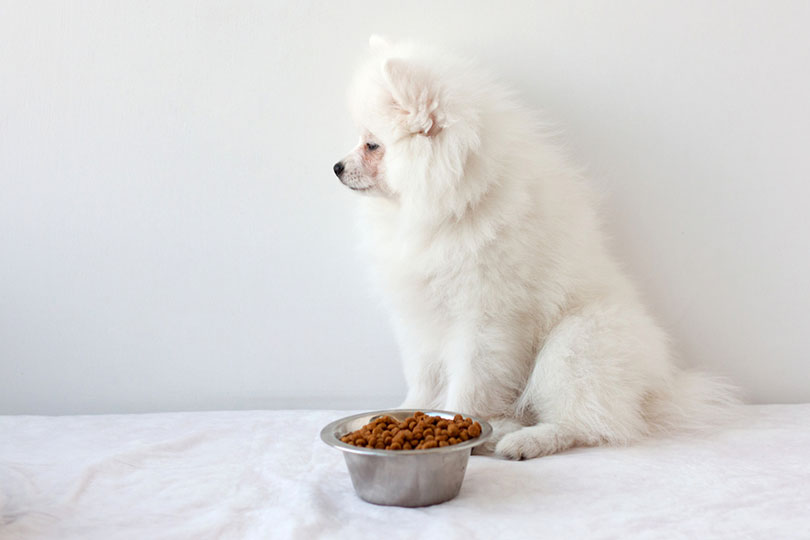
When your dog is ready to start eating again, offer small meals 3 or 4 times daily. The type of food is extremely important! Your veterinarian will recommend a diet that is low in fat and easy to digest. If your pup starts vomiting again at any point, let your veterinarian know right away.
Dogs who have been diagnosed with pancreatitis often benefit from remaining on a low-fat diet for life, to help reduce the risk of recurrence.
2. Anti-nausea medication (as directed by your veterinarian)
Inflammation from the pancreas also affects the surrounding organs, which often results in nausea.
Signs of nausea in dogs include:
Prescription anti-nausea medications (e.g., maropitant citrate) are highly effective and go a long way toward improving your pup’s comfort. They will also help support a return of appetite, which is important for recovery.
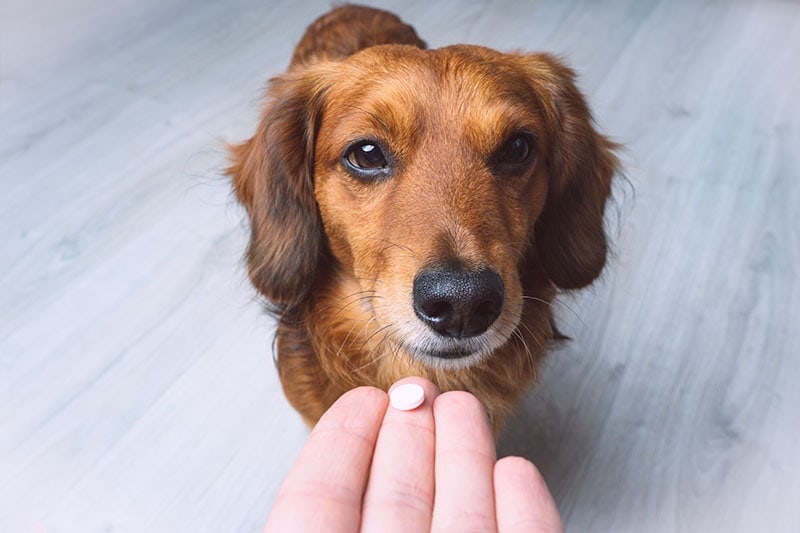
3. Pain medication (if recommended by your veterinarian)
Pancreatitis is known to be a painful condition. A variety of medications can be used, depending on whether your dog is mildly uncomfortable or very painful. Signs of abdominal pain in dogs include:
- Restlessness
- Tense (hard) belly
- Stretching (downward dog position) or standing with a “hunched” posture
- Breathing quickly or panting
- Drooling, gagging/retching, refusing to eat
- Gastrointestinal upset (vomiting, diarrhea)
Even if your dog is not showing obvious signs of discomfort with pancreatitis, many veterinarians recommend giving the benefit of the doubt and providing pain relief. Pain management is more effective when approached proactively rather than allowing pain to get out of hand. A multimodal approach (using multiple medications with different modes of action) is also beneficial.
It is very important that you only give your dog pain medication as instructed by your veterinarian!
4. General supportive care
Avoid strenuous exercise. Short leash walks should be fine, but your dog needs rest to recover. They probably won’t be interested in playing until they are feeling better.
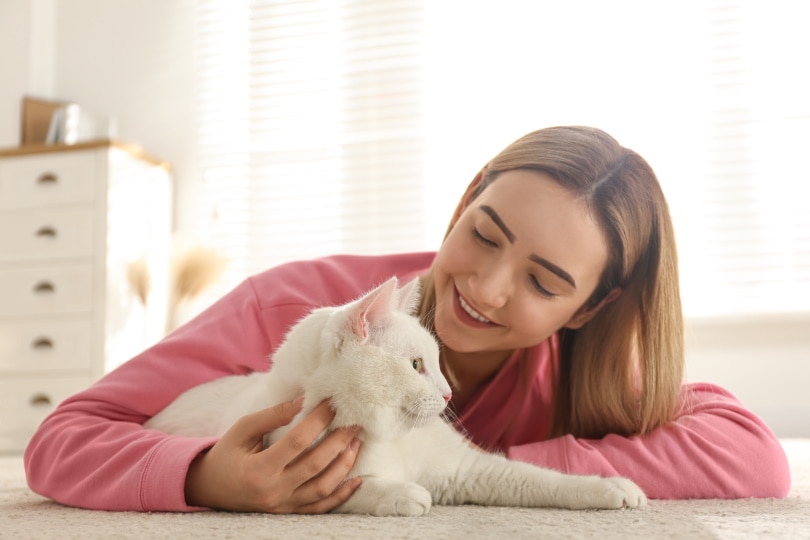
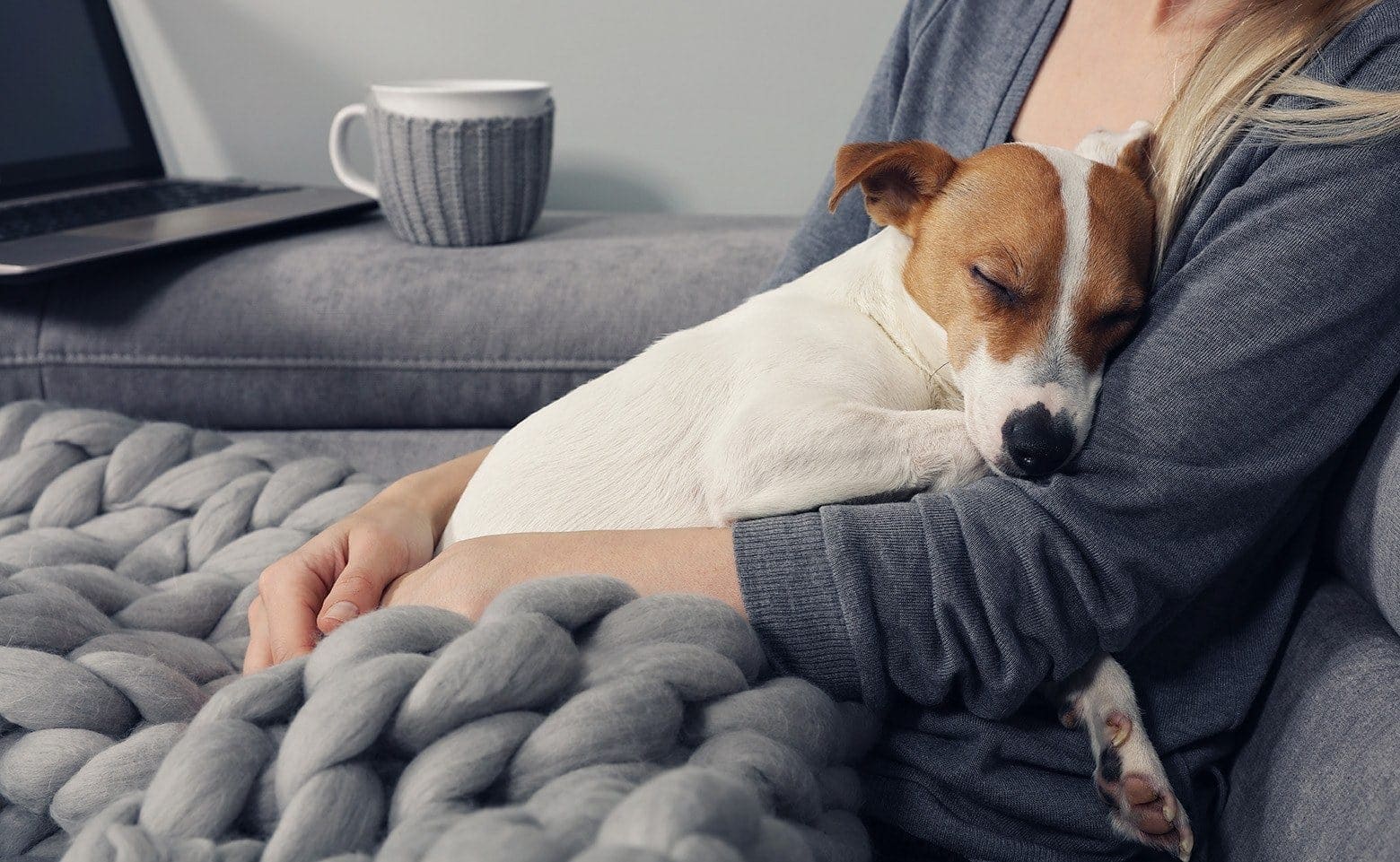
Some dogs may appreciate extra snuggles and affection when they aren’t feeling well, while others prefer to be left alone. You know your dog best. However, dogs sometimes act differently when they are sick or in pain. It is helpful to pay attention to any changes in their body language or behavior, which offers clues about their comfort level (e.g., whether they might need more pain medication).

Conclusion
Pancreatitis requires medical treatment. Once a dog with pancreatitis has been stabilized, they can often complete their recovery at home, but this is not a condition that pet parents should attempt to manage on their own. Doing so could lead to extreme discomfort for an affected dog and result in serious health consequences.
See Also:
Sources
https://veterinarypartner.vin.com/default.aspx?pid=19239&id=4952412
https://todaysveterinarypractice.com/hepatology/treatment-of-acute-pancreatitis-in-dogs/
https://www.aaha.org/aaha-guidelines/2022-aaha-pain-management-guidelines-for-dogs-and-cats/home/
https://www.aaha.org/globalassets/02-guidelines/pain-management/painmanagement_dogs_web.pdf
Featured Image Credit: Rasulov, Shutterstock
Get Hepper In Your Inbox


Pet care tips from our vets and experts, straight to your inbox.
You may opt-out at any time. View our Privacy Policy for more information.
Dr. Sharon (as she is known by her clients) has had an intense love for animals for as long as she can remember. She grew up in Guelph, Ontario and fulfilled her childhood dream by obtaining her Doctor of Veterinary Medicine (DVM) degree from the Ontario Veterinary College in 2009. She has since found joy working in a variety of small animal clinics, focusing on cat and dog care. She loves sharing her expertise and empowering pet owners to take the best possible care of their fur babies!
Sharon currently lives in beautiful British Columbia with her husband, daughter, and Parker, her loveable Great Dane. When she’s not at work, she enjoys clogging, photography, and exploring the outdoors with her family.
Dr. Sharon (as her clients call her), was raised in Guelph, Ontario, and has loved animals for as long as she can remember. She fulfilled her childhood dream when she obtained her Doctor of Veterinary Medicine (DVM) degree. Sharon now lives in British Columbia, Canada with her husband, daughter, and Parker, their loveable Great Dane. When she’s not working, she enjoys clogging, photography, hiking, and camping with her family.
Education
Dr. Sharon obtained her DVM in 2009 from the Ontario Veterinary College in Ontario, Canada.
Experience
Dr. Sharon loves sharing her knowledge and empowering people to take the best possible care of their fur babies, which she has been able to do through her work. She has practiced in a variety of small animal clinics since graduating, with a main focus on cats and dogs.
Check out some of our top posts written by our veterinary team:
Why Does My Dog Snore? Should I Act?
My Cat Ate Paint! Our Vet Explains What to Do Now
How Common is Heartworm in Cats? 7 Things to Know About Heartworm Disease
Join the conversation
Ask a question, share your story, or send private feedback.