Hepper is reader-supported. When you buy via links on our site, we may earn an affiliate commission at no cost to you. Learn more.
5 Feeding Tips for Dogs With Pancreatitis (Vet Answer)

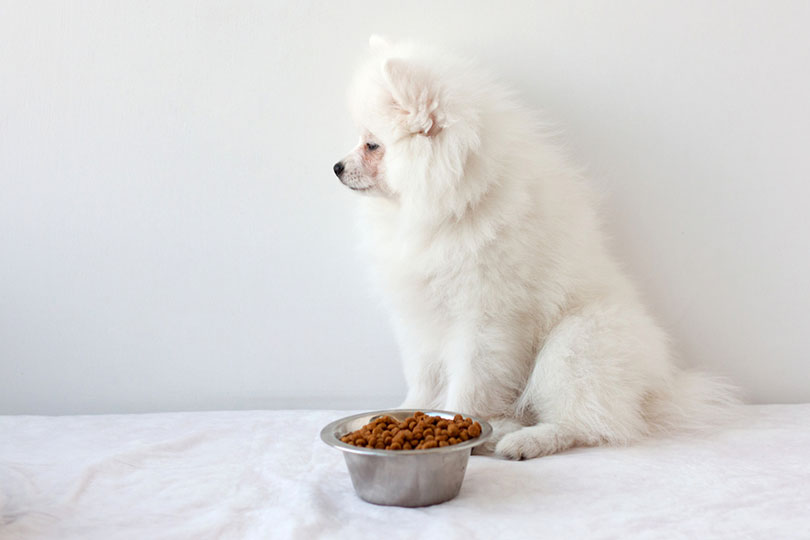
Dogs with pancreatitis may require a hospital stay initially, but once they have been discharged, their owners play an important role in the rest of their recovery.
In the past, treatment of pancreatitis in dogs often involved extended periods of fasting, with the intention of “resting” the pancreas.1 Current research is showing, however, that nutrition is critical to the process of healing in patients with pancreatitis, as well as with many other medical conditions.2
In this article, we will offer tips for supporting your pup’s appetite once they are recovering at home.

Top 5 Feeding Tips for Dogs with Pancreatitis
1. Manage Nausea and Pain
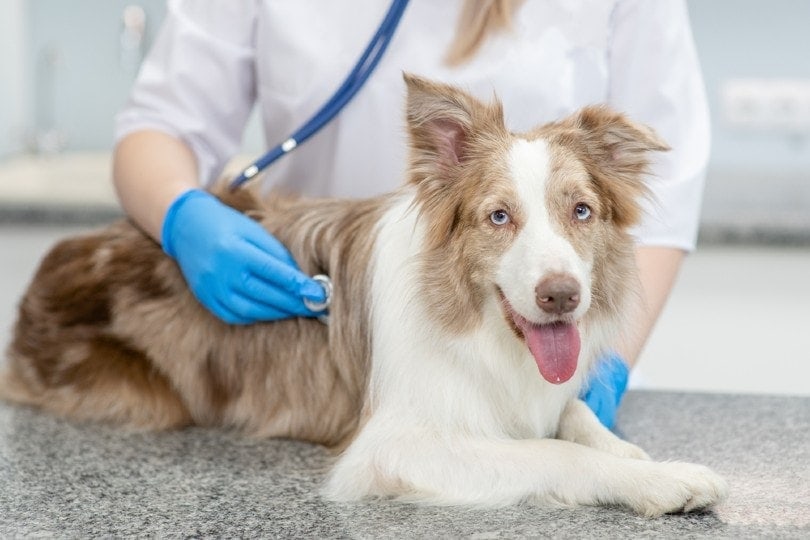
Inflammation from the pancreas affects nearby organs (e.g., the stomach), resulting in nausea and pain. A dog who is feeling unwell is unlikely to be interested in food, so it is extremely important to address these symptoms. Your veterinarian will likely provide you with medications to administer at home, as needed.
Particularly in the early stages of recovery, it is often recommended to give your pup the benefit of the doubt and assume they may be nauseous and sore. Anti-nausea and pain medications are typically very safe, and addressing symptoms preemptively is usually more effective than waiting for obvious signs of discomfort.
2. Stick to the Diet Recommended by Your Veterinarian
A low-fat, easily digestible diet is the standard recommendation for dogs with pancreatitis. This can be accomplished with either a commercial (often prescription) or a home-prepared diet. It is extremely important that a home-prepared diet intended for long-term feeding has been formulated by a veterinary nutritionist, to ensure it is complete and balanced.
Your veterinarian will recommend a feeding plan for your specific dog after considering a variety of factors, including:
- Body condition (i.e., whether weight loss, gain, or maintenance is needed)
- Age and lifestyle (e.g., physical activity level)
- Any known dietary allergies or intolerances
- Other diseases your pet may have (e.g., diabetes mellitus)
- Optimize the benefits of your dog's diet with our calorie calculator here.
3. Avoid Feeding High-Fat Foods
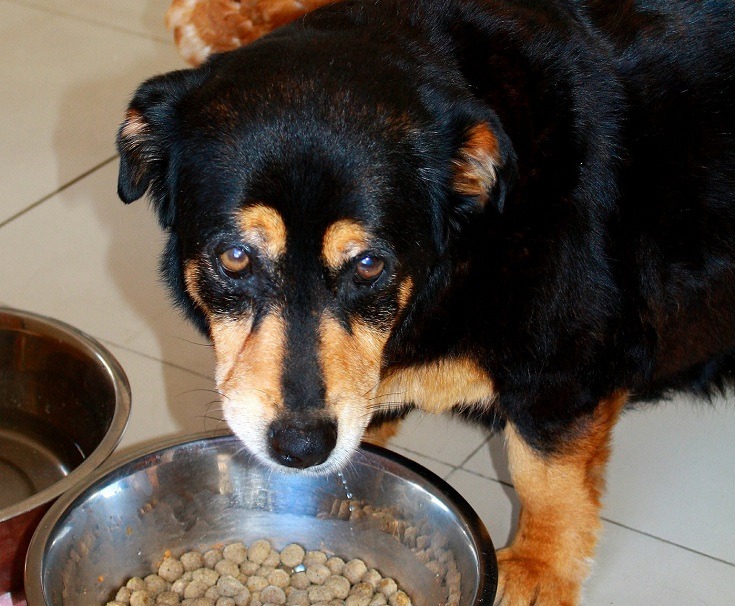
Pancreatitis patients may need a little extra enticement to eat, especially in the early stages of recovery. It may be tempting to offer your dog people food or treats in order to tempt their appetite, but ingestion of high-fat foods has been linked to pancreatitis.
Remember to consider how you are administering medications. Peanut butter, hot dogs, and cheese are popular food choices for hiding pills. However, they are all high in fat and not recommended for dogs with pancreatitis (even in small amounts). Ask your veterinarian if you can try using some lean, boiled chicken breast, or a meatball of low-fat canned food instead.
4. Make Meals More Appealing
Some dogs may resist their new diet at first, so you might need to get a little creative with the presentation. The following suggestions should be safe for most dogs with pancreatitis, but make sure to check with your veterinarian first.
- Offer smaller portions more frequently, rather than one or two large meals per day
- Some dogs enjoy being fed by hand and getting a little extra attention while they eat; others may prefer to be left alone
- Feed your dog separately from any other pets in the house, so that they can take their time eating and not worry about competition
- Add some extra moisture to their food (e.g., water, low-fat canned food, small amounts of low-fat and low-sodium broth)
- Warm their food to enhance palatability
5. Help Lower Your Dog’s Risk of Pancreatitis Recurrence
While a direct cause of pancreatitis is not identified in many cases, certain factors have been associated with increased risk.
In addition to the tips we have already discussed, here are some additional considerations that may help reduce the risk of your dog’s pancreatitis recurring:
- Avoid abrupt and frequent diet changes
- Store food properly to avoid rancidity
- Prevent accidental access to garbage, and make sure they don’t eat things they shouldn’t when out in the backyard or on walks
- Help them maintain an ideal body weight

Conclusion
If your dog has been diagnosed with pancreatitis, nutrition is an important part of their recovery. It may take a little time for their appetite to return to normal but, as long as there are steady signs of improvement, keep persevering! Your veterinary team is a great support and can offer additional tips and tricks for your particular dog.
Remember to schedule follow-up appointments, as recommended by your veterinarian, so they can monitor your pup’s progress and adjust their feeding plan if needed.
Seek veterinary attention right away if your dog suddenly refuses to eat, seems nauseous or painful, or starts vomiting and is unable to keep food and water down.
Sources
https://www.aaha.org/globalassets/02-guidelines/pain-management/painmanagement_dogs_web.pdf
https://www.merckvetmanual.com/digestive-system/the-exocrine-pancreas/pancreatitis-in-dogs-and-cats
https://wsava.org/wp-content/uploads/2020/01/Body-Condition-Score-Dog.pdf
https://todaysveterinarynurse.com/nutrition/key-nutritional-factors-in-treating-pancreatitis/
Featured Image Credit: Varvara Serebrova, Shutterstock
Get Hepper In Your Inbox


Pet care tips from our vets and experts, straight to your inbox.
You may opt-out at any time. View our Privacy Policy for more information.
Dr. Sharon (as she is known by her clients) has had an intense love for animals for as long as she can remember. She grew up in Guelph, Ontario and fulfilled her childhood dream by obtaining her Doctor of Veterinary Medicine (DVM) degree from the Ontario Veterinary College in 2009. She has since found joy working in a variety of small animal clinics, focusing on cat and dog care. She loves sharing her expertise and empowering pet owners to take the best possible care of their fur babies!
Sharon currently lives in beautiful British Columbia with her husband, daughter, and Parker, her loveable Great Dane. When she’s not at work, she enjoys clogging, photography, and exploring the outdoors with her family.
Dr. Sharon (as her clients call her), was raised in Guelph, Ontario, and has loved animals for as long as she can remember. She fulfilled her childhood dream when she obtained her Doctor of Veterinary Medicine (DVM) degree. Sharon now lives in British Columbia, Canada with her husband, daughter, and Parker, their loveable Great Dane. When she’s not working, she enjoys clogging, photography, hiking, and camping with her family.
Education
Dr. Sharon obtained her DVM in 2009 from the Ontario Veterinary College in Ontario, Canada.
Experience
Dr. Sharon loves sharing her knowledge and empowering people to take the best possible care of their fur babies, which she has been able to do through her work. She has practiced in a variety of small animal clinics since graduating, with a main focus on cats and dogs.
Check out some of our top posts written by our veterinary team:
Why Does My Dog Snore? Should I Act?
My Cat Ate Paint! Our Vet Explains What to Do Now
How Common is Heartworm in Cats? 7 Things to Know About Heartworm Disease
Join the conversation
Ask a question, share your story, or send private feedback.