Hepper is reader-supported. When you buy via links on our site, we may earn an affiliate commission at no cost to you. Learn more.
Finnish Spitz Dog Breed: Info, Pictures, Care & More
In this article
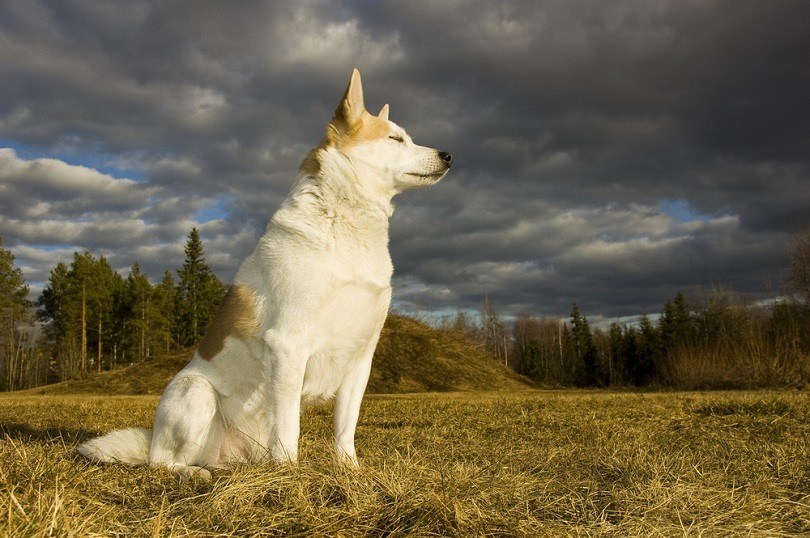
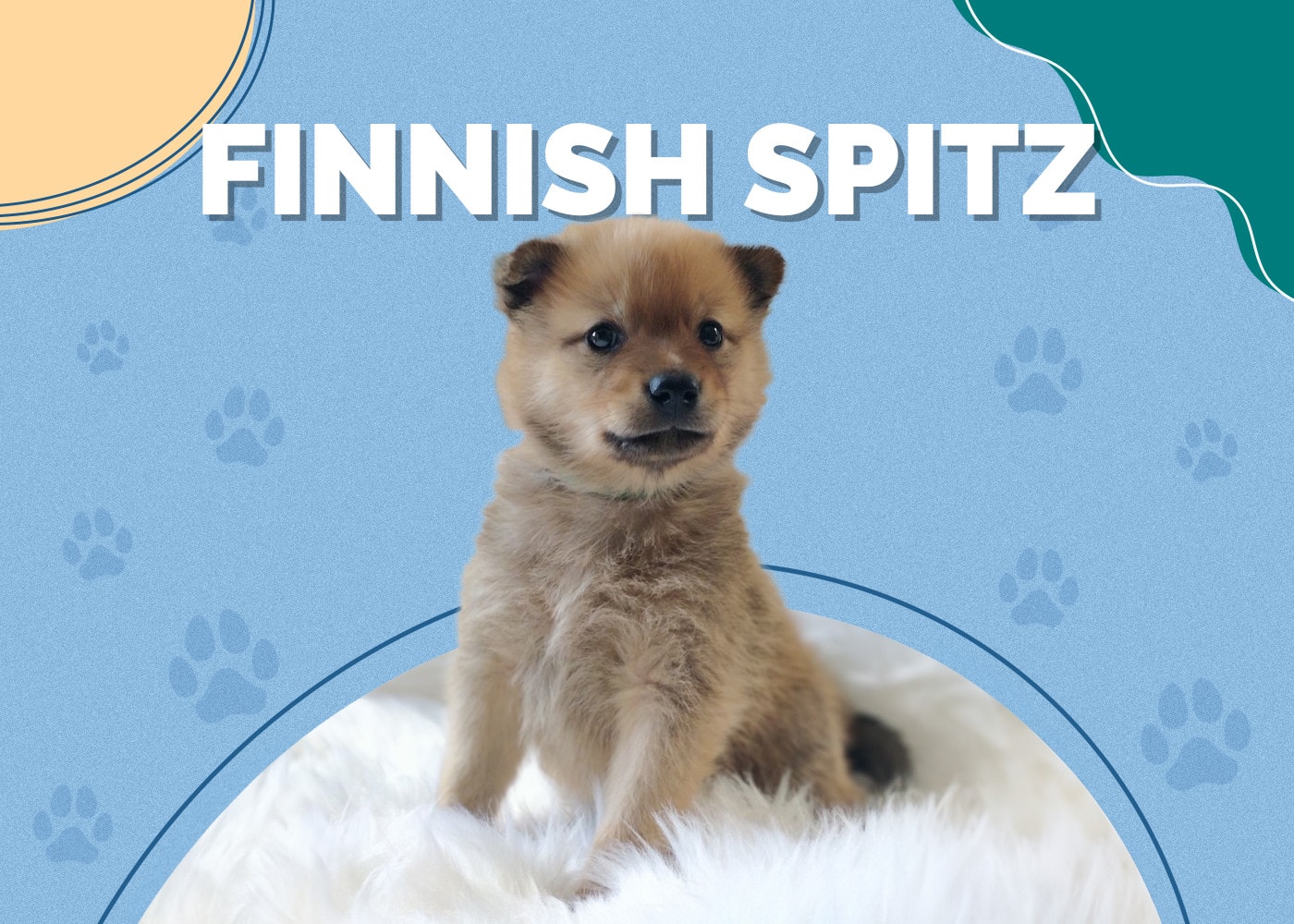
The Finnish Spitz originated in Finland and has the honored position as the country’s national dog. This ancient breed was originally used and still is in use today for hunting a wide variety of small game. Their characteristic upright ears earned them the nickname, “Suomenpystykorva,” which means, “pricked ear dog,” but they are also commonly known as the “Finnish Barking Bird Dog,” due to their propensity for hunting and of course, barking.
Breed Overview
Height:
Weight:
Lifespan:
Colors:
Suitable for:
Temperament:
This bark is a well-known trait of these dogs and has a specific use that was cultivated through breeding. They will use their loud bark to indicate to their owners where the prey is located. Though typically used for hunting small game like birds, and squirrels, they also were used as gundogs to hunt bigger game like elk and moose. Although these fox-like dogs are small in stature, they have big personalities that make them both great family pets and guard dogs. Indeed, despite their skill in hunting, they have since become more popular as companion animals—great for active families—and they get along well with children.
If your interest has been sufficiently piqued, read on below for more information about this loyal and energetic breed.
Finnish Spitz Characteristics

Finnish Spitz Puppies

The Finnish Spitz is a medium-sized breed with a ton of energy, so they are not ideally suited for apartment or urban environments. These dogs were also bred to bark, which will not go down well with your neighbors! That said, with the right training and plenty of dedicated exercise, these dogs are an adaptable breed that may be content in these environments.
They are adorable dogs and their puppies are no different, but despite their appearance, these dogs are not couch potatoes that are content to spend their days lounging with their owners—they have tons of energy that needs to be burned off. Without dedicated exercise, these dogs can get up to a great deal of mischief, including chewing, digging, and of course, their famous barking. In addition to exercise, these dogs are highly intelligent and will need confident and directed training, which can be a challenge due to their somewhat independent nature.
All these factors need to be thoroughly considered before bringing home a Spitz puppy, as they require real dedication and time investment. With the right amount of exercise, training, and attention, they are playful and loyal dogs with massive personalities that will be sure to keep you on your feet!

Temperament & Intelligence of the Finnish Spitz 🧠
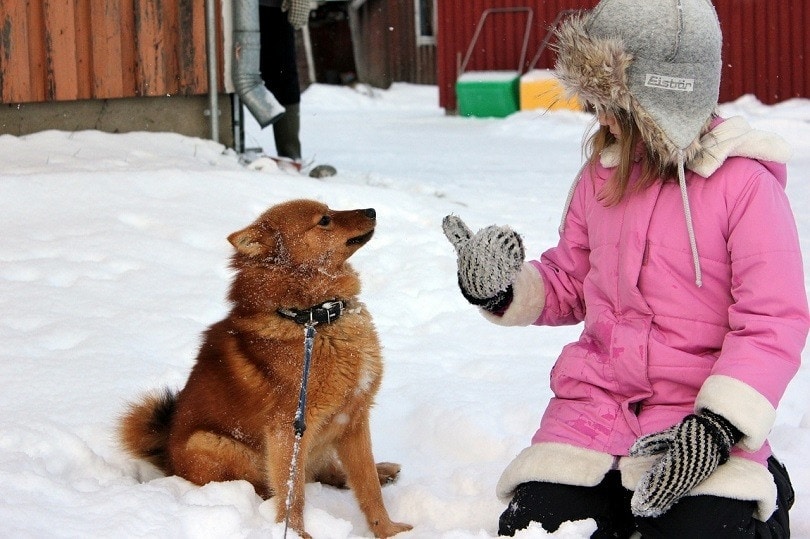
Finnish Spitzes are lively, independent, and strong-willed animals suited for working but make great companion pets too. Of course, this independent nature and high intellect can make them a challenge to train, and you’ll need a firm but gentle hand to get them to obey commands. If you live in an apartment or neighborhood, good training is especially important to suppress this breed’s barking, a trait that your neighbors will likely not enjoy. Their bark is high-pitched, rapid, and piercing and may get you evicted if they are left at home unchecked!
Despite their hunting heritage, these intelligent dogs are not often aggressive and thus make great family pets that are loving, loyal, and playful. They make great little watchdogs, as they are alert and have a keen sense of hearing, although guarding might not be their best quality. They are light, lively, and agile pooches that love to play outdoors and generally do great with children.
Spitzes are wary of strangers and will need plenty of early socialization to overcome this suspicion and shyness. They are highly vocal dogs that are known not only for their barking but also the “yodeling” that they use when showing affection and greeting you when you get home.
Are Finnish Spitzes Good for Families? 🏡
Finnish Spitzes are social dogs that love to be around people and thus make great family dogs. They can become highly attached to their owners, though, and will suffer from separation anxiety if left at home. If you are away at work frequently with no one at home for long periods, the Finnish Spitz may not be the best choice of dog for you. They love children and will play gently for hours with enthusiasm to match the most energetic of kids.
Do Finnish Spitzes Get Along with Other Pets? 🐶 😽
The Finnish Spitz will usually get along well with other pets, but they are known to be temperamental around smaller animals like cats or dogs of the same sex. If you own any small rodents or birds, this may be too much of a temptation for the Spitz, and you’ll need to keep a close eye on them around these small creatures. That said, early socialization and good training will go a long way in mitigating these risks

Things to Know When Owning a Finnish Spitz
Food & Diet Requirements
Finnish Spitzes are active and energetic dogs and will need a diet that matches their high energy and fast metabolism. They will need around 2–3 cups of good quality dry kibble per day, ideally divided into two smaller meals. The dry kibble should be as high quality as possible, and you should beware of filler ingredients like wheat, soy, or corn, as these are often found in commercial dry foods and can be potentially harmful to your dog.
We recommend supplementing this with quality wet food to add variety to their diet. Adding canned food every other day will add moisture and nutrients to their diet, but they should not be fed exclusively on wet food, as it can be expensive.
Homemade meals consisting of vegetables and lean meats are also great on occasion. This can include fish, bone broth, and organ meats for added variety and nutrition. A word of caution, though: It can be difficult to keep track of nutritional requirements and whether your dog is getting the correct amounts with this diet, so we recommend it as a supplemental meal to dry kibble. Table scraps should be strictly avoided, as these dogs can easily get overweight, and free feeding them may result in the same. We also recommend avoiding other human foods like sugar, wheat, and corn, as this can cause health issues, dental disease, and obesity.

Exercise 🐕
Finnish Spitzes are high-energy animals that require a great deal of intensive exercise. They have a hunting heritage in which they covered long distances, so a 20-minute walk will not cut it with this active breed. We recommend a minimum of 2 hours a day of intensive exercise. This should include both physical and mental exercise, as these dogs are an intelligent breed that needs their minds to be stimulated too. One session a day should be focused on physical activities like running and jogging, with the other filled with games like fetch and frisbee.
The Finnish Spitz is an agile dog and will do well when enrolled in agility courses and clubs. They will love the mental and physical challenges and excel at them too. These dogs prefer and were bred in cooler climates, so extra care should be taken when exercising them in hot weather.
Training 🦮
Finnish Spitzes can be a challenge to train, as they have a fiercely independent nature and can quickly get bored with repetitive activities. The first rule with training these intelligent pooches is to begin training from the day you bring them home. Early socialization with other family pets is essential, and basic command training and obedience training are essential to get started on early and can begin anywhere from 4–6 weeks.
These dogs get bored quickly with any repetitive exercises, so we recommend keeping training exercises varied and short—a maximum of 20 minutes at a time. Any longer and your Spitz will grow restless, bored, and become easily distracted. This will turn training into a chore rather than a fun time with their owner. Training is a great opportunity for bonding with your dog and should be made as entertaining and interactive as possible.
Grooming ✂️
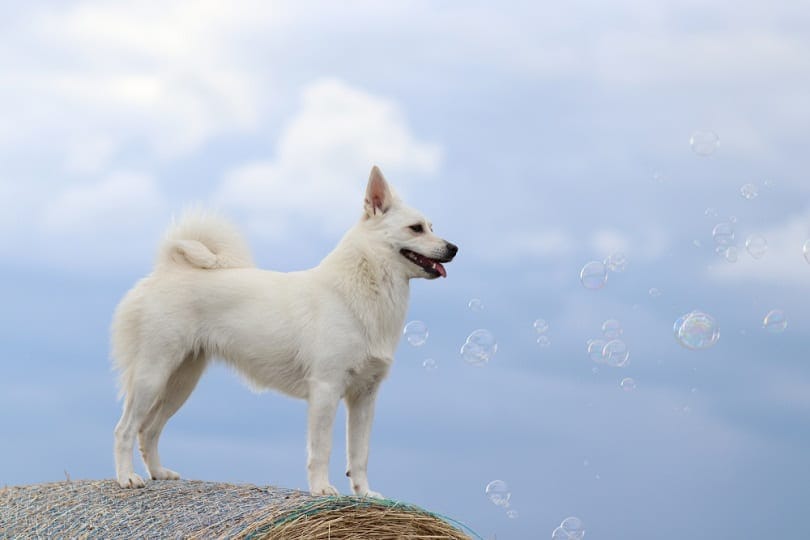
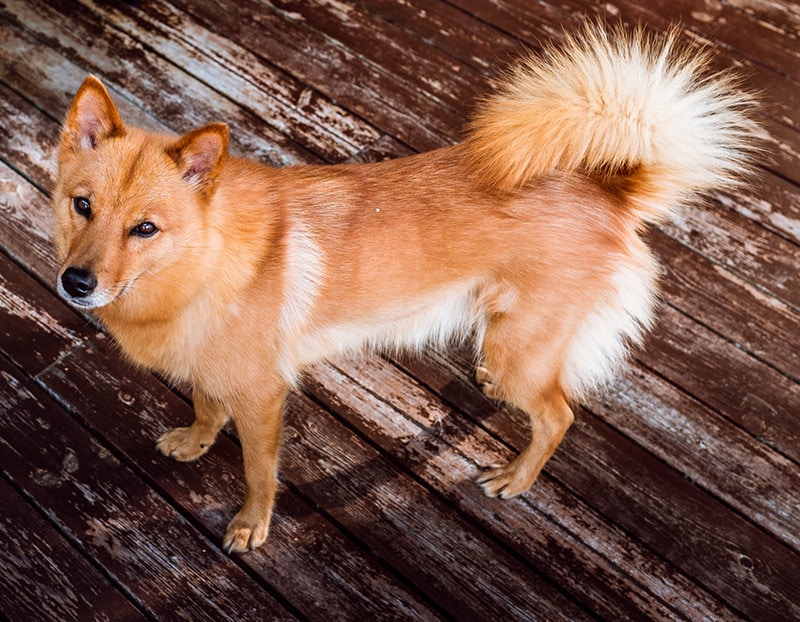
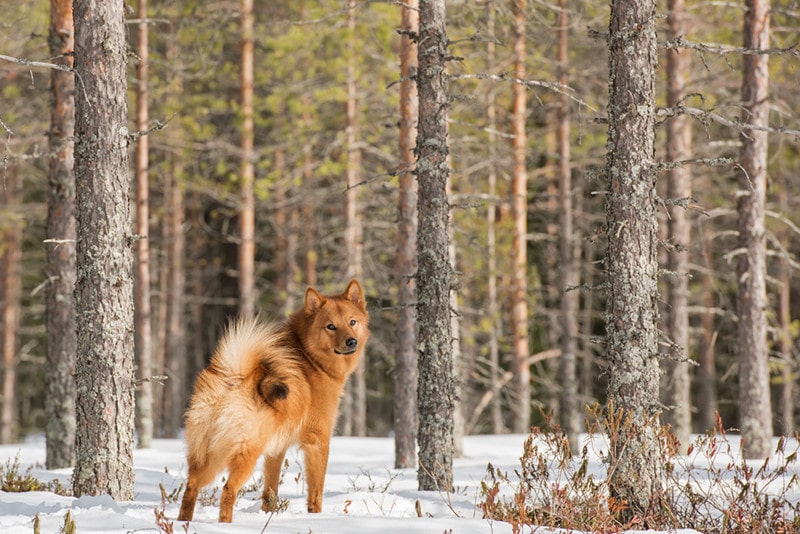
The Finnish Spitz has a thick double coat that will require regular brushing and grooming to prevent matting and knotting. These dogs lose their undercoat twice a year, and special attention should be paid at these periods to remove the dead hair. If this undercoat is left ungroomed, it can potentially cause serious skin issues to your Spitz. This undercoat is soft and dense and is covered by a coarse and medium-length coat. They don’t need much trimming, except on the pads of their feet.
Be sure to give them a regular tooth brushing to avoid bad breath and dental issues, along with the occasional rinse with clean water if they get a bit muddy. They have coats that are not typically that oily, which keeps them from smelling bad. They may need occasional toenail clipping—around once every 2 weeks. They will often wear these nails down on their own through regular outdoor activity, but if you can hear their nails clicking on the floor, it’s time for a trim. Nails that are too long can cause pain and discomfort for these dogs.
Health Conditions ❤️
Finnish Spitzes are mostly a healthy breed, but there are potential health conditions to be aware of. These conditions are by no means an exhaustive list, and they may not suffer from any of them at all.
Hip and Elbow Dysplasia. This is a genetic joint condition caused by abnormal formation of the hip and elbow joints. Some dogs show extreme discomfort caused by this disorder, while some show no issues at all. This condition can eventually lead to arthritis but can be managed with regular exercise and a good diet.
Epilepsy. This disease, unfortunately, has no cure, and it can only be carefully managed. Medication can help the dog lead a fairly ordinary life.
Patella Luxation. This is a common condition in small and medium-sized dogs. “Patella” is the kneecap and “luxation” means dislocation. The condition is characterized by the persistent dislocation of the knee joint. Most dogs can live with this condition happily and lead fairly normal lives, but surgery is required in more severe cases.
Diabetes. This is more common in the Finnish Spitz than any other Spitz breed but can be easily prevented and managed with a good diet.

Male vs. Female
Remember that no matter the sex, every dog is unique. Your dog’s personality and temperament will be far more affected by their upbringing and environment than their gender. That said, male and female Finnish Spitzes do have notable differences.
Male Finnish Spitzes are generally fluffier, with more fur around their necks and heads. This is referred to as the “ruff” and is usually far more pronounced in males. Males tend to be slightly larger and heavier, with bigger chests and heads, and are slightly taller, by about 2 inches. Males will also wander if they are not neutered and will be prone to “spraying” to mark their territory. You should also consider any other dogs you may already have, as males may not get along with other males, and females will likely be the same.
We highly recommend spaying females and neutering males unless you intend on breeding. This simple and inexpensive procedure has numerous health benefits and will make for an all-round happier and more even-tempered dog. It really comes down to personal preference when deciding on a male or female, and there is no real good reason to choose one over the other.
3 Little-Known Facts About the Finnish Spitz
1. They are an ancient breed
The ancestry that makes up the Finnish Spitz can be traced back several thousand years. Their exact origins are undocumented and difficult to trace, but it is thought that they were brought to Finland from Russia by wandering tribes of hunters. DNA analysis has found that they are one of a handful of Northern breeds that share their DNA with the Taimyr wolf, a long-extinct species descended from Grey Wolves.
They were so isolated that the breed enjoyed decades of development without influence from other dog breeds.
2. Finnish Spitzes almost went extinct
While the breed enjoyed decades of development without interference from other breeds, the improvement of roads and transportation in the 19th century brought hordes of travelers and traders, who took their dogs along with them. This resulted in years of crossbreeding that by the late 1800s, nearly rendered the Finnish Spitz extinct.
Two Finnish hunters thankfully made it their mission to save the breed when they saw the dog’s hunting skills, and this dedication resulted in the breed we see today.
3. They are champion barkers!
Finnish Spitzes are well-known and prized by hunters for their barking and will run ahead of hunters to bark at prey to indicate where the fowl are. But these dogs are also champion barkers that frequently win in Finland’s annual “King Barker” competitions. These barking champions have been recorded barking at 160 times a minute!
This barking trait has a specific use in hunting, however. The Spitz will bark incessantly at prey to let the hunter know where the animal is, and at the same time, this will distract the game enough to not see the hunter, allowing them to get close enough for a good shot.
Last Thoughts: Finnish Spitz
Finnish Spitzes are active, playful, and energetic dogs that will seize every opportunity to get outdoors and play. They are sociable animals that love to be around people and make great companions for kids. They are alert and intelligent and thus make great watchdogs with their sharp hearing. If you live in an apartment or a house with a small yard, you may think twice about getting one of these dogs, as they are infamous for their high-pitched, incessant barking. This can be largely mitigated with good training, but they can be a challenge to train, as they are highly independent and stubborn at times.
With all this in mind, if you are up to the task of intensive training and exercise, the agile, animated, and energetic Finnish Spitz is a great choice of a canine companion.
Featured Image Credit: Christian Ustvedt Kavli, Shutterstock
Get Hepper In Your Inbox


Pet care tips from our vets and experts, straight to your inbox.
You may opt-out at any time. View our Privacy Policy for more information.

Nicole is a lover of animals of all sizes but is especially fascinated with the feline variety. She’s the proud mom of Baby, a Burmese, and works every day so he can relax in the sunshine or by the fire. She’s always had a cat in her home and has spent countless days with others, observing behaviors and softening up even the grouchiest of the lot. Nicole wants to share her kitty expertise with you so you and your cat can live happy, healthy, and care-free.
Join the conversation
Ask a question, share your story, or send private feedback.