Hepper is reader-supported. When you buy via links on our site, we may earn an affiliate commission at no cost to you. Learn more.
German Spitz Dog Breed: Info, Pictures, Traits & Facts
In this article
Breed Overview
Height:
Weight:
Lifespan:
Colors:
Suitable for:
Temperament:
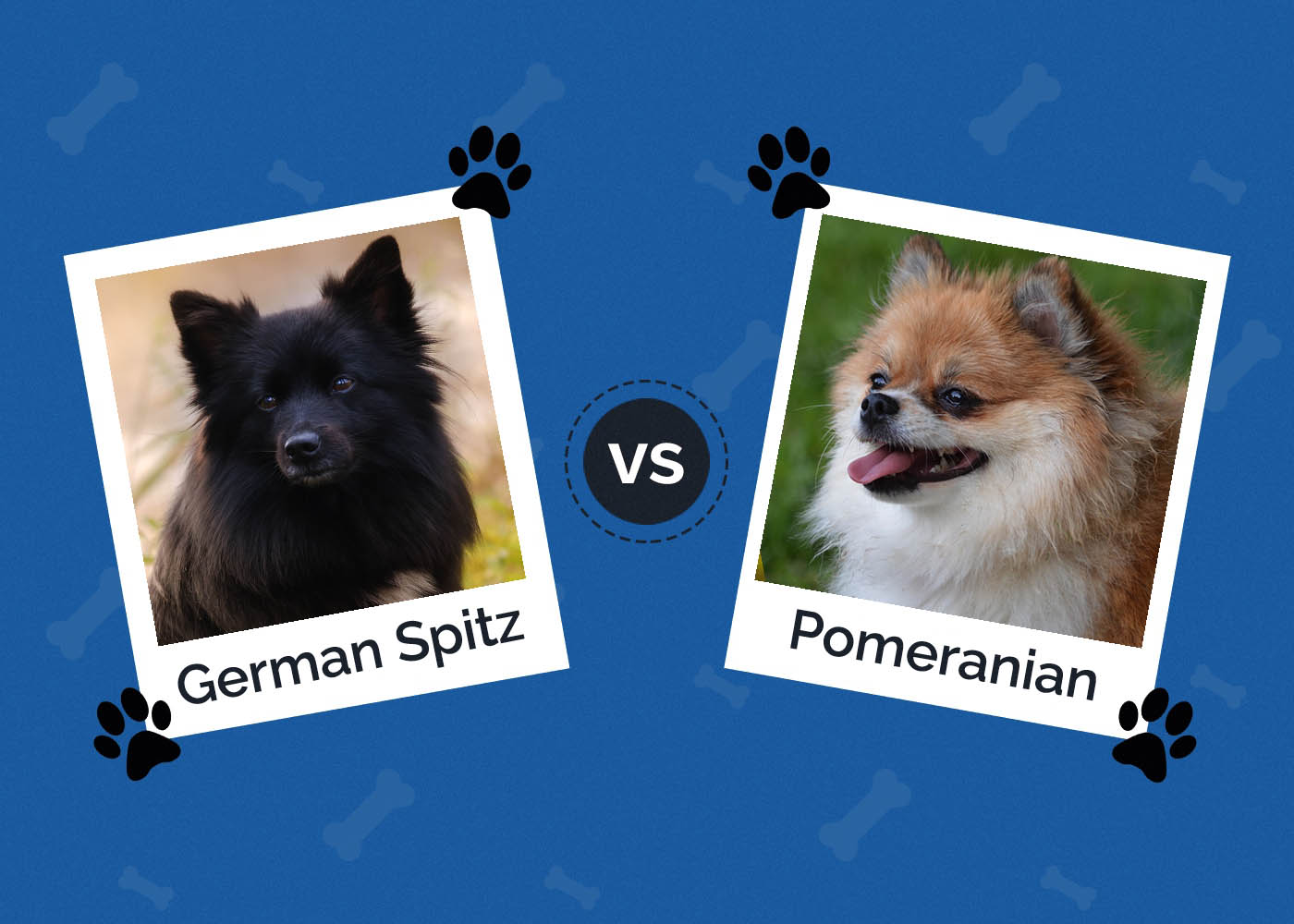
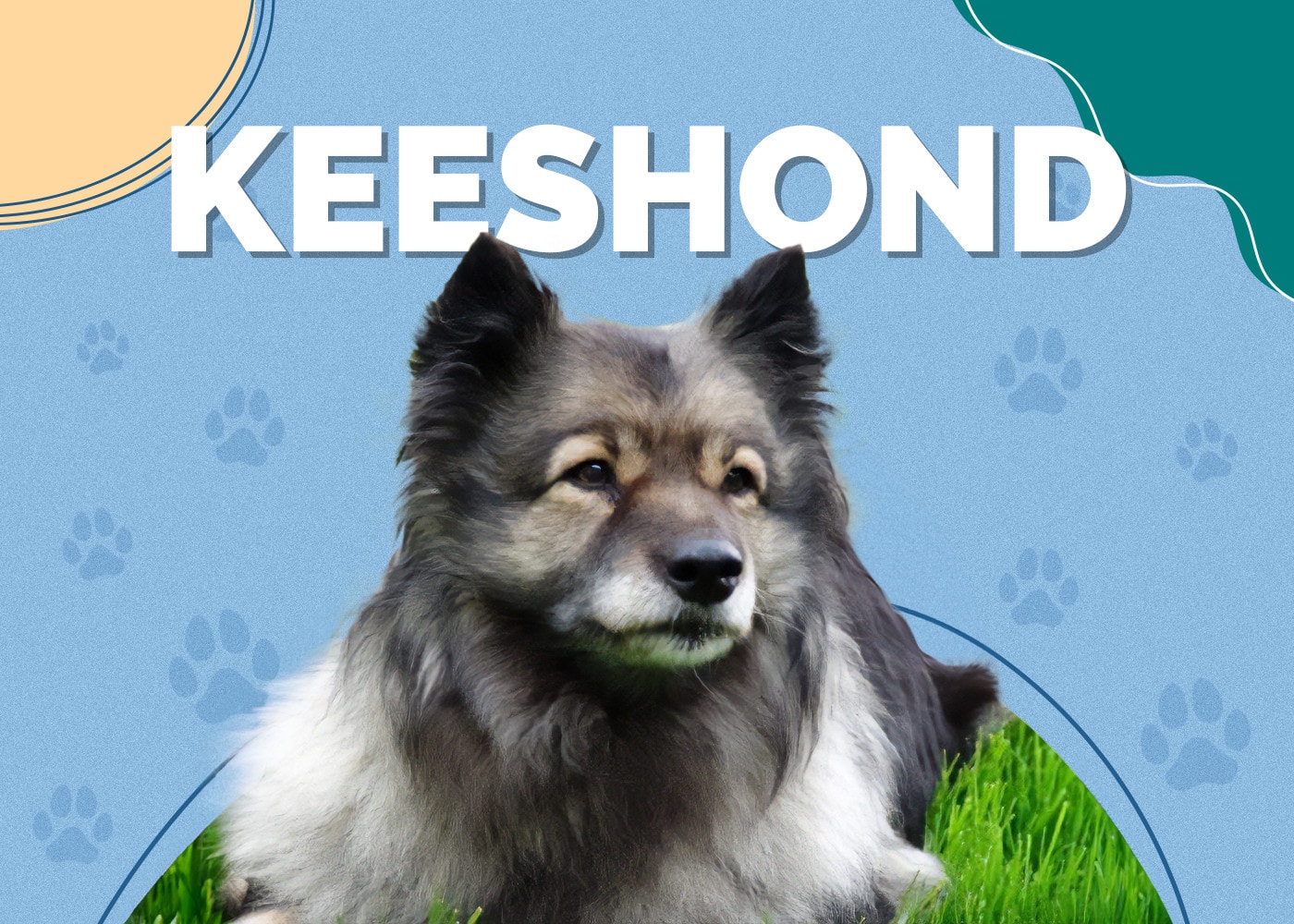
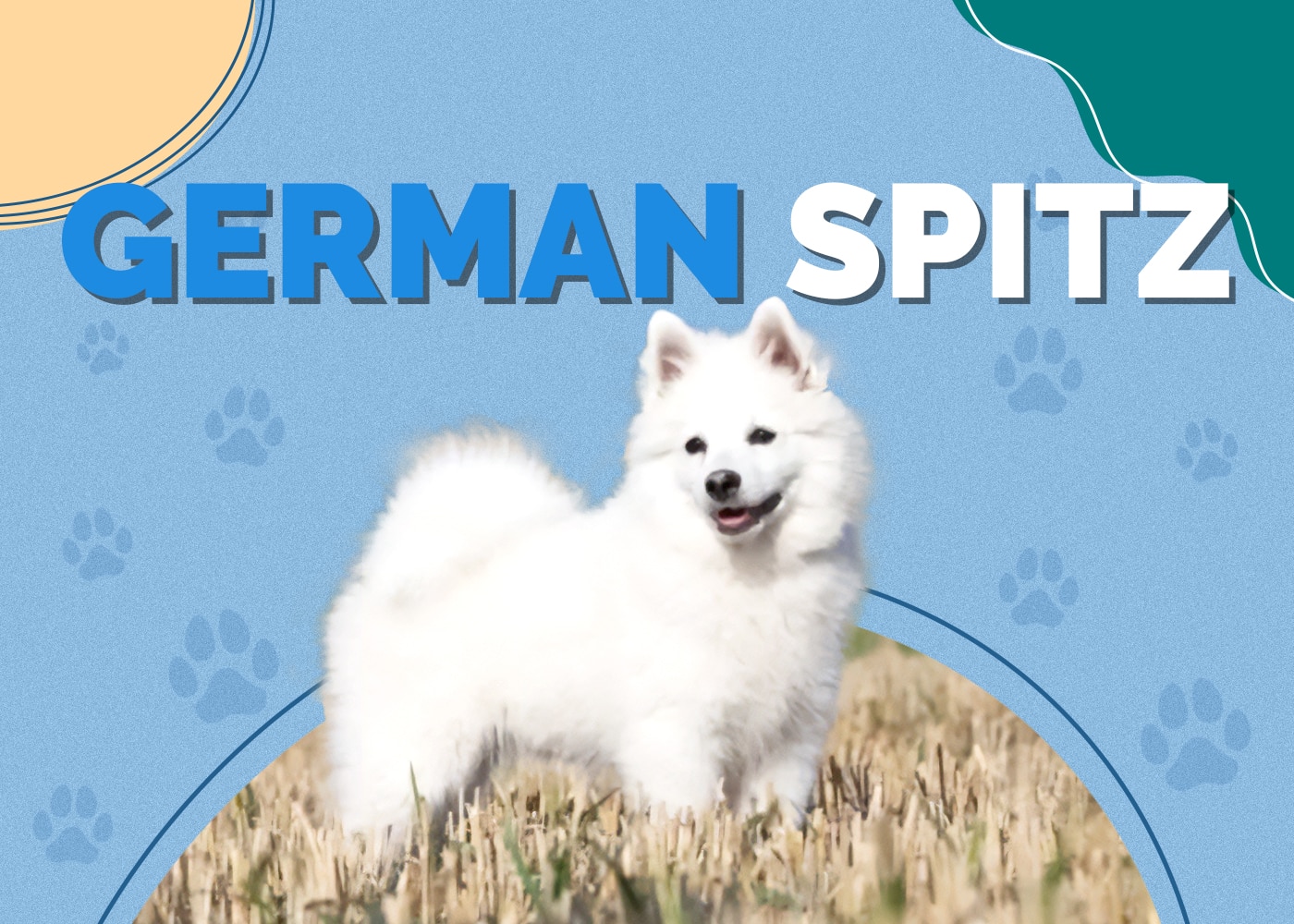
The adorable German Spitz has the potential to stop dog lovers in their tracks. These small dogs are loyal, attentive, and energetic, while also instinctively watching out for their families. The German Spitz is an ancient breed that shares their heritage with the Pomeranian, the Keeshond, and the American Eskimo Dog.
The German Spitz dog is not as well-known as those other dogs, but with the perfect combination of enthusiastic character and small size, this is a breed that’s going places. They adore spending time with their owners and love nothing more than coming with you on all your adventures. With a history as a watchdog, these little pups are quite vocal, so you need to make sure you can work with that!
If you’re keen to find out more about this rare breed, you’re in the right place! Keep reading to find out everything you need to know about these sparky little pups.

German Spitz Puppies
German Spitz Characteristics
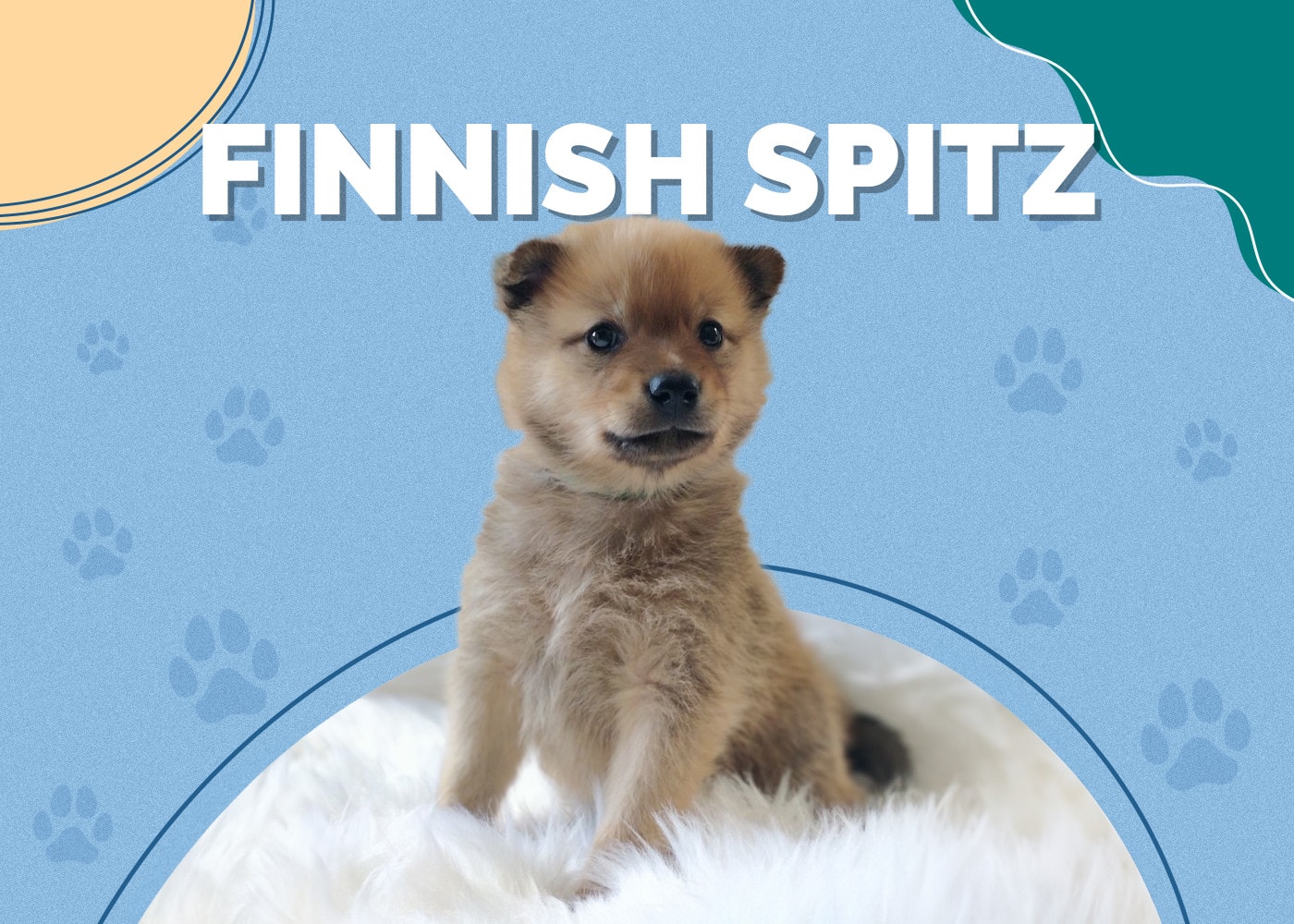
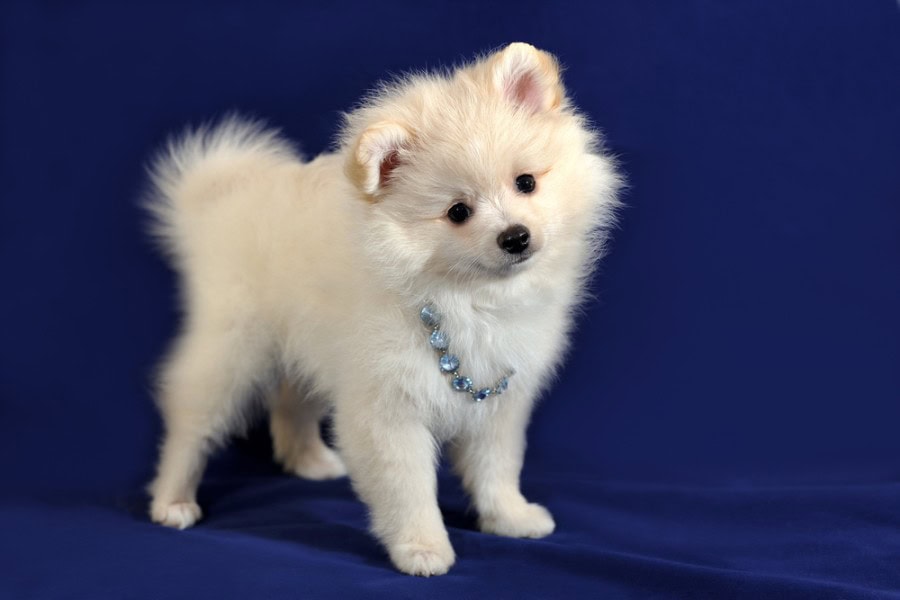
It’s fair to say that if you see a German Spitz puppy, you’re going to want to bring one home right away! We know that all puppies are cute, but German Spitzes are simply off the scale adorable. But before you sign that piece of paper and take ownership and responsibility for a puppy of any breed, it’s important to make sure you can meet their needs.
German Spitzes are always on the go, so even though they don’t need a huge amount of exercise, they do like plenty of attention to help burn off that energy. They’re also quite vocal. When they are well trained, this can be kept to a minimum, but they’re always going to have the instinct to bark. If you live in a quiet neighborhood or are sensitive to noise, you might find that these pups are simply too yappy.
German Spitzes can have that classic independent streak of small breeds. While they’re usually eager to please their handlers during a training session, if they feel like they’re being “told” to do something rather than “asked,” you may find yourself being studiously ignored!
The German Spitz is listed as a Foundation Stock Service breed with the American Kennel Club. This is a system designed for rare breeds that aren’t currently registered with the AKC. Under the FSS, the AKC helps maintain their records of purebred pups and allows German Spitz to compete in AKC Companion Events. Registering as a Foundation Stock Service is the precursor to becoming a fully registered breed with the AKC.
This also means that any reputable breeder will be able to offer American Kennel Club Foundation Stock Service paperwork to authenticate the purebred credentials of your new puppy. If they can’t offer this, then it means your pup isn’t going to be considered a pedigree German Spitz. While the prices of pups without AKC papers will be cheaper, you’re also taking a risk on the future health of your pup because the breeding program may not be regulated properly, and your new pup likely isn’t a pure German Spitz at all!

Temperament & Intelligence of the German Spitz 🧠
If you’re looking for a loyal and alert little dog, then the German Spitz is a wonderful choice. They love to watch over their owners and make sure that they’re the center of attention at all times! They make great little watchdogs and will happily let you know when strangers are approaching your house. They’ll also bark at the postman, a neighbor going past, the delivery truck — the German Spitz does love to bark! You’ll need to spend time training them so that this isn’t necessary all the time.
While these little pups are attentive and loving, that doesn’t mean they can’t be stubborn! Positive reinforcement is one of the best ways to train these fiery little dogs. If they feel like they’re being told to do something rather than being asked, you can expect to be ignored! They are extremely intelligent, though, so with plenty of socialization and effective puppy training, you can expect an obedient and willing little partner for all your activities.
The German Spitz is an energetic breed with a relatively high prey drive. This means they need plenty of attention from their owners so they won’t get bored. A bored German Spitz can easily start indulging in less-than-desirable behaviors. Chewing furniture and excessive barking are just two examples of how they may choose to entertain themselves if they feel that they’re not getting enough attention or exercise.
As a breed that loves to watch over their families, a German Spitz won’t enjoy being left home alone all day while their humans are at work. They won’t mind in the least if you’re popping out to the shops without them, but don’t expect this breed to be happy about being at home for 40-plus hours a week. You’ll need to think about organizing doggy daycare or a pet sitter to make sure they’re not left alone if you work long hours.
Are These Dogs Good for Families? 🏡
The German Spitz can make a great family pet, although they do tend to get along better with older kids who are less likely to play rough. As a small breed, they can easily get hurt.
As long as smaller children know how to play gently with a German Spitz and allow the dog plenty of alone time when they’ve had enough, the German Spitz can integrate into families with younger children.
A German Spitz will certainly love plenty of play sessions with a high-energy yet respectful kid. These pups have plenty of stamina!
Does This Breed Get Along With Other Pets? 🐶 😽
While they can get along with other pets, a German Spitz will equally be just as happy to be the only pet in the household. They may prefer it, actually, given that they will be the center of attention, which is their favorite place to be!
If you do already have other pets, most German Spitz will adapt to living in a multi-pet household as long as you’re careful to introduce them properly. When it comes to small pets like rodents and cats, the high prey drive of the German Spitz means you’ll need to make your introductions carefully and slowly. It may be easier to achieve this when your German Spitz is a puppy and being introduced to existing pets, rather than the other way around.
German Spitz can get along well with other dogs, but this depends partly on the personality of both dogs. If your other dog also wants to be the center of attention, so you have two dogs vying for your attention, they might start to scrap and resent each other. If your other dog is laidback and happy to hang out on their own, you’ll probably be fine!
Another thing to consider is the small size of the German Spitz. While they are energetic and love to play, roughhousing with a larger breed could result in the smaller and more delicate German Spitz becoming injured.
An older German Spitz will find it much harder to accept a new pet coming into their house and disturbing the status quo. This is something to think about if you wanted to add another pet to your house a few years after getting your German Spitz or want an older Spitz.

Things to Know When Owning a German Spitz
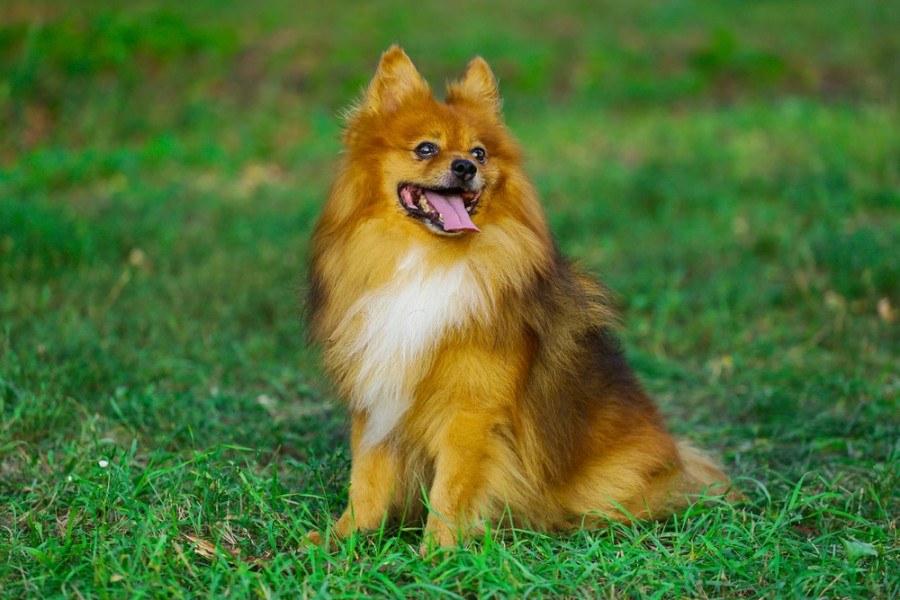
Choosing to bring a German Spitz (or any dog breed for that matter!) into your home isn’t a decision to be made lightly. While they might be small, the German Spitz will still need plenty of your time and money. So, before you start looking at puppies, there are few more things you need to know about this adorable breed.
Food & Diet Requirements
The German Spitz will do best on high-quality dog food designed specifically to meet the dietary requirements of small breeds. Look for a brand with a high percentage of protein to help these active little dogs build plenty of healthy, lean muscle.
German Spitz can easily gain weight if they’re overfed. So, make sure you follow the guidelines for their daily rations and speak to your veterinarian about decreasing this if your pup isn’t as active as average.
Try to avoid fatty table scraps and too many treats. While it might be tempting, just a few extra bits here and there can make a big difference to the daily calorie count of a small dog!
It’s best to start feeding your German Spitz puppy food that’s designed for pups before transitioning them onto an adult food as they reach maturity. You might decide to feed them kibble, wet canned food, or a mixture of the two. Raw food diets can also work well for German Spitz dogs.
Exercise 🐕
They might be little, but German Spitz still needs a great deal of exercise. A regular daily walk of between 30 and 60 minutes should be enough, but you’ll also want to allow your pup time to play and challenge their brains with training.
A securely fenced backyard is a good idea, as then your pup has somewhere safe to play and of course, keep an eye on “their” neighborhood! Give your German Spitz a raised area to sit on, and they can indulge their love of keeping watch from a high lookout point.
German Spitzes are not good swimmers, so if you have a pool, this will need to be fenced off. Equally, taking them for a swim at your local lake isn’t recommended. But they will love to join you on hikes, short runs, or any dog-suitable outdoor activity!
Training 🦮
While the German Spitz is intelligent and eager to please, they do not appreciate harsh training techniques. Partnership, praise, and communication are the keys to creating a willing and eager pup that enjoys your training sessions.
If you select the right training method — positive reinforcement is the perfect example — then you can look forward to working with a talented and intelligent dog that loves to learn.
Challenging your German Spitz with short training sessions as often as possible is a great way to keep them engaged and mentally exercised. A bored German Spitz is likely to create some sort of trouble! Games like food puzzles, hide and seek, and agility will all help your dog to feel content.
Grooming ✂️
The German Spitz has a thick double coat, so you can expect to dedicate a reasonable amount of time to keep this in good condition. You’ll need to give them a quick brush twice a week and a longer grooming session once a week.
Their coats will shed twice a year, so be prepared for a great deal of fluff during those times! You can use a shedding tool or take your pup to a professional groomer. When their coats aren’t shedding, the amount of hair dropped is minimal.
Their coats should never be completely clipped, as they work as an insulator to keep your pup cool when it’s hot and warm when the weather is cold.
You’ll also need to keep a close eye on your pup’s teeth, as smaller breeds can have dental problems. Brushing your dog’s teeth at least three to four times a week will help keep plaque under control.
At the same time as your grooming sessions, it’s a good idea to look at your pup’s nails and ears. Clip their nails if they’re getting too long, and if their ears look red, inflamed, or dirty, speak to your veterinarian.
Health Conditions ❤️
The German Spitz is a healthy breed without too many conditions. We’ve listed the main ones below. Most breeders can provide more information about these, as well as the health checks that they carry out on their puppies.
Male vs Female
Maybe by now, you know the German Spitz ticks all your boxes in your search for the perfect dog. But would you pick a female or male puppy?
We’d recommend waiting until you meet a litter to make that decision. You may find a female pup immediately steals your heart when you were expecting to choose a male.
Also, there aren’t that many litters of German Spitz available, so you may find that you aren’t able to choose before reserving a pup from a litter yet to be born.

3 Little-Known Facts About the German Spitz
1. The German Spitz is an ancient breed
While they may still be registered as a Foundation Stock breed with the AKC, this ancient breed was first mentioned in 1450. The German Count Eberhard Zu Syan called these small but mighty pups “valiant defenders” of properties in the region.
They were a popular breed with farmers and peasants and used to find the highest land to sit on and diligently watch for intruders. Of course, on low-lying farms, sometimes the highest piece of land was the muck heap! So, these little dogs were given the nickname “mistbeller,” which translates roughly as “dung-hill barkers.”
These brave little dogs were also used on boats by fishermen and traders. The German Spitz would act as a watchdog and protect their owner’s goods.
After centuries working as a farm dog and upon boats, the German Spitz was catapulted into the upper classes of the United Kingdom when George I became king in the 18th century. Many visitors from Germany brought German Spitz dogs with them. Later, Queen Charlotte and Queen Victoria were both known to adore the breed.
The outbreak of World War I led to the breed almost dying out. Luckily in 1975, some German Spitzes were exported to Holland, where the breed started to see a revival.
2. The name German Spitz can refer to a few different breeds
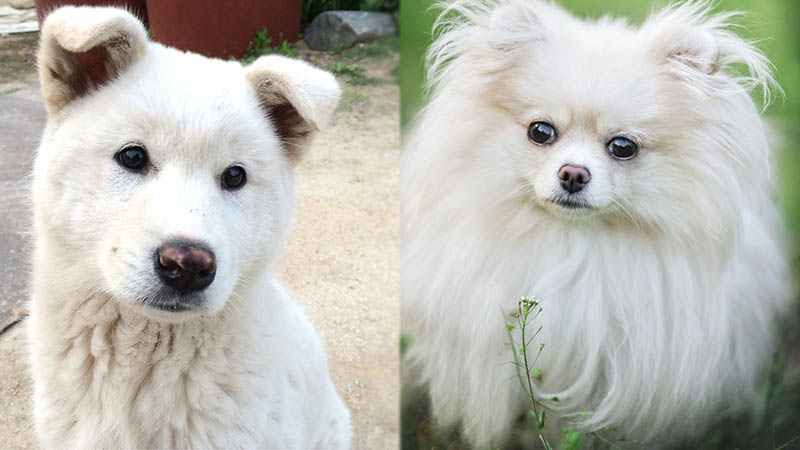
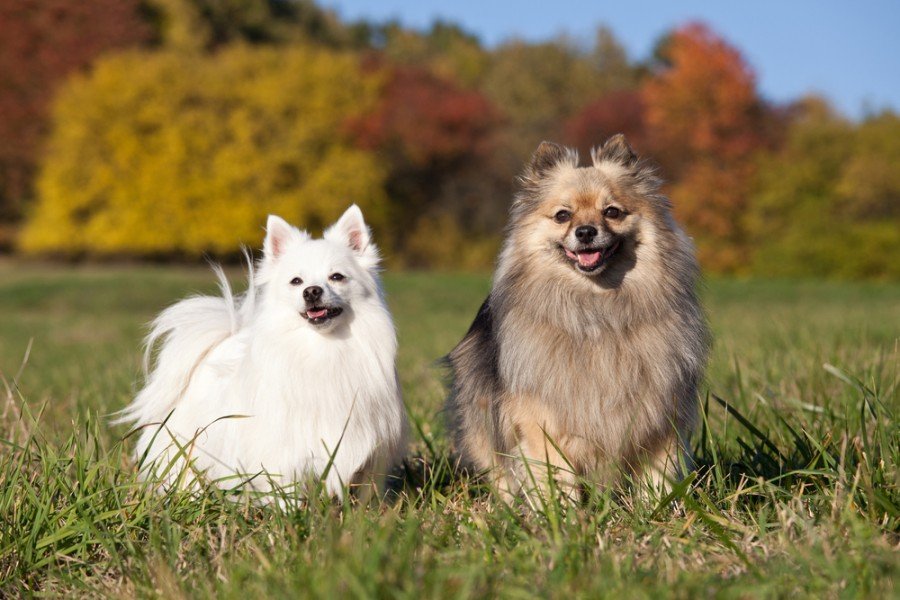
The Federation Cynologique Internationale (FCI) is responsible for the breed standard of the German Spitz, and they use the name German Spitz to apply to five different types within this breed:
The Pomeranian and Keeshond are both considered a separate breed by the American Kennel Club. So, German Spitz breeders in the U.S.A. will be focused on the German Giant, Medium, and Miniature Spitz.
When talking to breeders, it’s important to ask them which size of German Spitz they specialize in!
3. The American Eskimo Dog owes their existence to the German Spitz
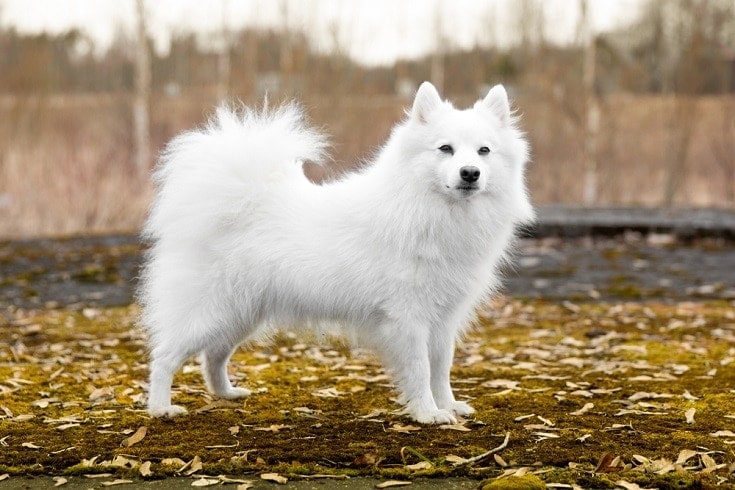
Maybe you’ve heard of the American Eskimo Dog, but did you know that there’s a connection to the German Spitz breed? The white or white-and-biscuit-colored American Eskimo Dog is closely related to the German Spitz breed.
Known for their abilities as farm dogs and then circus performers, the name American Eskimo Dog was given to this strand of white German Spitz dogs during World War I. Tensions between America and Germany led to a breeder in Ohio to decide that a less Teutonic name would benefit the popularity of these little dogs. The American Eskimo Dog is now considered a separate breed by the AKC, but of course, they still retain their Spitz characteristics!
Conclusion
The feisty and smart German Spitz dog might be a rare breed, but their loyalty, attentiveness, and protective nature mean that they’re always going to keep an eye out for danger. While this can be an appealing trait for some dog owners, it also means the German Spitz can be quite vocal.
These dogs need plenty of love and attention from their owners. Whether that’s a long walk or a challenging training session, this breed thrives on attention and won’t enjoy feeling left out or ignored.
If you think you can provide what these fluffy little pups need, you’ll have a loyal and tiny friend for life.
See Also:
Get Hepper In Your Inbox


Pet care tips from our vets and experts, straight to your inbox.
You may opt-out at any time. View our Privacy Policy for more information.

Nicole is a lover of animals of all sizes but is especially fascinated with the feline variety. She’s the proud mom of Baby, a Burmese, and works every day so he can relax in the sunshine or by the fire. She’s always had a cat in her home and has spent countless days with others, observing behaviors and softening up even the grouchiest of the lot. Nicole wants to share her kitty expertise with you so you and your cat can live happy, healthy, and care-free.
Join the conversation
Ask a question, share your story, or send private feedback.